Interview
Joan Cox
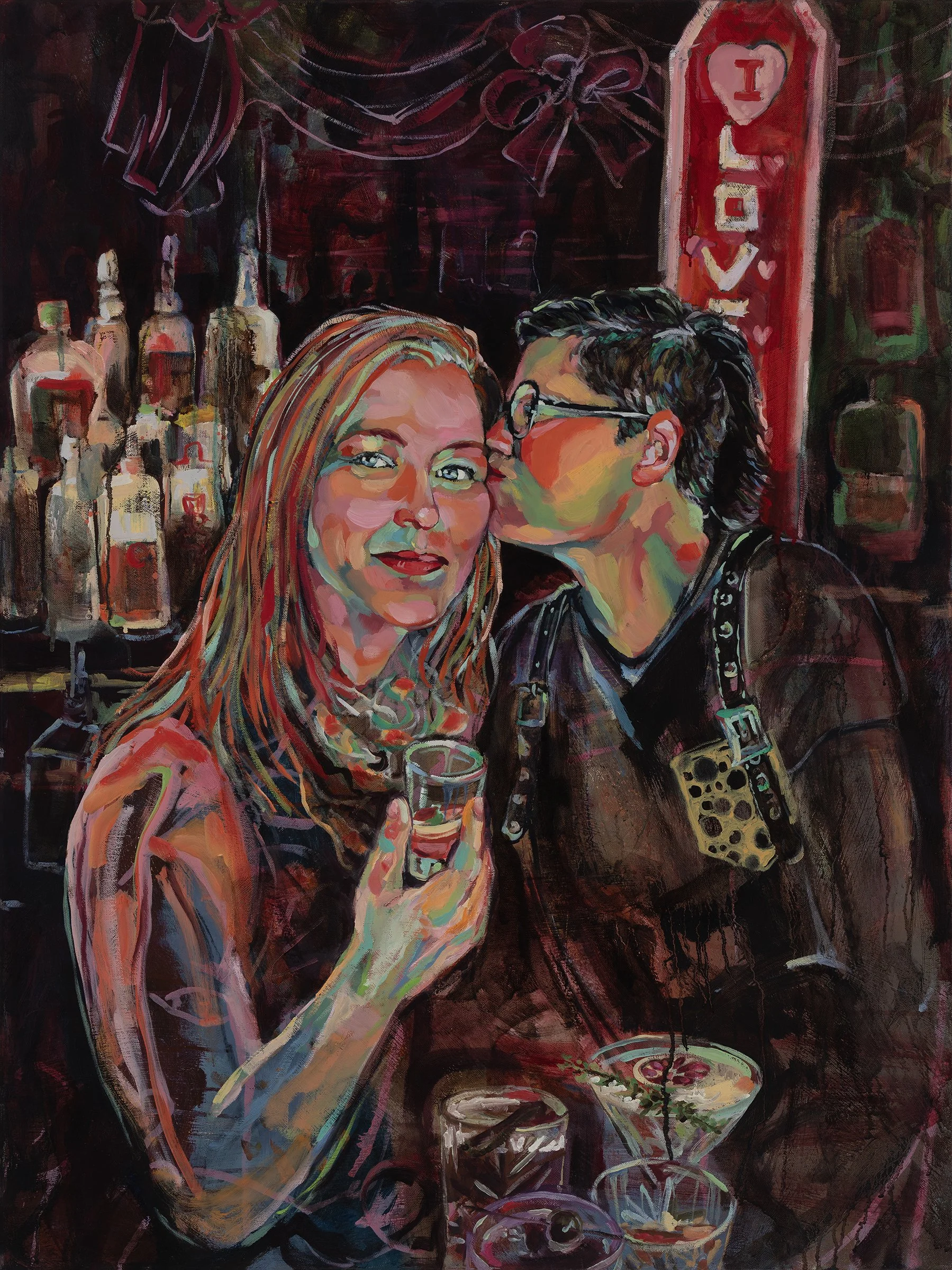
For Joan Cox (b. 1969), painting is a way to render tenderness, queer love, and personal memories visible and eternal. Based in Baltimore, Cox has spent over two decades making the intimate lives of lesbian couples visible on canvas. Her vivid colors, energetic brushwork, and layered symbolism weave together personal experience with broader political and emotional truths. Growing up when LGBTQ+ identities were often marginalized, Cox turned to painting, photography, graphic design, and writing to express what mainstream culture rendered invisible. In 2005, she and her wife moved to New Orleans and opened Moxy Studios on Magazine Street. After Hurricane Katrina, Cox stayed for two years, running her gallery and supporting local artists as they rebuilt their community. In 2007, Cox returned to the East Coast to pursue graduate studies in Provincetown, MA, where she found the courage to fully embrace and express her LGBTQ+ identity through art.
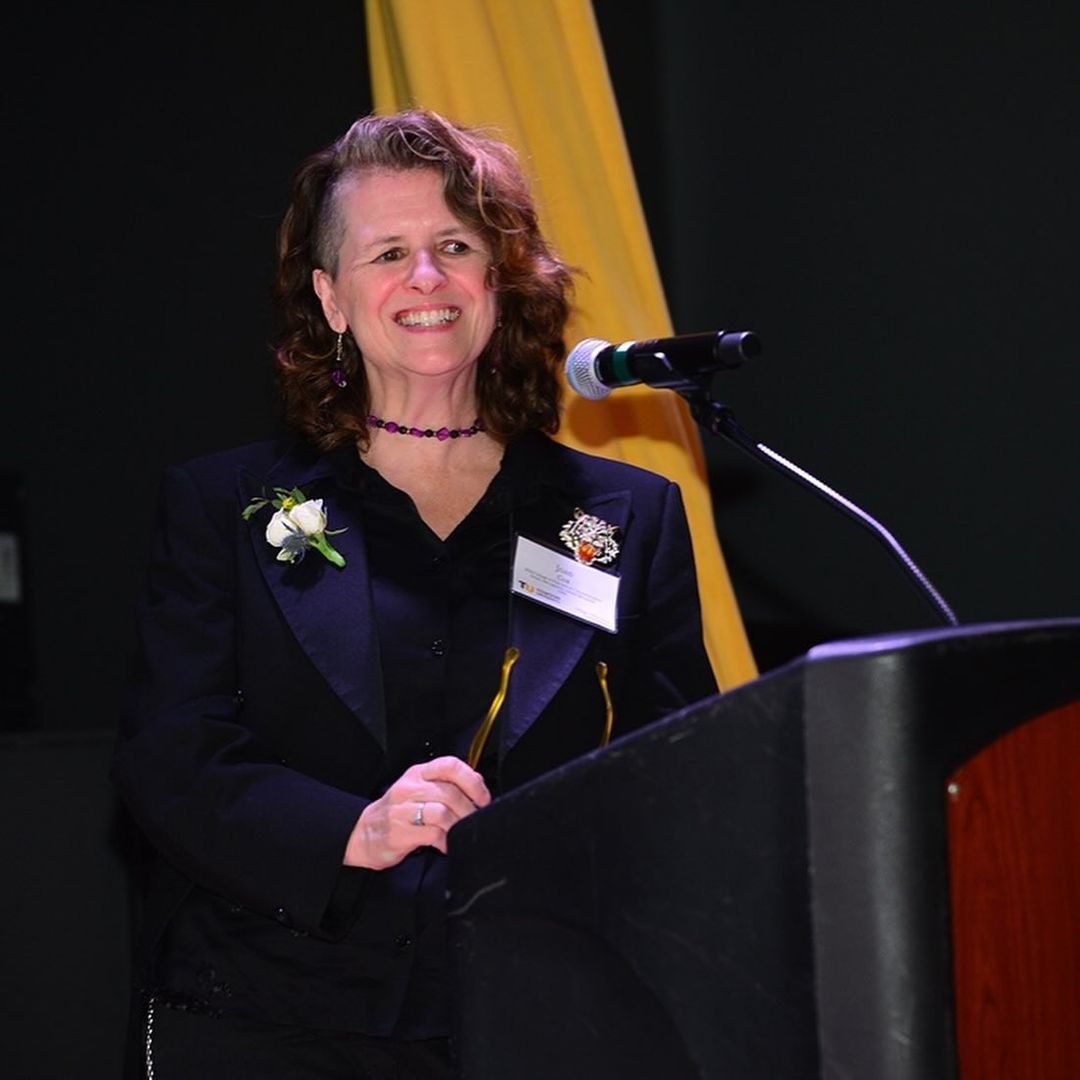
Her portraits of lesbian couples celebrate the richness and complexity of queer narratives. Cox holds a BFA from Towson University and an MFA from the Massachusetts College of Art and Design’s Low-Residency program in Provincetown. Her recent solo exhibition, “Side by Side,” was held at Towson University in June 2025. She also exhibited at the inaugural “Immortal 25” queer art fair in Mexico City. Her work has received international recognition, including 2nd Place in the 2025 Women United International Art Prize and selection as one of the VAA100 Top International Artists in 2025.
What is your background and how did you start your journey in the art world?
“I’m a Baltimore-based artist, and for the past fifteen years, my work has centered on making the intimate lives of lesbian couples visible on canvas. My journey in the art world began as a deeply personal one—growing up, I rarely saw relationships like mine reflected in art or media. That absence inspired me to create the images I longed to see: vibrant, loving, and complex portraits of queer women. Over the years, my practice has evolved into both a personal archive and a broader act of cultural preservation, drawing on my own experiences and the resilience of the queer community.”
What does your work aim to say? Does it comment on any current social or political issues?
“At its core, my work is about survival—of tenderness, love, and memory. I aim to challenge societal norms and celebrate the authenticity of relationships between women, especially those that have been historically marginalized or erased. My paintings are both personal and political: they reclaim space for queer love in the visual arts and invite viewers to reconsider their assumptions about intimacy, gender, and belonging. In today’s climate, where LGBTQ+ rights and visibility are still contested, I see my work as a form of resistance and affirmation.”
Do you plan your work in advance, or is it improvisation?
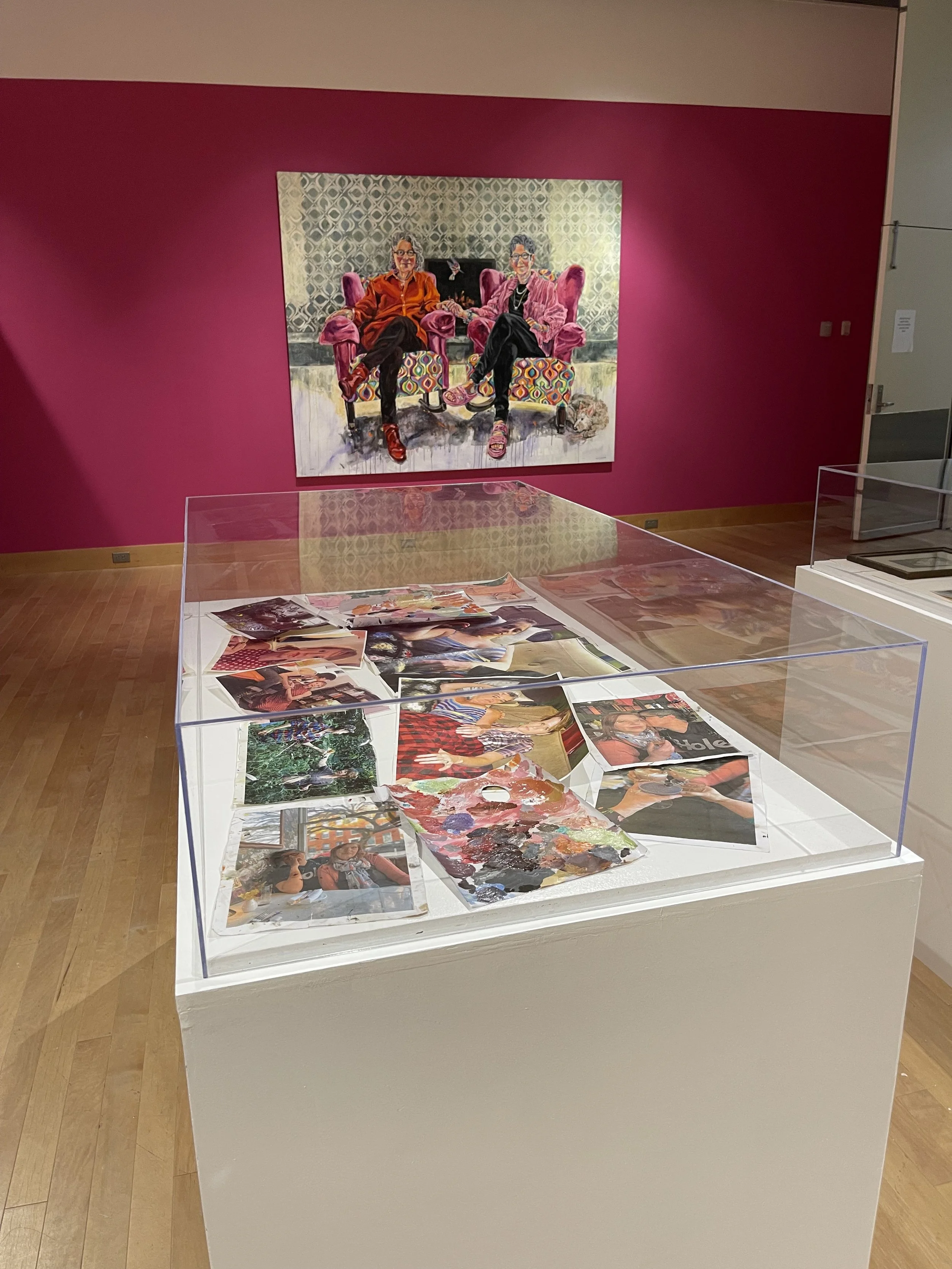
“My process is a blend of planning and intuition. I often begin with a photographic source—sometimes a carefully constructed pose inspired by historical paintings or photographs. From there, I plan the composition and symbolism, but I also allow space for improvisation as the painting develops. The materiality of paint and the energy of the brushwork often lead me in new directions, so each piece becomes a dialogue between intention and discovery.”
Are there any art world trends are you following?
“I’m particularly interested in the ongoing conversations around representation, inclusivity, and the reclamation of art history by marginalized voices. There’s a growing movement to challenge the traditional canon and to center stories that have been overlooked—something I feel deeply connected to. I closely follow the work of contemporary African American figurative artists such as Kerry James Marshall, Mickalene Thomas, Amy Sherald, and Barkley Hendricks, whose approaches to portraiture and narrative deeply influence my own practice. I’m also drawn to trends in narrative painting, maximalism, and the use of symbolism to convey layered meanings, as well as the increasing intersection of art with social justice and community engagement.”
What process, materials and techniques do you use to create your artwork?
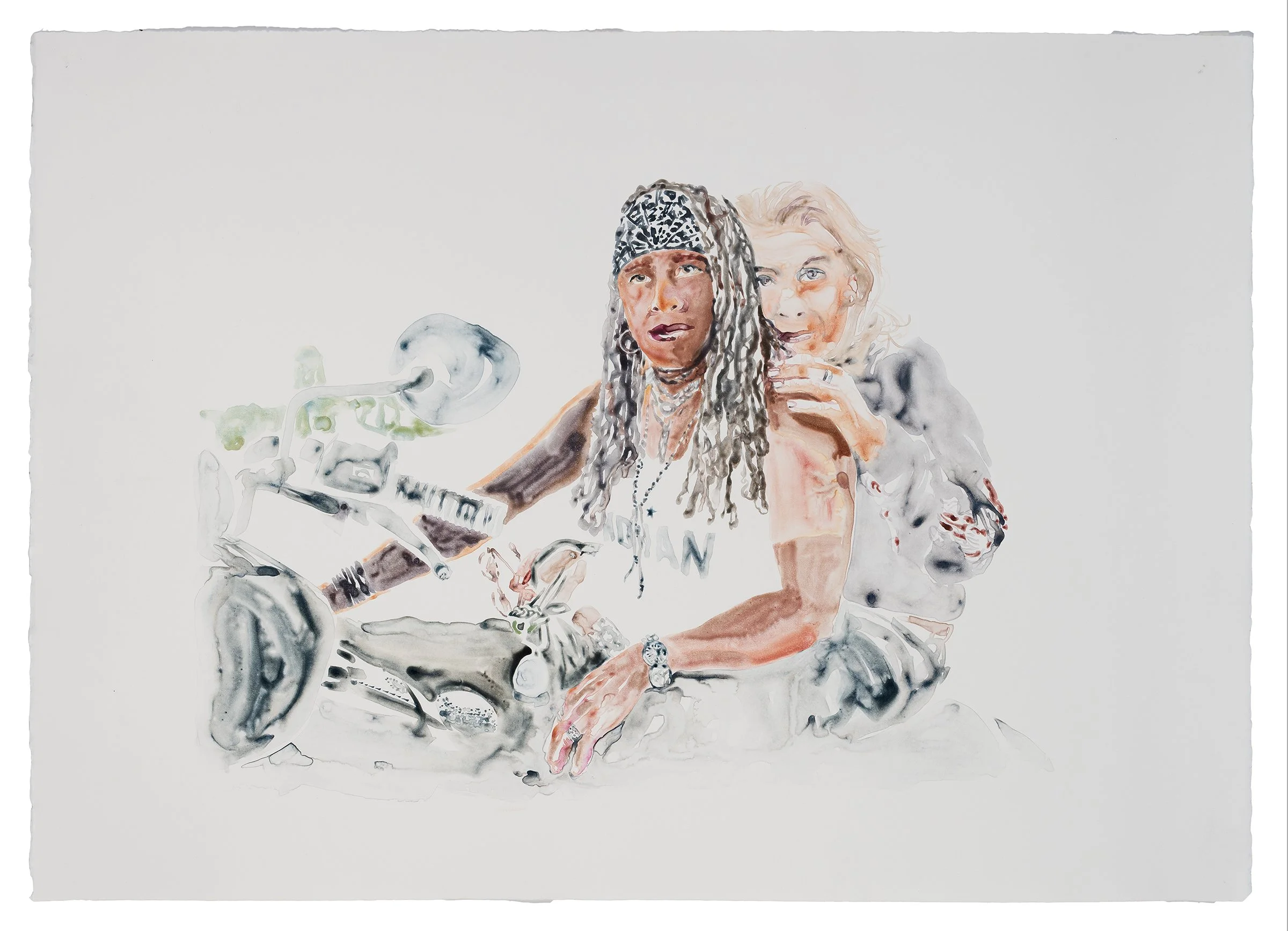
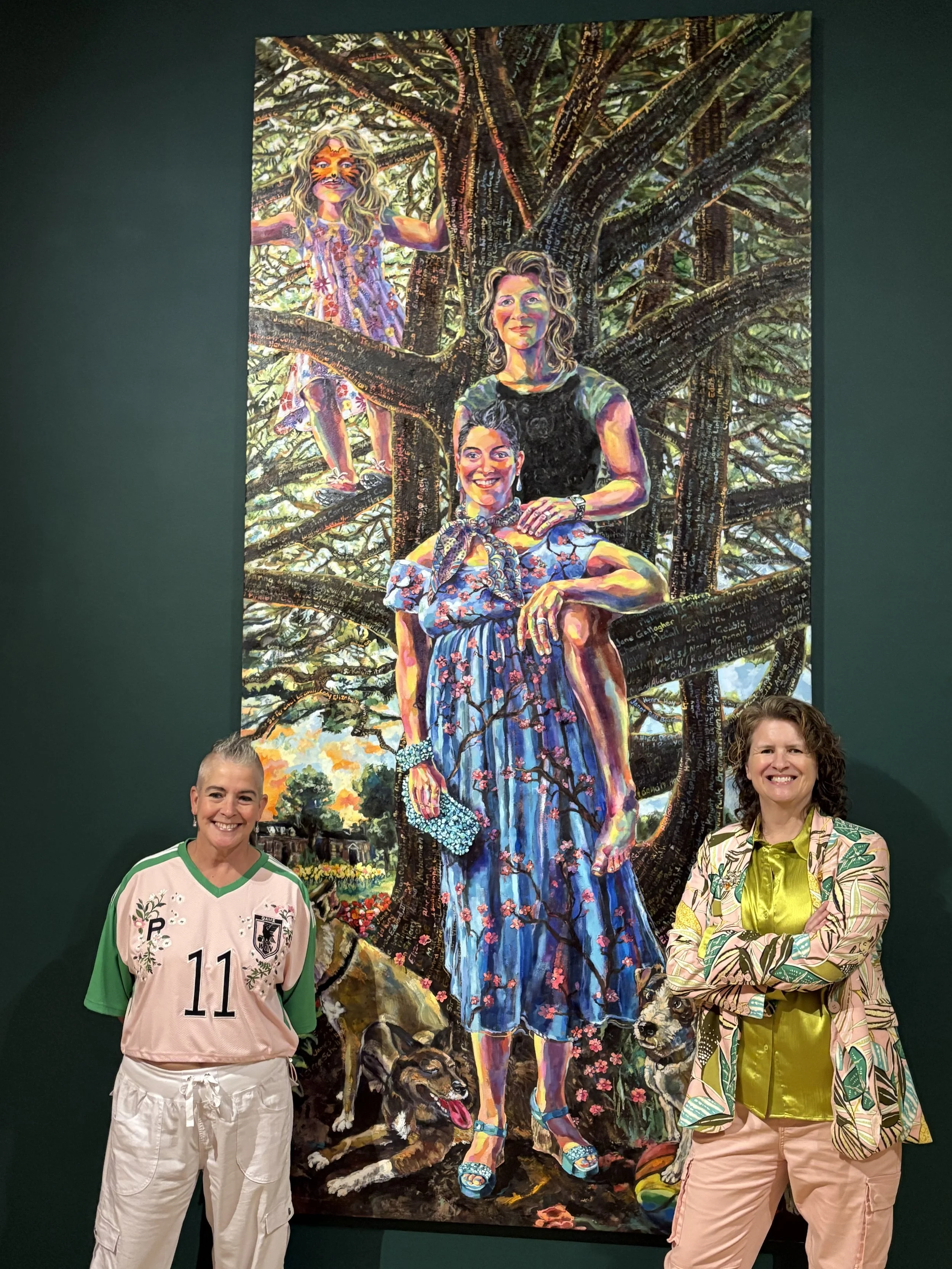
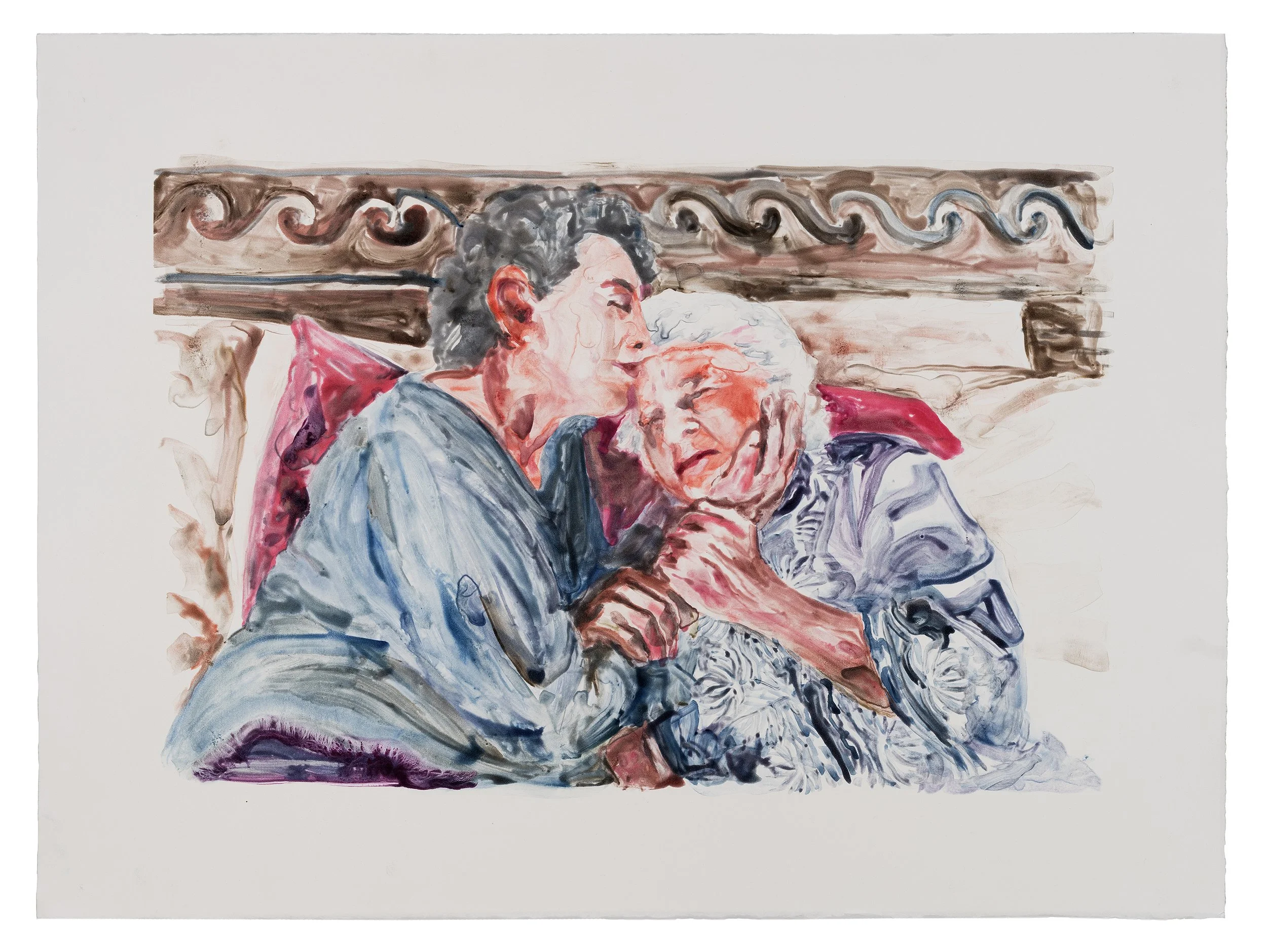
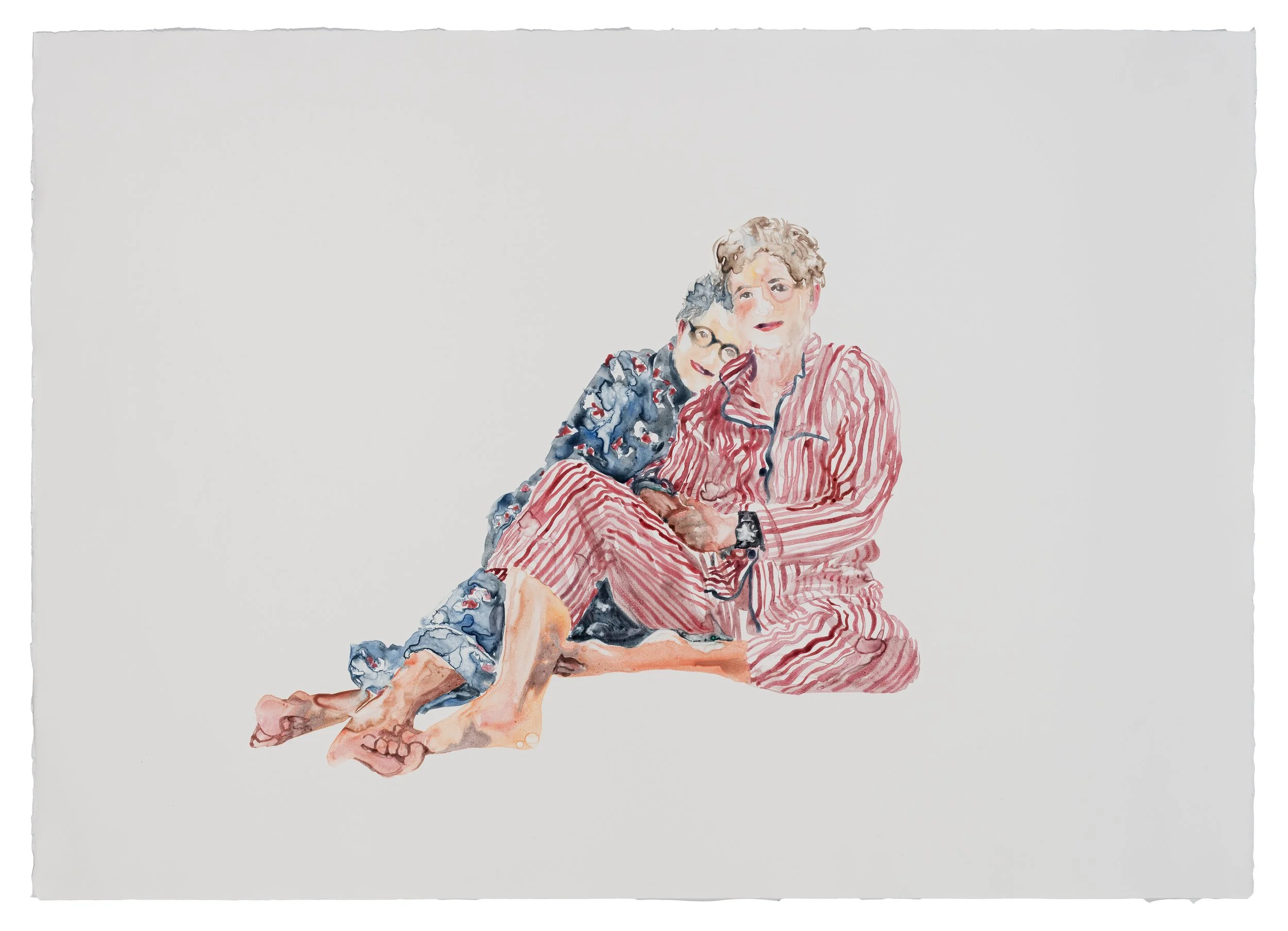
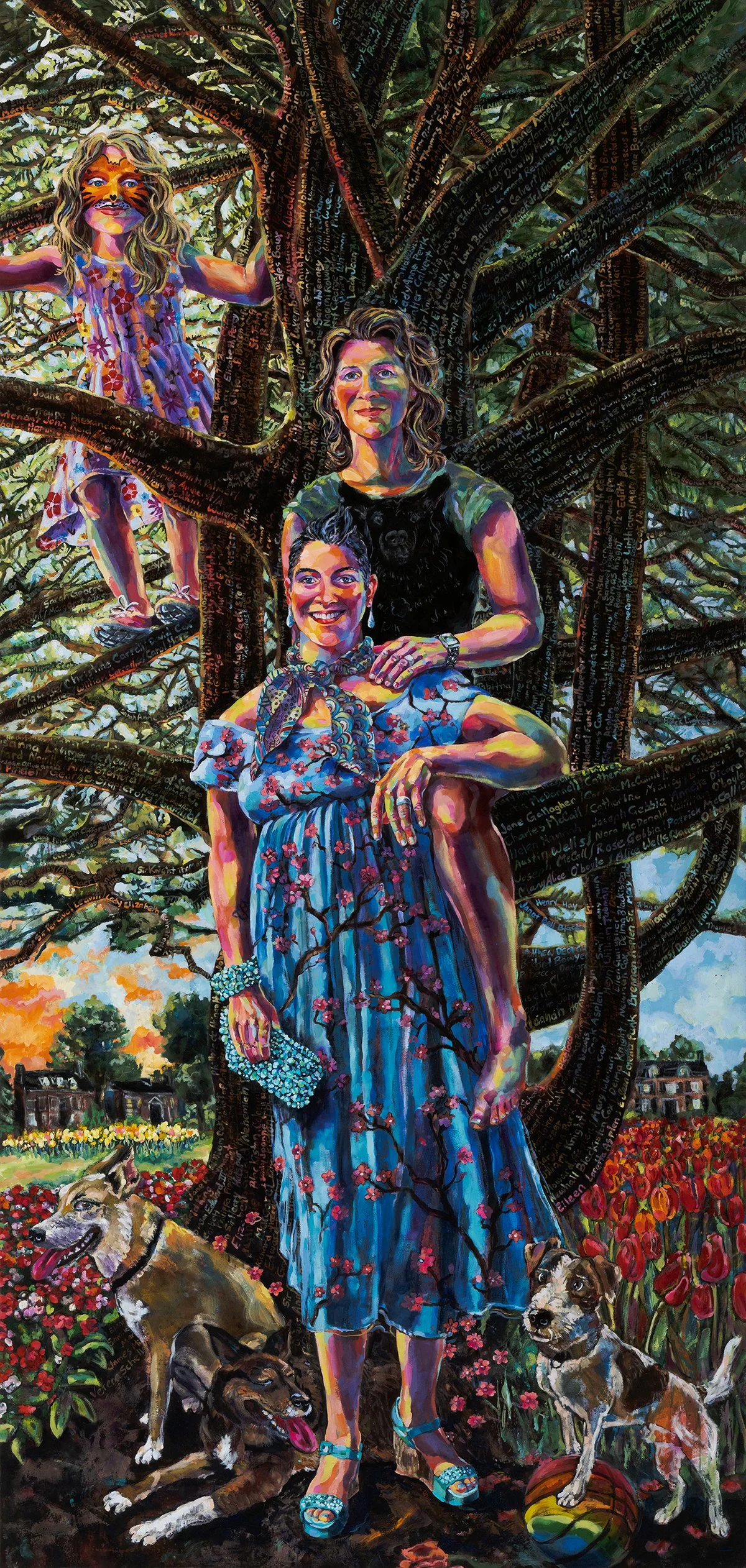
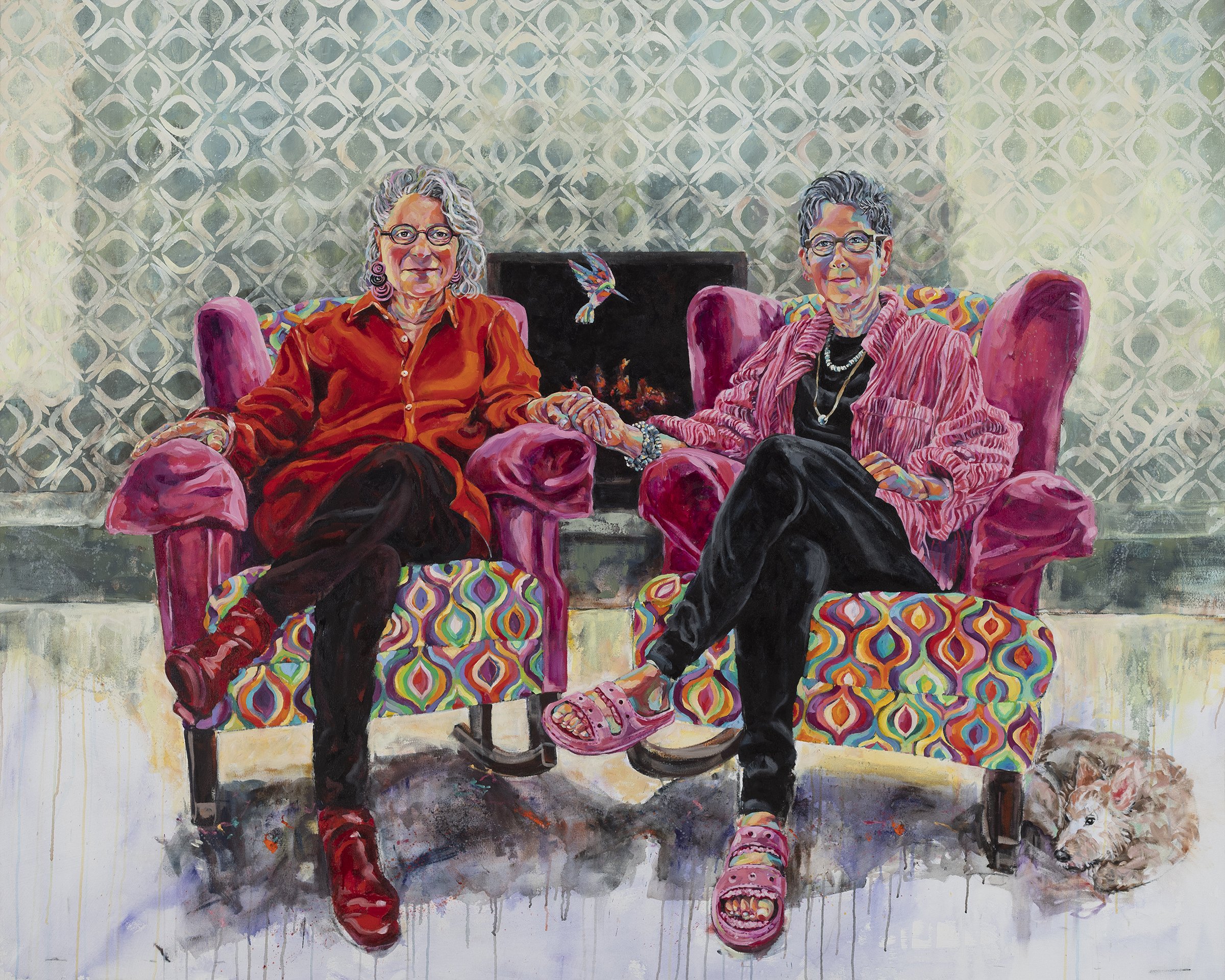
“I primarily work in oil paint, drawn to its sensuality and depth of color. My process usually starts with photographing couples—often friends or members of my community—in poses that reference classical art. I then reinterpret these compositions on canvas, layering in fabrics, patterns, and natural elements to create richly symbolic environments. My technique combines traditional portraiture with expressive, energetic brushwork and a maximalist approach to color and detail. I also explore the same subject matter in watercolor monotype prints. These works on paper are much lighter and softer overall. They evoke more of the idea of universal ‘queer couples’ rather than being portraits of specific people.”

What does your art mean to you?
“My art is both a personal lifeline and a form of activism. It’s a way to honor my own experiences and those of my community, to create visibility where there was once absence, and to offer images of love and resilience. Painting is how I process memory, celebrate chosen family, and contribute to a visual archive that resists erasure. It’s deeply meaningful to me to know that my work can spark empathy, foster belonging, and challenge the boundaries of what’s considered ‘normal’ or ‘acceptable’ in art and society.”
What’s your favourite artwork and why?
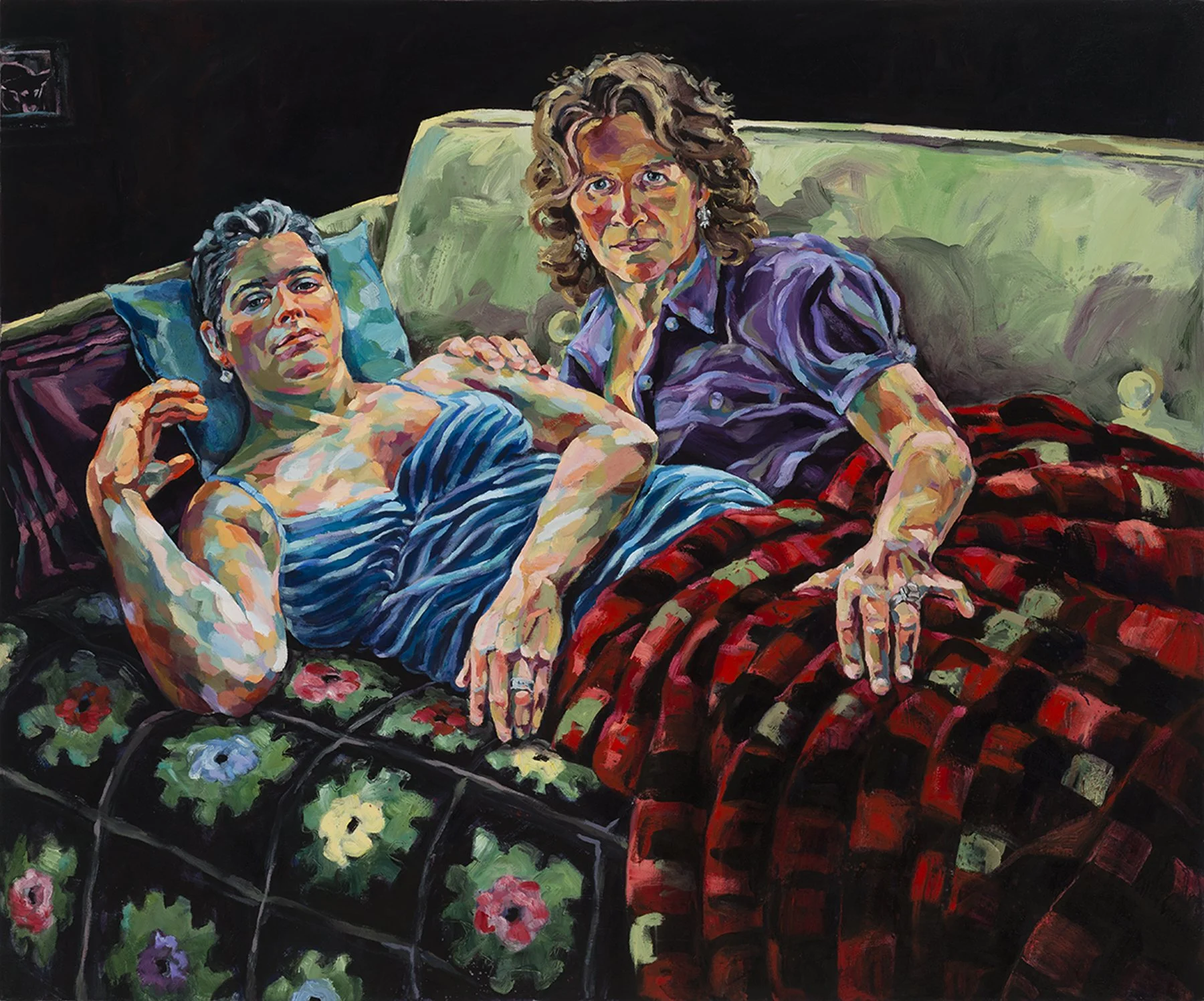
“One of my favorite pieces is ‘Night Hunger,’ a large-scale oil painting depicting my wife and me on the couch, wrapped in our favorite blankets. The composition is inspired by Xenia Hausner, a painter whose work deeply influences me. This self-portrait weaves together elements of personal history, fabrics symbolizing both our masculine and feminine sides, and a profound sense of intimacy between two women. The piece has resonated with viewers—especially those who rarely see themselves reflected in art—and it reminds me why I began this journey: to create images that nourish, validate, and inspire.”
Have you had any noteworthy exhibitions you'd like to share?
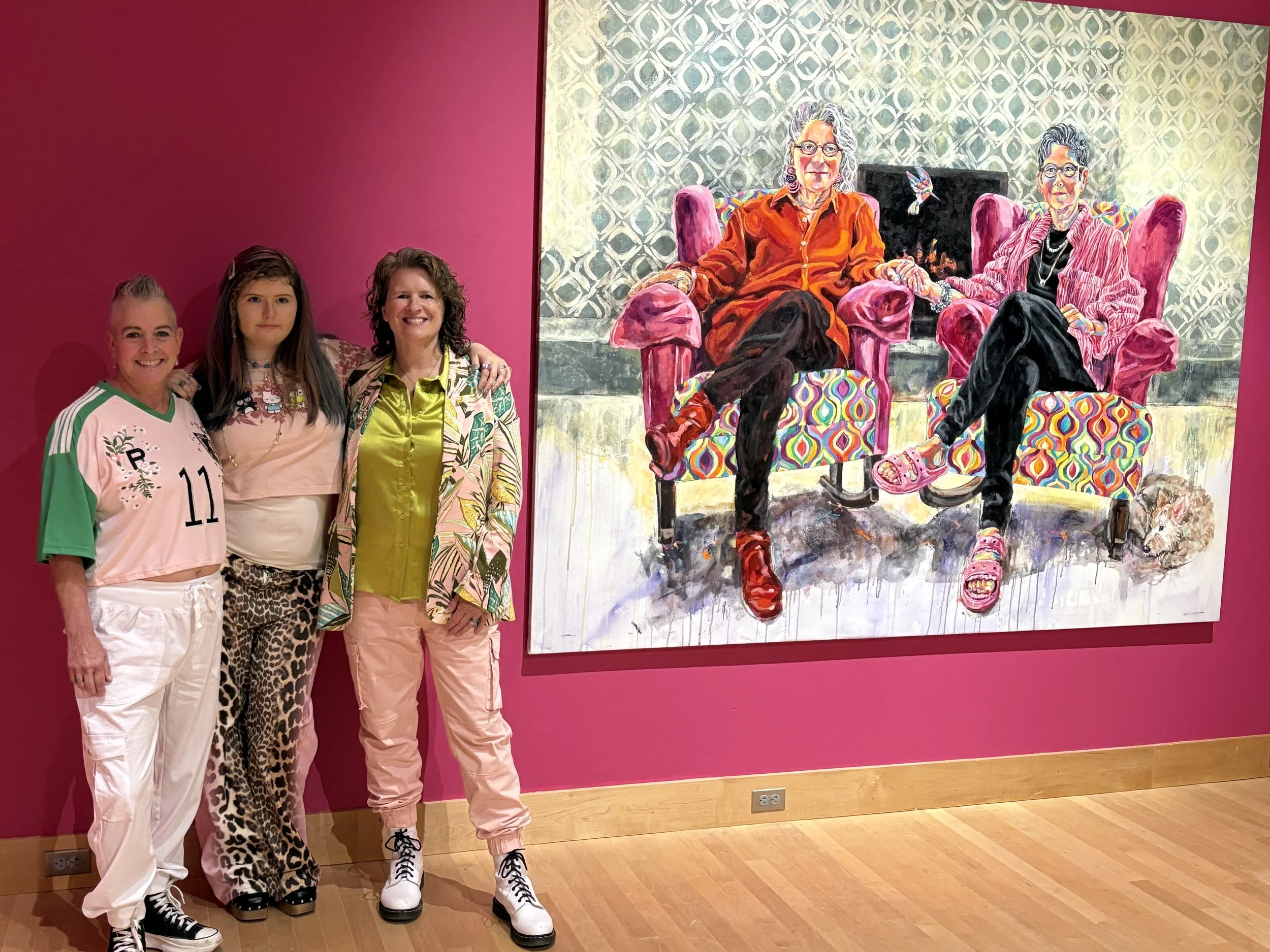
“This past summer, I had the honor of presenting a solo exhibition in the main gallery at my alma mater, Towson University. After receiving the Alumni Dean’s Recognition Award, I was invited to exhibit my work—more than 30 years after earning my BFA in painting from Towson. The show, titled “Side by Side,” featured double portraits of lesbian couples, including large-format oil paintings and small watercolor monotype prints that I created on campus in the printmaking studio. The response from students, faculty, and community supporters was incredibly moving. Many people expressed a deep sense of connection with the work, and I, in turn, formed meaningful new relationships with the curator, the art history professor, and the printmaking team. Knowing that my work could inspire queer students at the university to tell their own stories through art was profoundly fulfilling. I even got a thorough review on the local Baltimore art magazine website.”