Interview
Ilona Marchik
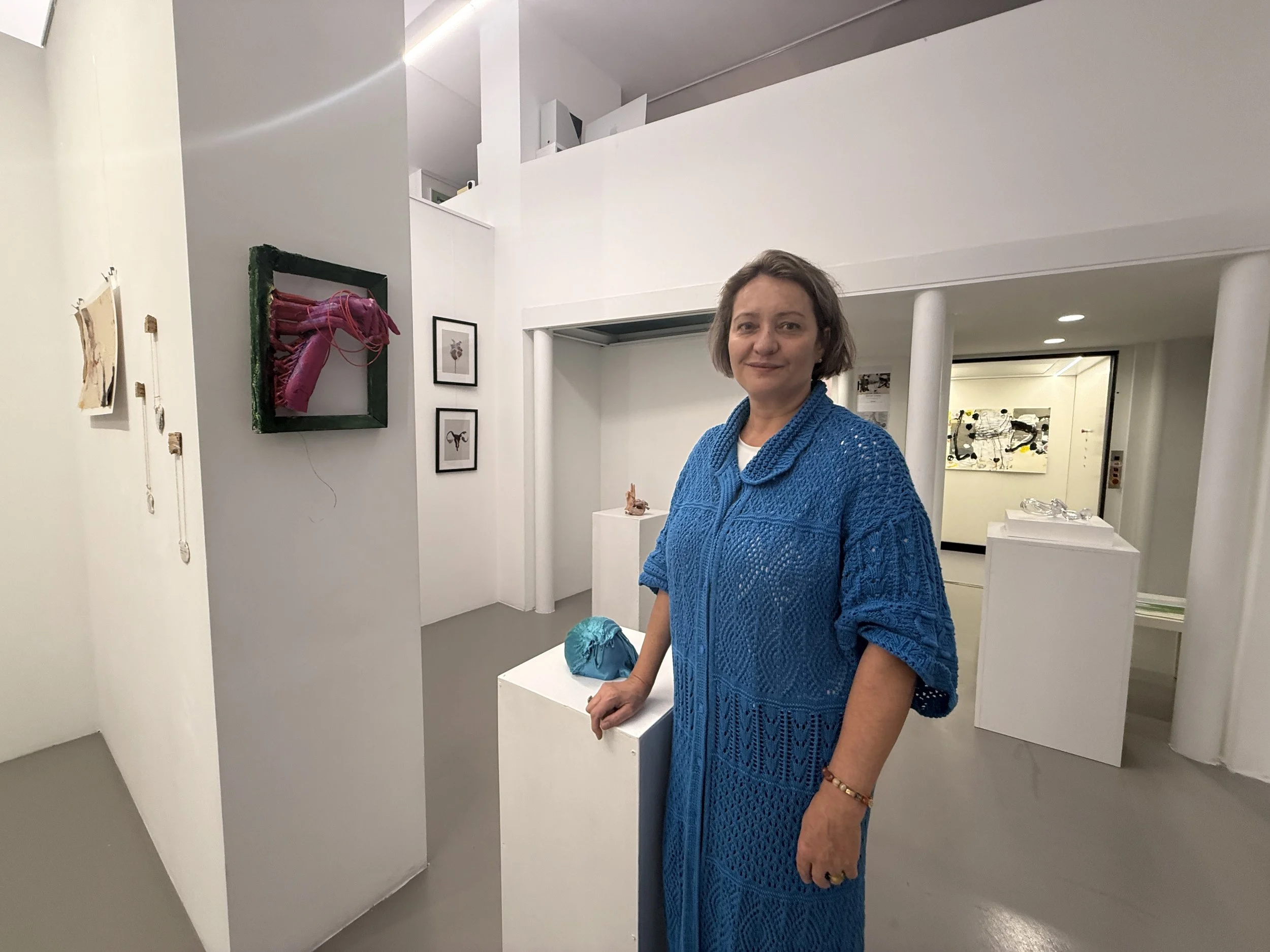
Ilona Marchik is a London-based sculptor and installation artist working with reclaimed and fragmented materials, 3D-print waste, and a balance of fragile and strong elements. Born on the Kuril Islands and later living in Spain, Italy, and the UK, she brings themes of transformation, memory, love, and spiritual connection into her practice. Her work explores the tension between vulnerability and resilience, creating sculptural forms that reflect emotional and material histories. She holds a Master’s Degree in Fine Arts from the University of East London and has exhibited and curated projects in the UK, Spain, and Italy, including recent shows with Milano Exhibitions and Art Gallery Fenestreria. Her practice combines artistic creation with curatorial work that supports other artists and fosters collaborative dialogue.
What is your background and how did you start your journey in the art world?
“I was born on the Kuril Islands in 1974, in a remote volcanic landscape where fragility and strength coexist. My artistic path was shaped by migration between Russia, Spain, and the UK. After moving to London I studied Photography and later completed a Master’s Degree in Fine Arts at the University of East London. My journey into art began through working with materials, photography, and sculpture, gradually discovering that the language of fragmented and reclaimed materials allowed me to express memory, connection, and transformation. This became the foundation of my sculptural and curatorial practice.”
What inspires you?
“I am inspired by human connections, emotional and spiritual energy, and the fragile balance between strength and vulnerability. I work with reclaimed and fragmented materials because they carry memory and the possibility of transformation. Nature, motherhood, and the invisible forces that shape our inner worlds also guide my practice, giving form to themes of love, resilience, and renewal.”
What themes do you pursue? Is there an underlying message in your work?
“My work explores fragmentation, connection, and transformation. I use reclaimed and fragile materials to reflect how human emotions, memories, and relationships are built, broken, and rebuilt. The underlying message in my practice is that fragility and strength coexist, and that everything — even discarded materials and wounded parts of ourselves — carries meaning, resilience, and the potential for renewal. Through sculpture, I translate invisible emotional and spiritual experiences into physical form.”
How would you describe your work?
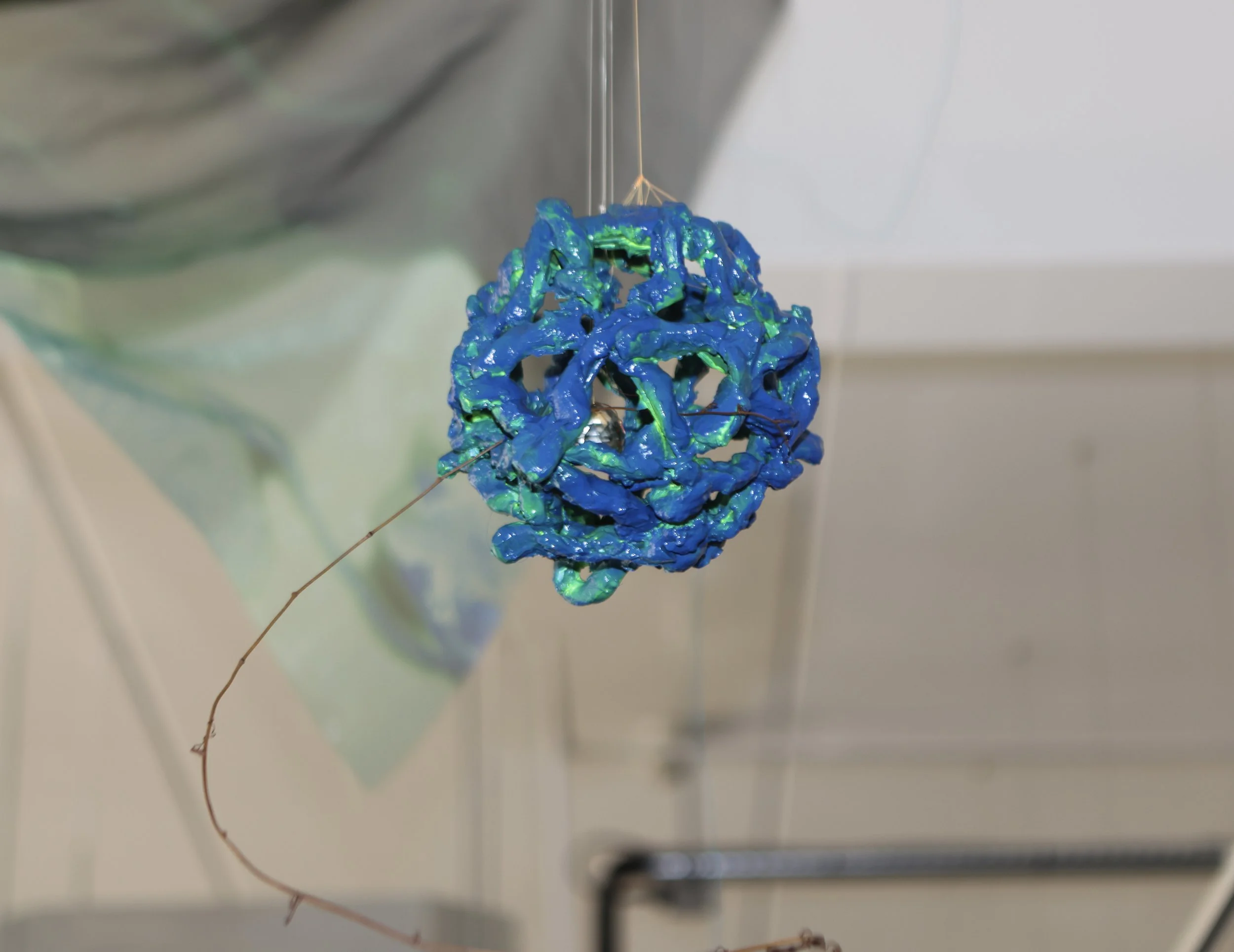
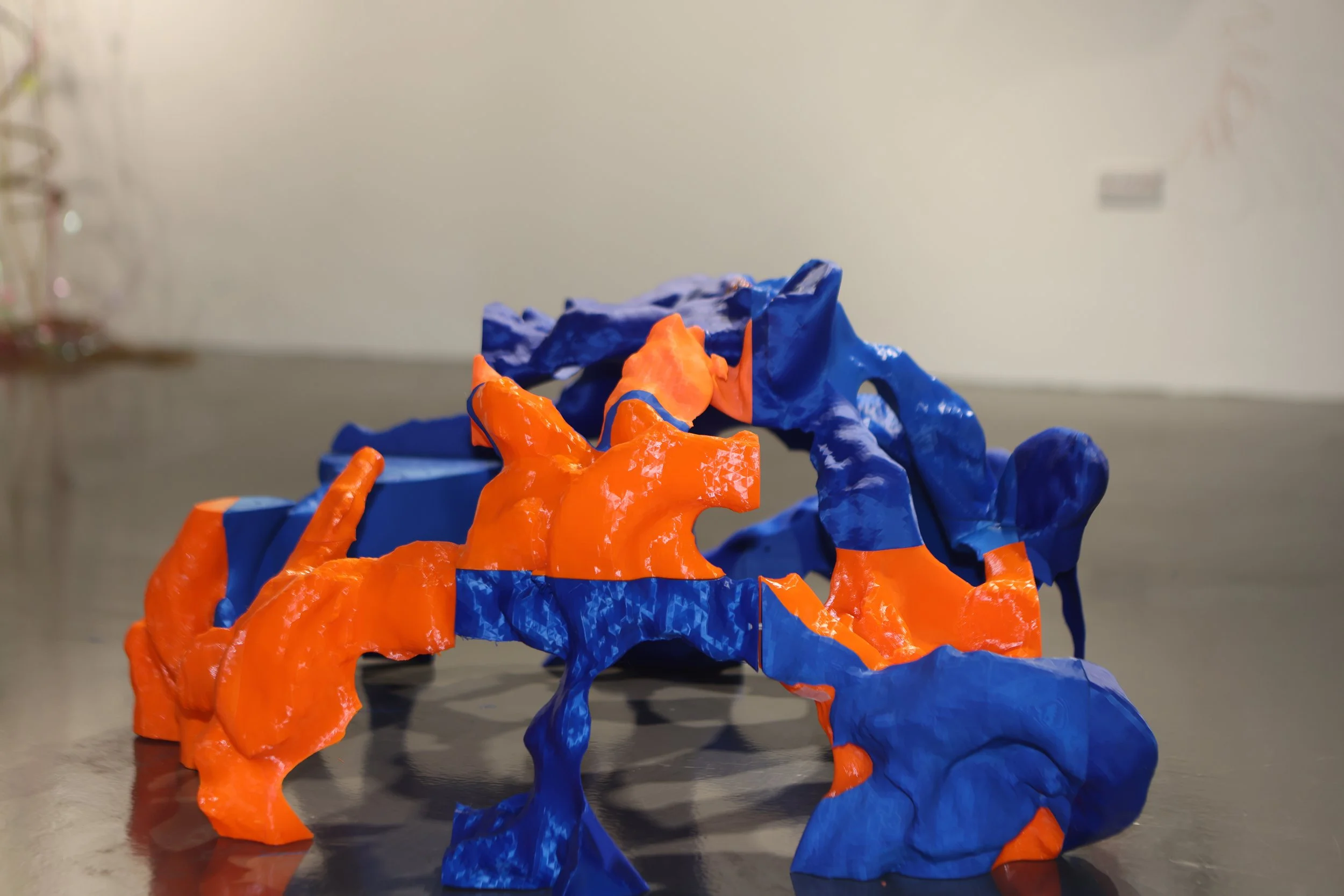
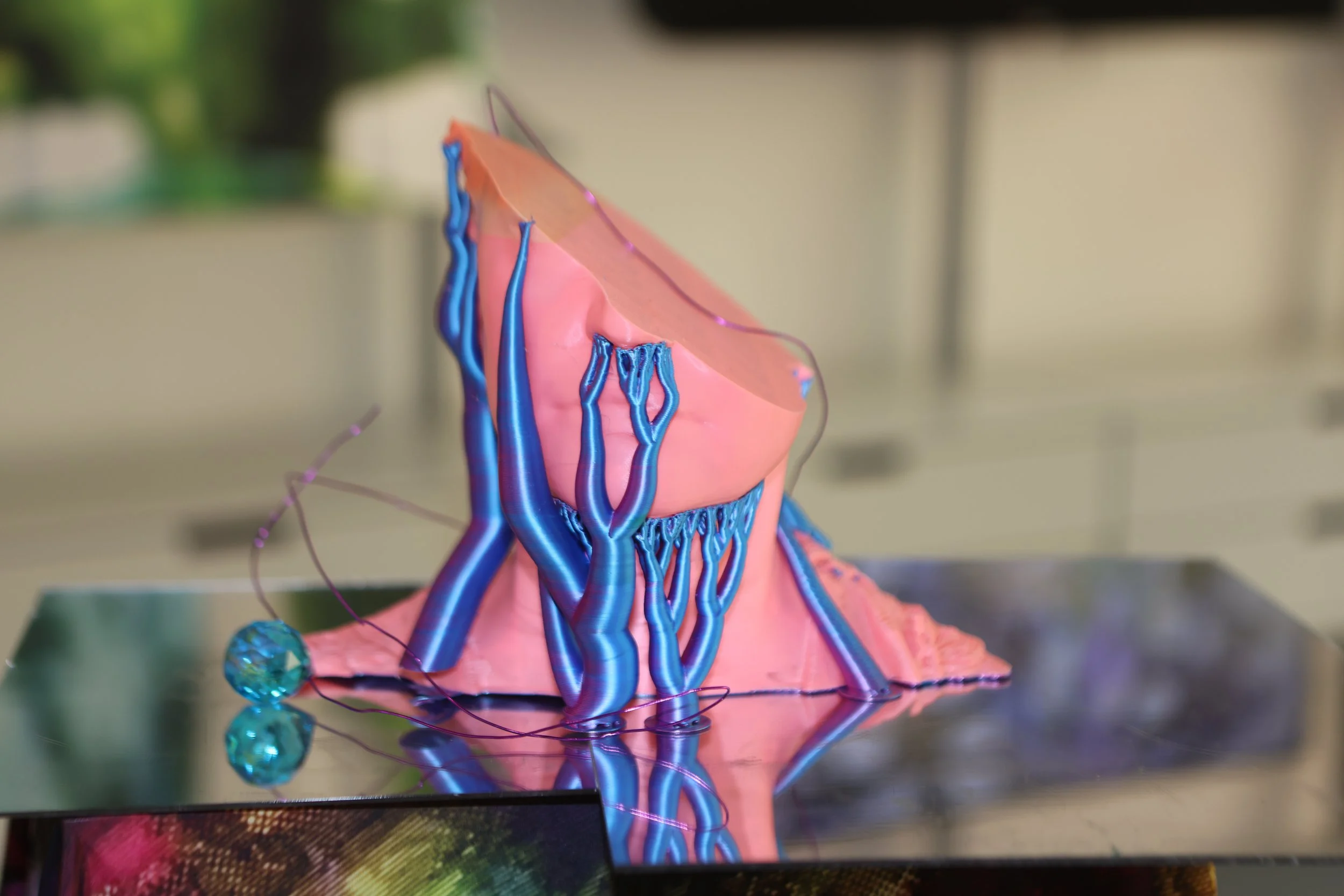
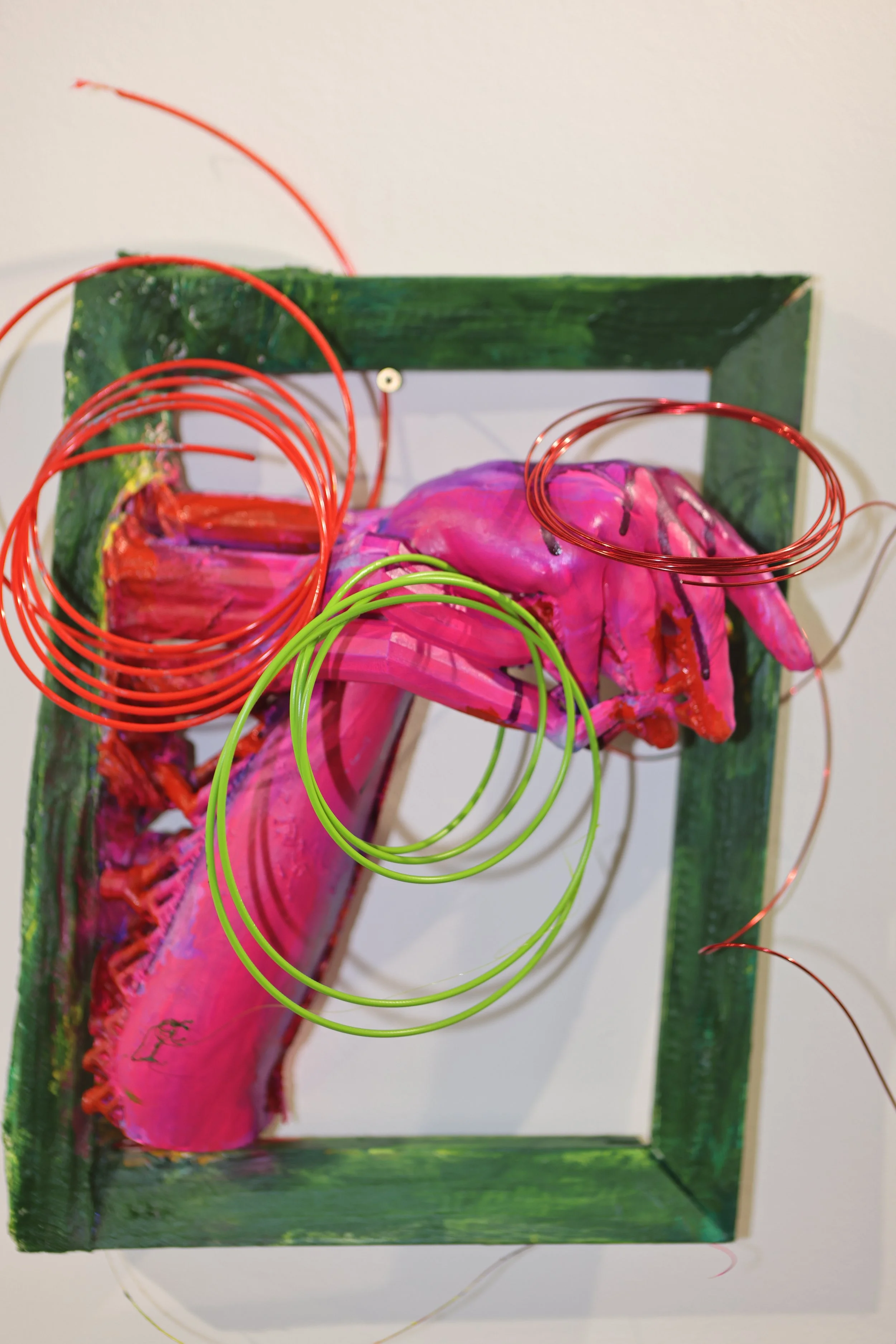
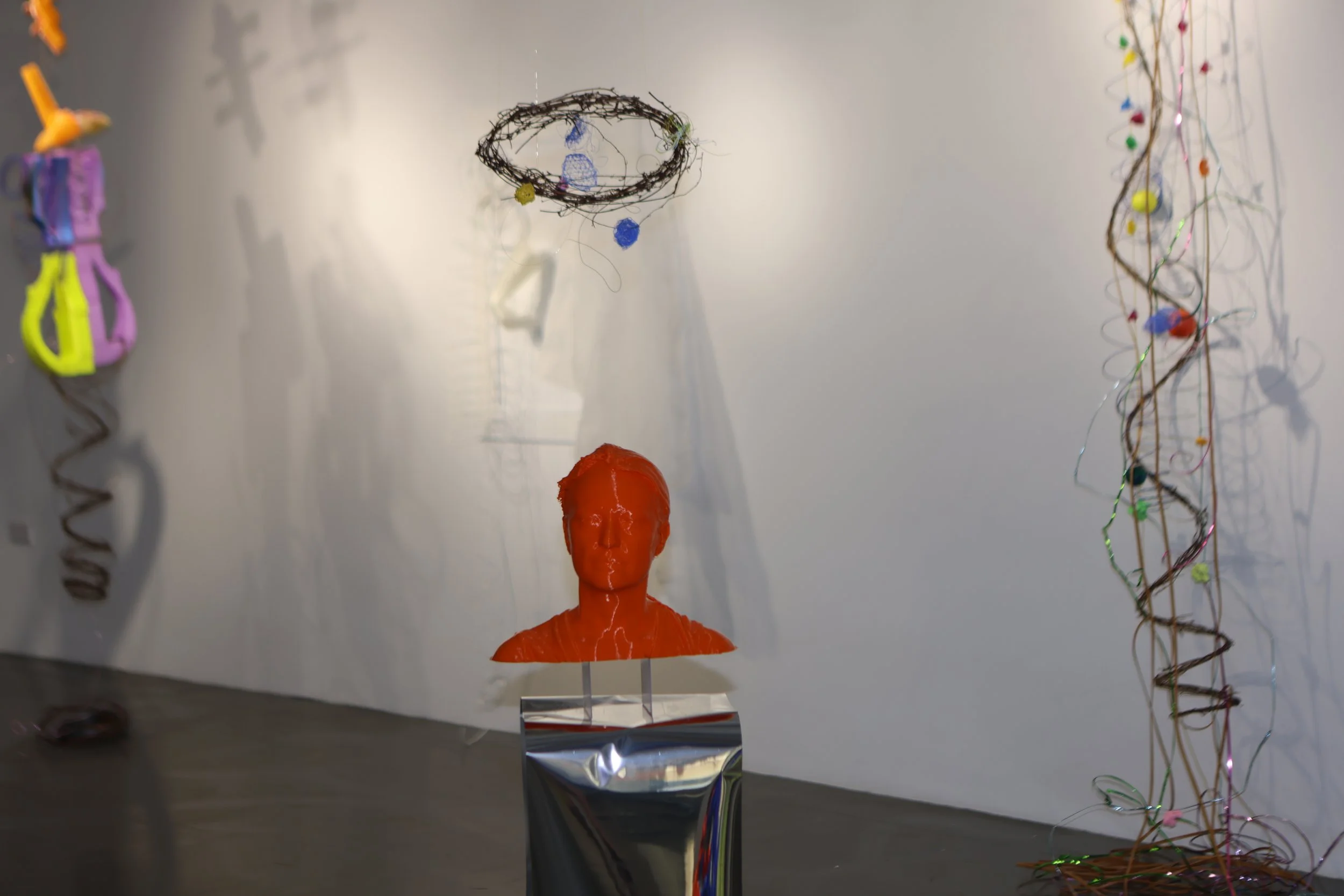
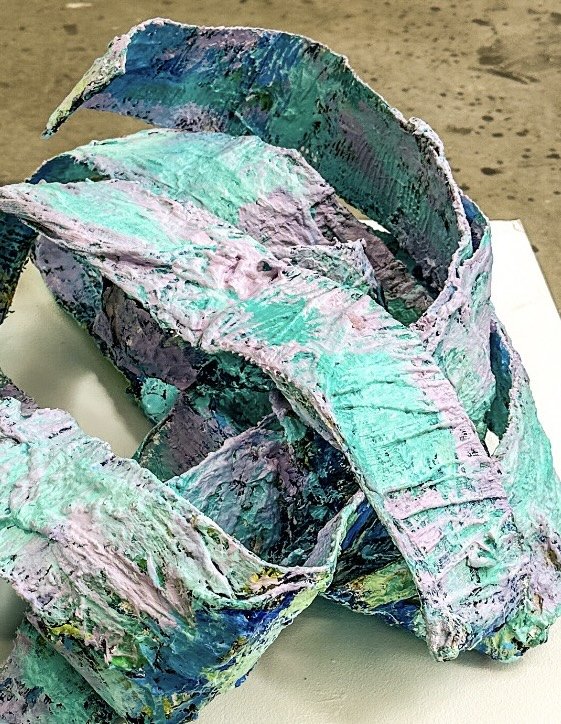
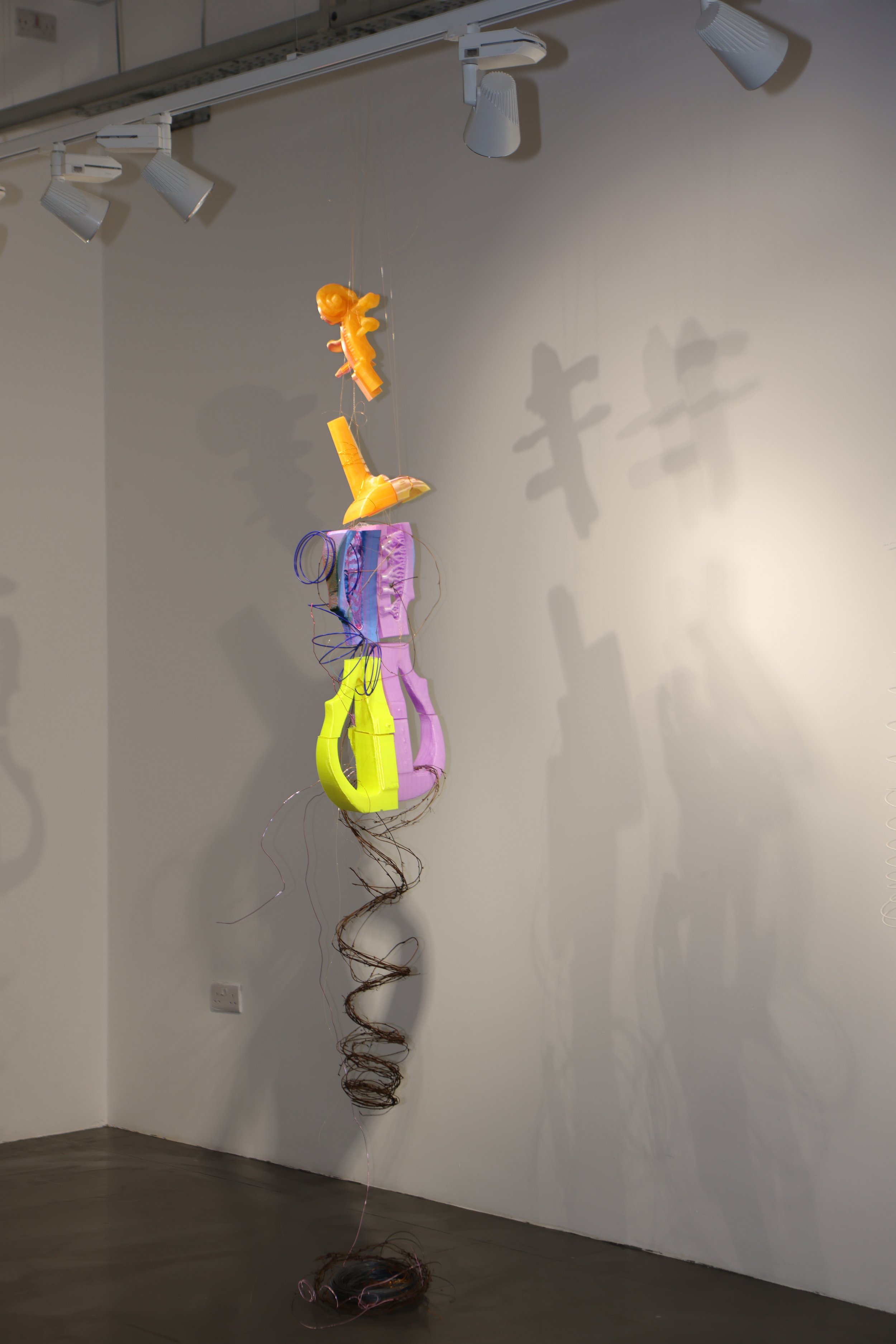
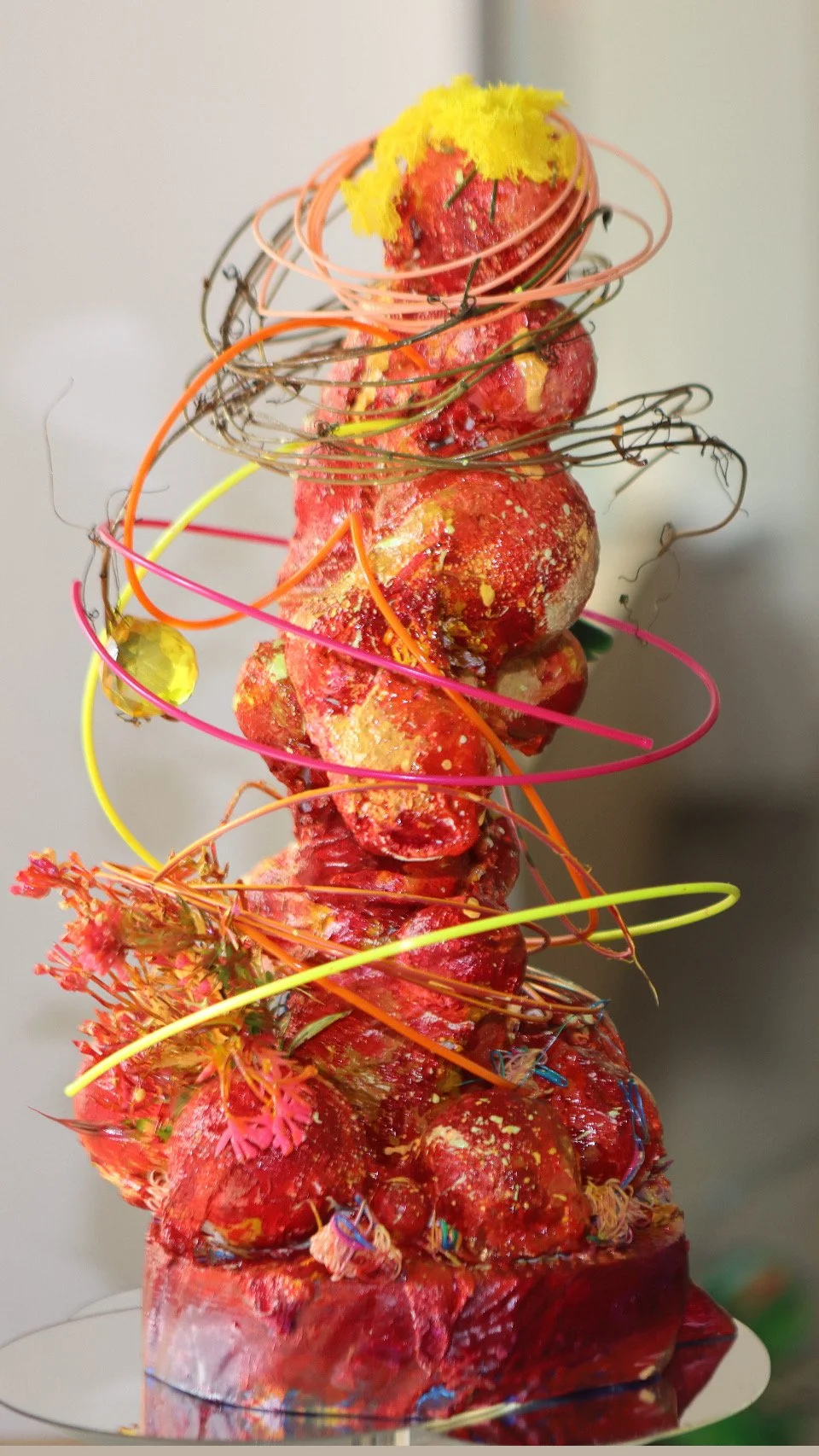
“My work is sculptural and installation-based, created from reclaimed and fragmented materials, 3D-print waste, and a mix of fragile and strong elements. I build tactile structures that explore emotional states, relationships, and the tension between vulnerability and resilience. My practice combines intuitive material play with a deep interest in memory, connection, and the spiritual dimension of the physical world.”
Which artists influence you most?
“I am influenced by artists who explore materiality, memory, and emotional or spiritual transformation. These include Eva Hesse for her organic fragility, Louise Bourgeois for the architecture of emotion, Alberto Giacometti for presence and absence, Joseph Beuys for symbolic materials, Ana Mendieta for the connection between body and nature, and Jannis Kounellis for the poetics of raw matter. I am also deeply inspired by Andrei Tarkovsky’s cinematic language and his sense of metaphysical time.”
What is your creative process like?
“My creative process begins with materials. I intuitively collect reclaimed fragments, 3D-print waste and fragile elements that carry traces of past stories. I study their texture, weight and energy, allowing the material itself to guide the form. I build through layering, binding, and combining strong and delicate components, creating structures that reflect emotional states and inner landscapes. The process is both physical and meditative — a negotiation between control and surrender, between what holds and what is ready to break.”
What is an artist’s role in society and how do you see that evolving?
“An artist’s role is to sense, translate, and reveal what often remains unseen — emotional truths, collective tensions, and the fragile states of human experience. Artists create new forms of meaning, preserve memory, and open space for dialogue and transformation. Today this role is evolving toward greater emotional intelligence, community building, and material awareness. Artists are becoming connectors — bringing together different cultures, disciplines, and ways of seeing — and their work is essential for maintaining humanity in an increasingly fast and fragmented world.”
Have you had any noteworthy exhibitions you'd like to share?
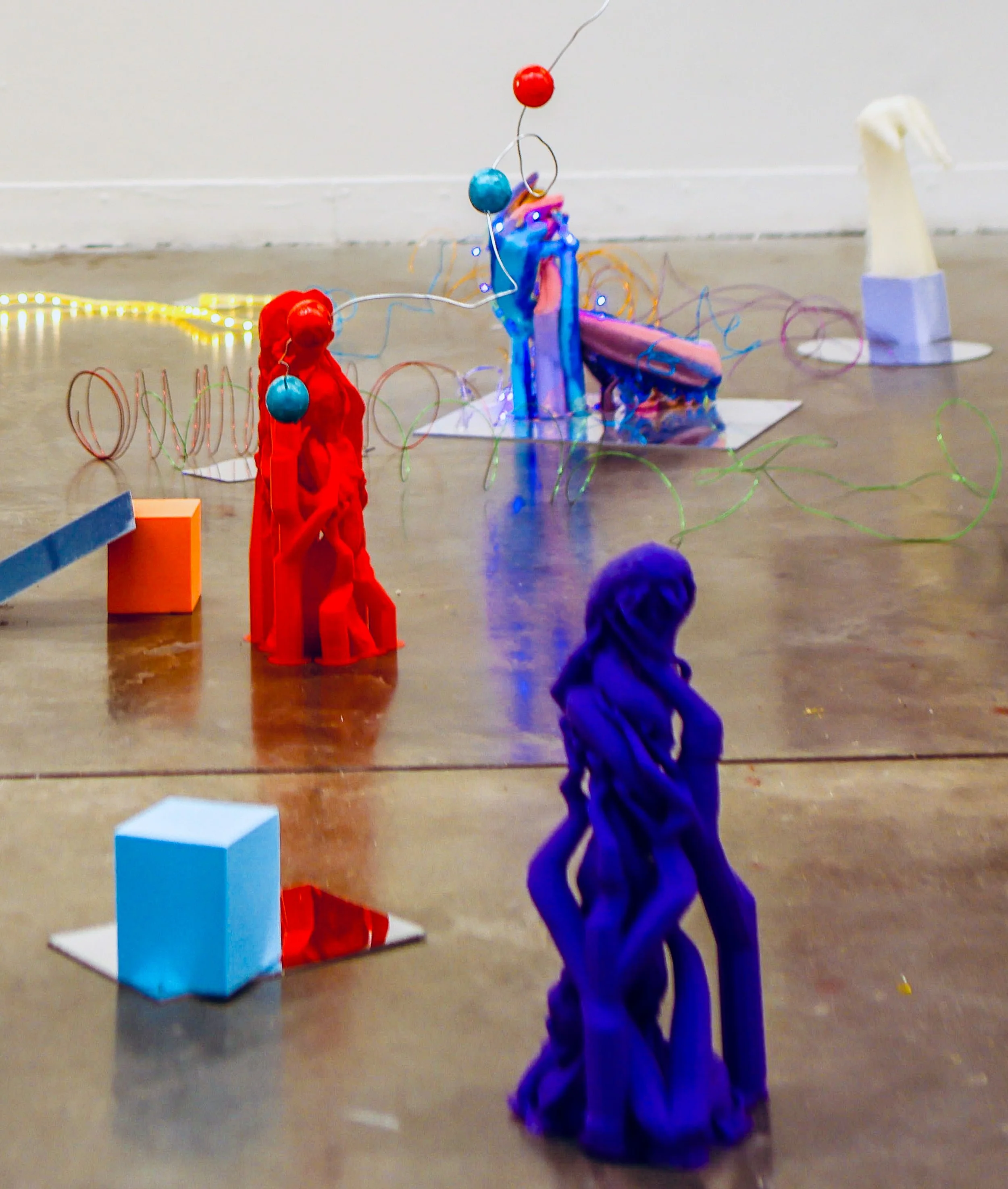
“Yes. I have participated in numerous group exhibitions in London, where I also curated several projects connected to the topic of war and the emotional impact it leaves on individuals and communities. With time, my practice evolved toward themes of revealing, healing, and transformation, and I moved away from war-related narratives. I have exhibited my sculptural and installation work in the UK, Spain, and Italy, including recent shows with Milano Exhibitions and presentations at Art Gallery Fenestreria (Fenestrelle, Italy). My work continues to appear in international group exhibitions, both as an artist and as a curator supporting other creators.”
Instagram: @ilona_and_archi
Brush Bio: www.brush.bio/ilonuska