Haohao Huang
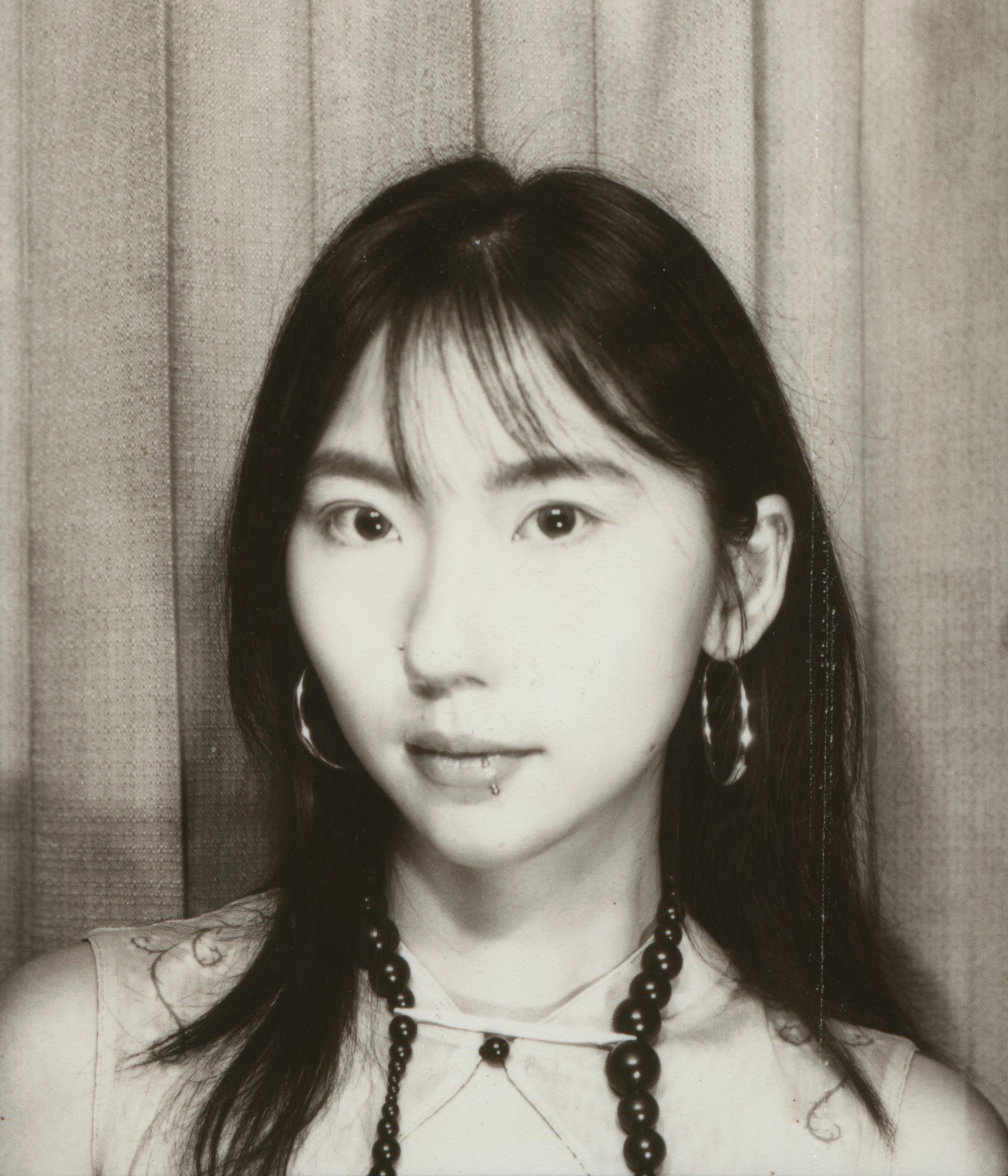
Haohao Huang is a Chinese photographic artist based in Savannah, Georgia. She holds an MFA in Photography from the Savannah College of Art and Design (SCAD). Her practice explores memory, identity, intimacy, and belonging, focusing on the tensions between familiarity and estrangement. Through staged photography, alternative photographic processes, and material experimentation, she examines how personal experiences are shaped by relationships, environments, and the passage of time. Huang was named a Top 200 Finalist for Photolucida Critical Mass 2026, shortlisted for the Women in Art Prize's Overseas Artist Prize (Photography) in 2026, and longlisted for the BBA One Shot Award in 2025. Her work has been exhibited at the Center for Photographic Art in California and the SPE Combined Caucus Exhibition in Atlanta.
What is your background and how did you start your journey in the art world?
“I’m originally from China, and I studied finance for both my undergraduate degree and my first master’s degree. My path into photography began in high school, when my dad, who has always loved mechanical things, bought a camera. I started playing around with it, and around the same time I met friends at school who shared the interest, so we often went out shooting together. Years later, I pursued an MFA in Photography at SCAD, which was the first time I studied photography systematically. It was there that I built my technical foundation and began to understand what kind of artist I wanted to be.”
What inspires you?
“Most of my inspiration comes from my own lived experience: my relationships, my memories, and the places I’ve lived. I’m especially inspired by the way memory shifts over time. An experience that once felt vivid can shrink to a single image or feeling, and sometimes a photograph makes me wonder whether I’m remembering the event itself or a version I’ve rebuilt. I’m also inspired by people in general. I find them endlessly diverse and complicated, and that complexity keeps drawing me back.”
What themes do you pursue? Is there an underlying message in your work?
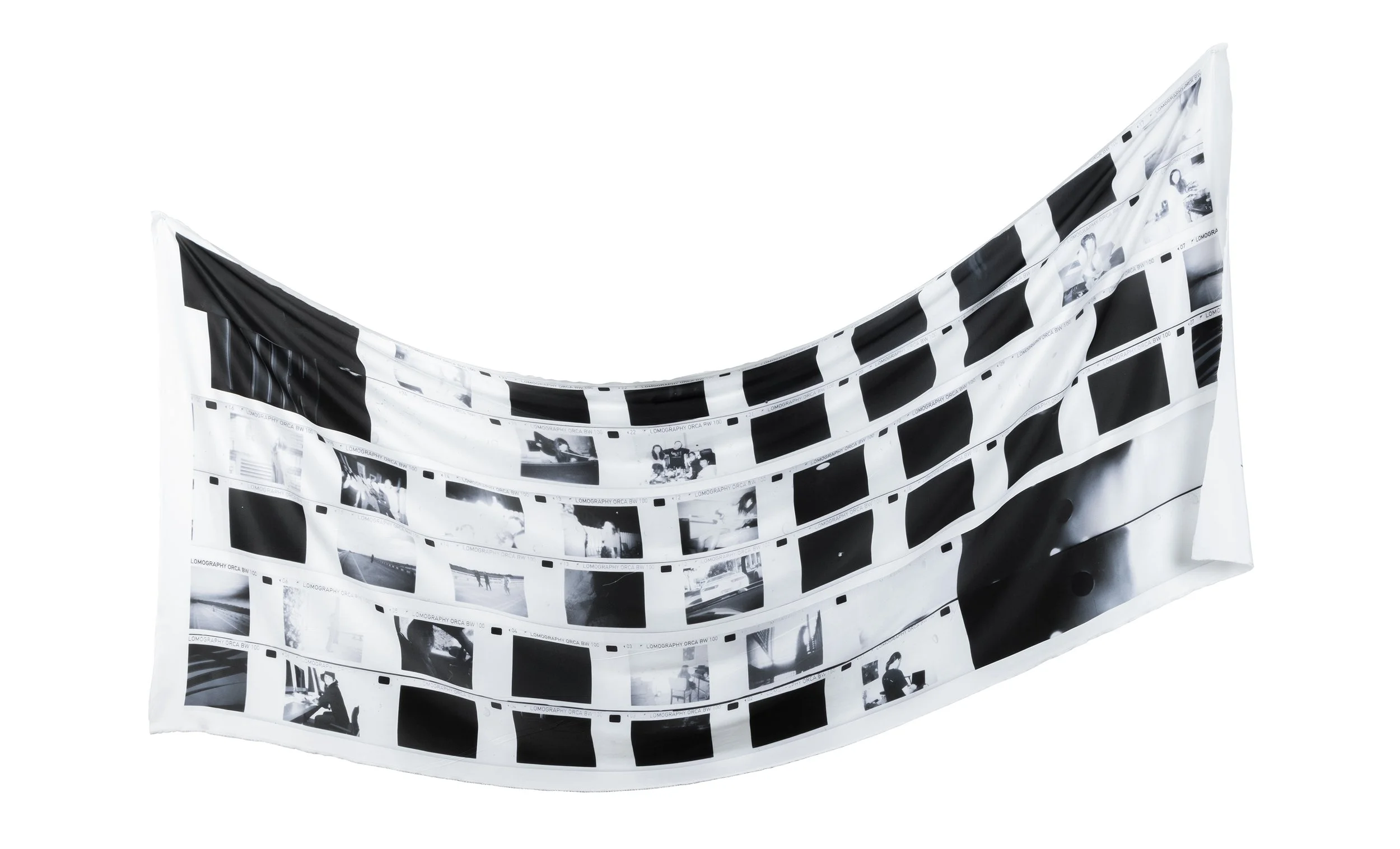
“My work explores themes of memory, intimacy, identity, and the passage of time. I'm particularly interested in how our memories of people and relationships change, and how those changes shape the way we understand ourselves and our past. I often think about photography as a form of translation. When we take a photograph, we're already translating a moment into an image, and when we look at that image years later, we're interpreting it through everything we've experienced since. Something is inevitably lost or transformed along the way. I don't necessarily want my work to communicate a single, fixed message. Instead, I hope it encourages viewers to reflect on their own memories and relationships, and perhaps question the idea that photographs can preserve a moment exactly as it was. To me, memory isn't something static. It's something we continuously reconstruct.”
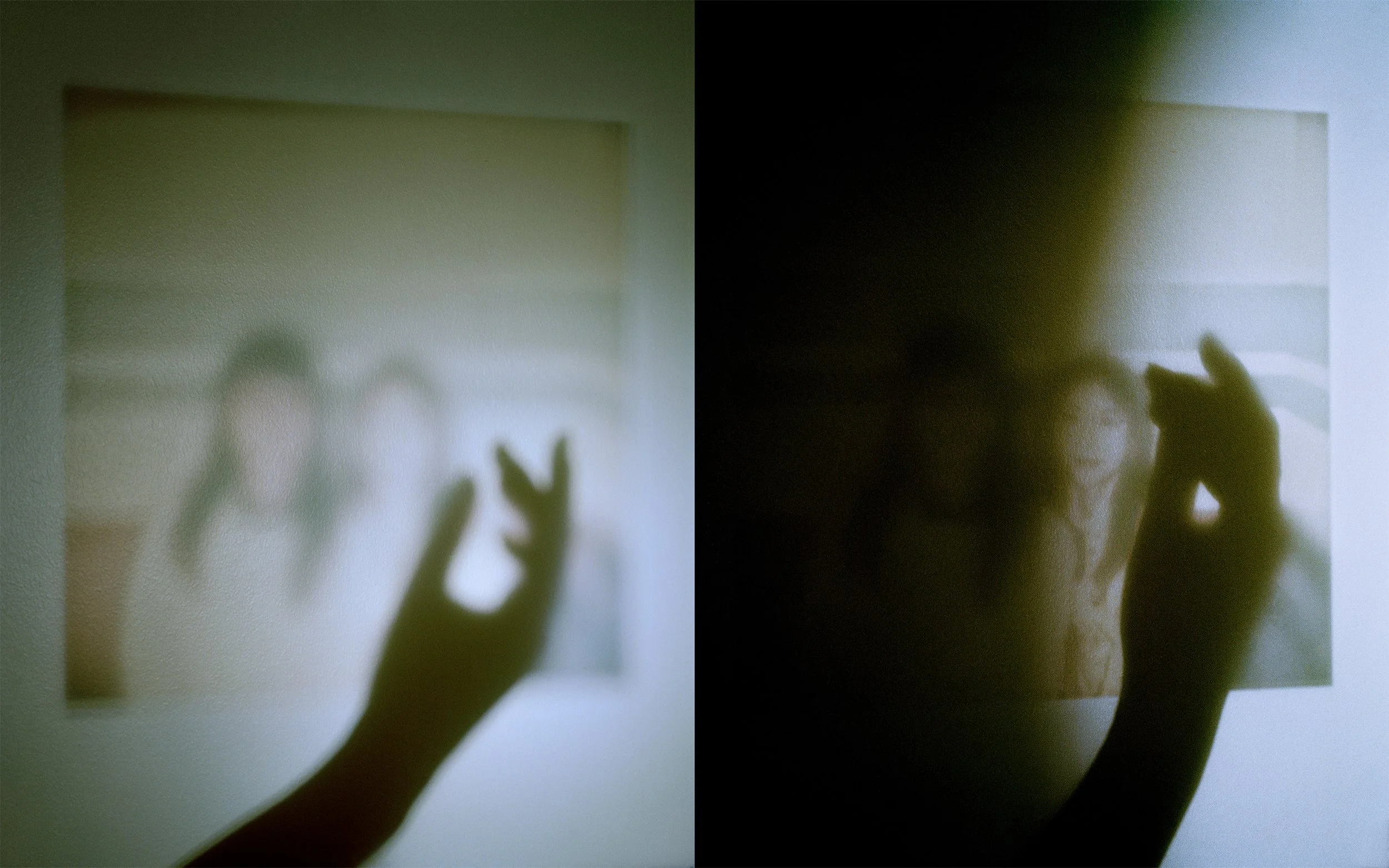
How would you describe your work?
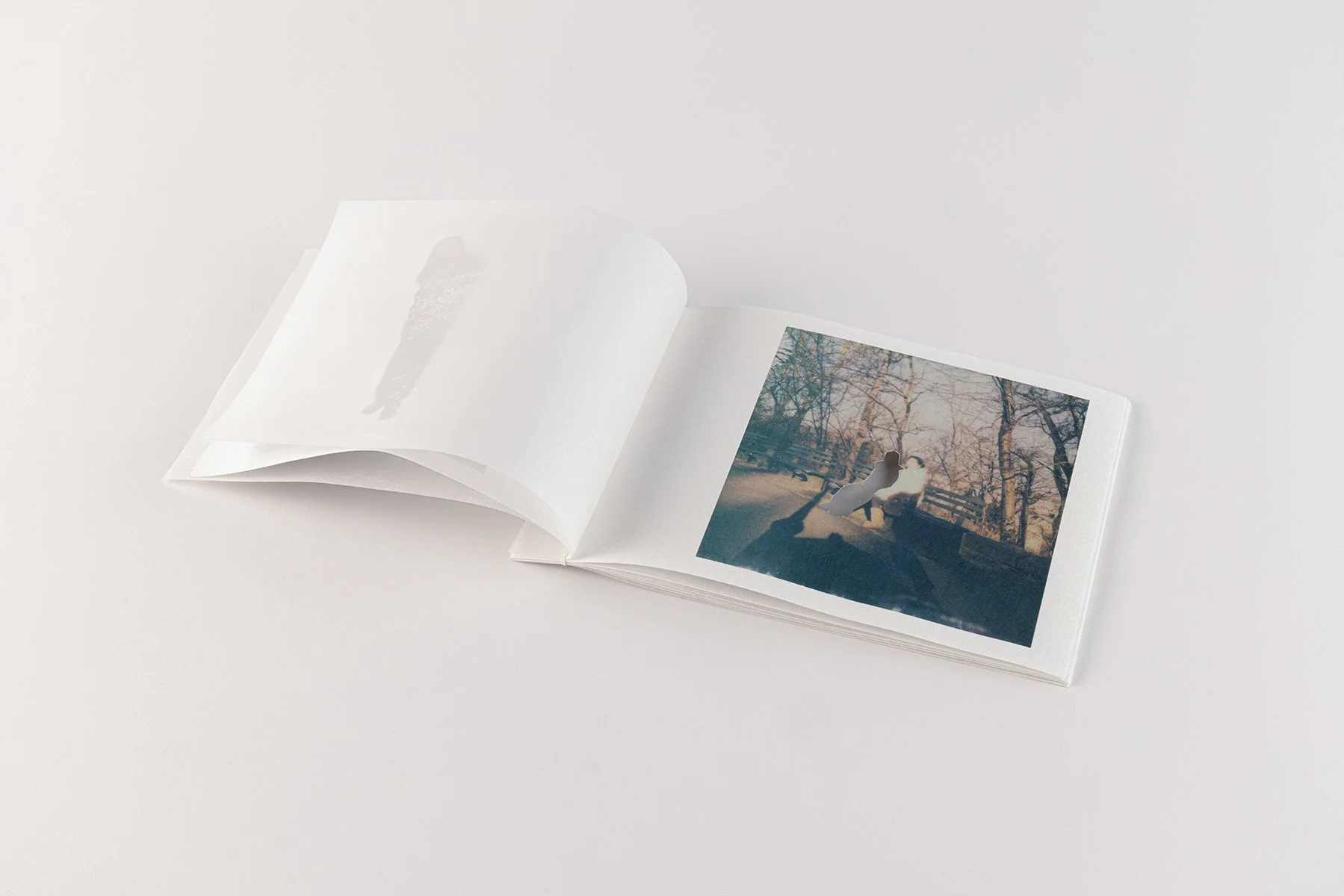
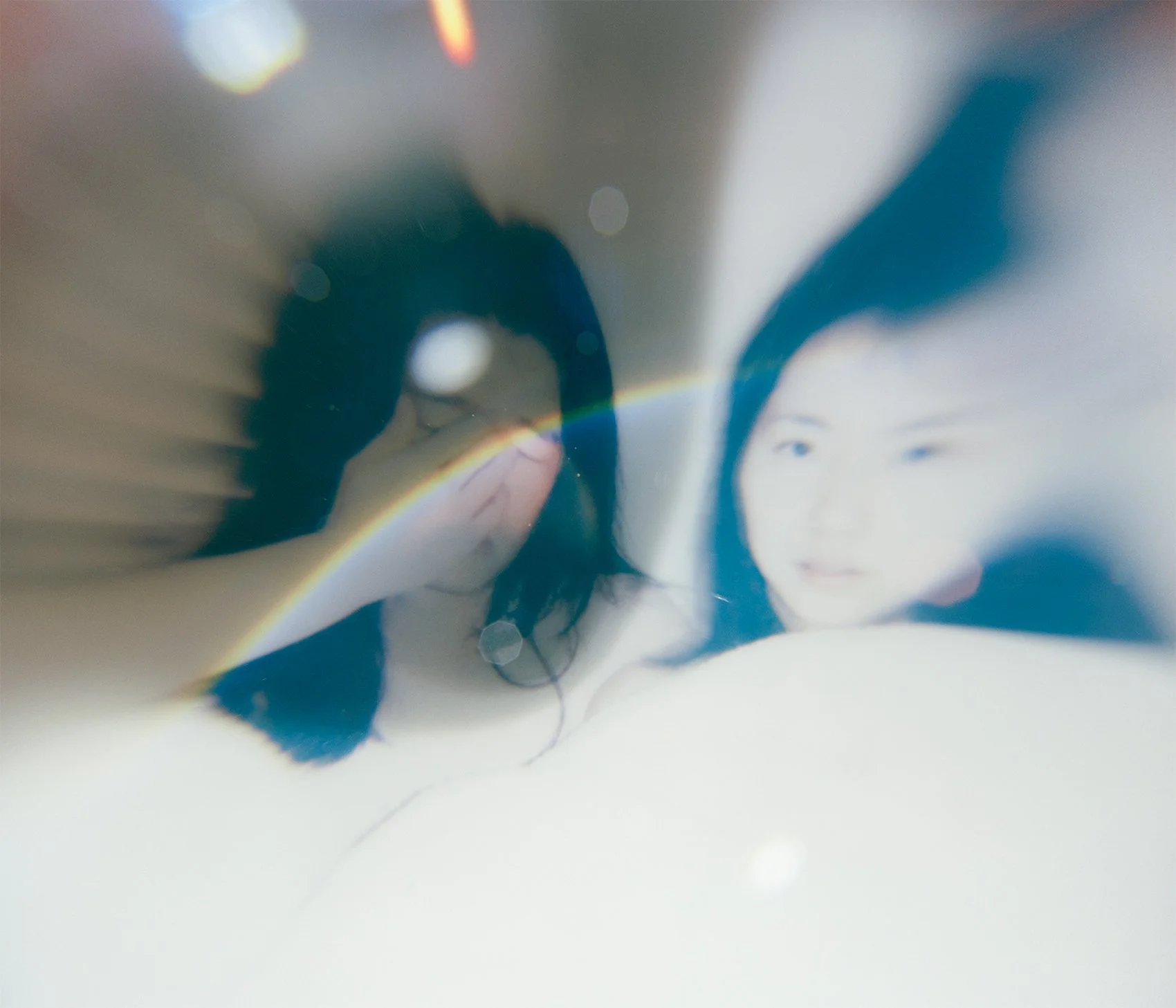
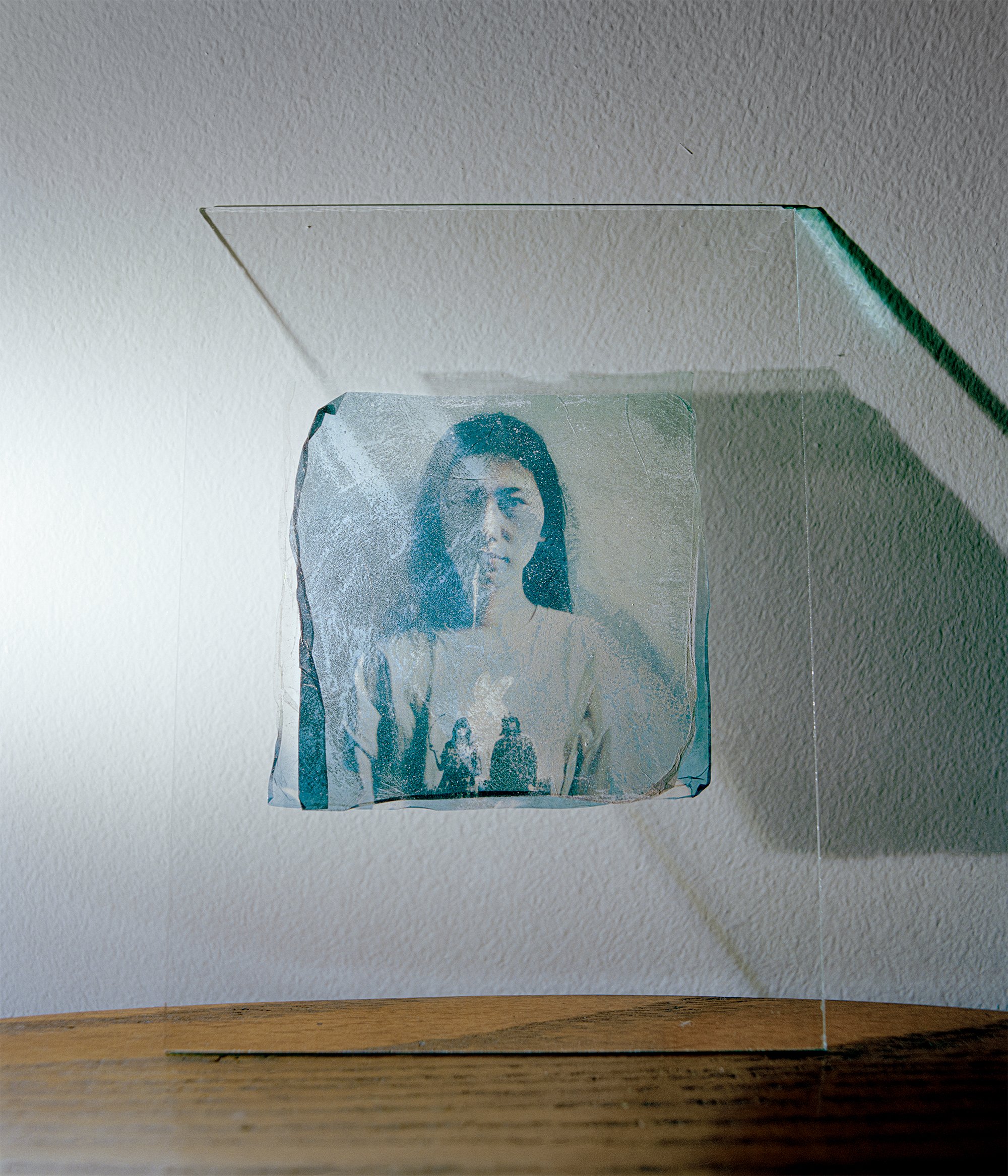
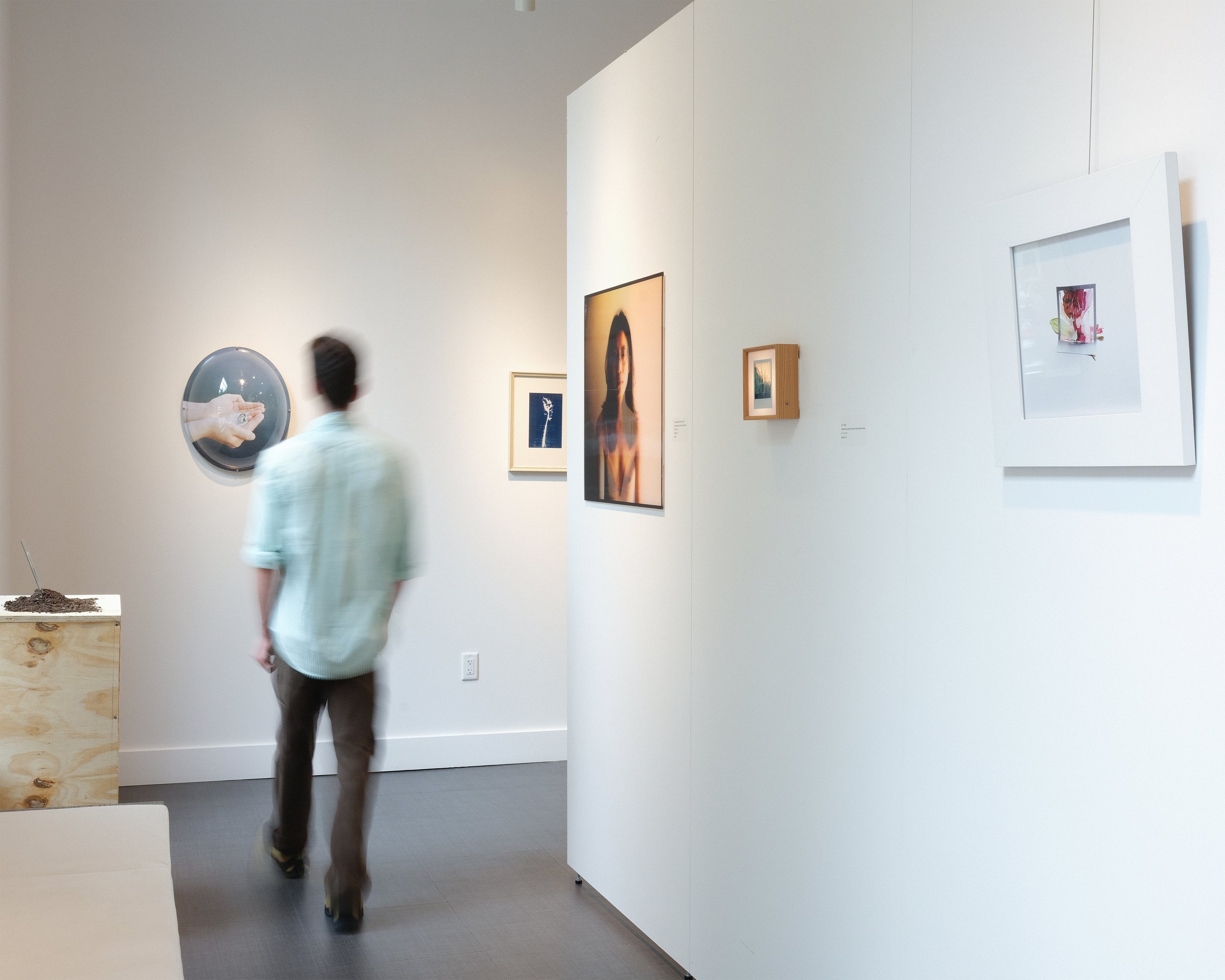
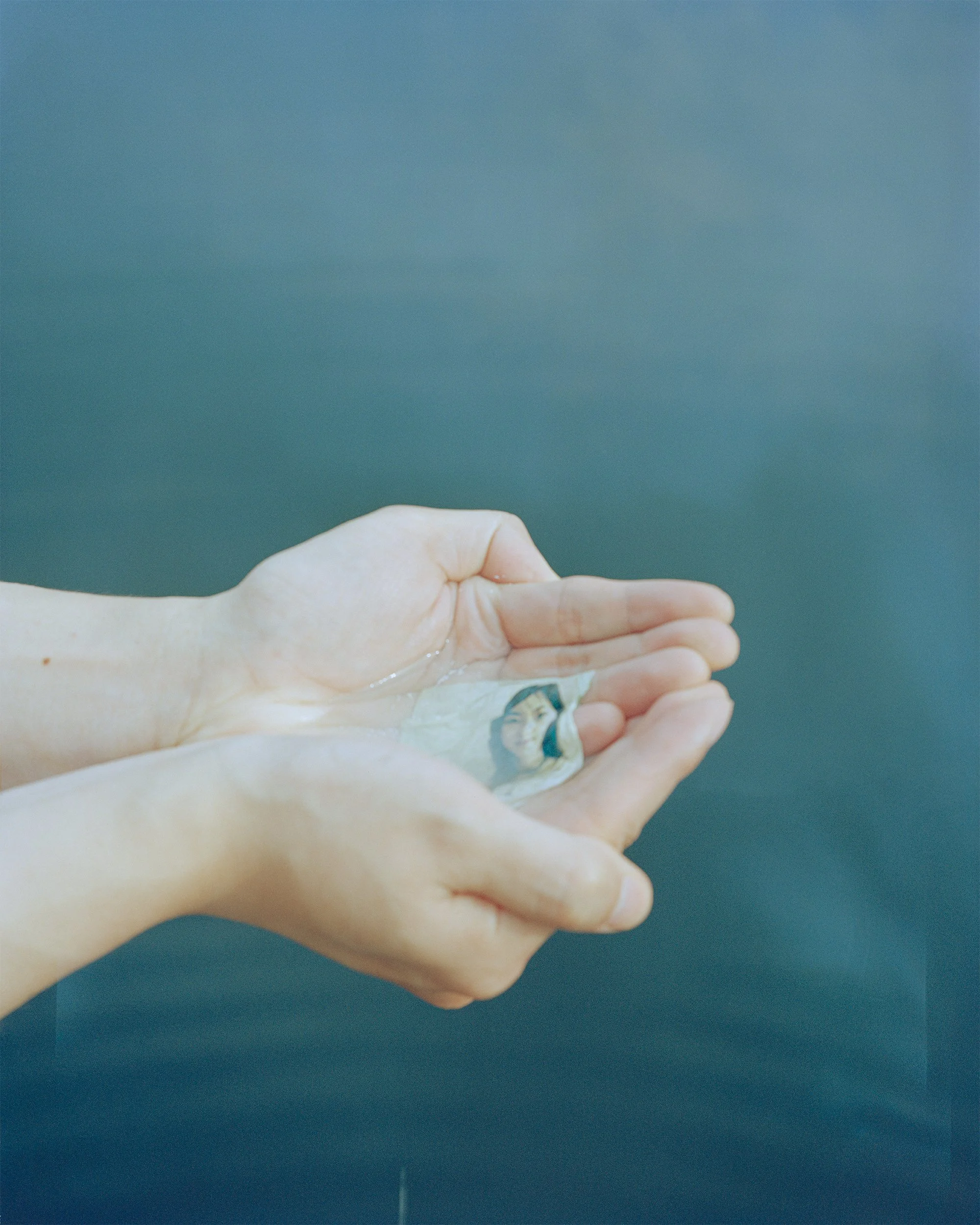
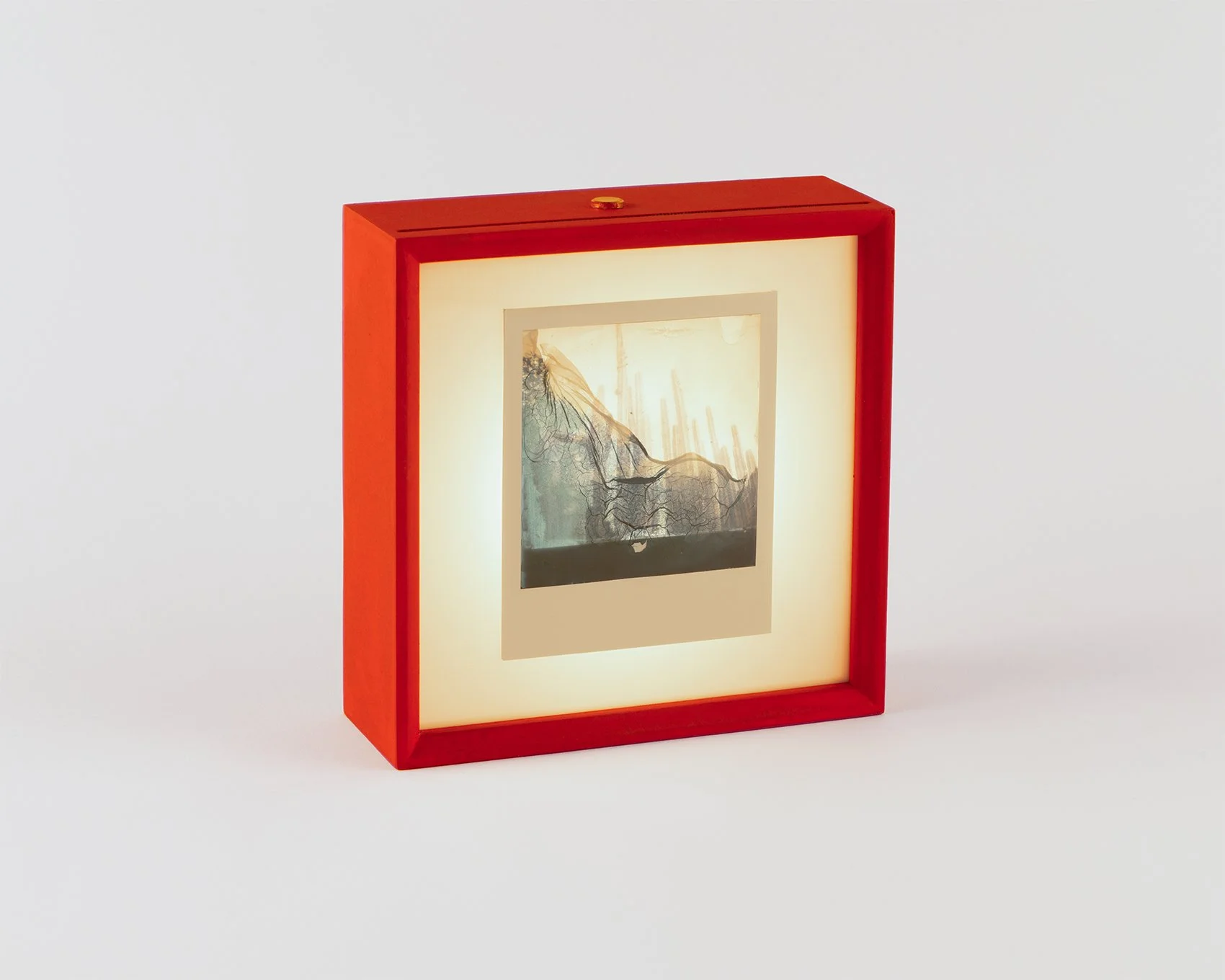
“My work is rooted in photography, but I approach the photograph as a physical object as much as an image. I’m interested in its materiality, how it can be manipulated, transformed, and used as raw material for something new. In Lost in Translation, my MFA thesis, I worked with Polaroids from a past relationship using emulsion lifts, layering, fragmentation, and re-photographing. Faces and details gradually dissolve, reflecting how my understanding of that person and that time continued to shift.”
Which artists influence you most?
“One of the artists who has influenced me most is Colombian artist Oscar Muñoz. I am particularly drawn to the way he explores memory, identity, and the fragile nature of images through experimental photographic processes. His work challenges the idea of photography as a permanent record, revealing how images, much like memories, can fade, disappear, and transform over time. I am especially inspired by his use of unconventional materials and the physical processes of image-making to express the instability of memory. His approach resonates deeply with my own practice, as I also explore the relationship between photography, memory, and impermanence. Rather than treating photographs as fixed representations of reality, I am interested in how images can reflect the shifting and subjective nature of human experience.”
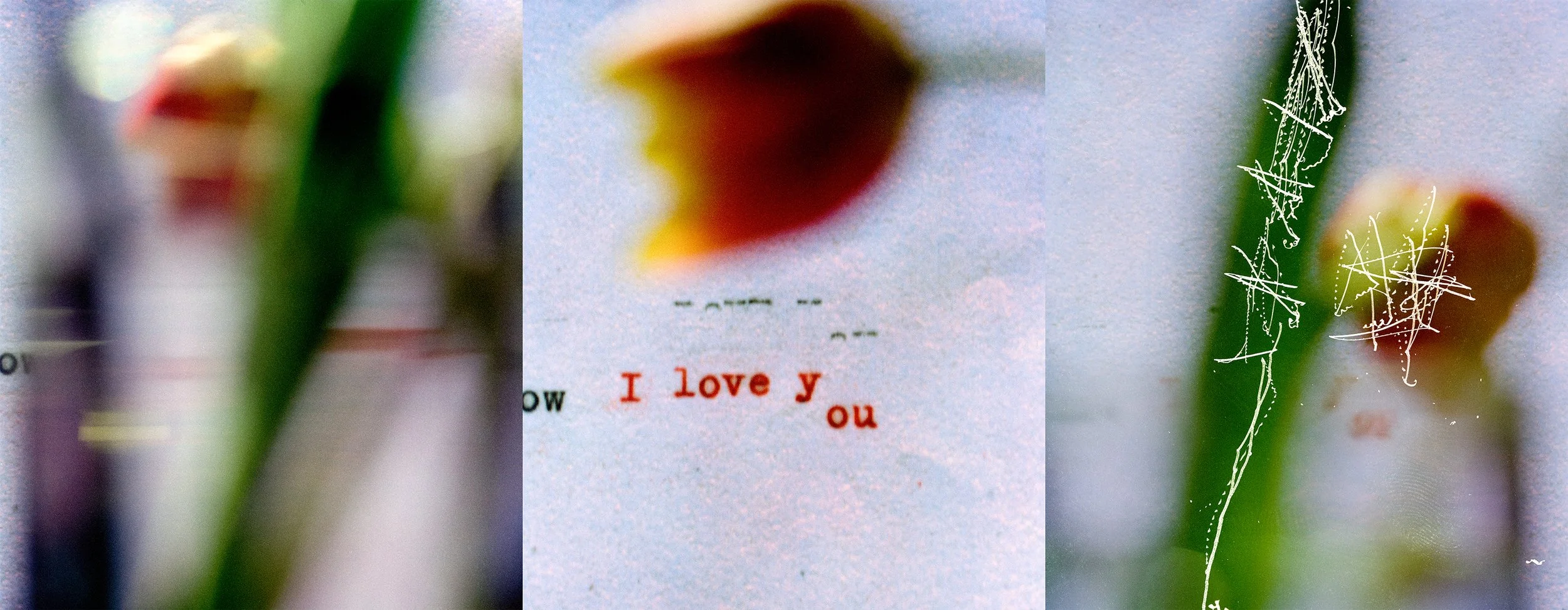
What is your creative process like?
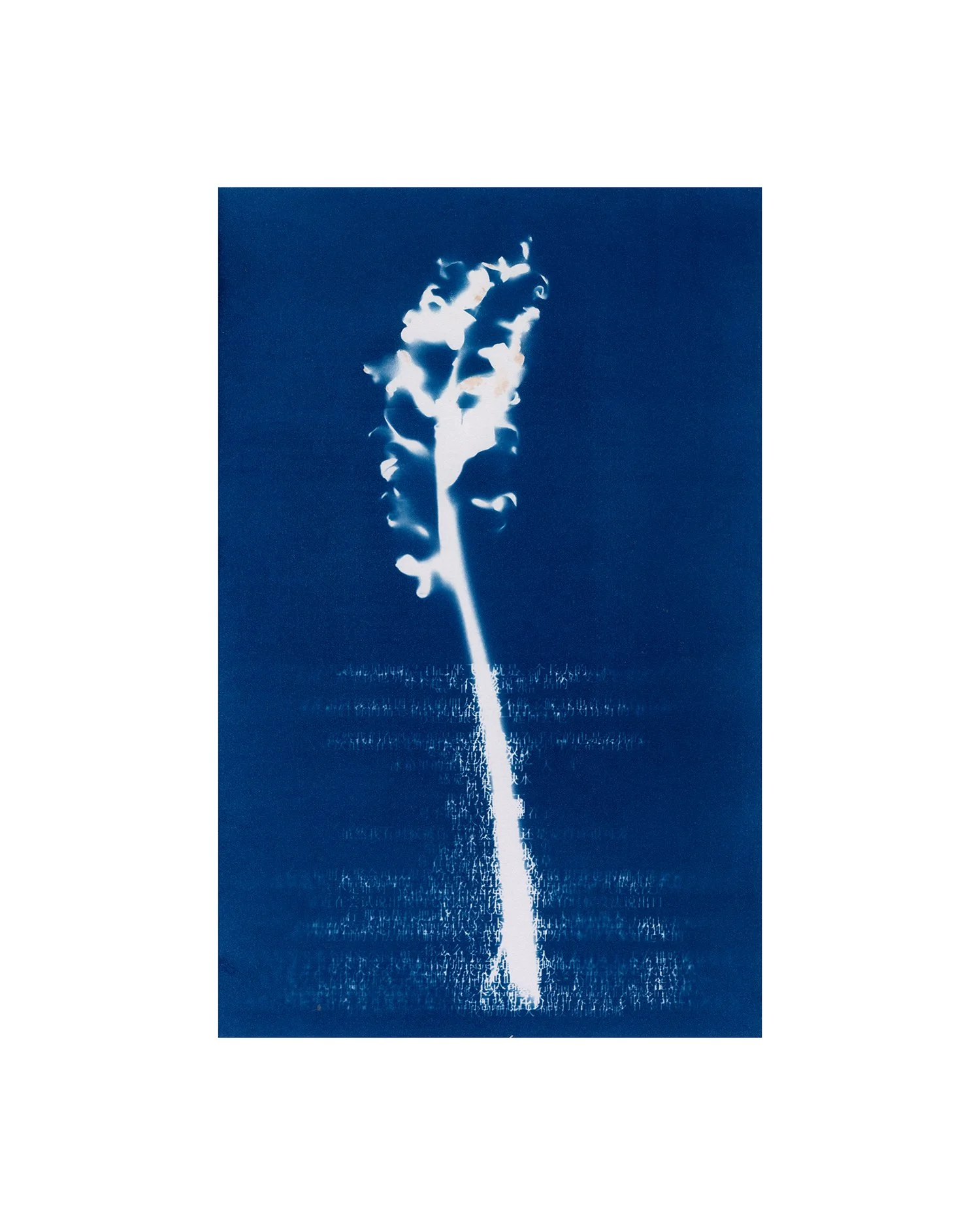
“My process is experimental rather than predetermined. I usually start with images directly connected to my own life, then discover the right method by interacting with the material. I choose a process when the visual changes it creates feel connected to what I’m experiencing. Emulsion lift is a good example: I first saw videos of other people doing it and was fascinated, so I began experimenting. Over time, the process itself became meaningful. The emulsion is an incredibly fragile layer, and handling it reminds me of how I approach intimacy, very carefully, almost afraid it might tear apart. By repeatedly working with and transforming the same images, I’m also observing how my own memories change.”
What is an artist’s role in society and how do you see that evolving?
“I believe the role of artists in society has continuously evolved throughout history. In a contemporary context, some artists share beauty, some share personal experiences. Ultimately, I think artists offer different ways of seeing. These perspectives may resonate with viewers, or introduce them to unfamiliar experiences and encourage them to think in new ways. I believe this fundamental role will continue into the future. As AI becomes increasingly integrated into our lives, I think people will place greater value on art that comes from genuine human experiences and is created by human hands.”

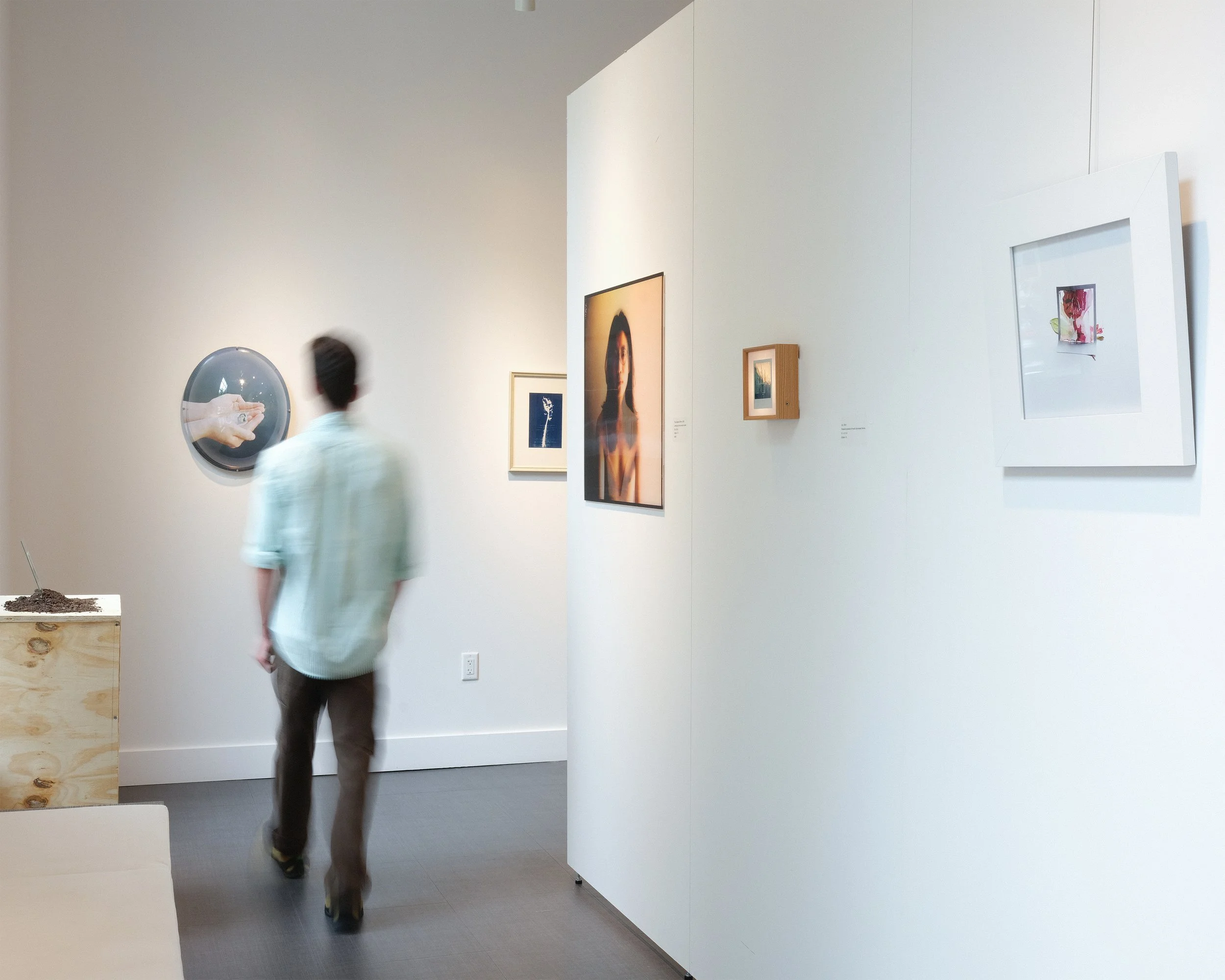
Have you had any noteworthy exhibitions you'd like to share?
“When I visited the Towada Art Center in Japan, I encountered a work by Chiharu Shiota, Memory of Water. It was the first time I had seen her work in person, and I was deeply moved. Shiota's practice explores life, death, and relationships, and red thread has become her signature artistic language. She uses it to create large-scale installations and immersive spaces. Standing in that space, I felt as though the dense web of red threads was like veins hidden beneath the skin, and I could sense the presence of life itself. Shiota has also described red thread as a symbol of the connections between people, which resonated with me deeply. In Chinese culture, the red string likewise represents bonds and protection. So if there is ever a Chiharu Shiota exhibition near you, I truly hope you won't miss it.”
Website: haohaohuang.net
Instagram: @haohao_huang_