Interview
Grigorii Kniagnitskii
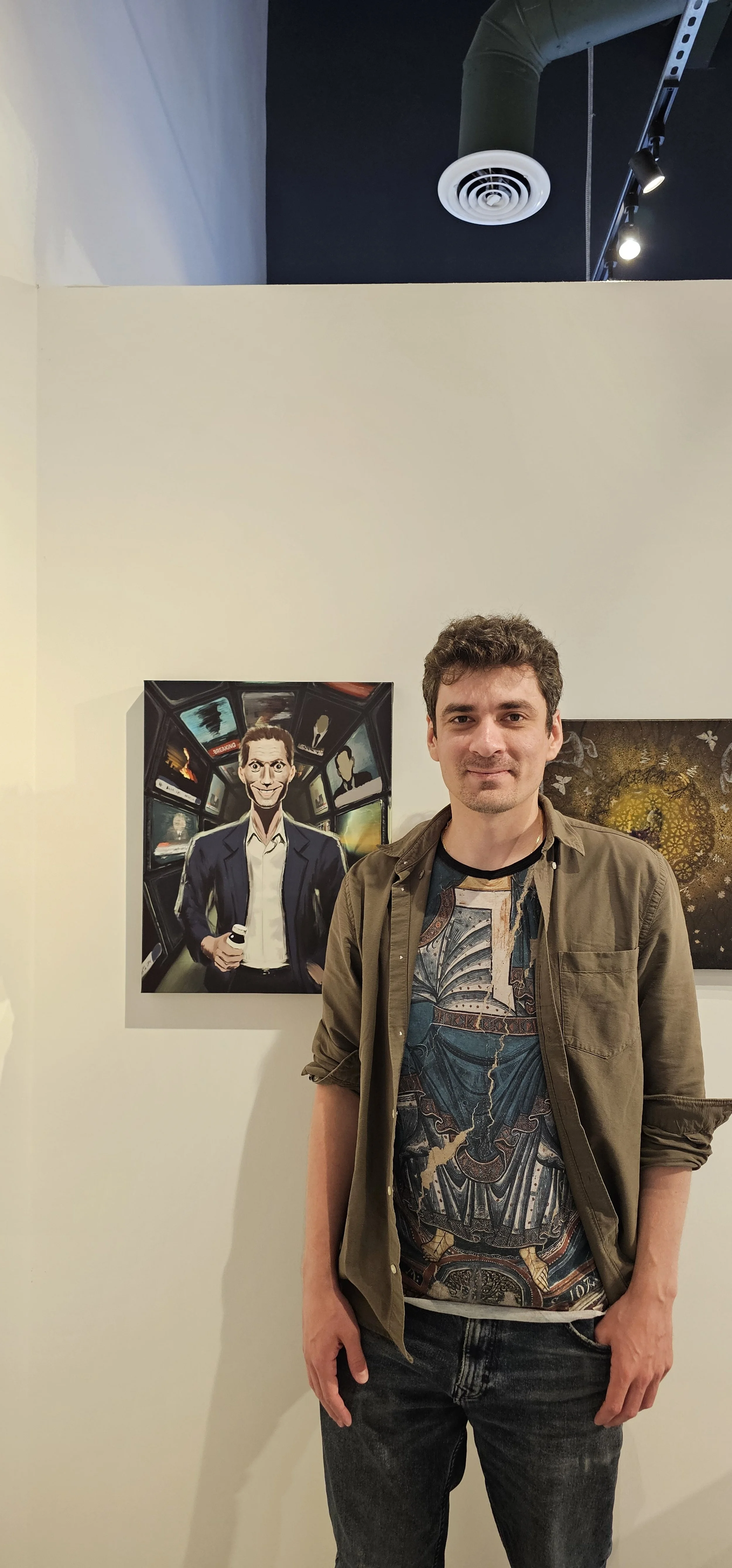
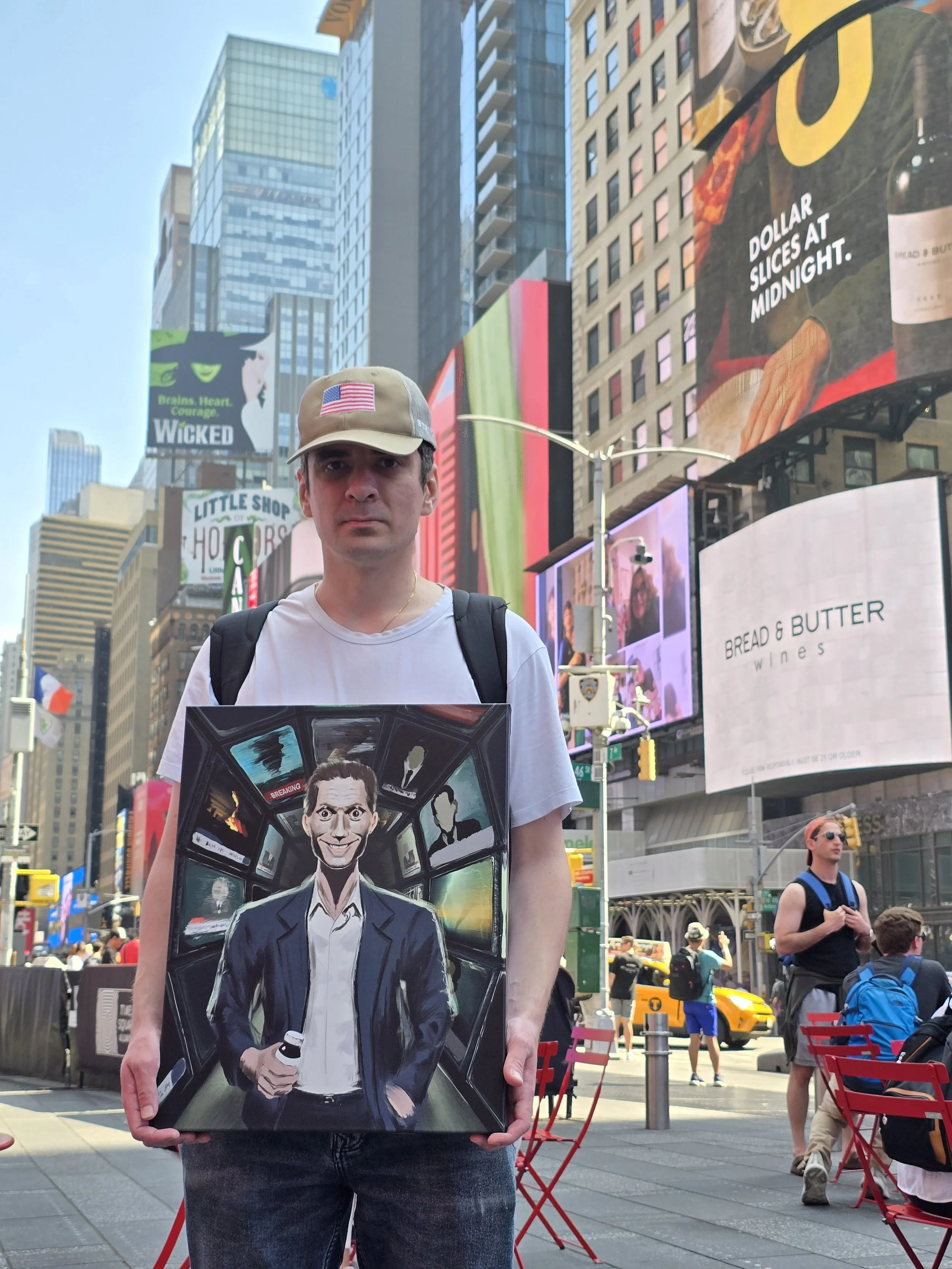
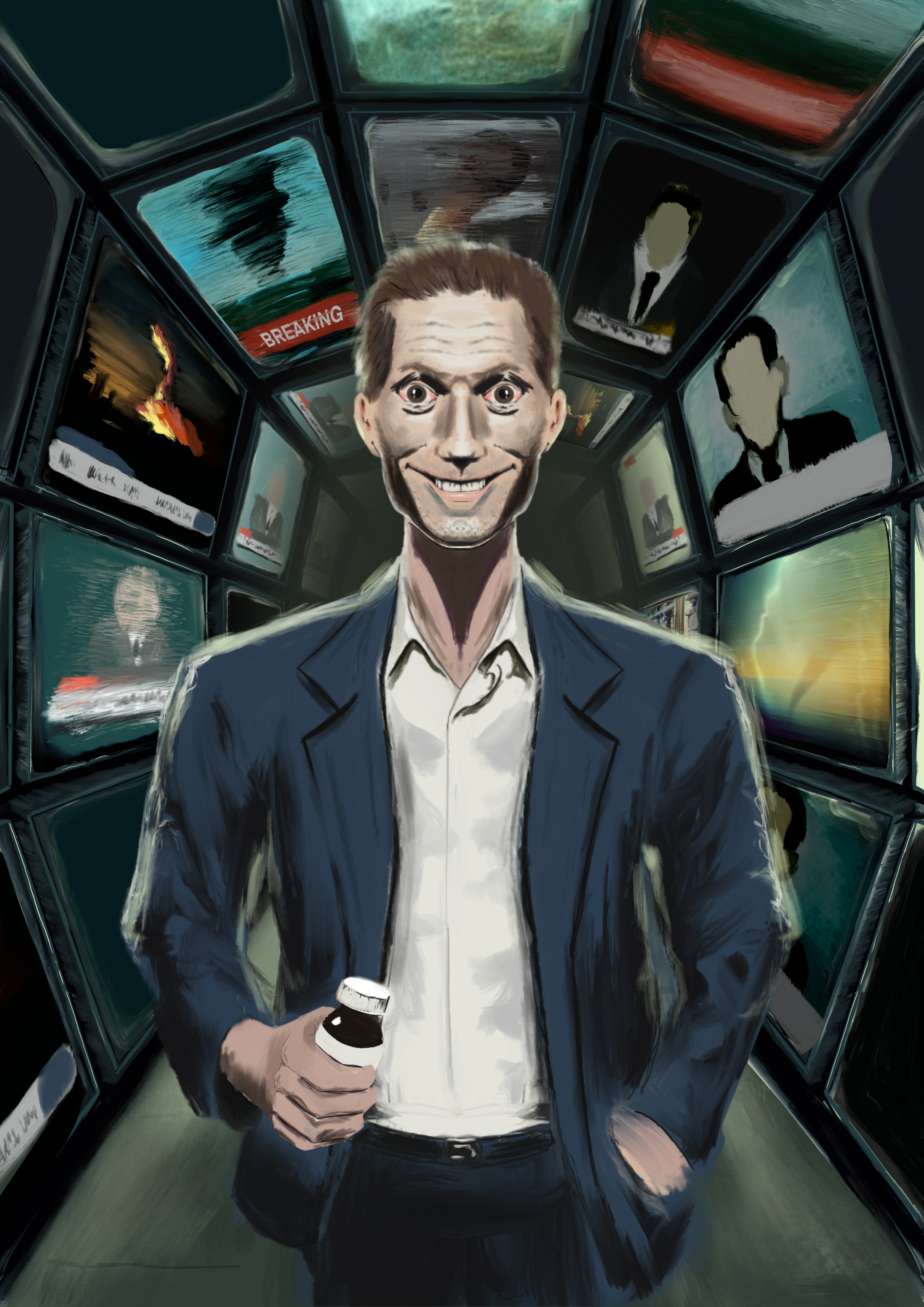
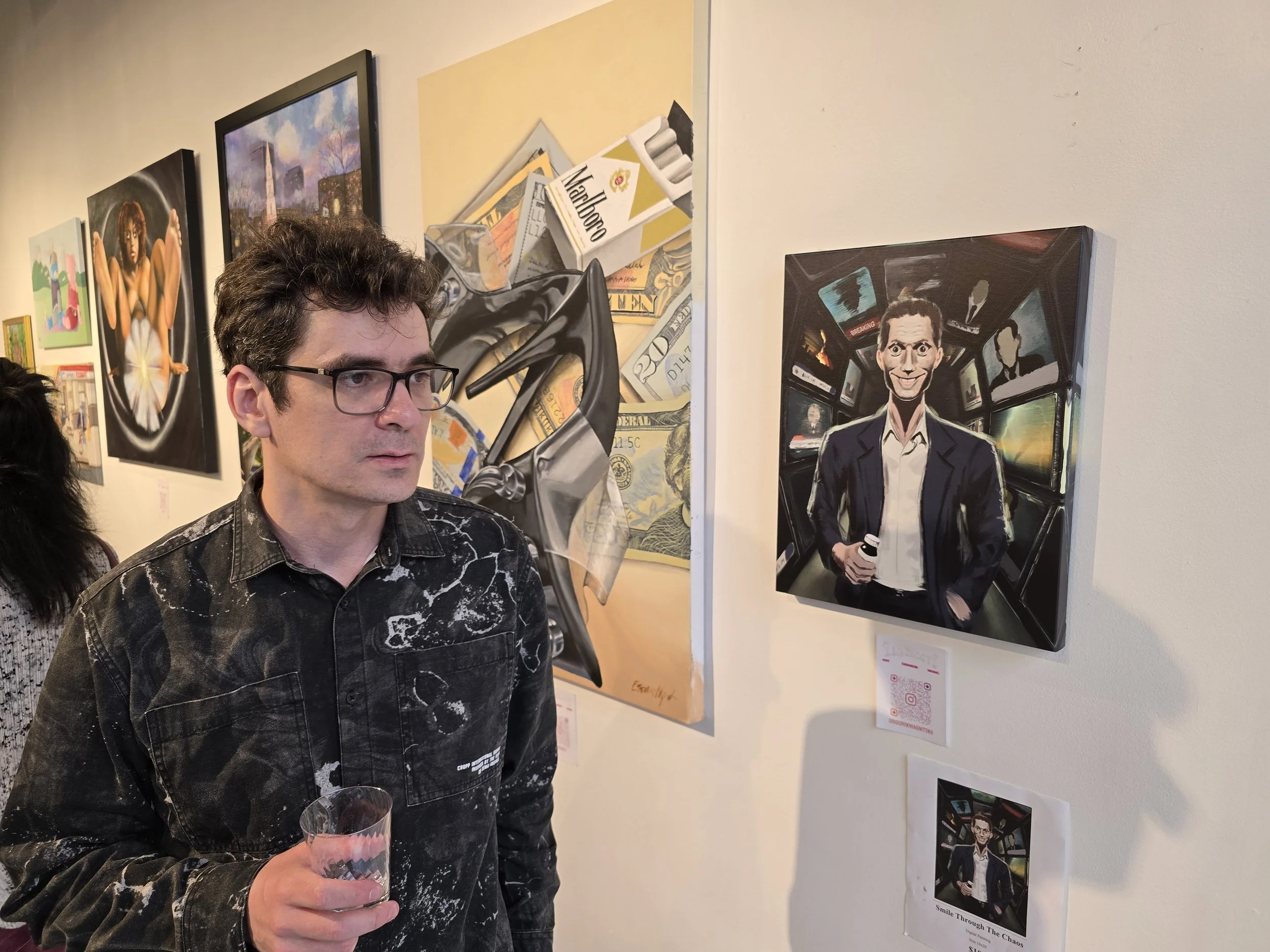
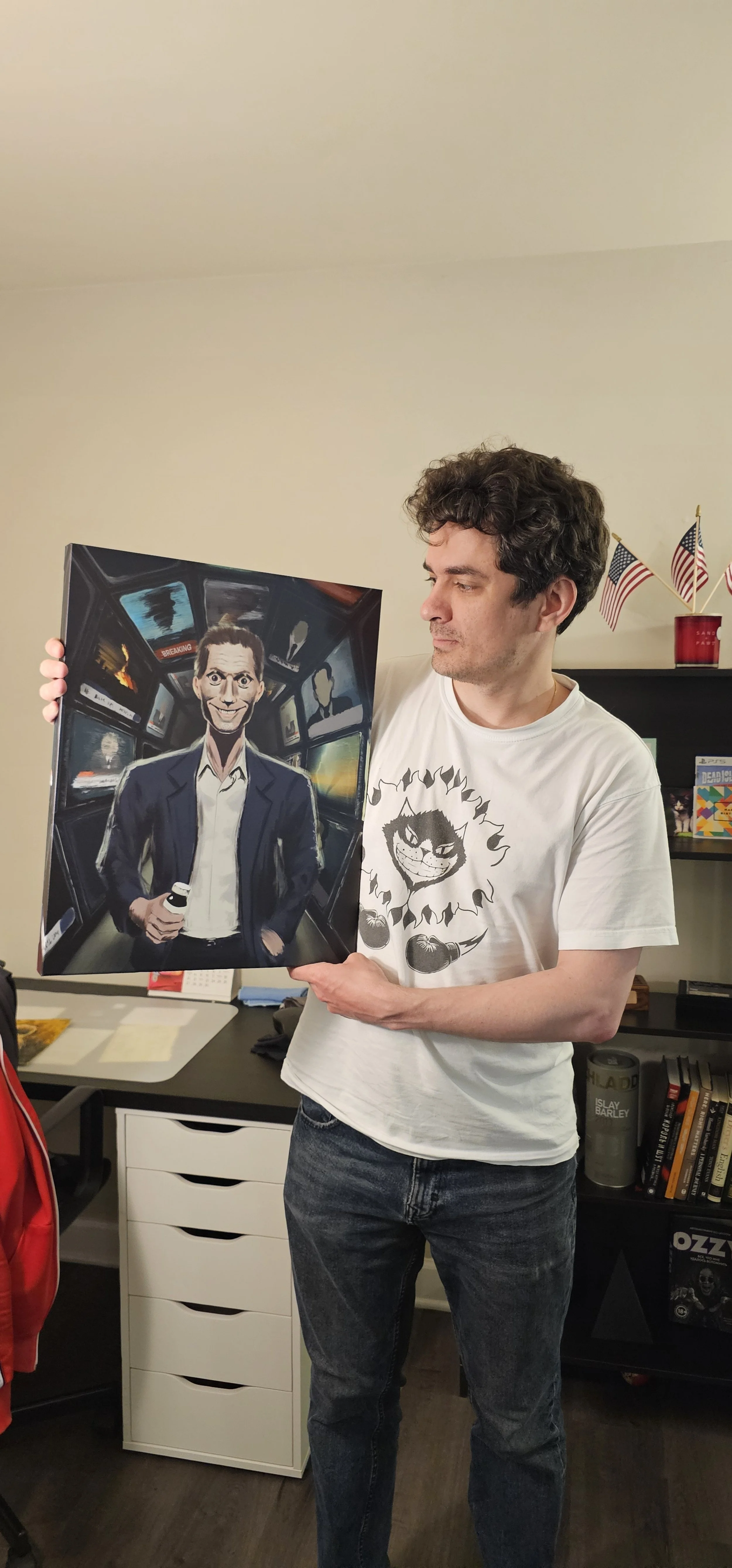
Grigorii Kniagnitskii is a talented multidisciplinary artist who explores the intersection of motion design, illustration, and traditional art. With a versatile creative practice, Grigorii has established a reputation for producing compelling visuals that resonate across both digital and physical spaces. His most recognized work, Smile Through the Chaos, has become a cornerstone of his international portfolio. The piece has been showcased in galleries across Virginia, New York, and Atlanta, featured on screens in Times Square, and selected for exhibition in Los Angeles. It has also reached global audiences via digital screens in Athens, Greece, and the virtual exhibition LunaGrandeArt in Turkey. This international presence is mirrored by his competitive success; Grigorii is a two-time winner of the international motion-design contest “AEBattle,” and his design acumen has earned him third place in a premier logo design contest as well as a finalist spot in a beer label design competition that drew over 200 entries. To date, Grigorii has participated in more than a dozen exhibitions featuring his paintings and videos, showcasing a consistent dedication to his craft and a unique ability to convey his ideas through various mediums. His background in motion design allows him to bring a rhythmic, cinematic quality to his illustrations, while his artistic eye ensures every frame is a balanced composition.
What is your background and how did you start your journey in the art world?
“I am an artist and illustrator, but first and foremost, I am a motion designer. It is a bit ironic; most people transition from static art and illustration toward animation, going from the still image to movement. In my case, it was the exact opposite. I have always loved animation, which is how I first began learning motion design. However, while my technical motion skills were constantly growing, I felt my design and illustration fundamentals were lagging behind. To level up my artistry, I decided to study with a tutor. She was a wonderful artist, and I was deeply inspired by her oil paintings. I wanted to try the medium myself, but I lacked the catalyst to start—until recently. I was looking for an outlet for my personal feelings and had a specific image in my head. When I saw the Corgi Clay Art Center’s open call for their ‘MindScapes’ exhibition, I thought, ‘That’s it.’ This was my opportunity not just to express myself, but to try something I had never done. While I had won motion design contests and worked on large-scale projects seen by many, I had never submitted a painting for public judgment. It was a challenge. It took me a week to finish the painting and submit it, and I was incredibly excited when I received the email saying it had been selected. It proved to me that anything is possible.”
What does your work aim to say? Does it comment on any current social or political issues?
“Naturally, my paintings tend to lean toward the illustrative side of art. I use my work to reflect my inner thoughts on human experience and society. For example, my first painting, Smile Through the Chaos, was heavily influenced by the modern environment we live in today. The constant flow of negative news from TV, streaming platforms, and social media puts us under enormous pressure, creating a breeding ground for anxiety and depression. Not everyone can navigate this without help. Many people, myself included, feel forced to rely on external methods to cope with this mounting stress. Research shows that antidepressant sales are rising globally year after year; we have become accustomed to depending on outside tools just to maintain our sanity. While these tools are sometimes necessary, I believe this dependency can be unhealthy. Through this painting, I wanted to capture how ‘uncanny’ this artificial happiness truly is—and how fragile that state of mind can be.”
Do you plan your work in advance, or is it improvisation?
“I find that being too rigid in the planning phase can stifle the energy of a work. Instead, I use my initial outline as a roadmap, allowing myself to deviate based on what the painting needs in the moment. This often involves a significant amount of trial and error; many of the most important elements only surface after several repetitive attempts and layers of refinement. This iterative approach ensures that the final result is technically sound but still retains a sense of emotional spontaneity.”
Are there any art world trends are you following?
“To be honest, I don’t follow trends just for the sake of following them. Whenever I’ve tried in the past, the work might have looked fine on the surface, but it always lacked soul and substance. I have noticed that when my work comes genuinely from the heart, it often achieves much greater success. For example, Smile Through the Chaos was my first-ever painting; despite that, it has been showcased in multiple live and online exhibitions worldwide and truly opened the doors of the art world for me. Of course, the downside of not chasing trends is that you might miss out on instant "viral" fame, but it allows me to keep my mind steady and avoid the burnout I’ve experienced in the past. For me, staying true to my vision is more sustainable than following a fleeting trend.”
What process, materials and techniques do you use to create your artwork?
“Although I am proficient with drawing and alcohol markers, I am a digital artist at my core. Regardless of the medium—be it painting, design, or animation—my primary tool is my iPad and the Procreate app. This setup provides the flexibility I need to seamlessly switch between and blend various artistic styles. Digital art allows me to experiment with textures and techniques that would be difficult to combine physically; I can mix digital oil and acrylic brushes and layer ink on top without worrying about drying times or material compatibility. However, I have a deep respect for traditional art. In the physical world, every brushstroke is permanent, which requires a more deliberate and thoughtful approach to every movement. One of my long-term goals is to bridge this gap by creating a traditional physical painting for a future exhibition.”
What does your art mean to you?
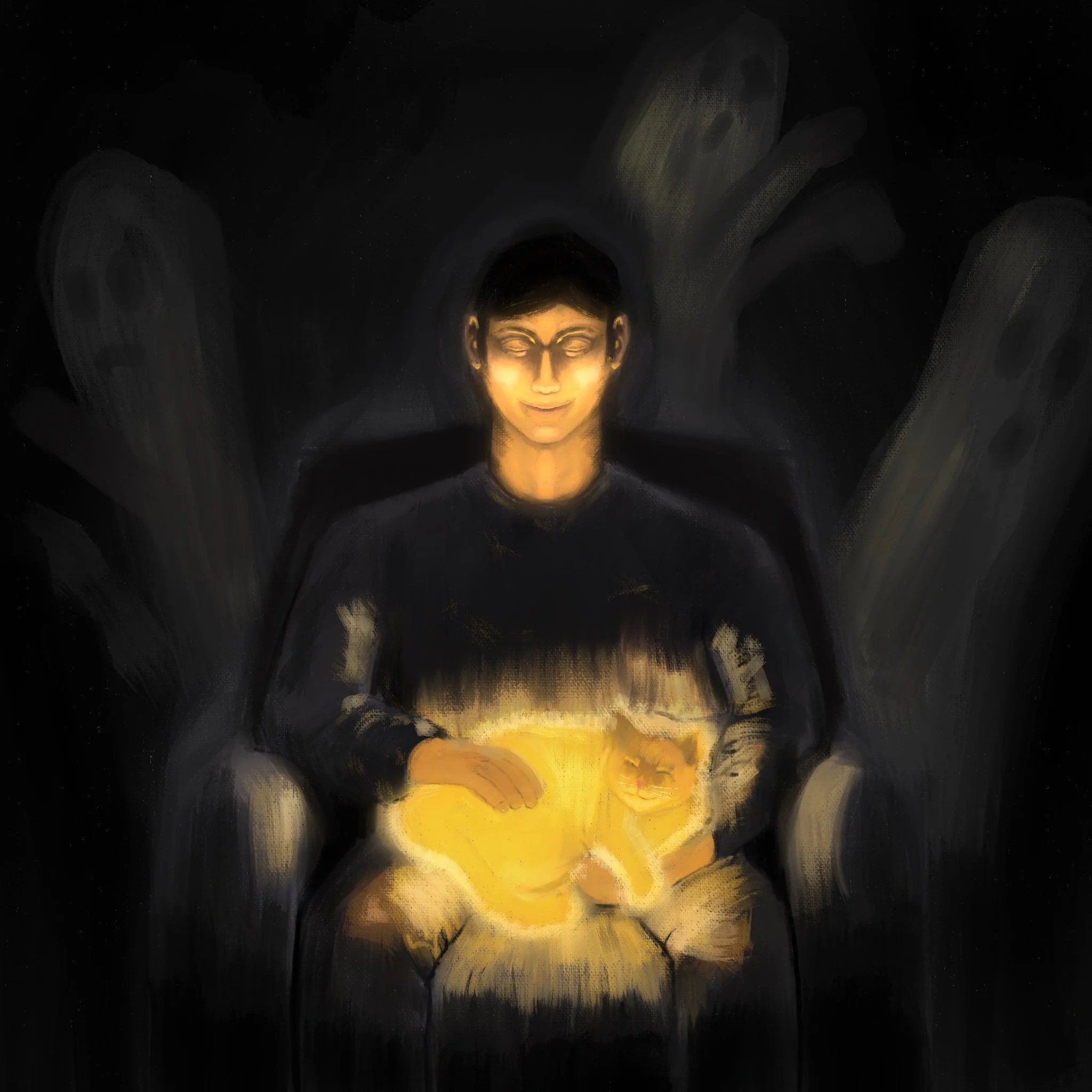
“For me, art is a vital means of communication and self-expression, regardless of the medium—whether it is a static illustration or a complex animation. By creating and sharing my work with the world, I am essentially opening a door to my inner life and offering a window into my most sincere thoughts and ideas. It allows me to convey perspectives that words often cannot, creating a direct connection between my personal experiences and the viewer. To me, the value of art lies in this vulnerability; it is a way to be truly seen and understood by a global audience.”
What’s your favourite artwork and why?
“That is a difficult question because my taste in art evolves alongside my own growth and experience. When I first visited the State Tretyakov Gallery in Moscow as a student, the most impactful piece for me was The Apotheosis of War by Vasily Vereshchagin. The stark darkness and grim imagery of that painting left a lasting impression on my young mind. While I now appreciate it more for its profound message than its initial shock value, I wouldn’t necessarily call it my ‘favorite’ today. Instead, I find myself drawn to several contemporary artists for different reasons. I deeply admire Karl Kopinski for his incredible technical skill with oil and ink. I am also a huge fan of the late Kim Jung Gi; his mastery of forced perspective and spontaneous ink-work is so mind-blowing that it demands repeated viewing to fully comprehend. Finally, there is Thomas Romain, whose anime-inspired watercolor art is so masterful it feels nostalgic. His work transports me back to my childhood, reminding me of how a single illustration in a science fiction book could open the door to an entire world and tell a thousand stories.”
Have you had any noteworthy exhibitions you'd like to share?
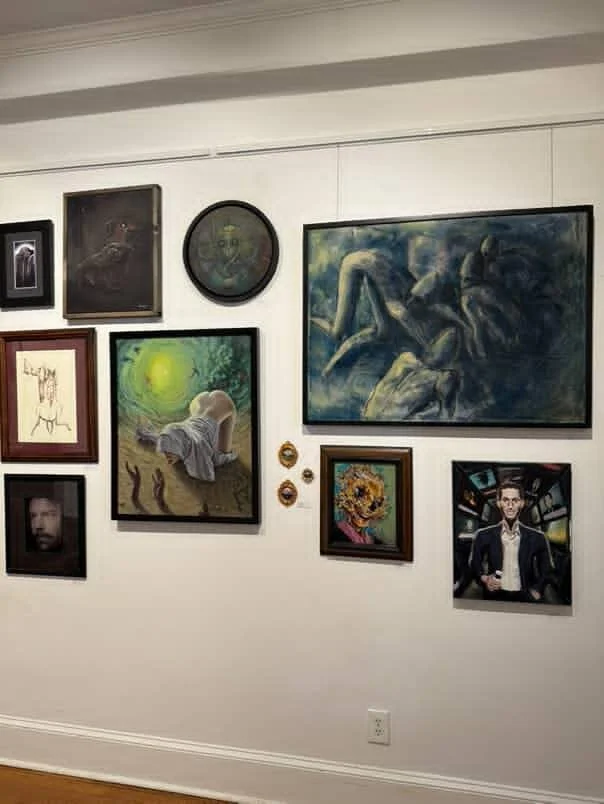
“Since I started painting just in 2025, this list is small, but for me these exhibitions became valuable experience and wonderful memories. Corgy Clay Art Center, ‘Mindscapes: Exploring the Art of Mental Health,’ Stafford, VA, USA ArtGroove gallery, Chelsea, New York, USA; Gallery Chimera, ‘Dark art,’ Atlanta, Georgia, USA; ‘The great bee exhibition,’ Warsaw, Poland Virtual exhibition; LunaGrandeArt, Turkey Virtual exhibition Nook Art Creative, Athens, Greece.”
Website: grigoriikniagnitskii.com
Instagram: @grigoriikniagnitski