Interview
Frank Myles
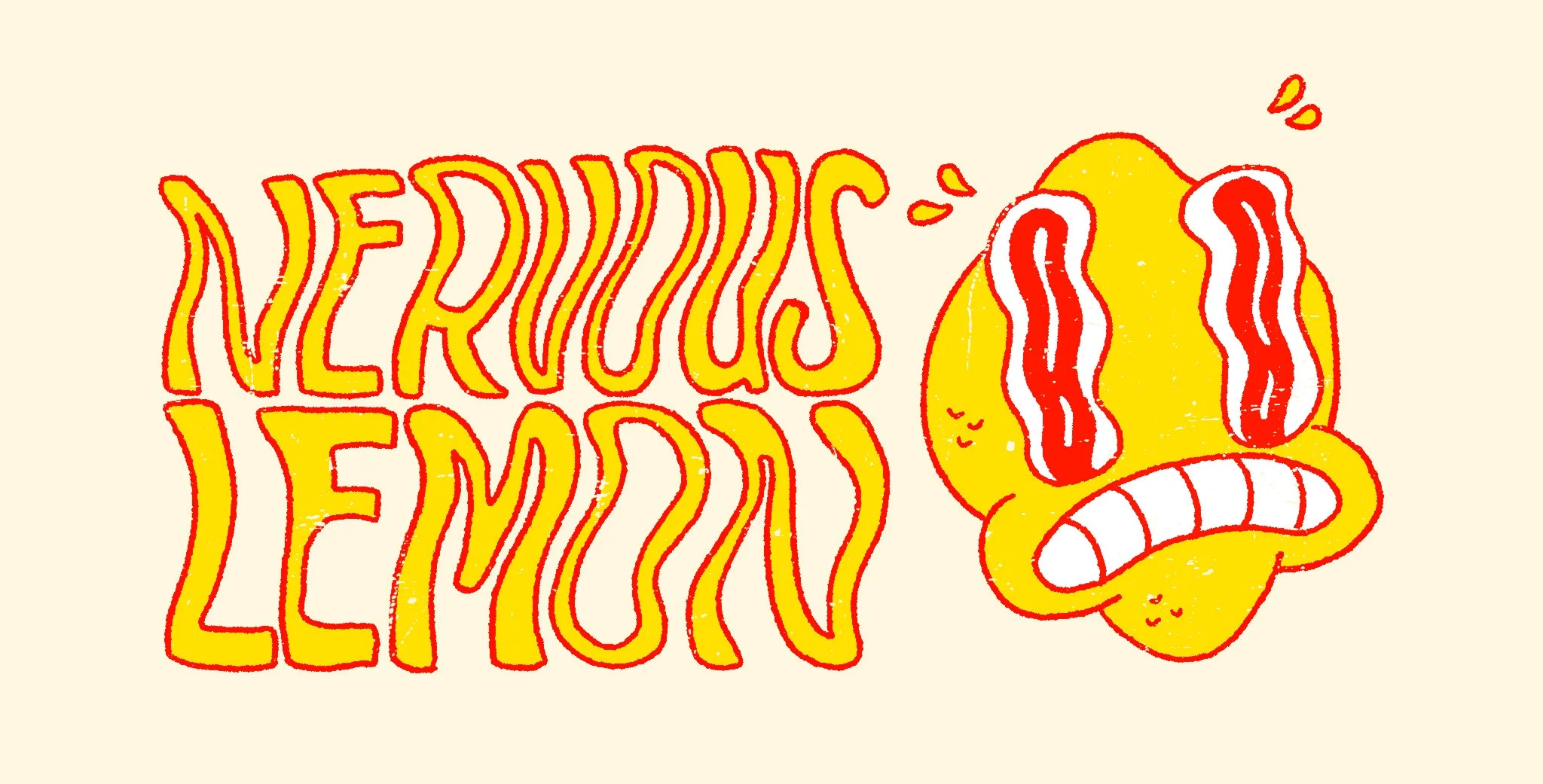
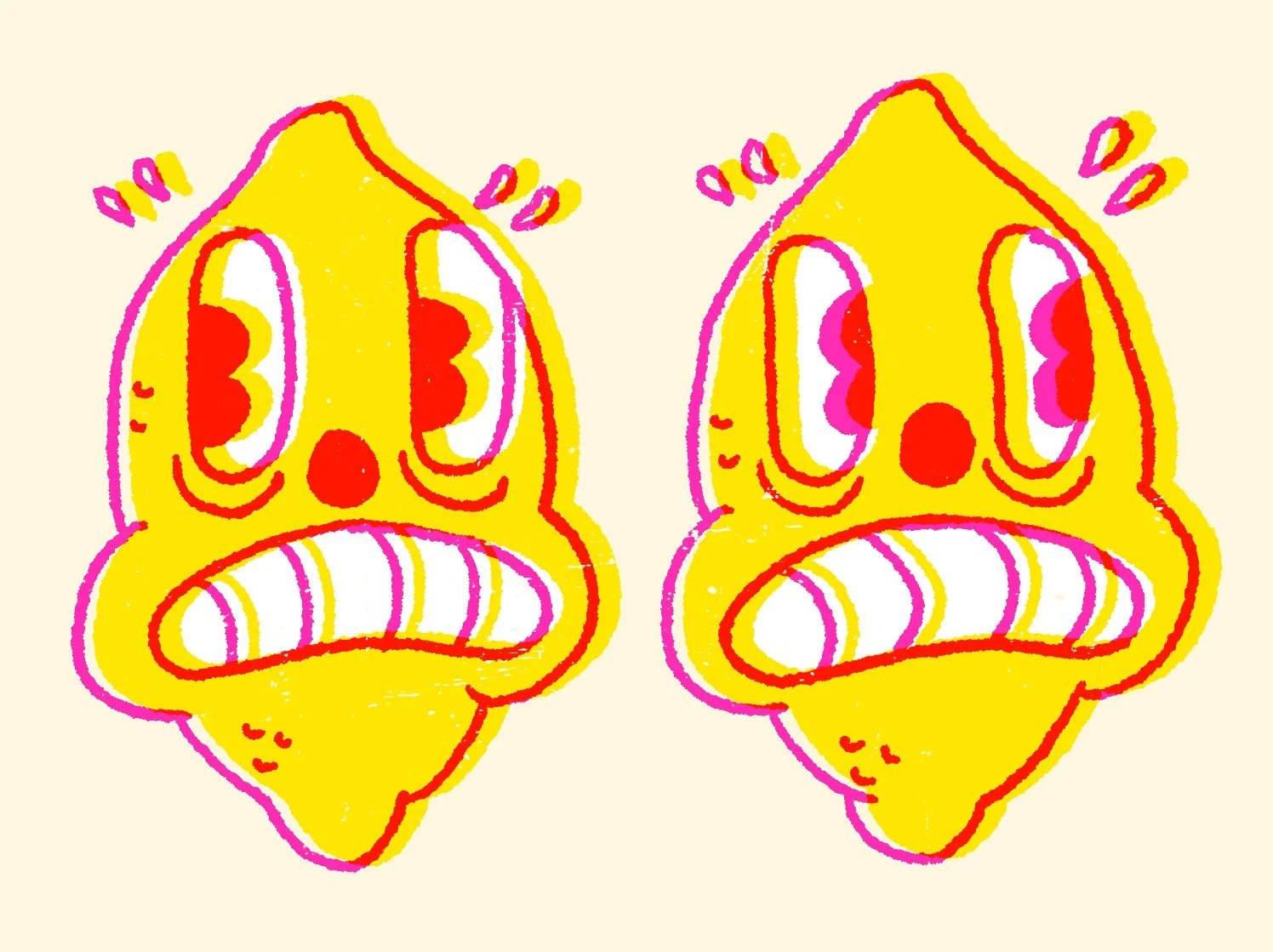
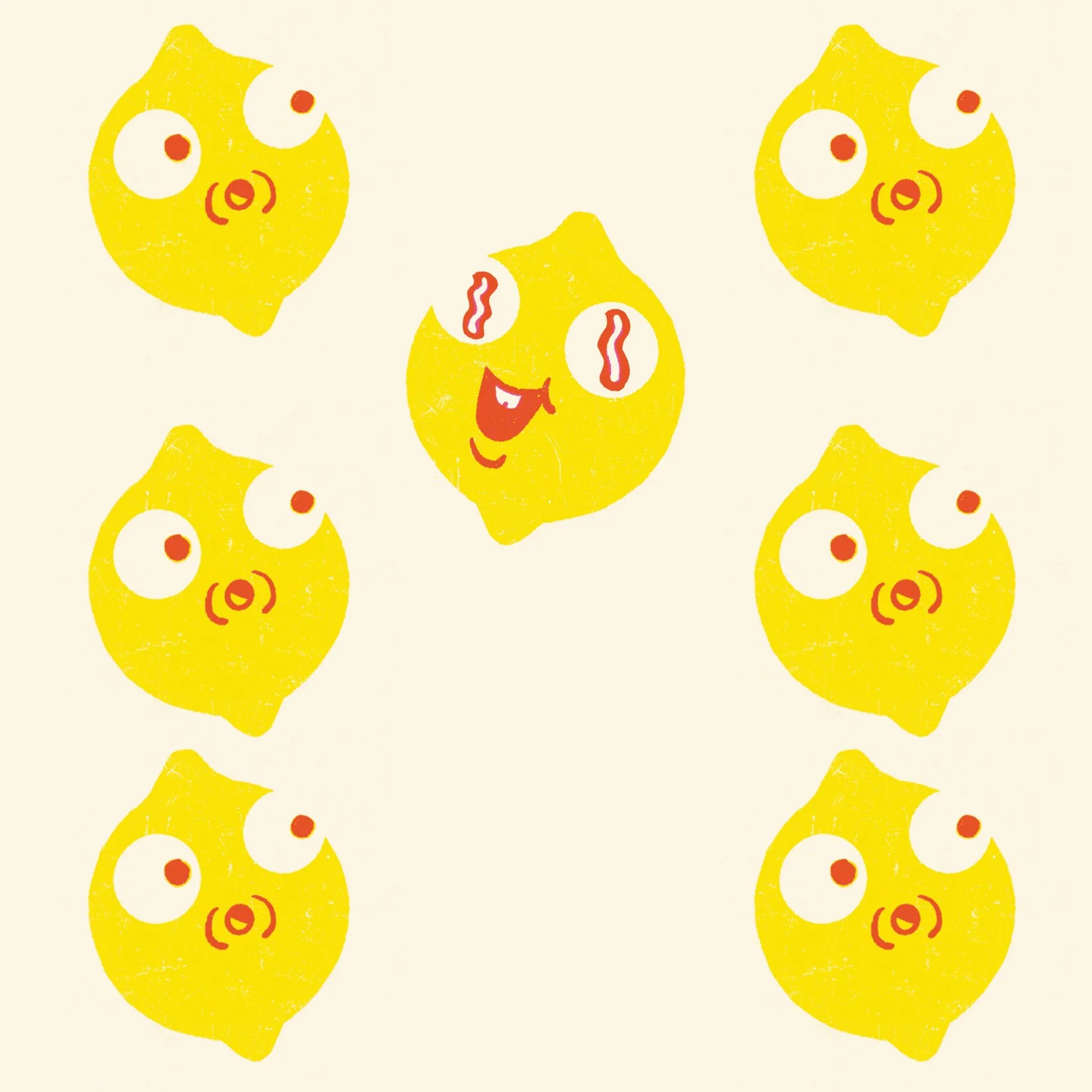
Frank Myles (he/him) is an illustrator, designer, and creative generalist currently based in Kansas City. His work explores modern absurdity through the visual language of mid-century design traditions. Visually, Myles’ work draws from mid-century graphic arts, low-budget printing techniques, early 2000’s webcomics, French BD comics, and early modern art. His work often embraces a dark and sarcastic sense of humor, an aesthetic he attributes to “never being allowed to get the 64-pack of crayons as a child.” This is unsubstantiated. Myles is one half of Nervous Lemon Studio, along with his wife and partner, Hillary. The studio is a mix of personal work, design for cultural and civic spaces, and maintains a small roster of design retainer clients.
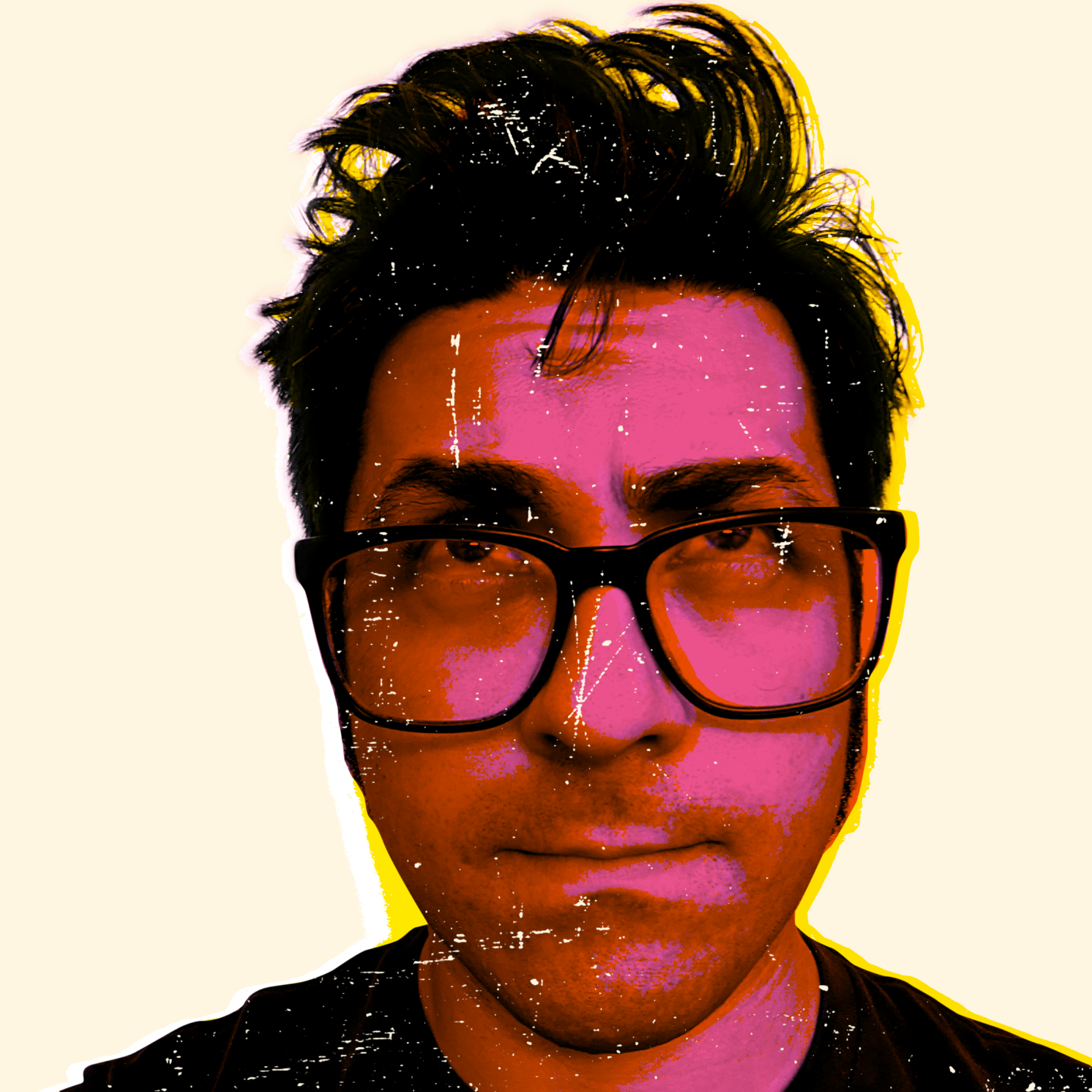
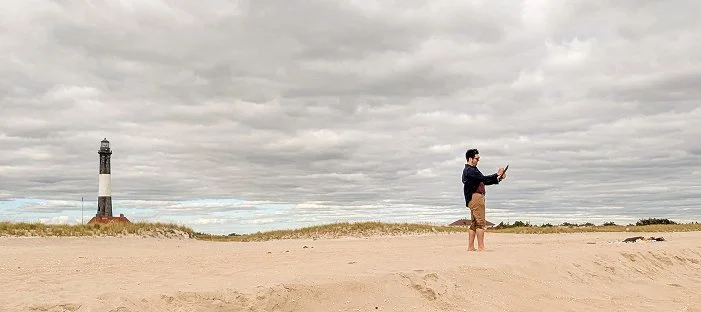
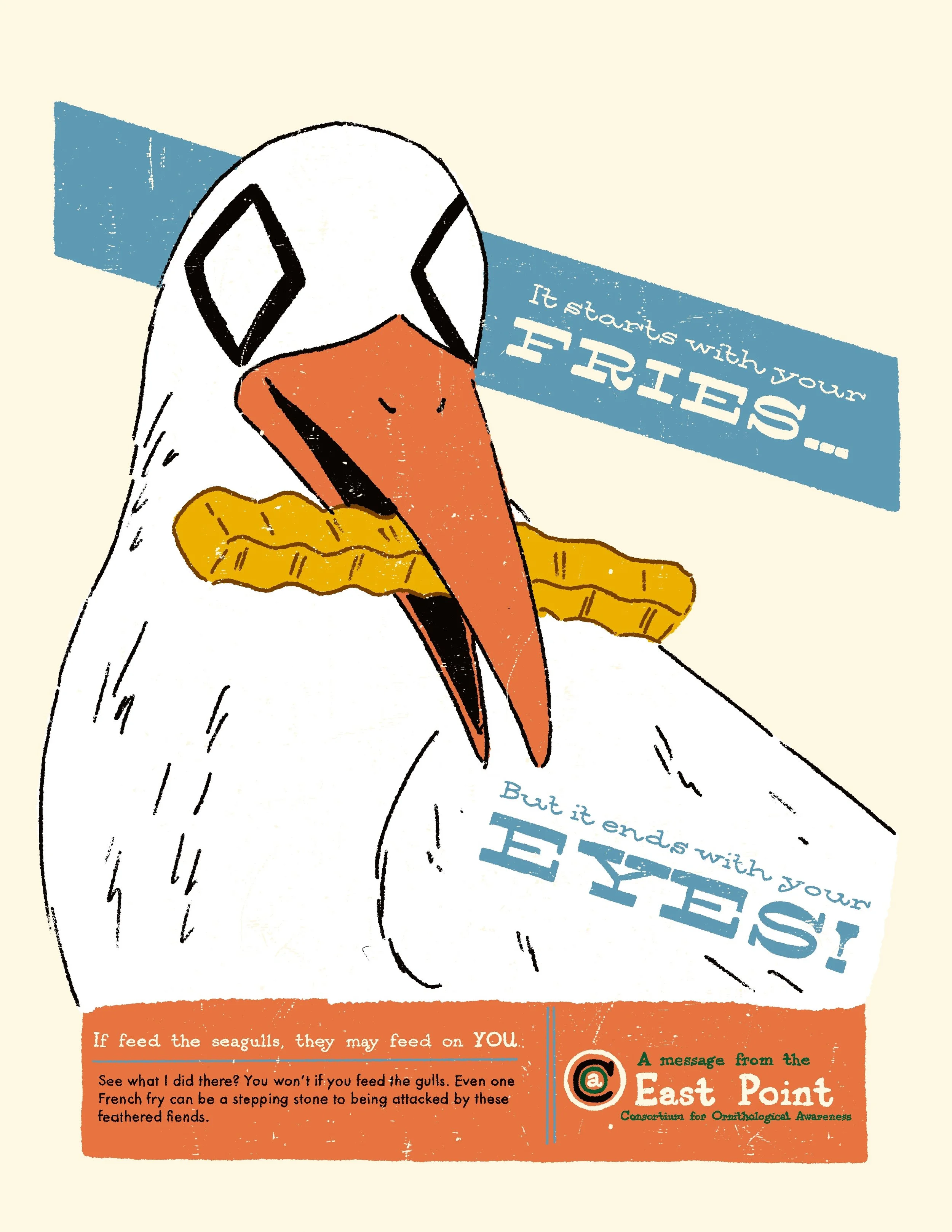
Along with the studio work, Myles is also working on a graphic novel titled Mind the Gulls. It is a dark comedy about a beach town being terrorized by aggressive, blood-thirsty seagulls, (subject matter informed by his upbringing in the beach towns of the Northeast). Myles graduated from SUNY Purchase in 2013 with a BA in New Media and a focus in digital illustration. For his senior thesis, Myles wrote and drew an experimental "Cubist graphic novel" that told four interconnected, wordless stories simultaneously. The final exhibit also involved displaying the books in literal cube - very on brand. Since 2013, he has worked as a designer who has “designed pretty much everything” from bespoke medical hardware to paper plates. He also maintains an active presence in the world of illustration and cartooning, exhibiting regularly at zine fests and small press expos throughout the Midwest. Myles was a 2025 Artist INC Fellow with Charlotte Street Foundation and Mid-America Arts Alliance and works in Chicago.
What is your background and how did you start your journey in the art world?
“I've been drawing since I was a little kid, but my first proper entry in the art world was setting up a Tumblr page for my webcomics in 2011. I graduated from SUNY Purchase College in 2013 with a BA in New Media and made a ‘Cubist graphic novel’ for my senior thesis. After graduating, I moved to Kansas City and spent the next decade or so creating work, exhibiting in various zine fest and small press expos across the Midwest, and started a design studio.”
What inspires you?
“Visually I'm inspired by mid-century graphic art. I love how the limitations of the era informed how certain styles evolved. My work has a strong graphic/cartoony influence as well, so naturally, I'm inspired by other cartoonists like Jason, Tom Gauld, Joan Cornella, Liniers, and of course Charles Schulz. Working digitally also lets me embrace a lot of iteration and spontaneity in my process. In general, I'm inspired by anything that feels flawed and human, I love when the final piece feels unpolished enough that it leaves you with a sense of ‘oh I could try doing that.’ I love when work isn't precious and perfect. In an era when anyone can generate something ‘perfect’ in a matter of seconds or minutes, it's really great to see something that feels imperfect.”
What themes do you pursue? Is there an underlying message in your work?
“Other than a general sense of embracing silliness, I have a deep, unironic love of corporate communications, especially from the olden days of the 1950s and 60s. It goes back to that mid-century graphic tradition of style guides and process manuals. There's such a sense of absurdity to something like a corporate standards manual, but rather than making fun of it, I like to pull little elements and celebrate them. If there's an underlying message throughout all of my work, it's a light-hearted embrace of absurdity. I love the idea that we're all going to die someday and none of this is really all that serious, but we'll choose to get very invested in silly things like a specific shade of a brand color that you need to use (or else).”
How would you describe your work?
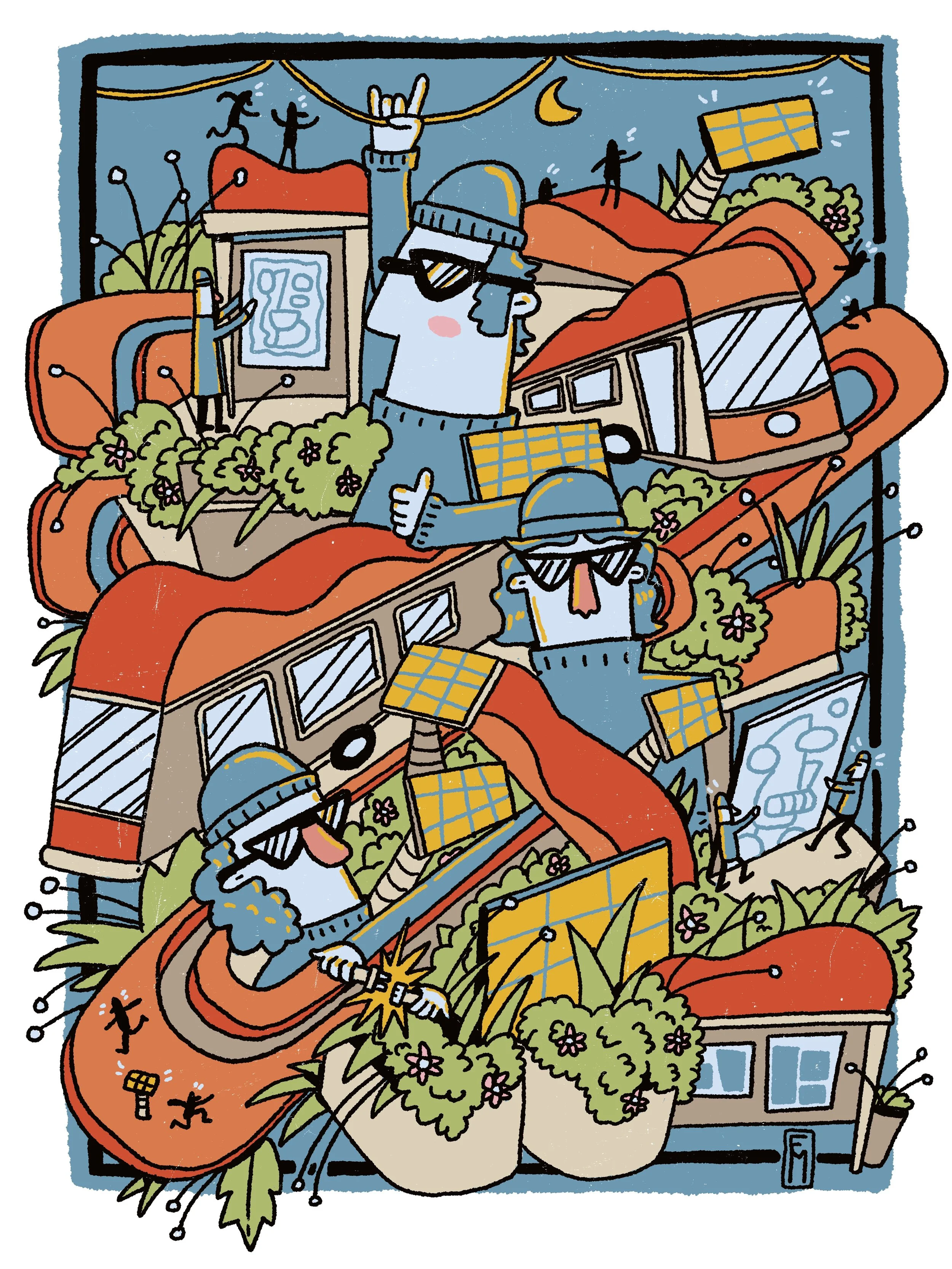
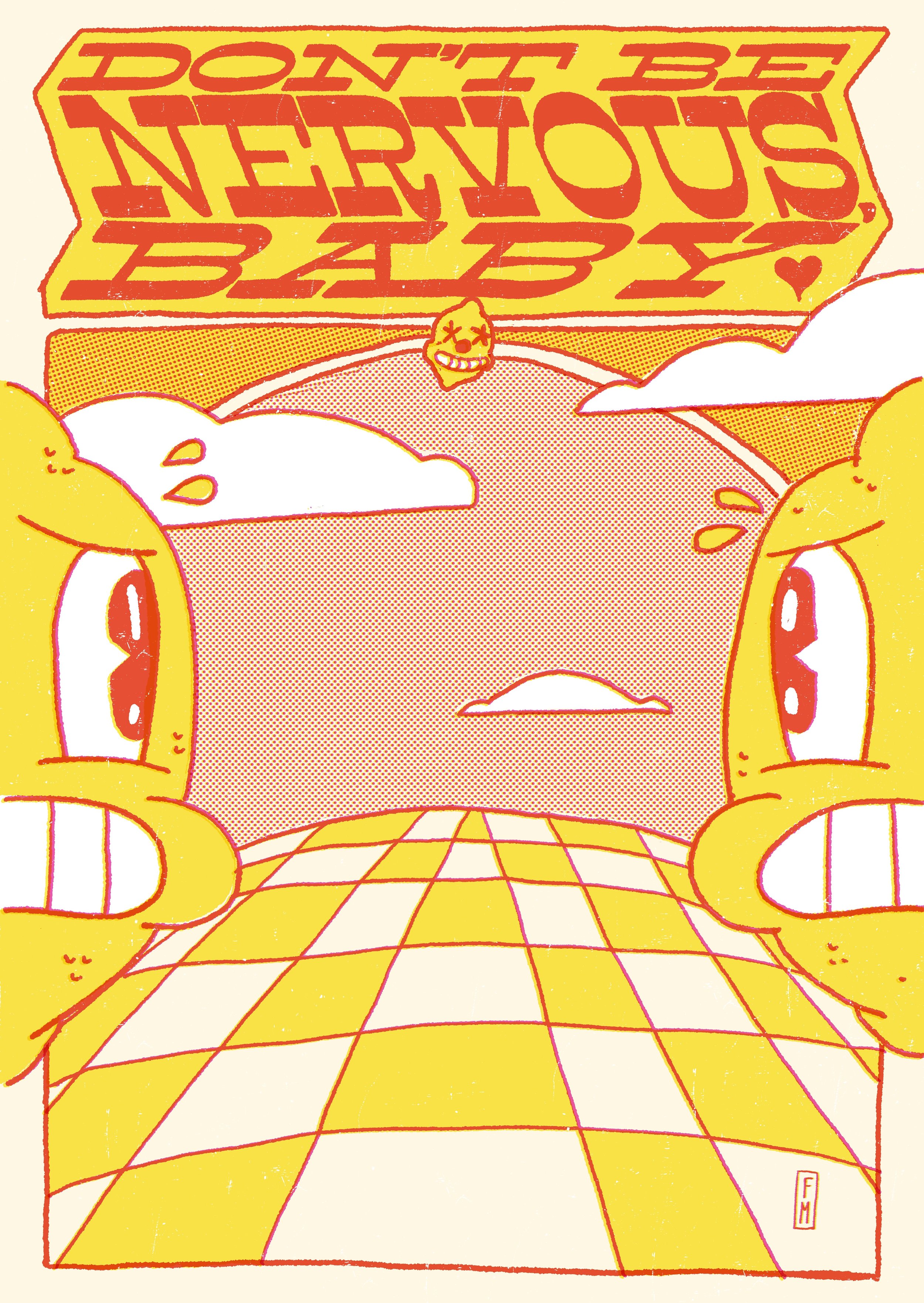
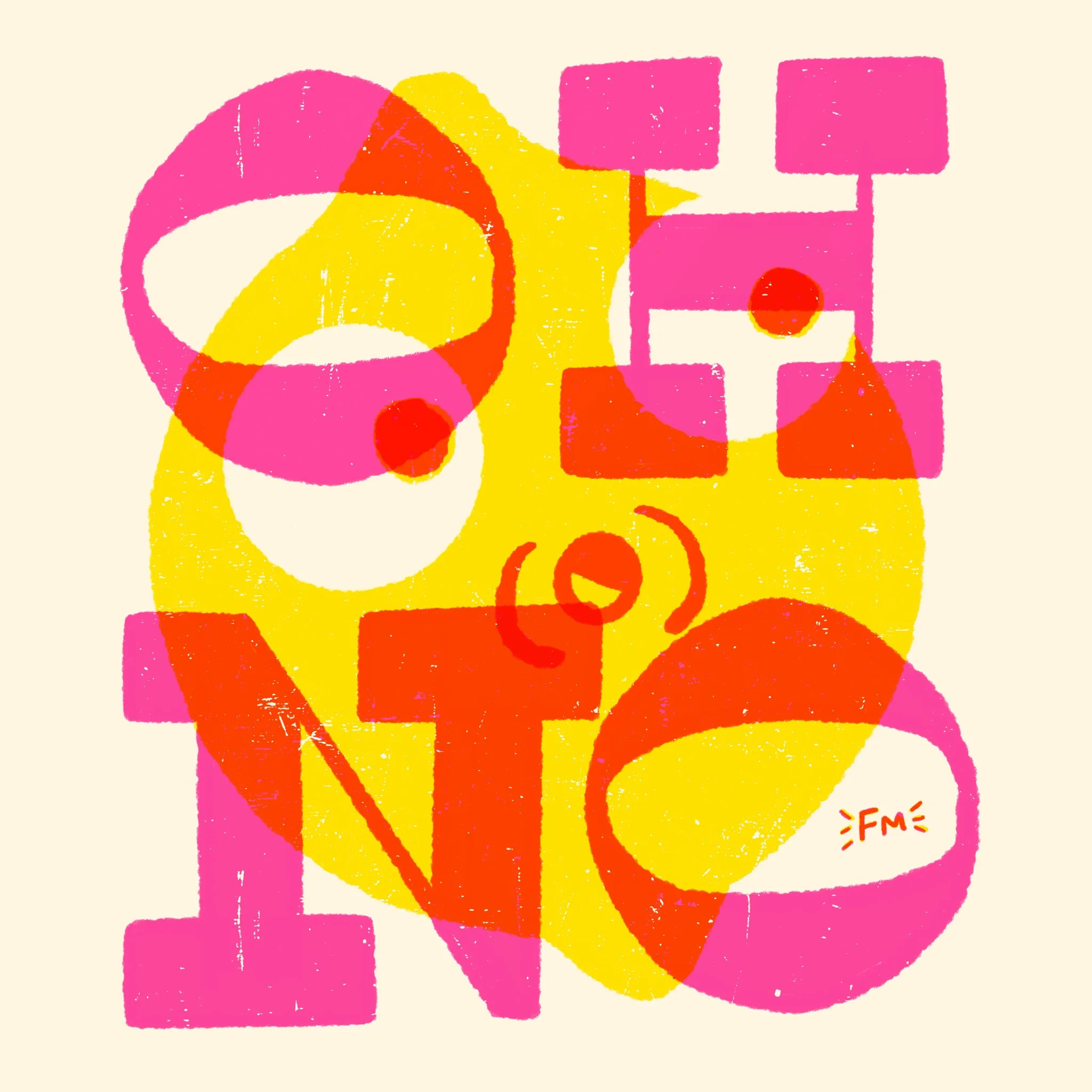
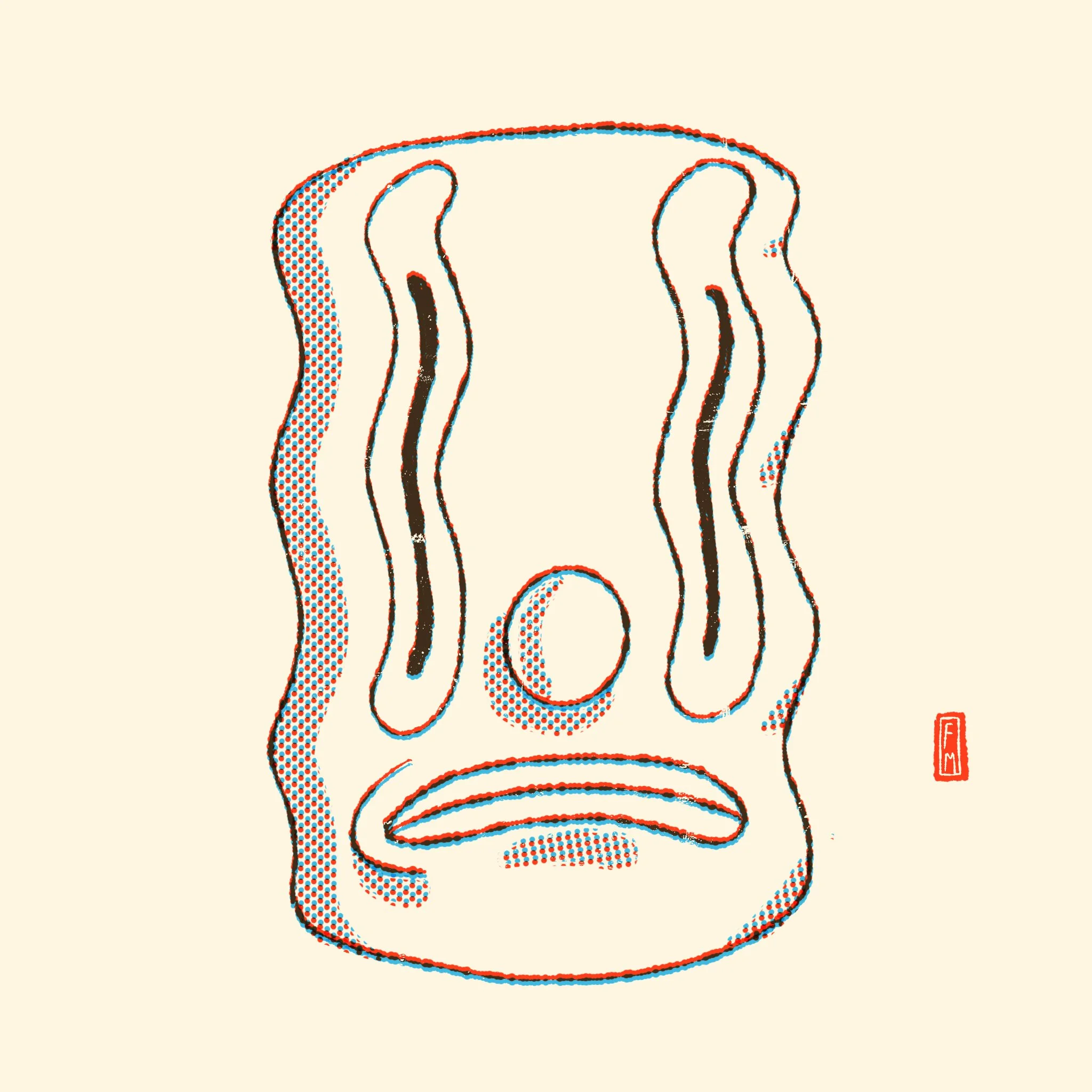
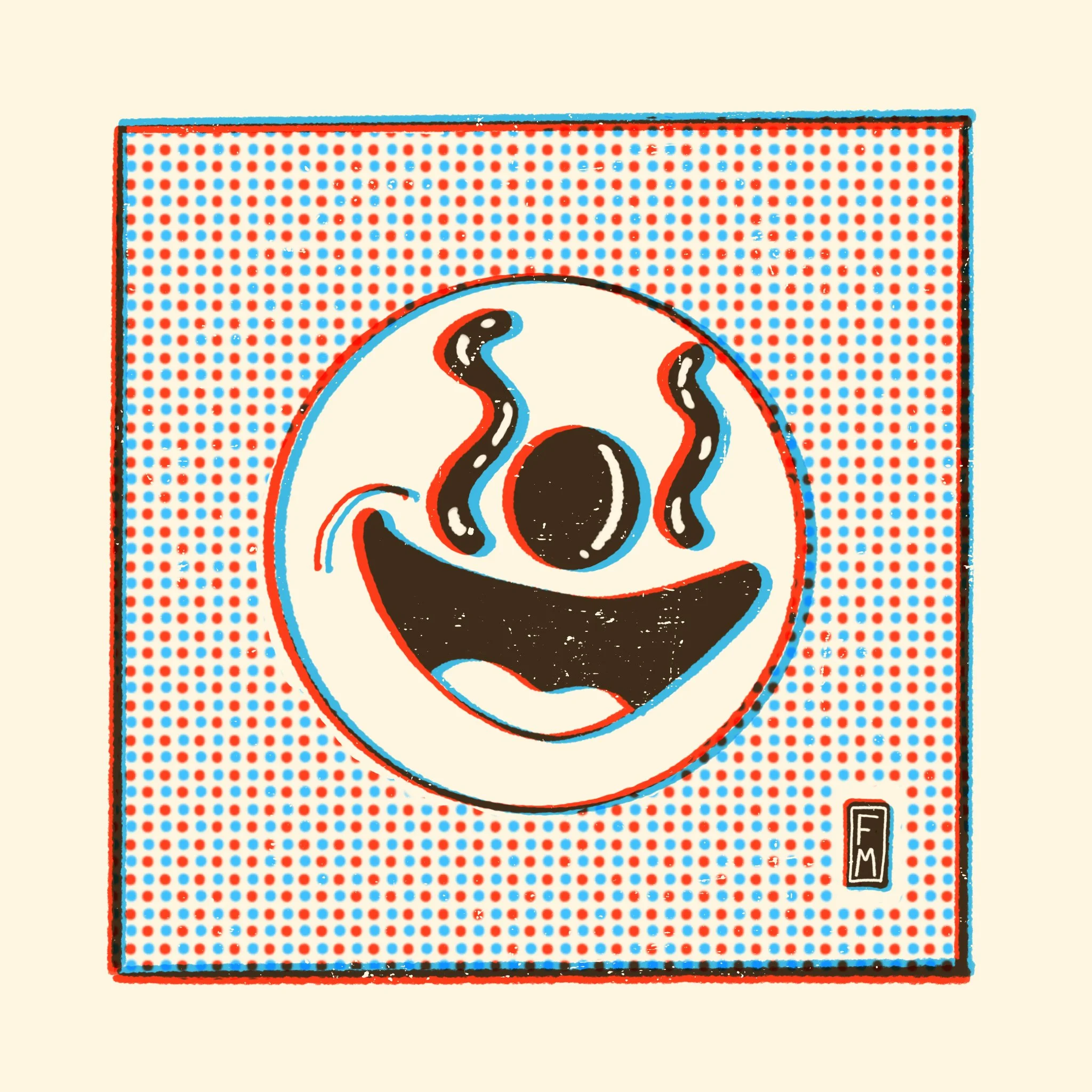
“My work is intentionally inefficient and imperfect. When you work digitally, it's very easy to get to a final piece very quickly, but if you do that, you run the risk of looking like everyone else. I like to make my process as over-involved as possible, anything to put distance between the ‘easy’ way and the final product. For example, if I want some typography in a piece, rather than choosing a font, typing it out, and calling it done, I'll find an image of an old alphabet, manually cut out and kern the letters I want, trace them over, and make sure to trace them a little messy so my letterforms are unique. Anyone can pick a font, so doing this makes my work feel unique. The same with color, when working digitally it's easy to get carried away, so I like to build color palettes from old printed ephemera. Not only do you get a little age and distress to the colors, if the colors worked for a printer back in 1960, they'll work just fine for me. It's like how DJs sample old records to get a vibe, but for colors.”
Which artists influence you most?
“I'm equally influenced by cartoonists, graphic designers, and fine artists, especially those whos work blurs the lines between those. In no particular order: Jason, Tom Gauld, Joan Cornella, Liniers, Herge, Milton Glaser, Lance Wyman, Susan Kare, Saul Bass, Marcel Duchamp, Frida Kahlo, Joan Miro, George Grosz, and if I'm being honest Jack White's philosophy around intentional limitations has been a huge influence as well.”
What is your creative process like?
“I keep a sketchbook of random doodles, lists of ideas, silly jokes/observations, etc. Most pieces tend to begin with sketching on paper before I bring those drawings into Procreate on my iPad to really explore them over the finish line. I try to move pretty quickly and not get too tied down to any one idea or solution; I've noticed when I commit too early in the process, I end up with something that feels stiff or underbaked. The trick is to stay open to crazy left turns and accidents until the last possible minute, something that's definitely facilitated by working digitally. Usually, I have to get a few ‘easy’ ideas out of my head first before the really interesting stuff starts showing up.”
What is an artist’s role in society and how do you see that evolving?
“With the trends of efficiency and optimization invading every facet of our lives, the most important thing for an artist to do is to remind people they don't have to do that. Some things are best left messy and un-optimized. Personally I think the rise of AI, specifically the image and content generation, will put an even higher value on human-made art. If everyone can generate "art" at the touch of a button, there will be something really special about something that took hours or days to complete. So much of the art I find inspiring is because of the story around its creation.”
Have you had any noteworthy exhibitions you'd like to share?
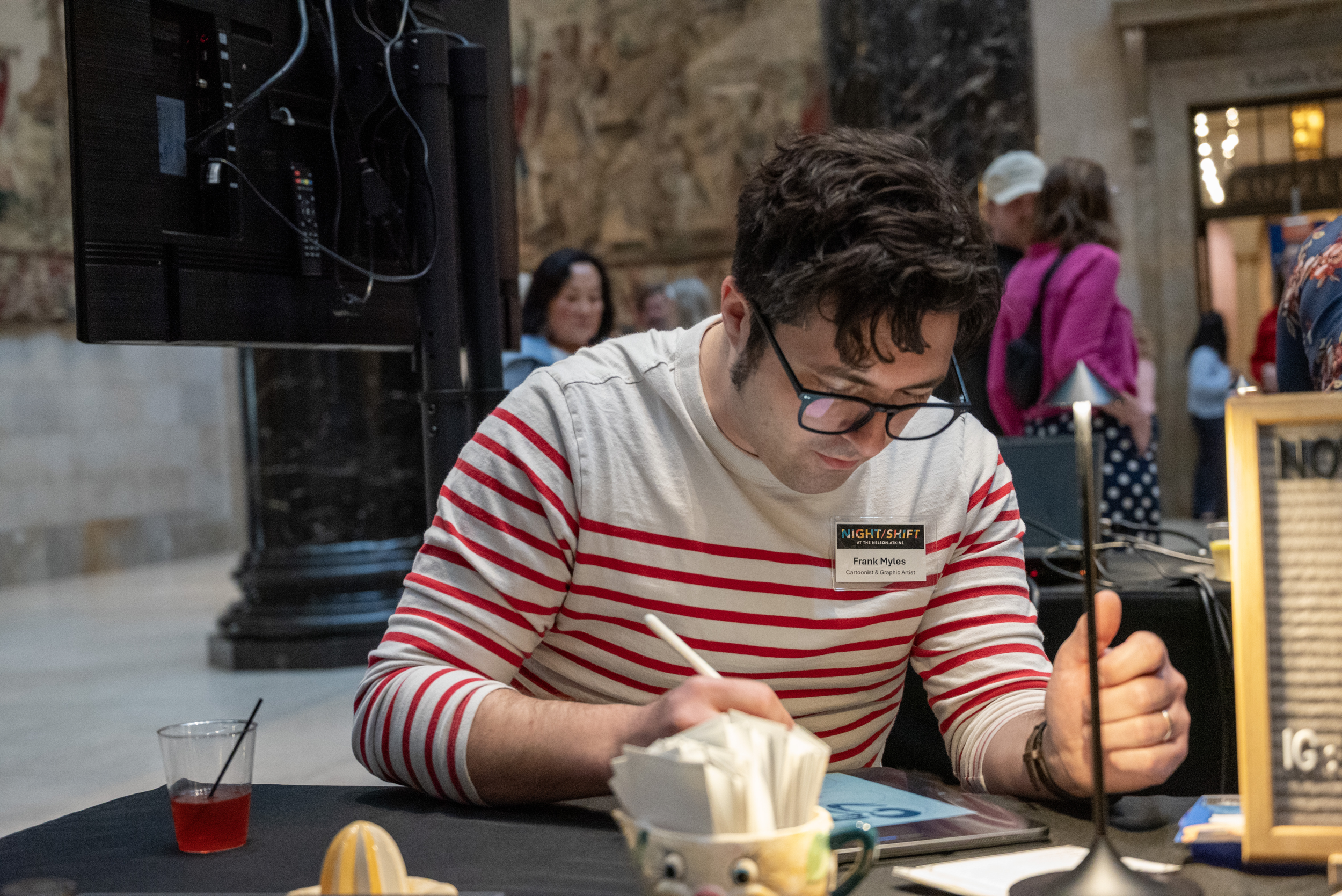
“My studio hosted a live improv poster event at the Nelson Atkins Museum in Kansas City on May 21. I am creating 4 posters for the Plenery Co.'s ‘Future of Us’ event that will be displayed in San Francisco July 4 - 12.”
Website: www.nervouslemon.studio
Instagram: @nervous_lemon