Interview
Forrest Gearheard
Forrest Gearheard is an Austin-based oil painter whose work sits at the intersection of lived experience, historical reflection, and the enduring power of visual storytelling. A lifelong draughtsman and image-maker, he is deeply influenced by the Baroque masters - whose command of light, symbolism, and psychological presence informs the emotional gravity in his work. At the same time, his thinking is shaped by the disruptive spirit of Dadaism, embracing experimentation and resistance to confinement within a single aesthetic or emotional register. A defining chapter of Gearheard’s life was his four years of service as an infantry medic, including a 13-month deployment to Afghanistan. Those experiences profoundly shaped his understanding of vulnerability, dignity, conflict, and the fragile humanity that exists in moments of intensity.
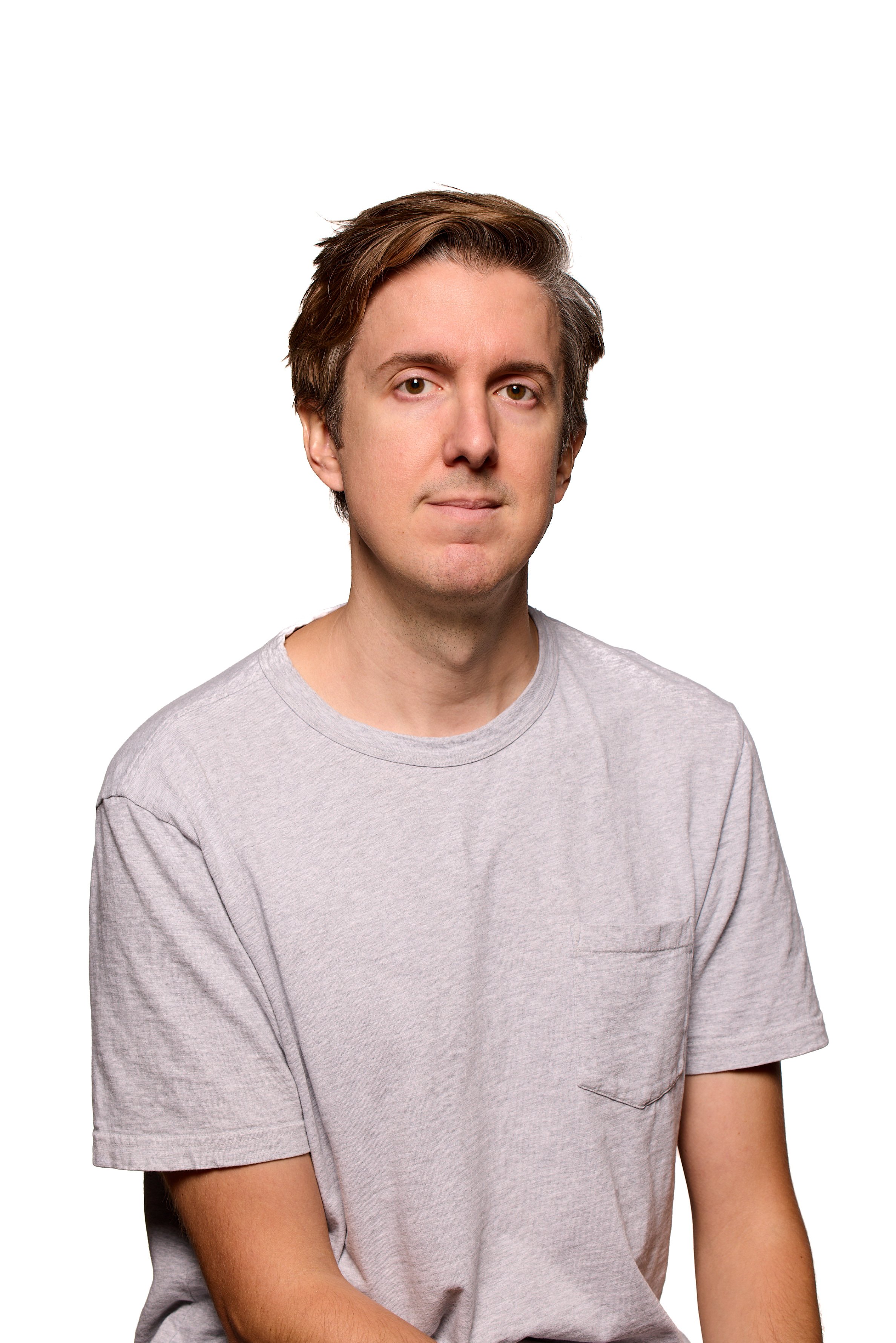
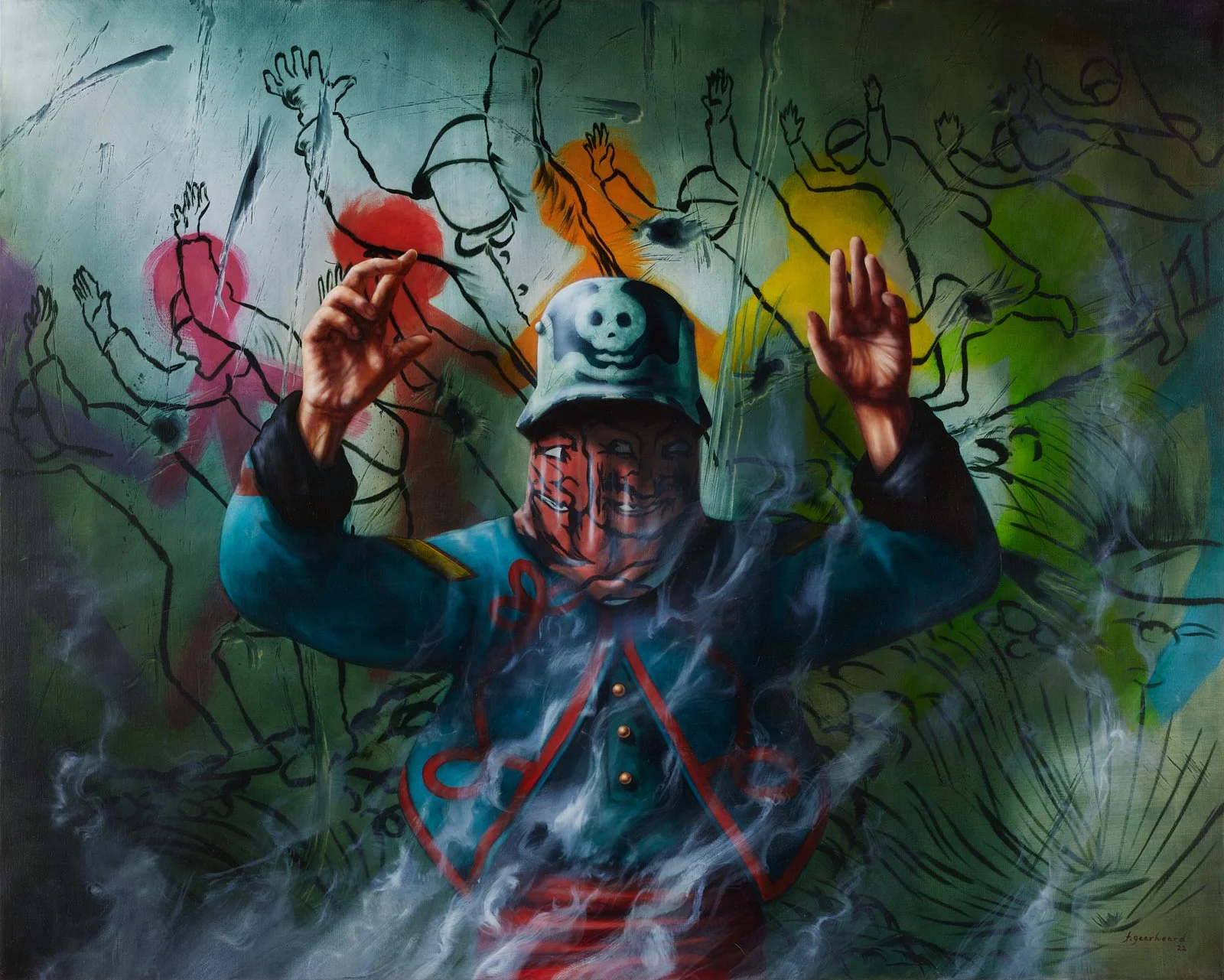
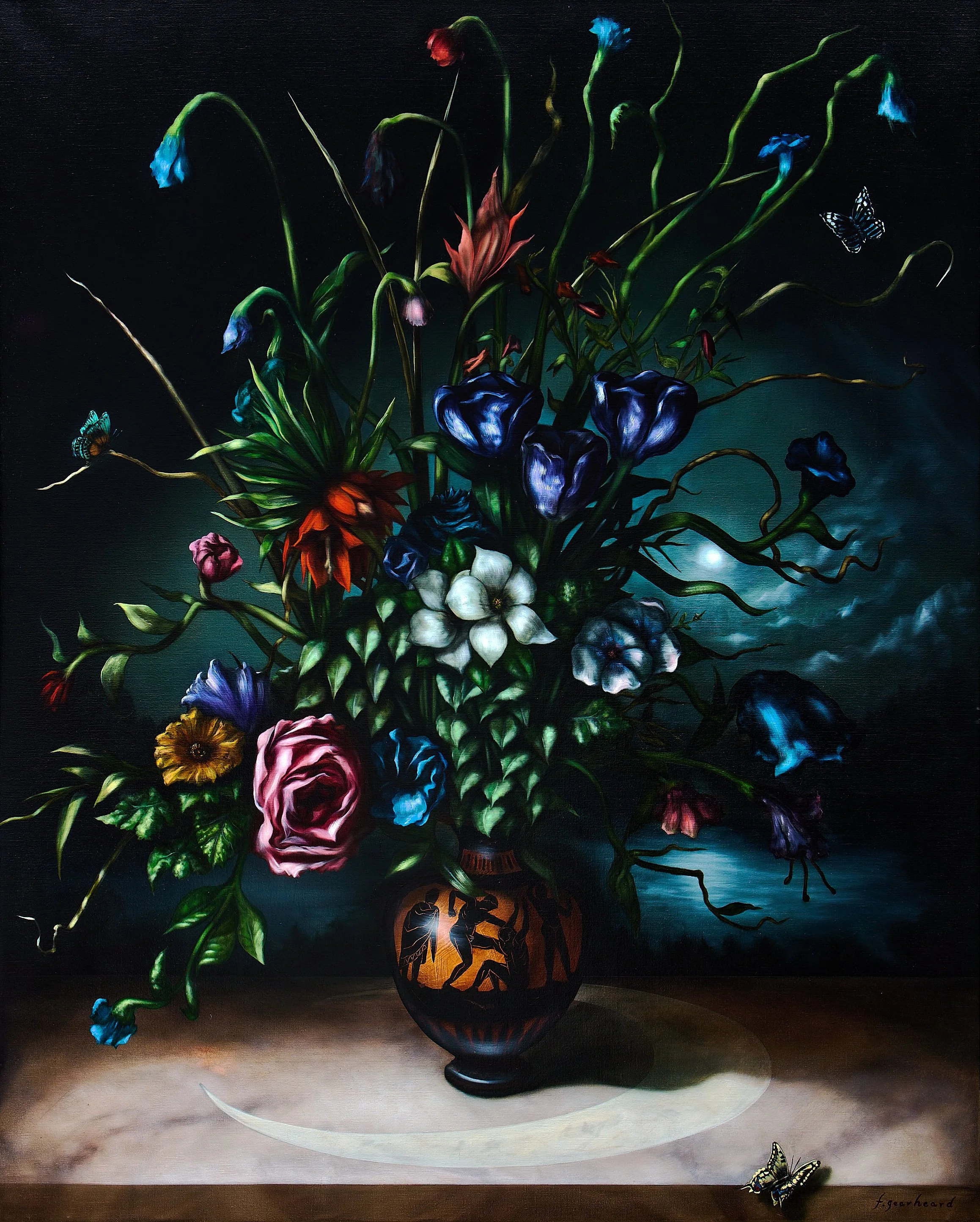
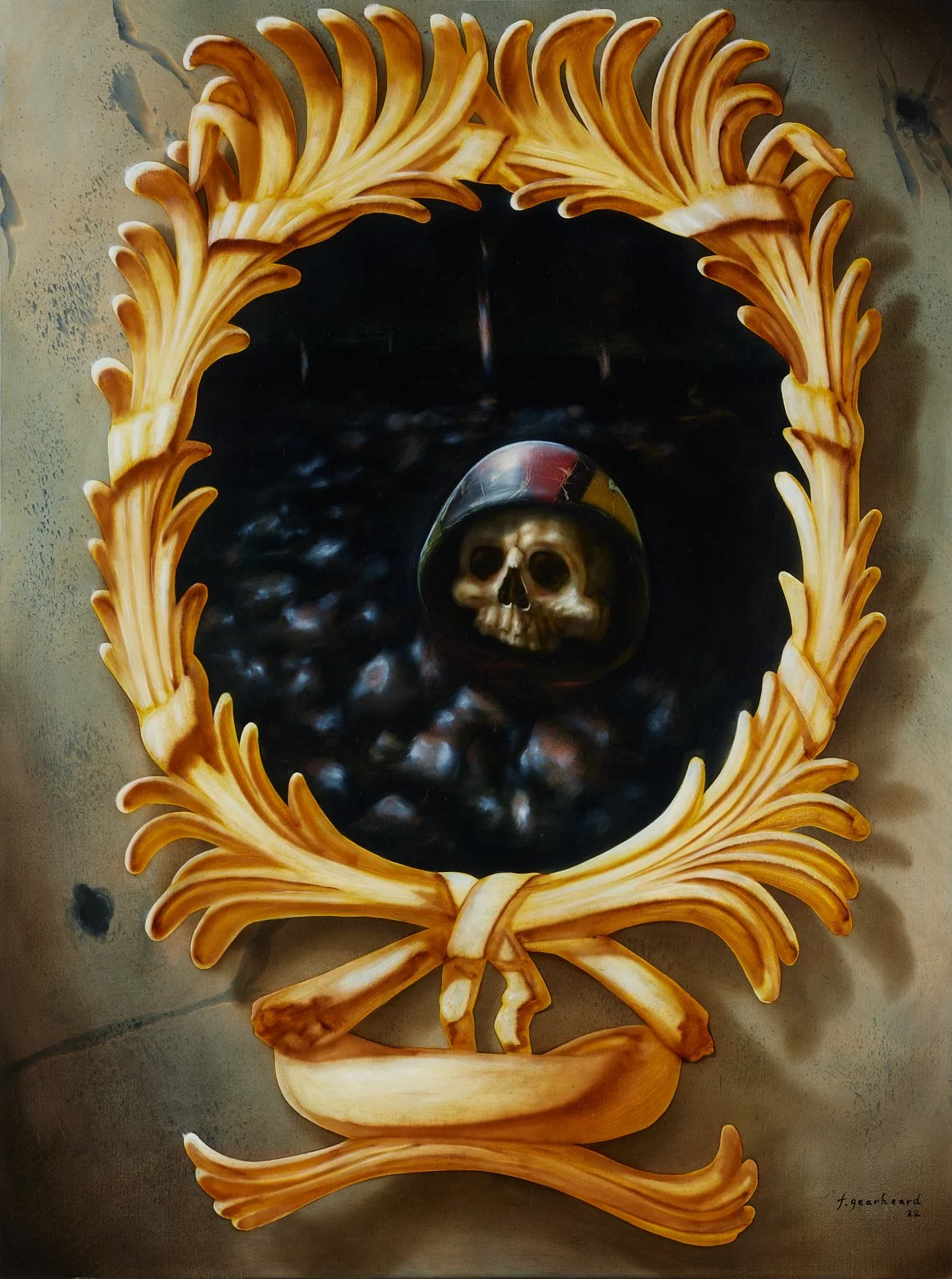
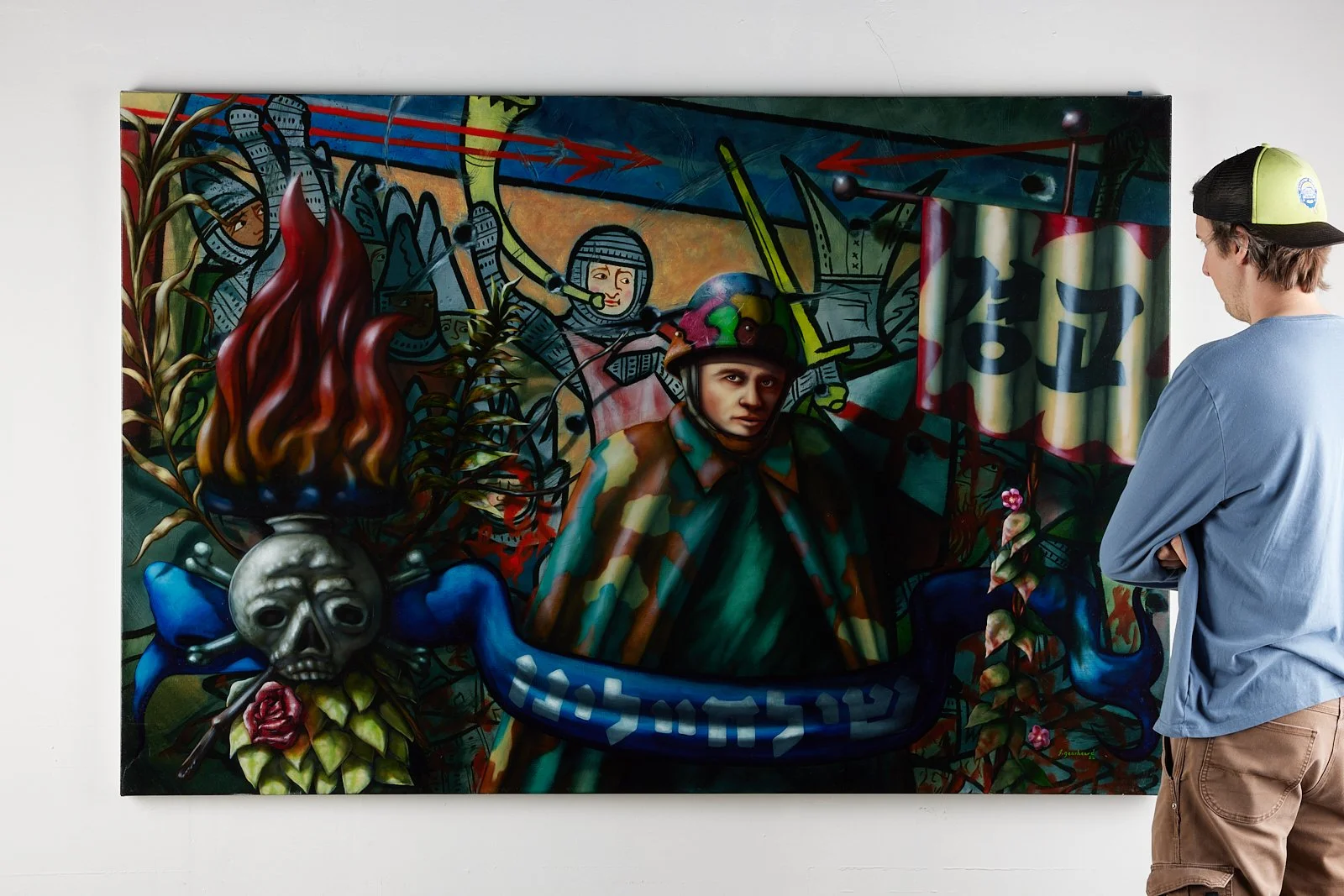
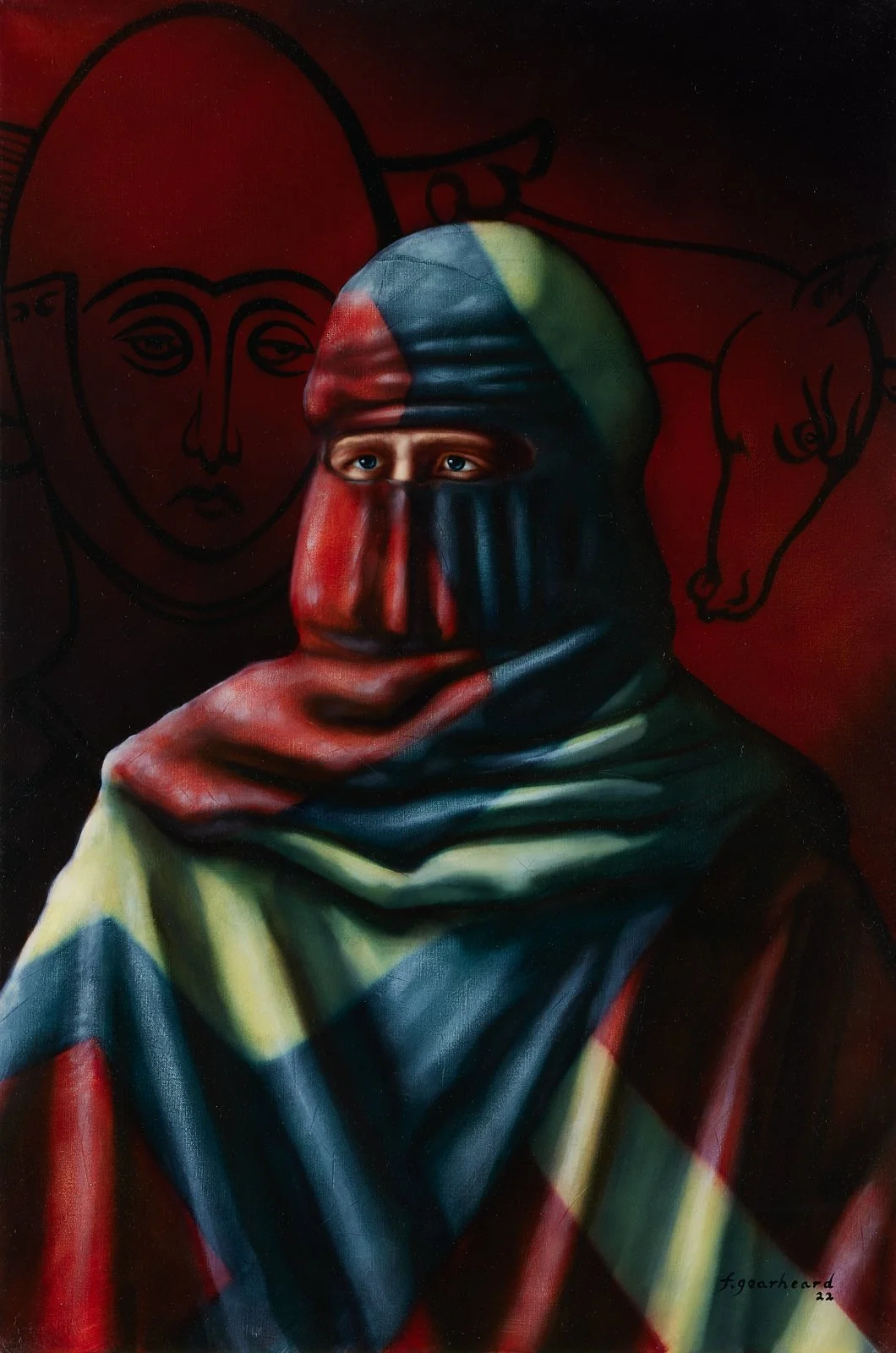
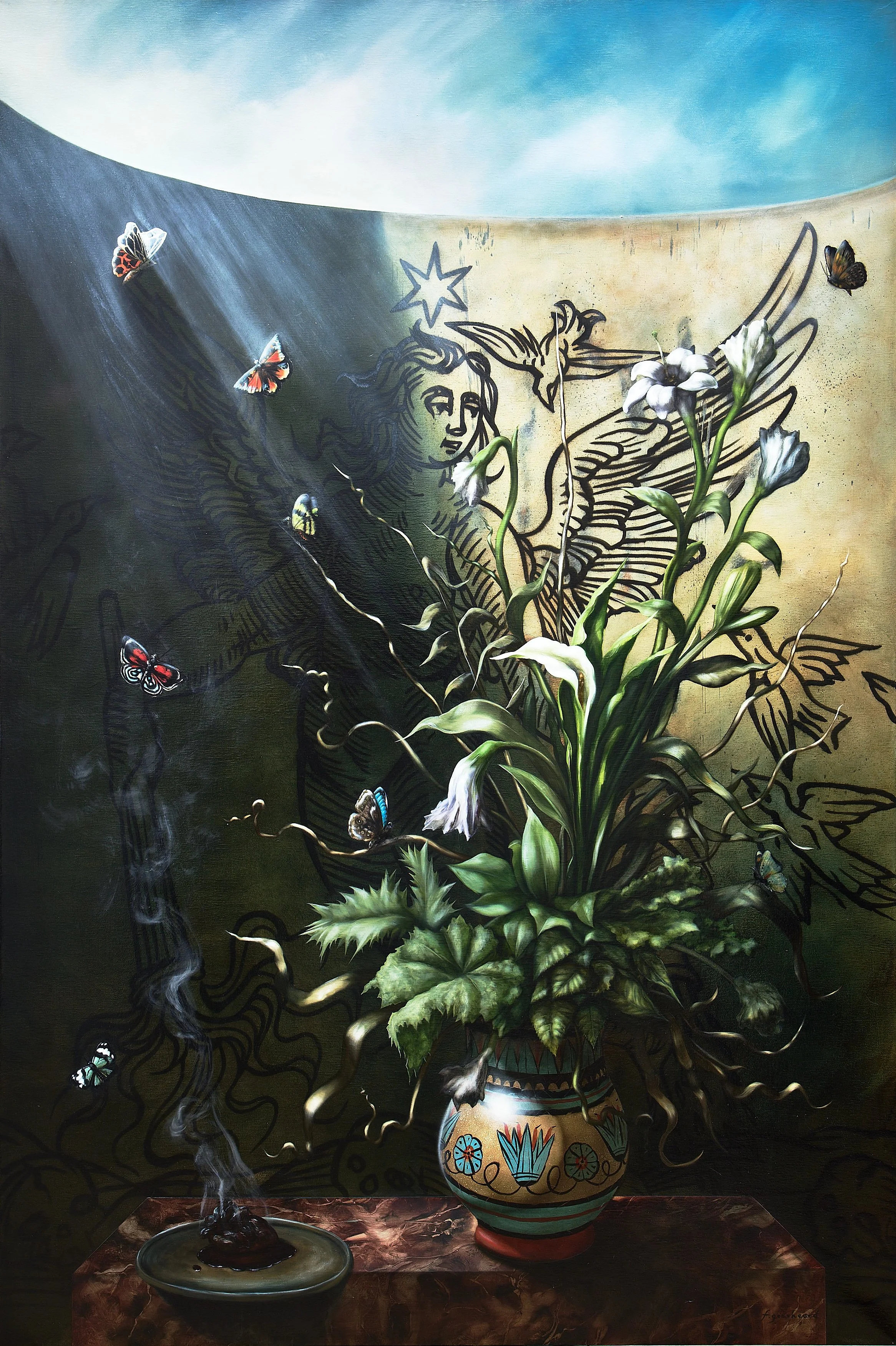
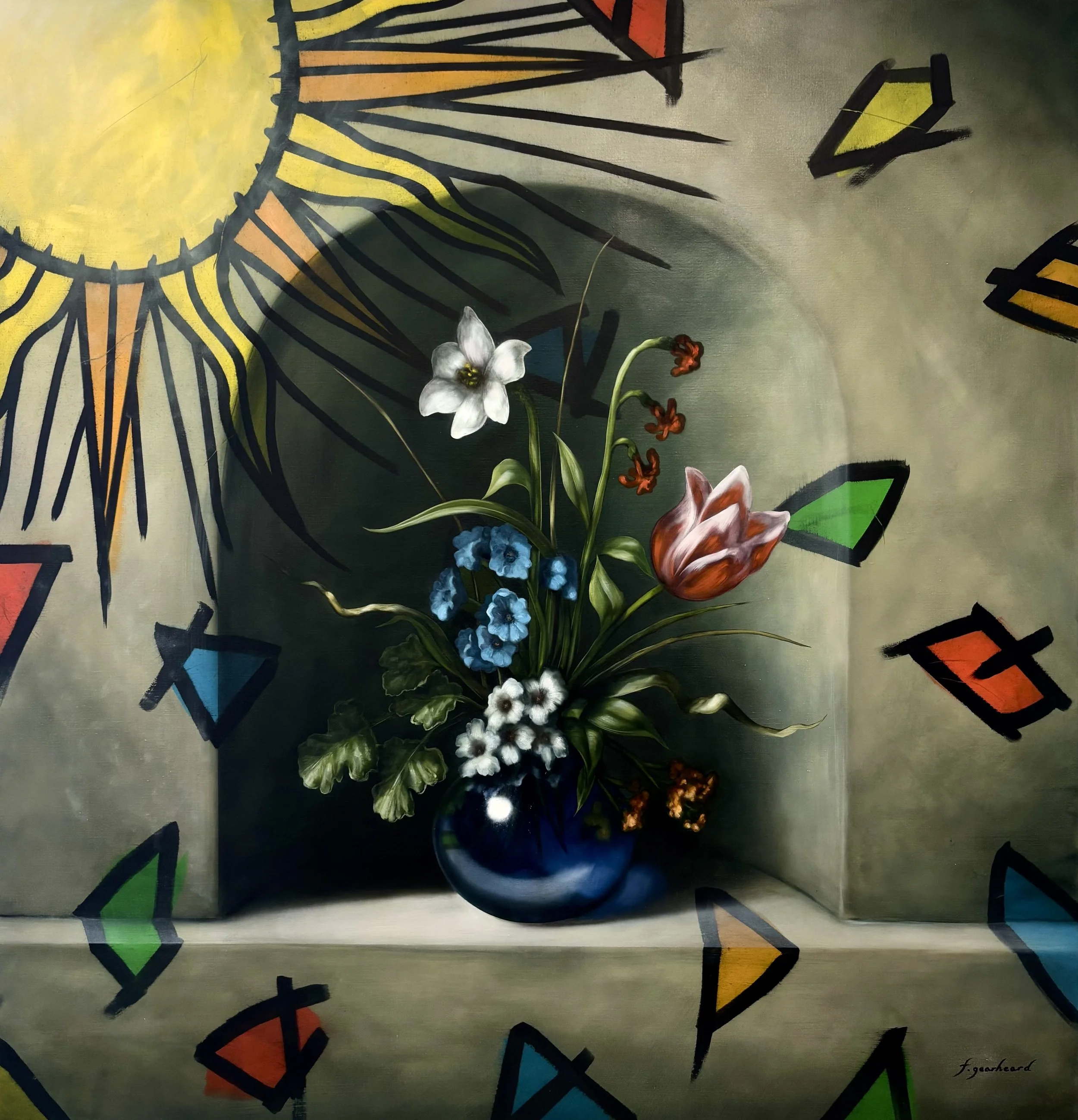
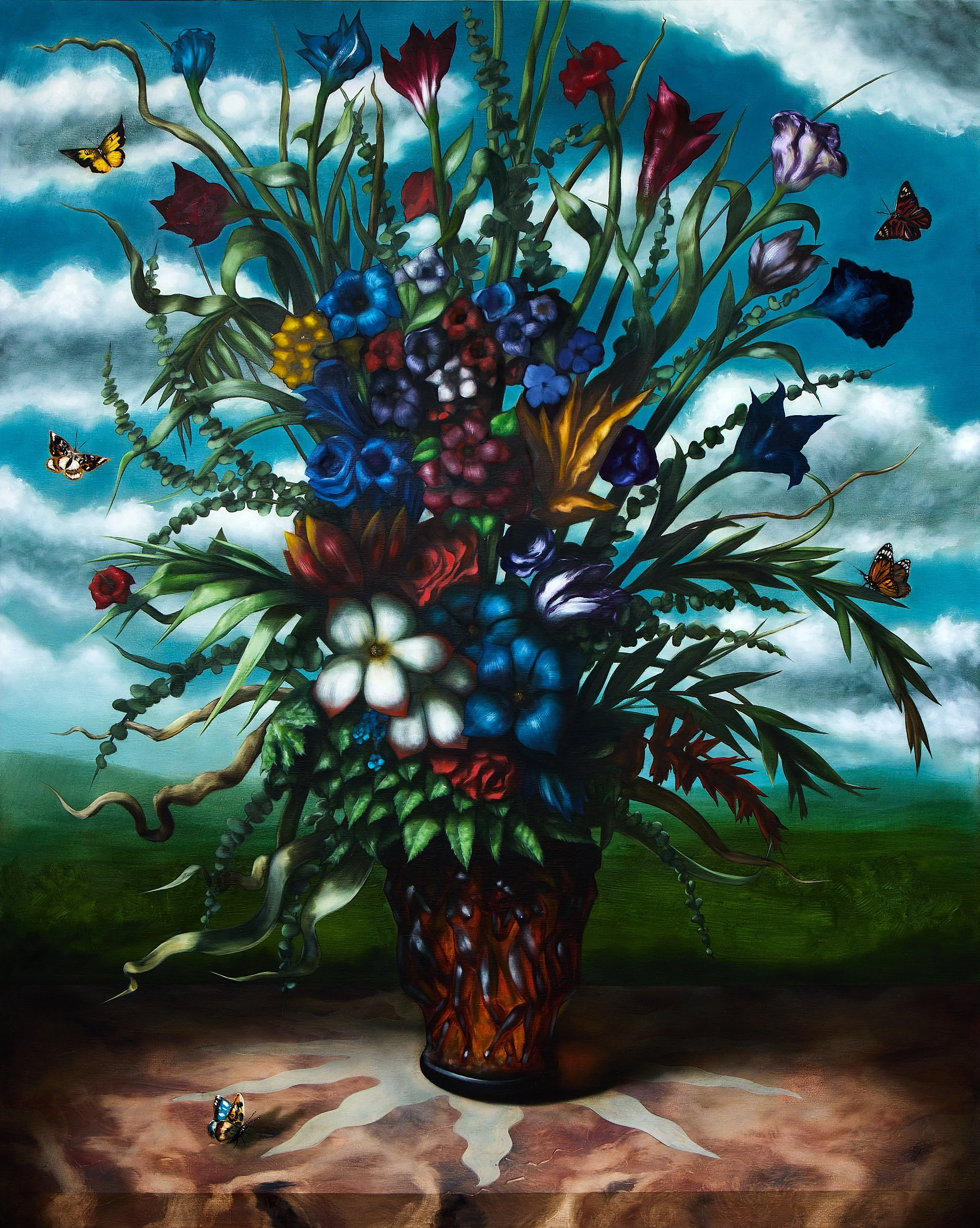
His paintings often carry layered narrative weight, grounded in both historical resonance and deeply personal reflection. Whether exploring the complexities of war in his Cannon Fodder works or the tender contradictions of heartbreak, gratitude, and change in his Love Letters series, Gearheard pursues themes that confront the viewer with beauty and truth in equal measure. Storytelling is central to his practice. He moves fluidly between grit and tenderness, between harsh emotional landscapes and quiet, intimate imagery such as florals, always striving to surprise, challenge, and move his audience. His process is carefully planned and highly intentional—often visualized fully in his mind before any drawing begins. Working through layered glazing techniques and frequently across multiple paintings at once, he builds images that unfold slowly, rich with symbolism, atmosphere, and emotional depth. Deeply aware of history, Gearheard believes in the persistence and power of art—how it preserves memory, identity, and emotional truth. His work seeks to give weight to the present, honoring this moment in time as fully as any before it. Having worked extensively with private clients, exhibiting with ALG Fine Art and sharing his floral works with a wider audience has been especially meaningful. He remains grateful simply for viewers’ attention—often content to stand quietly in the back of a gallery and watch people encounter the paintings on their own terms.
What is your background and how did you start your journey in the art world?
“I’ve been drawing and making images for as long as I can remember, always fascinated by storytelling, symbolism, and the emotional weight a single image can hold. Over time, that curiosity turned into a serious commitment to painting—particularly oil painting—because of its depth, history, and expressive potential. My work is deeply informed by my study of Baroque masters and their use of iconography: the drama of light and shadow, the layered symbolism, and the sense of moral and psychological gravity they brought to the human figure. That tradition continues to guide how I think about composition, meaning, and the emotional presence of an image. A major chapter of my life was my service as an infantry medic, including a 13-month deployment to Afghanistan. Those experiences profoundly shaped how I understand vulnerability, conflict, dignity, and the fragility of the human body. Painting became a way to carry those memories, to examine history and personal experience together, and to explore how beauty, brutality, and humanity coexist. My practice now sits at the intersection of classical influence and lived experience rooted in tradition but driven by deeply human questions.”
What inspires you?
“Beyond history and conflict, my work is anchored in catharsis. Painting has become a space where I process not only the realities of war and military service, but also the quieter fractures of life—heartbreak, loss, and the fragile complexities of human connection. These experiences exist in conversation within my practice, shaping a body of work that holds memory, grief, vulnerability, and the slow work of healing. In my current paintings, this reflection has softened into something deeply intimate: they have become love letters. These works extend gratitude to the people who helped carry me through difficult seasons—the friends, loved ones, and unexpected guardians who stood steady when the world felt uncertain. Rather than dwelling solely in trauma, the work honors resilience, relationship, and the grace of being supported.”
What themes do you pursue? Is there an underlying message in your work?
“My work examines the complexity of being human—how we carry memory, conflict, love, loss, and identity within us. Much of my earlier work confronts themes of war, vulnerability, and the emotional fog surrounding conflict. More recently, my Love Letters series shifts that exploration inward, focusing on deeply personal experiences such as heartbreak, tenderness, longing, and the difficult beauty of change. These paintings are not simply romantic; they’re about gratitude, grief, resilience, and the many emotional contradictions we live with when we love deeply and lose meaningfully. I’m drawn to layered storytelling, a sensibility rooted in the tradition of vanitas painting—where beauty, ephemerality, and symbolism coexist. Like vanitas works, my paintings invite viewers to pause and reflect, to notice subtle metaphors woven into objects, gestures, and atmosphere. Instead of moralizing, I aim to create spaces for contemplation: moments where beauty sits beside impermanence, love beside loss, fragility beside strength. Whether dealing with broader historical conflict or the intimate battlegrounds of the heart, the underlying message remains the same—our stories are layered, contradictory, and art gives us a way to sit with those truths.”
How would you describe your work?
“At its core, my work is about storytelling. That has always been the most important thing to me as an artist—the ability to communicate something human, emotional, and layered through imagery. Because of that, I don’t feel anchored to one visual category or emotional register. My work can move from harsh, gritty, and confrontational themes to soft, intimate, and tender imagery, such as florals and quieter emotional spaces. I’m interested in the full spectrum of human experience, and I want my practice to reflect that range. Visually, my paintings often carry a strong sense of atmosphere and symbolism, drawing from classical influences while remaining open to experimentation. Whether I’m exploring conflict, heartbreak, resilience, or quiet beauty, I’m always trying to build images that invite viewers into a narrative—something they can feel as much as interpret. I’m committed to pushing myself, attempting new approaches, and refusing to stay creatively comfortable. Each body of work becomes a new way of asking questions, telling stories, and discovering what painting can continue to reveal.”
Which artists influence you most?
“I draw tremendous inspiration from artists who balance technical mastery with emotional depth and psychological resonance. Rembrandt, Peter Paul Rubens, and Hans Memling deeply influence my sense of atmosphere, texture, light, and the symbolic weight that can live inside a figure or gesture. Their work demonstrates how storytelling, iconography, and human presence can feel both intimate and monumental at the same time. Modigliani also inspires me through his emotional distortion, elongated forms, and the quiet vulnerability that exists in his portraits. At the same time, I’m equally drawn to the spirit of Dadaism—the willingness to challenge convention, embrace contradiction, question systems, and push beyond traditional expectations of what art should be. That mindset has shaped my approach in meaningful ways. I love the Baroque for its drama and symbolism, and I love Dadaism for its irreverence, disruption, and freedom. My work exists somewhere between those worlds: rooted in historical influence, yet constantly interrogating, experimenting, and refusing to stay confined to a single way of thinking or making.”
What is your creative process like?
“My creative process is highly intentional and meticulously planned. I often see the painting almost fully formed in my mind before anything is sketched, and from there I develop a simplified blueprint—refining composition, symbolism, and emotional tone before committing to the canvas. Because glazing and layered oil techniques are central to my work, every stage requires forethought. Each layer serves a purpose, contributing to a very specific visual and emotional outcome. I also tend to work on multiple paintings at once. Many ideas are too expansive or layered to live inside a single image and spreading them across several works allows each painting room to breathe. This approach helps keep any one piece from becoming overwhelmed, while giving the broader body of work a deeper narrative continuity. For me, careful planning doesn’t restrict creativity—it makes space for complexity, clarity, and richly layered storytelling.”
What is an artist’s role in society and how do you see that evolving?
“I don’t think the artist’s role is simply to ‘express’ or ‘reflect’ society in a generic sense—that’s been said endlessly. For me, the role of the artist is tied to something far more enduring and historically proven. Throughout history, when nations have been conquered or cultures attacked, art is often one of the first things targeted—paintings, monuments, music, literature. That isn’t accidental. It reveals how powerful art truly is. It carries memory, dignity, identity, and the emotional truth of a people and a time. Because of that, I feel a responsibility to create work that gives weight to the present moment, to recognize this era as worthy of the same depth, reverence, and seriousness as any period before it. I want to give viewers more than they expect—to surprise them, challenge them, move them, and allow them to see something in a way they may never have considered. If art can astonish, unsettle, comfort, provoke thought, or alter perspective even a little, then it’s doing what history has always proven it capable of: asserting that we were here, we felt deeply, and we made something meaningful.”
Have you had any noteworthy exhibitions you'd like to share?
“Much of my career has involved working closely with private clients, which has been a meaningful and intimate experience. Because of that, having the opportunity to exhibit with ALG Fine Art and share my floral works with a much broader audience was especially impactful. There’s something powerful about seeing people encounter the paintings in person—watching them slow down, study the surface, feel the atmosphere, and bring their own experiences to the work. I don’t expect specific reactions from viewers; all I really hope for is their attention—a moment of genuine engagement. I’m always grateful when people choose to look closely, to sit with the work, and to let it affect them in whatever way it does. Some of my favorite moments are simply standing in the background at a show, quietly observing people interact with the paintings. Those small, unspoken exchanges remind me why I do this, and how meaningful it is to have the work exist out in the world with others.”
Website: www.fgearheard.com
Instagram: @f_gearheard