Interview
Fabiana Sepe
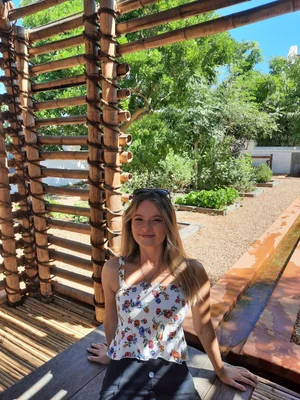
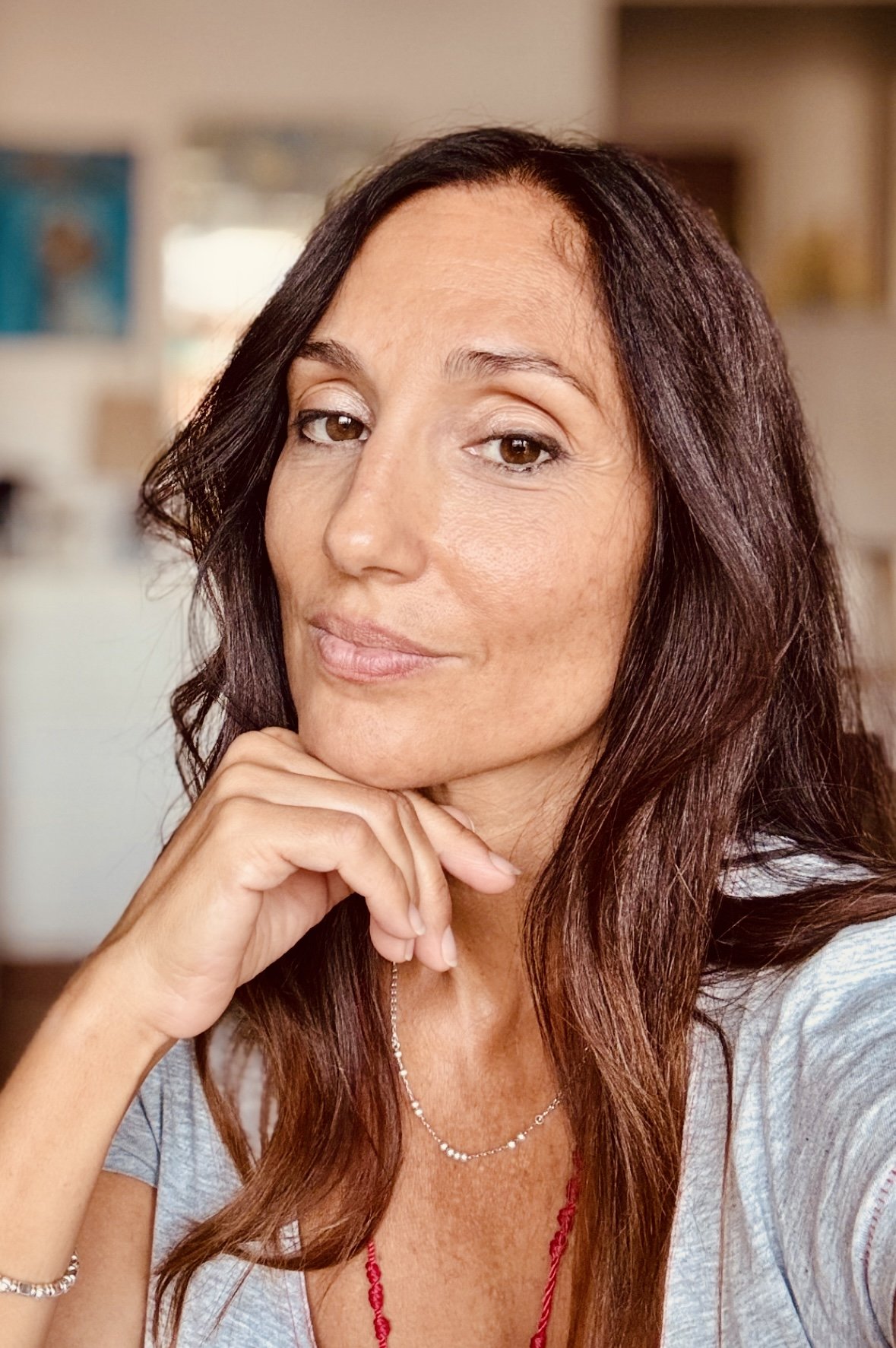
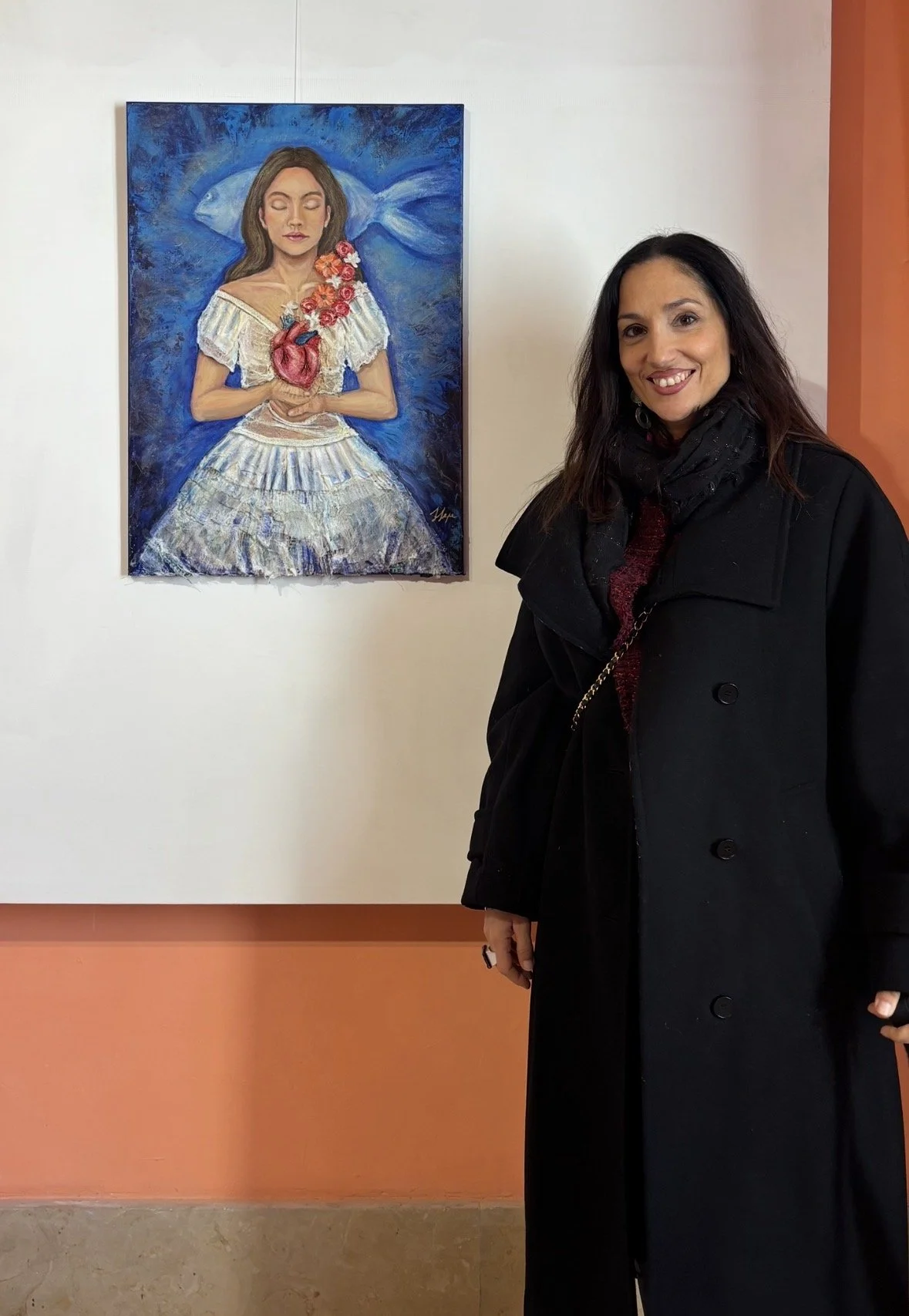
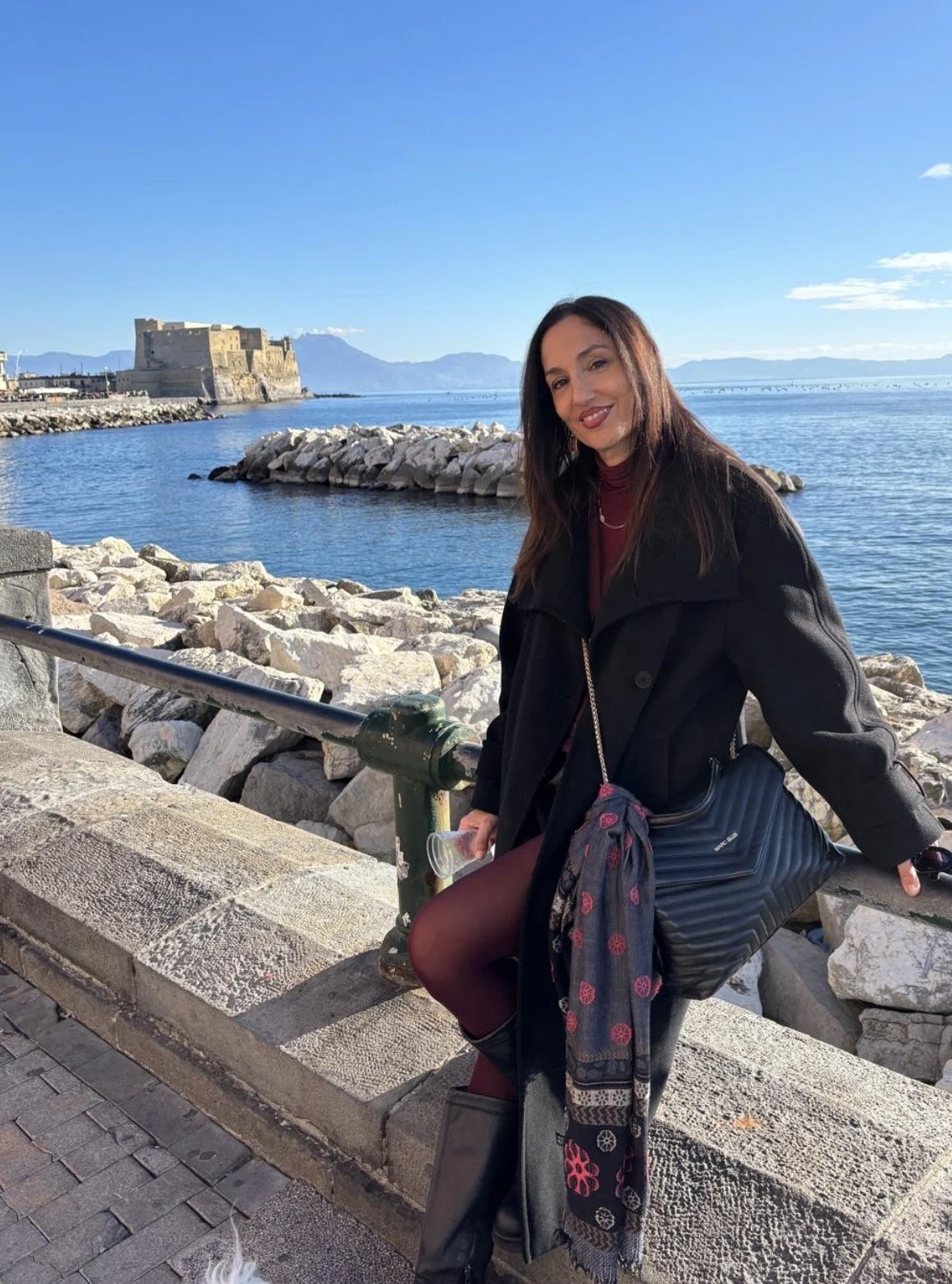
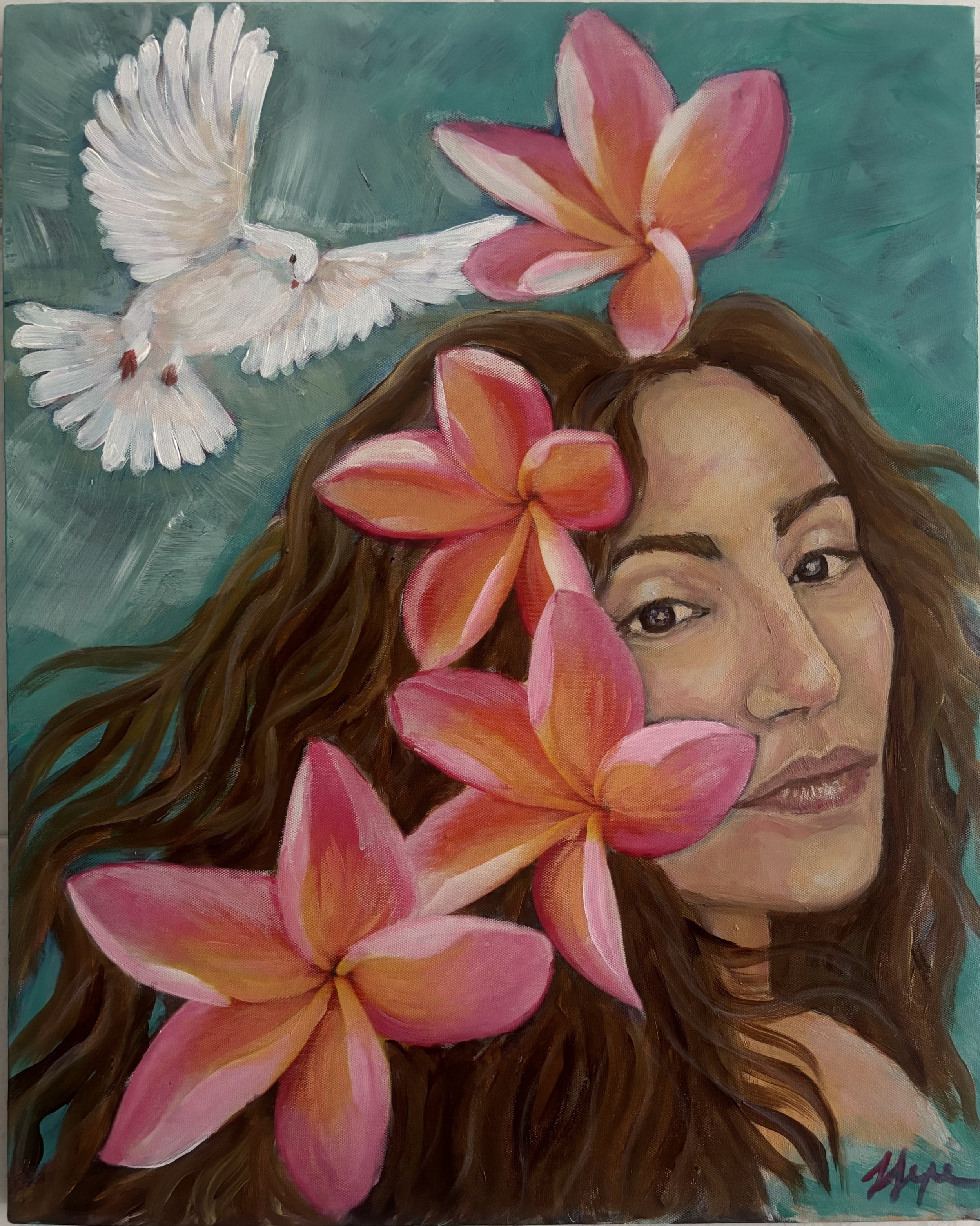
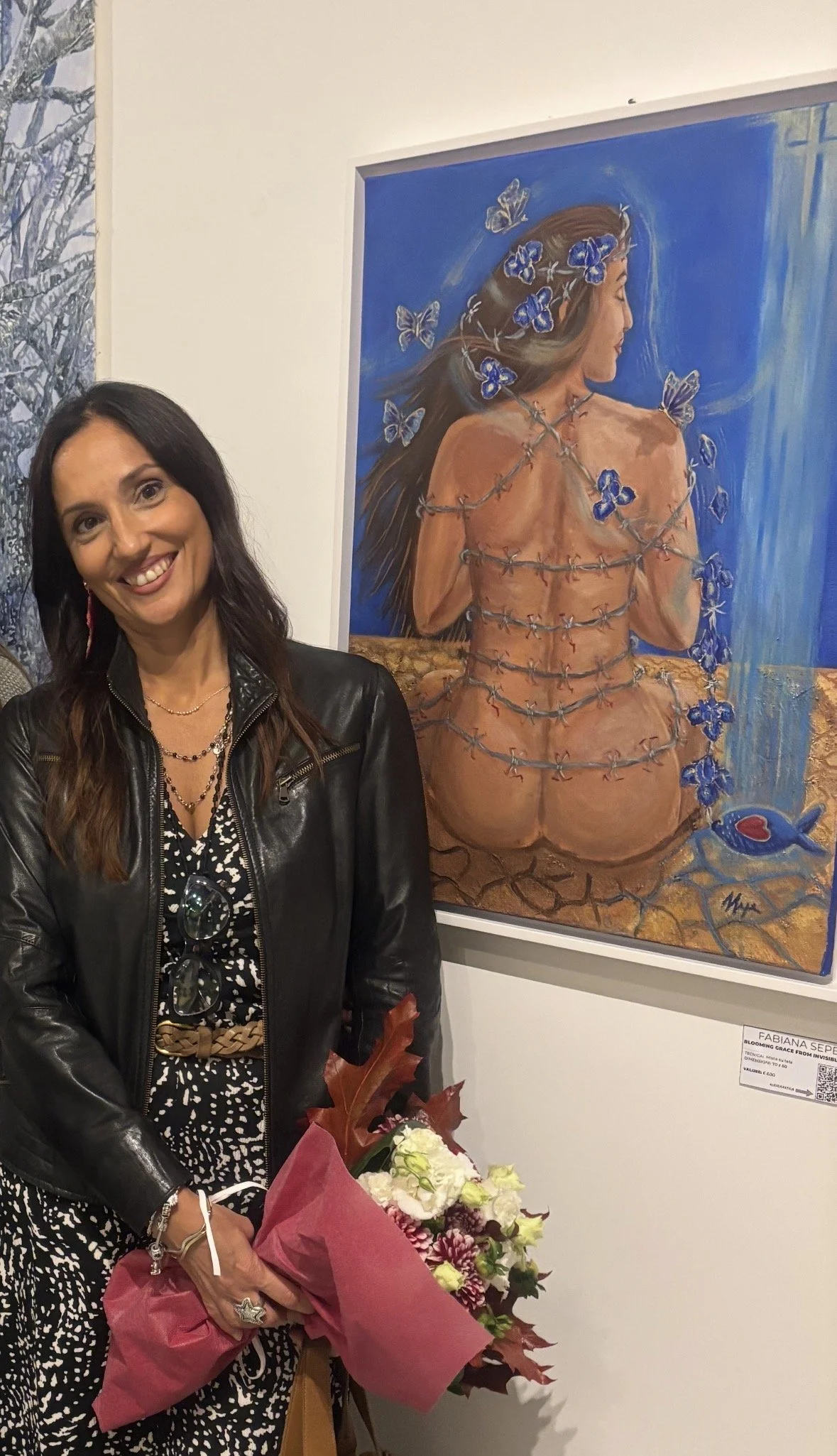
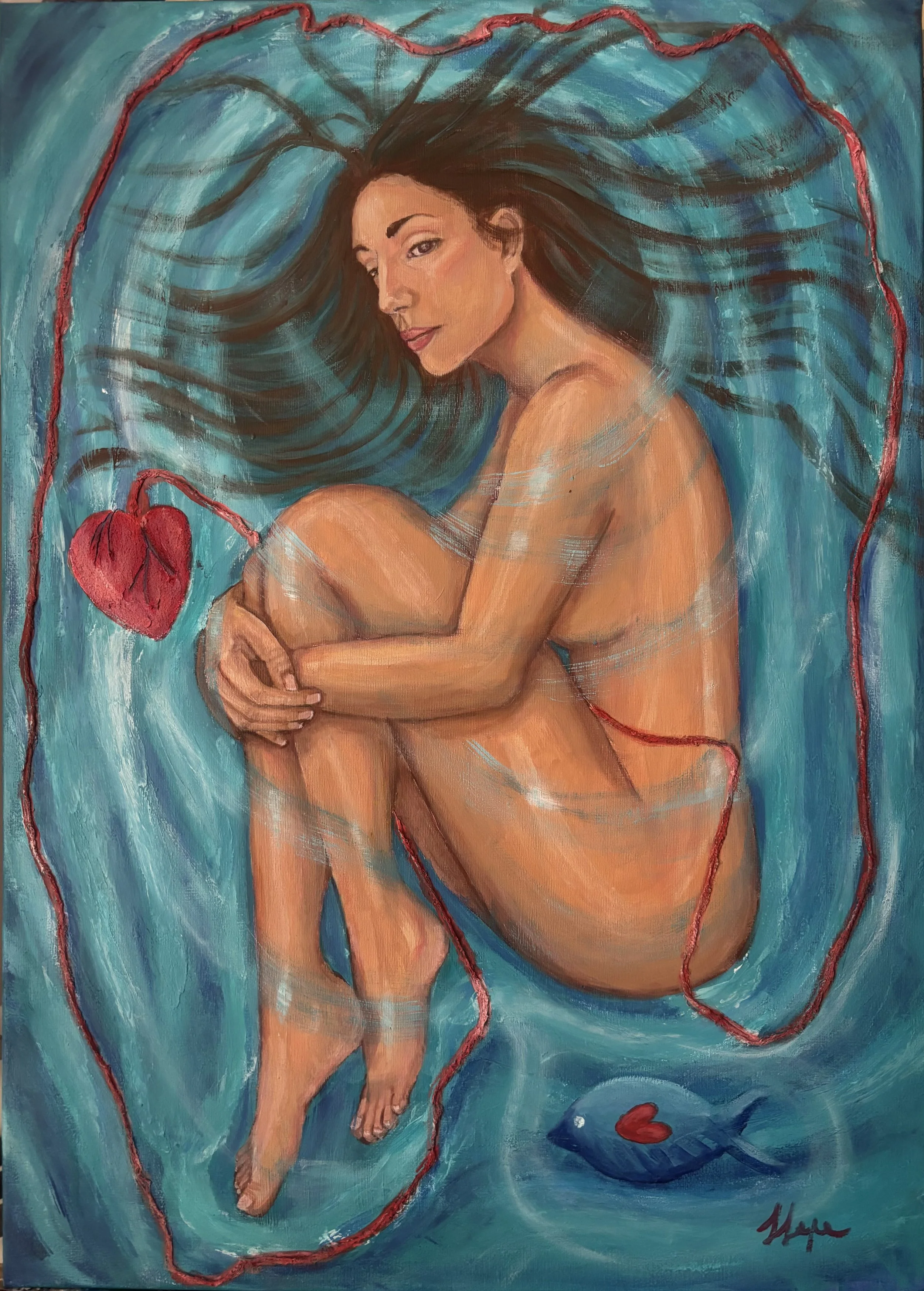
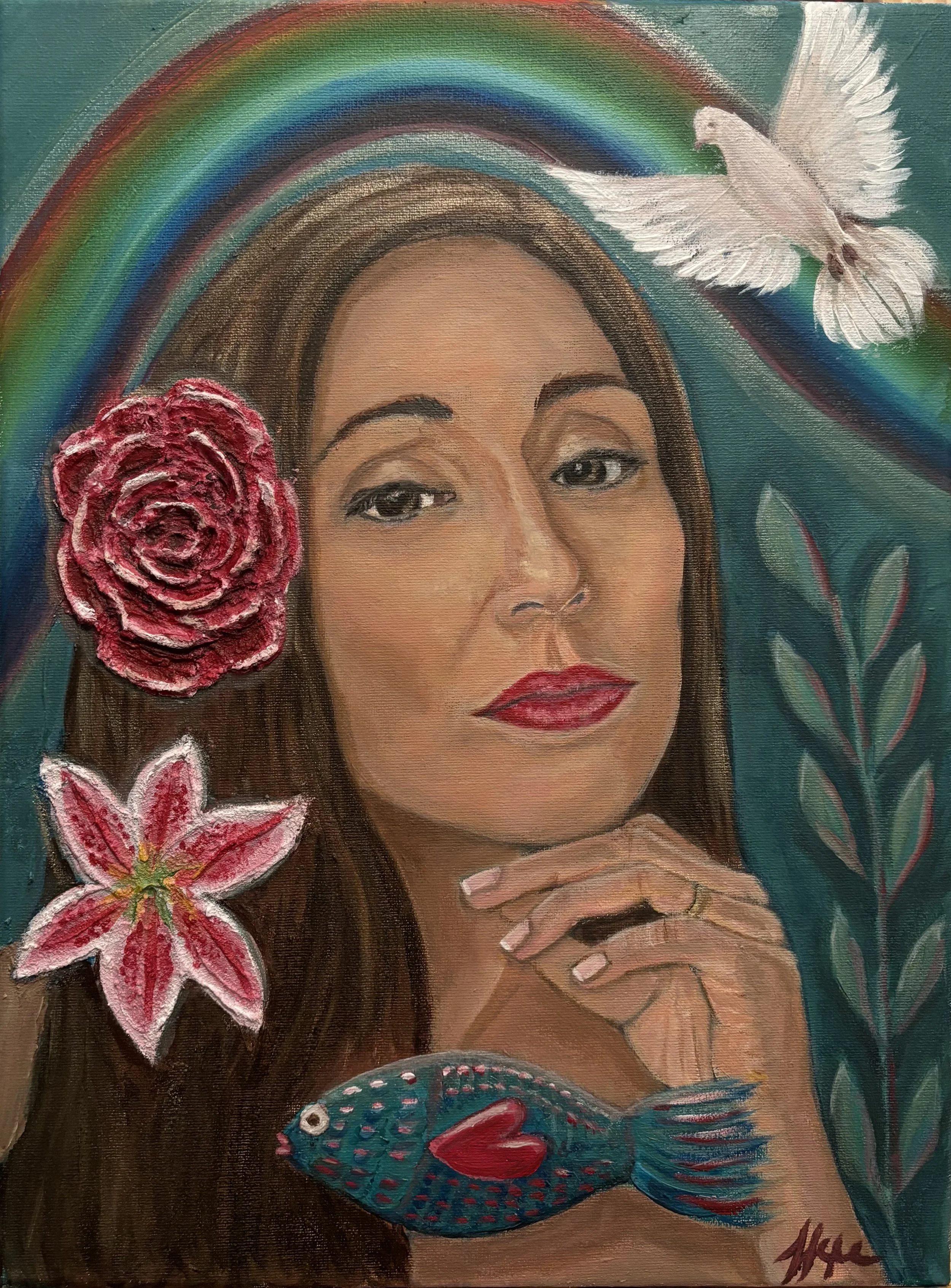
Born in Naples, Fabiana Sepe lives and works in Rome. She is a visual artist and a high school teacher. Her artistic research focuses on the intersection of matter and spirit, using art as a vehicle for healing and social awareness. Her art explores “Material and Spiritual Resilience,” with a particular focus on female inwardness. Her art is a visual narrative where layers of color and texture transform memory and invisible pain into “Blooming Grace.” Influenced by the concept of beauty through fragility, she uses her practice as a medicine to give shape to what has no voice, creating a bridge between the visible and the invisible. She is self-taught and her journey was supported by continuous personal research. Fabiana attended numerous workshops and advanced courses in oil and acrylic techniques. Her work is an ongoing study of symbolism, feminine spirituality, and materic expression.
What is your background and how did you start your journey in the art world?
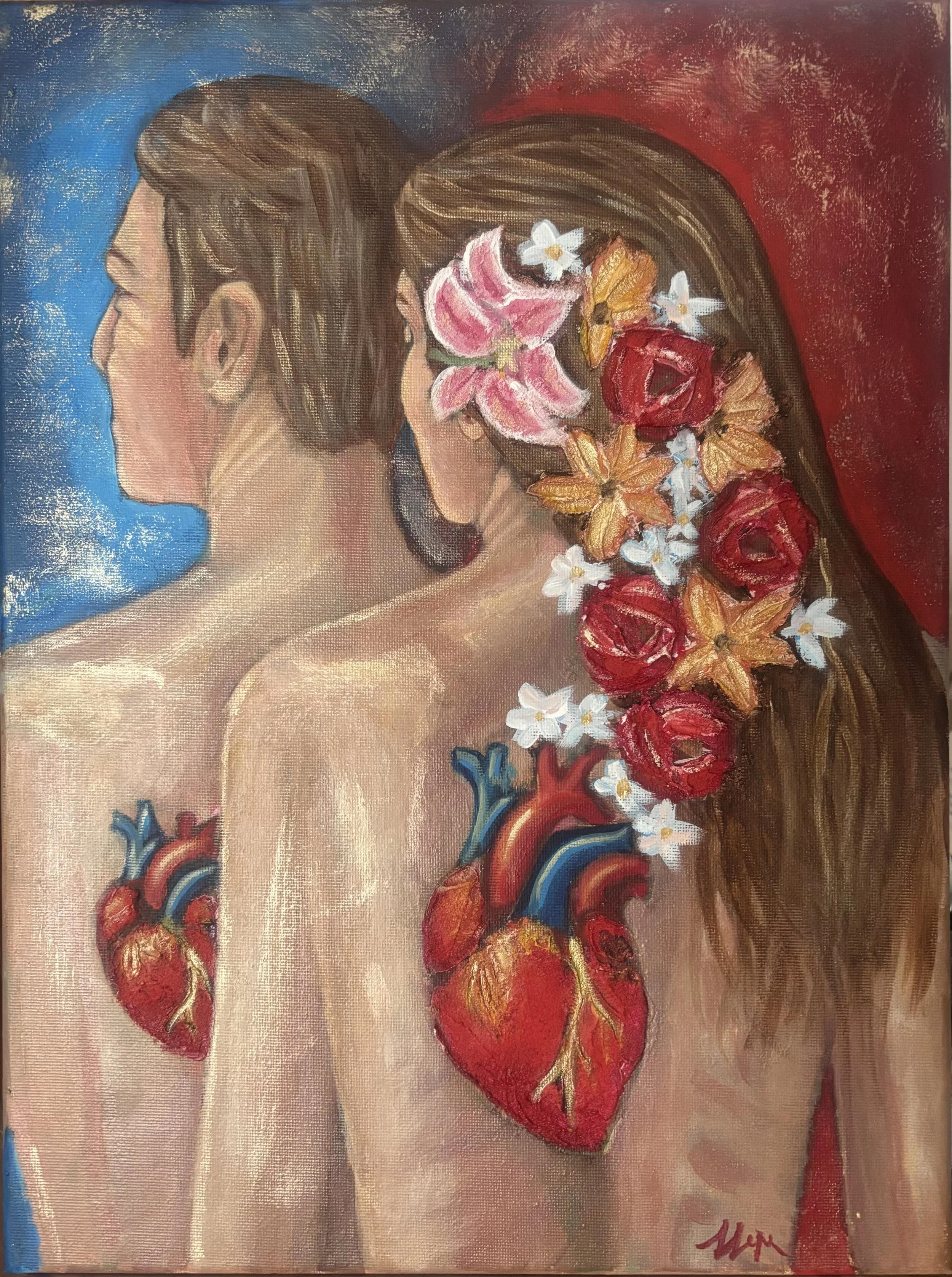
“My passion for art began in childhood, in my hometown, Naples, but my artistic journey consolidated in Rome, where I currently live and work, as a deep-seated response to life's experiences. For me, painting is a vital necessity of the soul—a way to give shape to what has no voice. My background is rooted in the idea that art is a silent language of rebirth. I see my work as a visual narrative that transforms memory and emotions into suggestive images capable of speaking directly to the viewer's soul. I often use mixed media and textures because I believe every artwork should have a ‘tactile history’ of layers and materials, mirroring the complexities of our own lives.”
What inspires you?
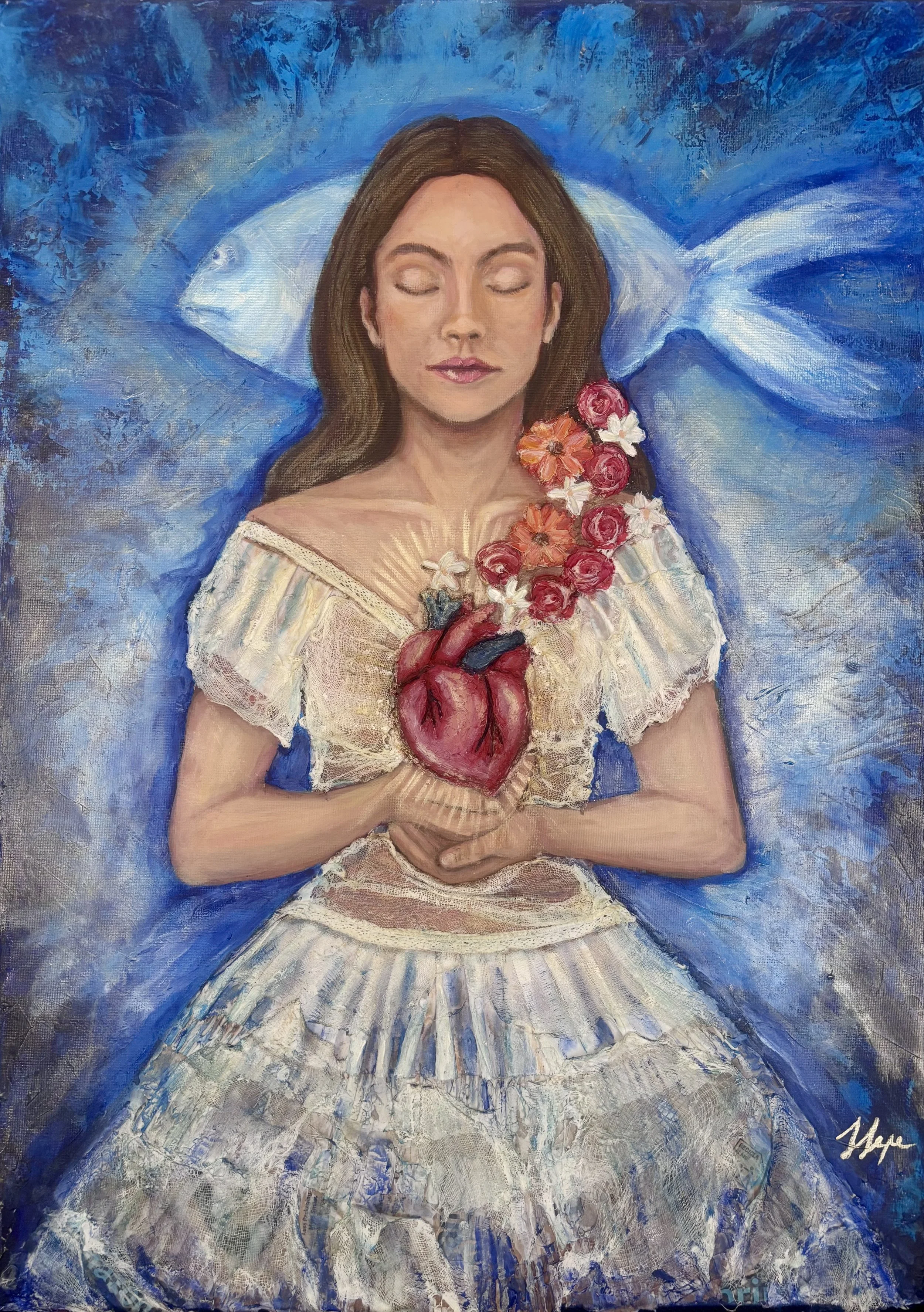
“My inspiration is deeply rooted in my faith—a quiet root and a constant light along my path. A fundamental part of my story is my experience with fibromyalgia; in moments of great physical fragility, art became my medicine. That is why I am fascinated by the concepts of fragility and resilience: the way a soul can find transcendence through struggle and how light always finds a way to break through darkness, creating ‘Blooming Grace’ even through invisible pain, transforming a physical limit into a creative force.”
What themes do you pursue? Is there an underlying message in your work?
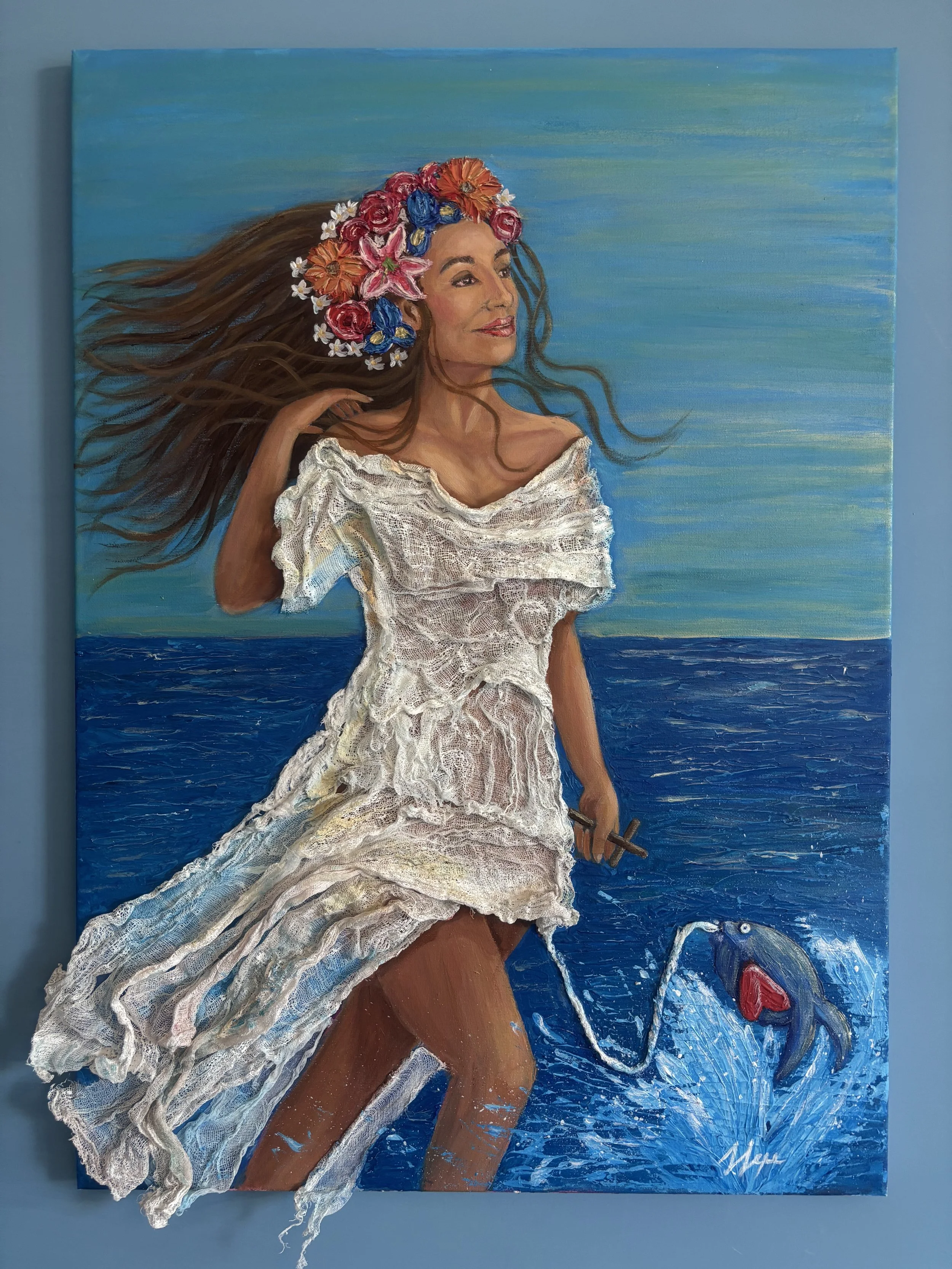
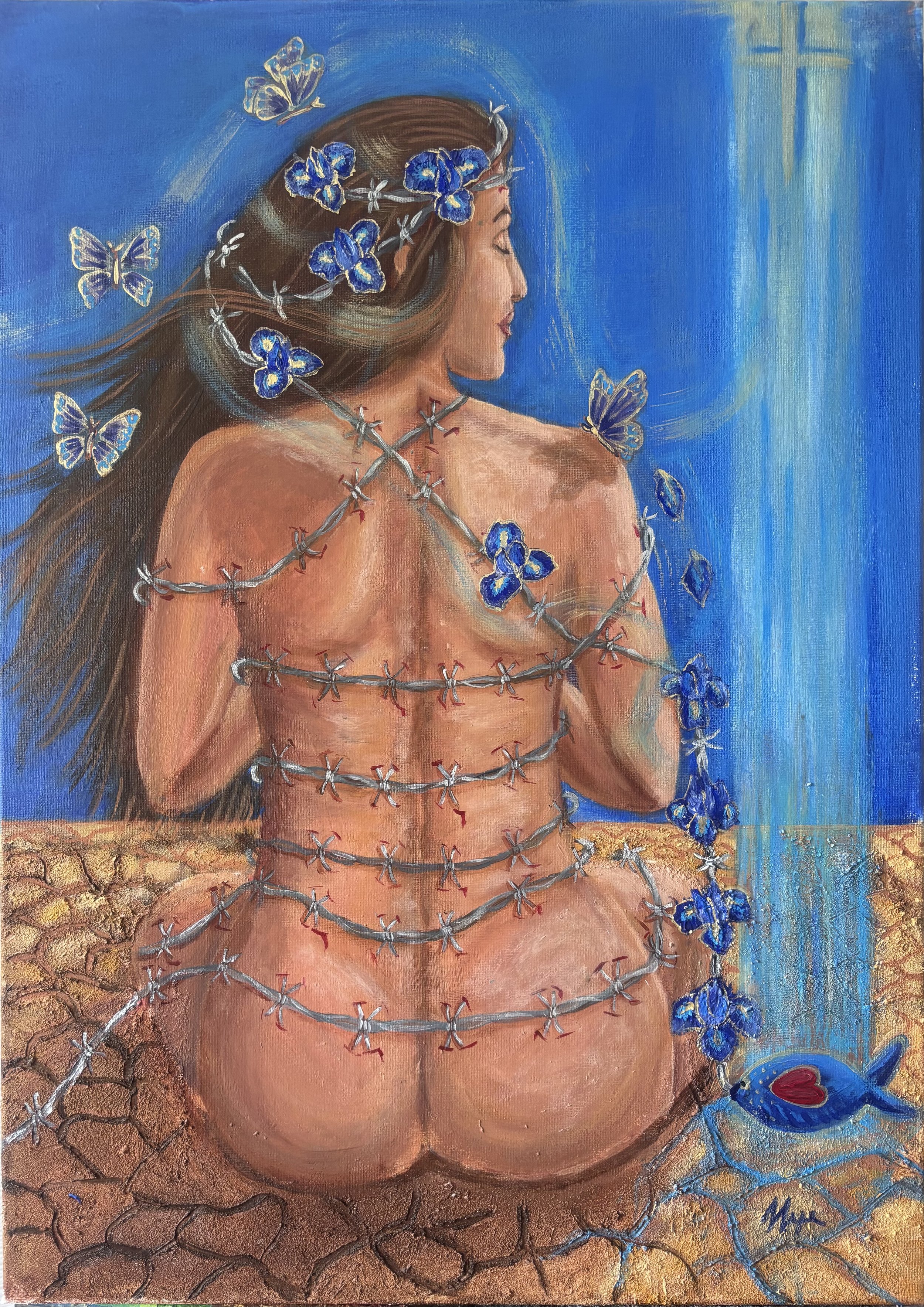
“I pursue themes of inwardness, resilience, with a particular focus on the female experience, and the bridge between emotion and matter. The underlying message is one of transformation: even in our most fragile moments, there is a path toward light. I want my art to offer the viewer a journey inside themselves, finding beauty in the middle of change. As I explore in my work ‘Nobody is Waste,’ I want to show that every fragility can be reused to create something precious. My message is that from invisible suffering, an unexpected grace can always bloom.”
How would you describe your work?
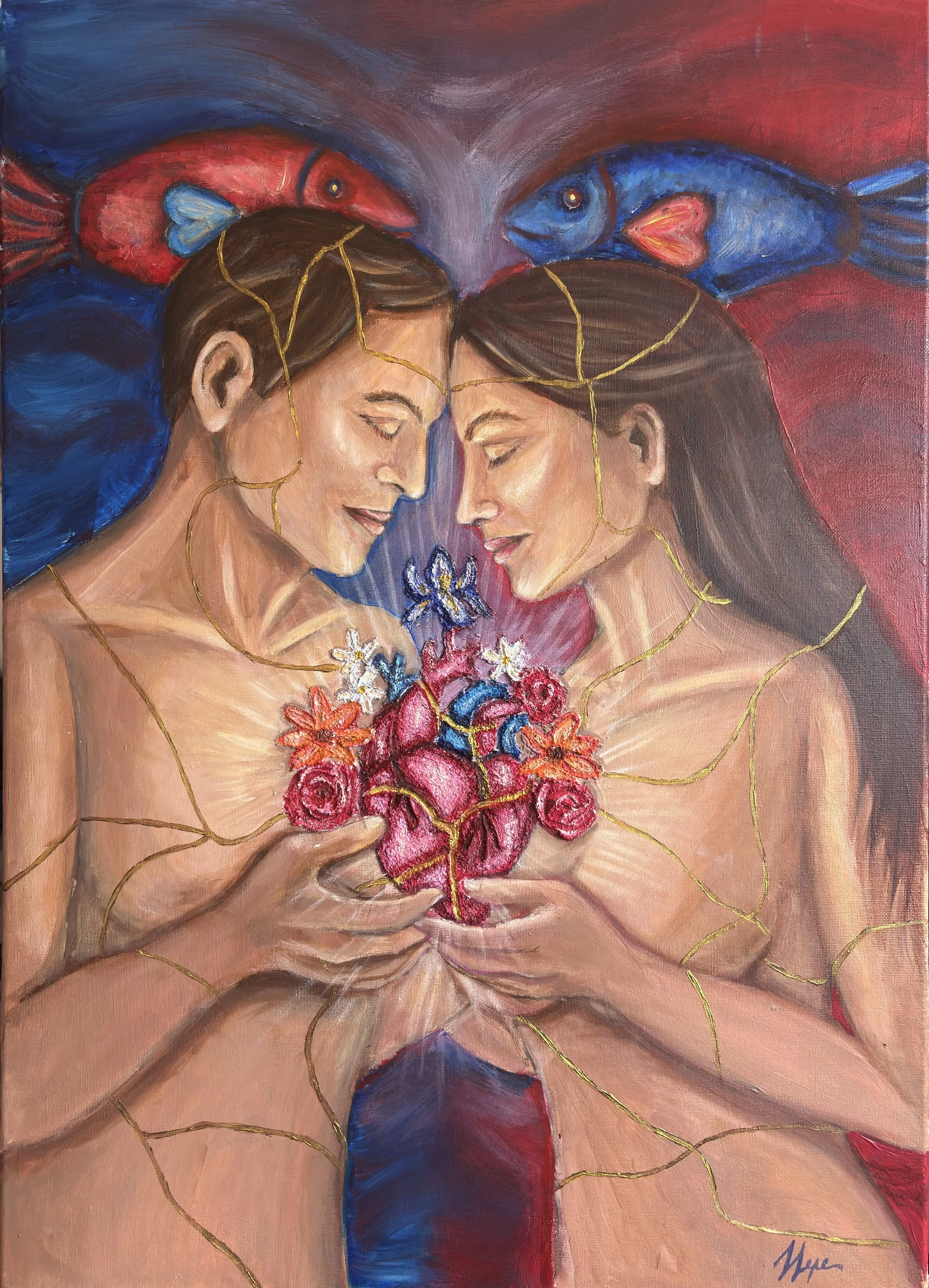
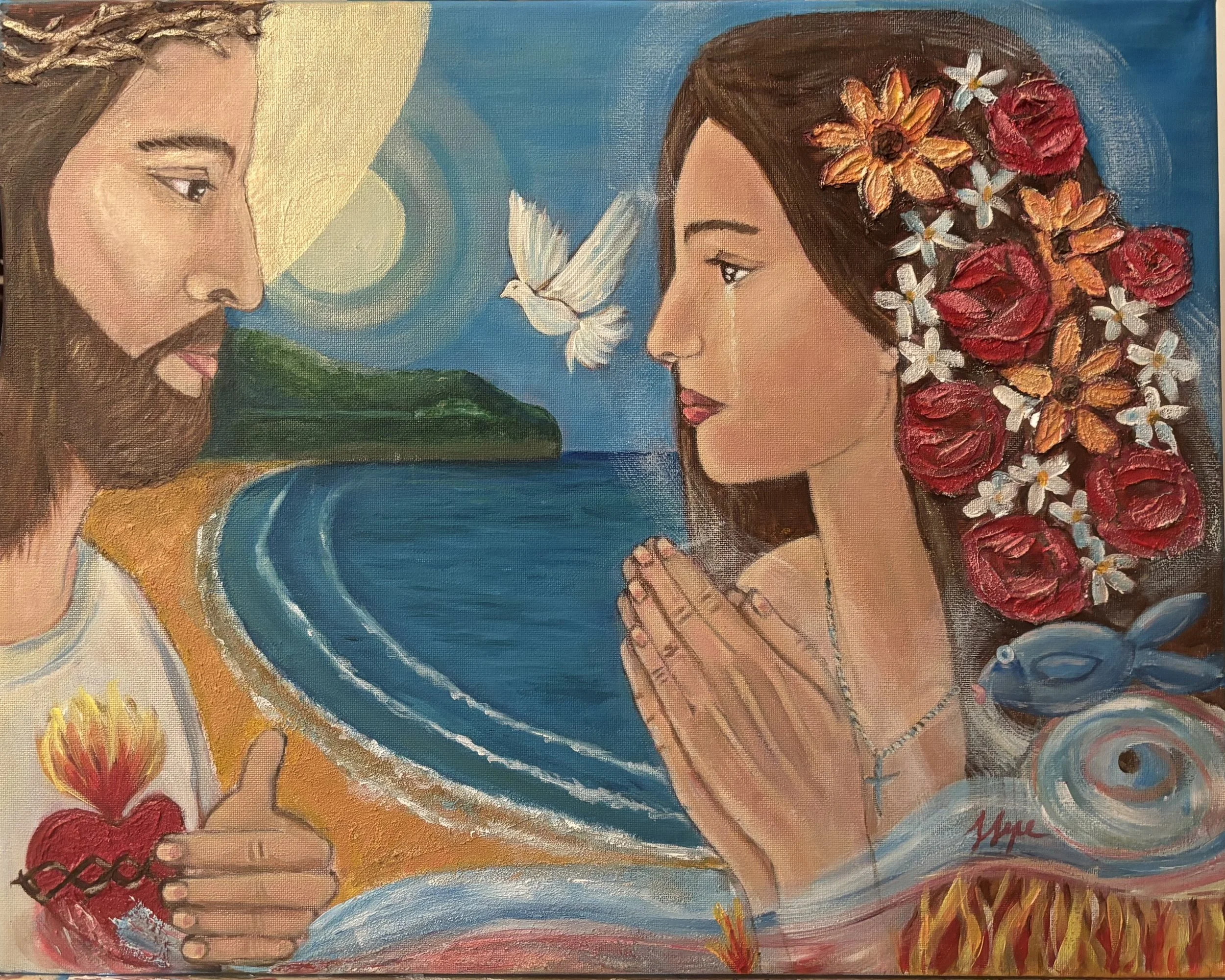
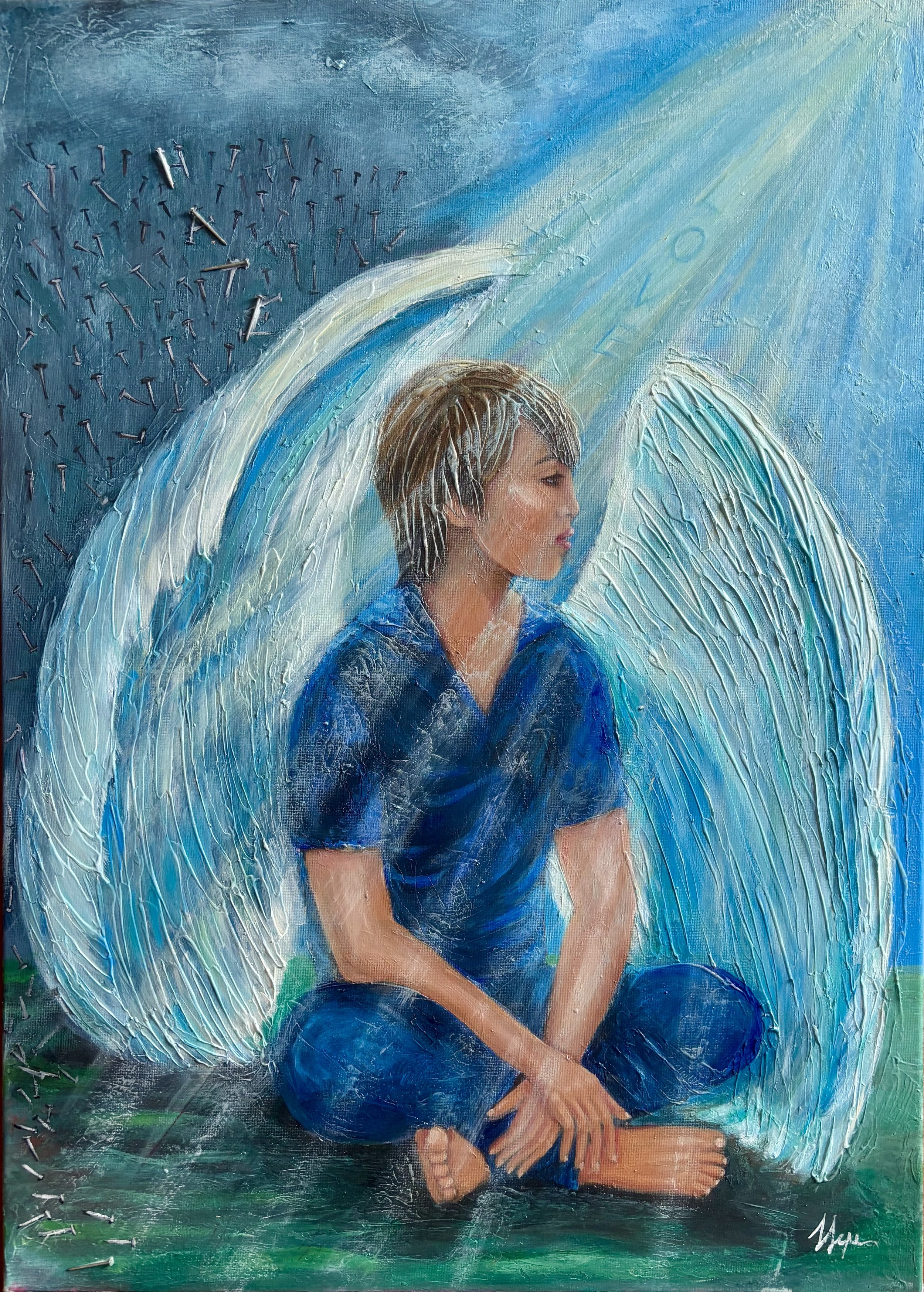
“I describe my work as ‘Material and Spiritual Resilience,’ often centered on the female figure as a symbol of life and rebirth. It is a dialogue between the density of matter and the lightness of the spirit, between abstraction and materiality. I use a process of layering where color isn’t just aesthetic, but pure emotion taking physical shape on the canvas to create a bridge between the visible and the invisible. I often incorporate real elements, like the nails in ‘Wings of Love,’ to represent the hardships of life, contrasted with symbols of protection and spiritual healing.”
Which artists influence you most?
“I am influenced by the way classical masters handled light, but I find great resonance in contemporary material art. Artists who use texture to tell a story allow the viewer to ‘feel’ the artwork beyond just seeing it, and that is what I strive for. Some have even compared my journey to that of Frida Kahlo; while it is a great honor to see such elements in my work, I certainly share with her the experience of physical pain transformed into beauty. As the ailing Renoir once said to Matisse: ‘The pain passes, but the beauty remains.’ What distinguishes me from Frida, however, is my spiritual faith and my focus on materiality. Additionally, my daily influence comes from my students; as a high school teacher, the energy and social challenges they face—such as bullying—deeply move my creative vision and give my art a social purpose.”
What is your creative process like?
“My process is instinctive yet meditative. It begins with a fragment of memory or a specific emotion. I let the colors guide me, layering materials until the image reflects an internal state. My faith plays a key role; I feel a superior light guiding my hands, helping me transform physical tension into visual harmony, turning a moment of suffering into a slow revelation of beauty.”
What is an artist’s role in society and how do you see that evolving?
“I believe an artist’s role is to pause time and offer a space for reflection, while at the same time being a healer. In an increasingly fast-paced world, the artist must be a seeker of light and truth, providing a visual sanctuary where people can reconnect with their own humanity and spiritual depth. We have a social responsibility to give voice to the invisible and the marginalized, acting as a ‘wing of love’ that protects and shines a light on social darkness.”
Have you had any noteworthy exhibitions you'd like to share?
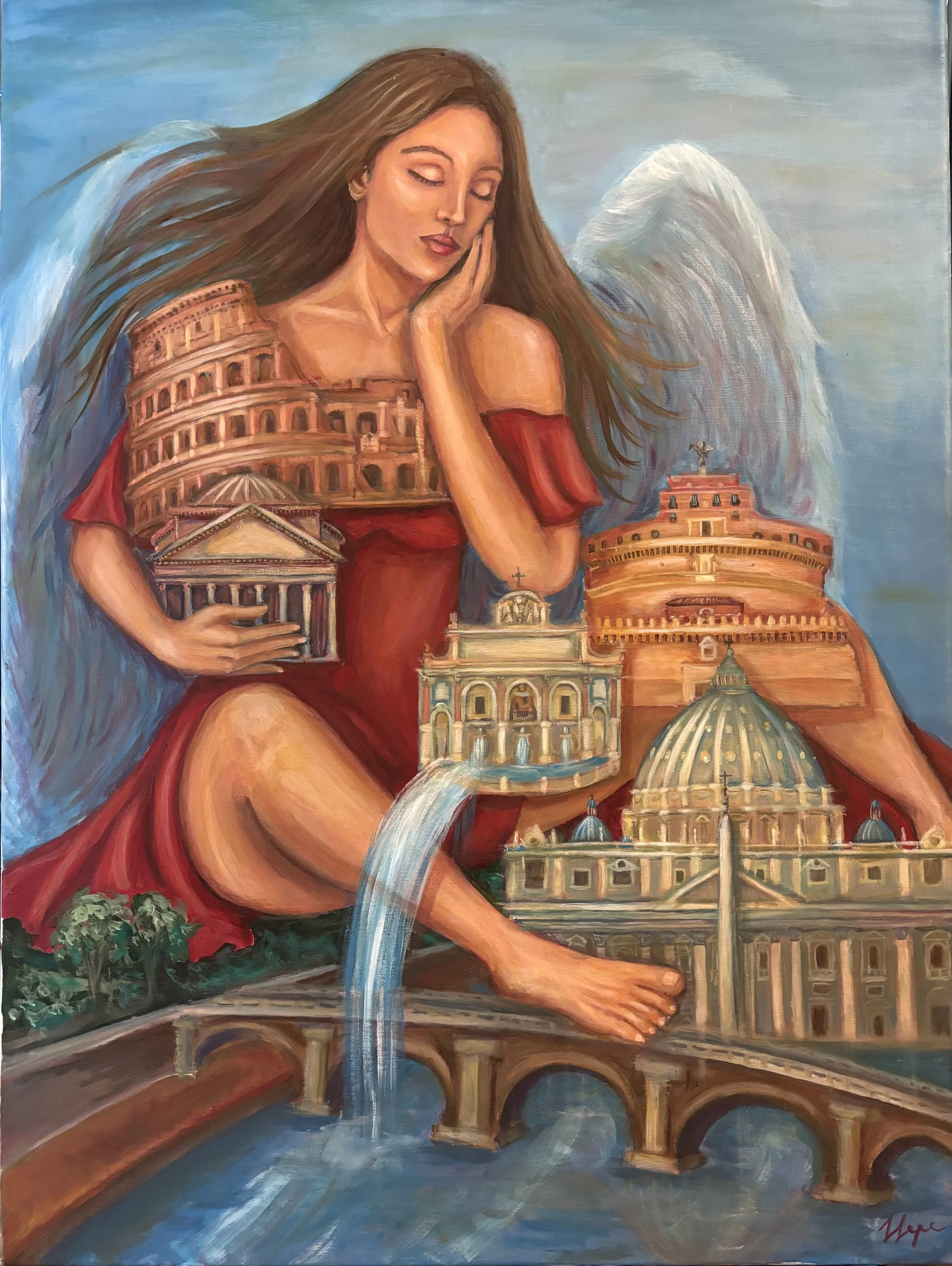
“I have been part of several meaningful projects and exhibitions, such as Rome Art Week (RAW 2025). However, the most noteworthy experience was donating my work ‘Wings of Love’ to the family of a victim of bullying during a dedicated event organized by Art Global at the European Parliament headquarters in Rome. This moment represented the perfect union between my artistic practice and my commitment to social healing. Furthermore, I am very proud to have received the First Prize for my artwork ‘Love Kintsugi’ at the ‘Amare con Arte’ exhibition in February 2026—a recognition that celebrates the beauty found in mending one's wounds.”