
Epik Starr
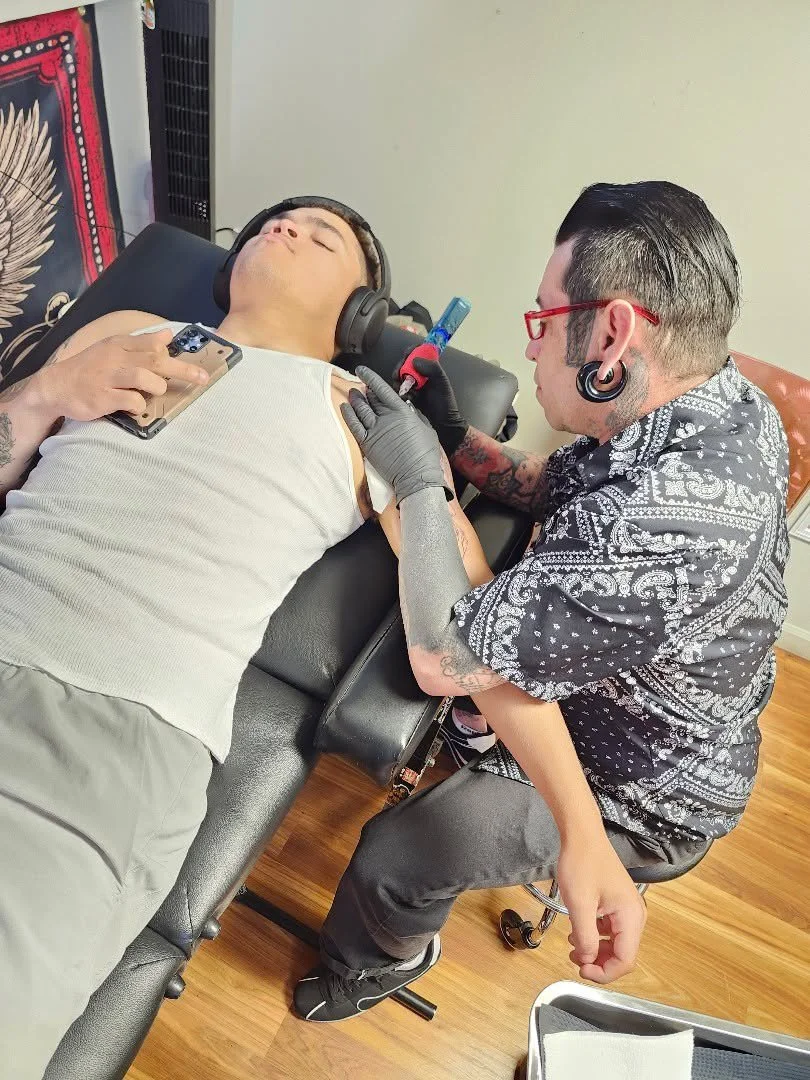
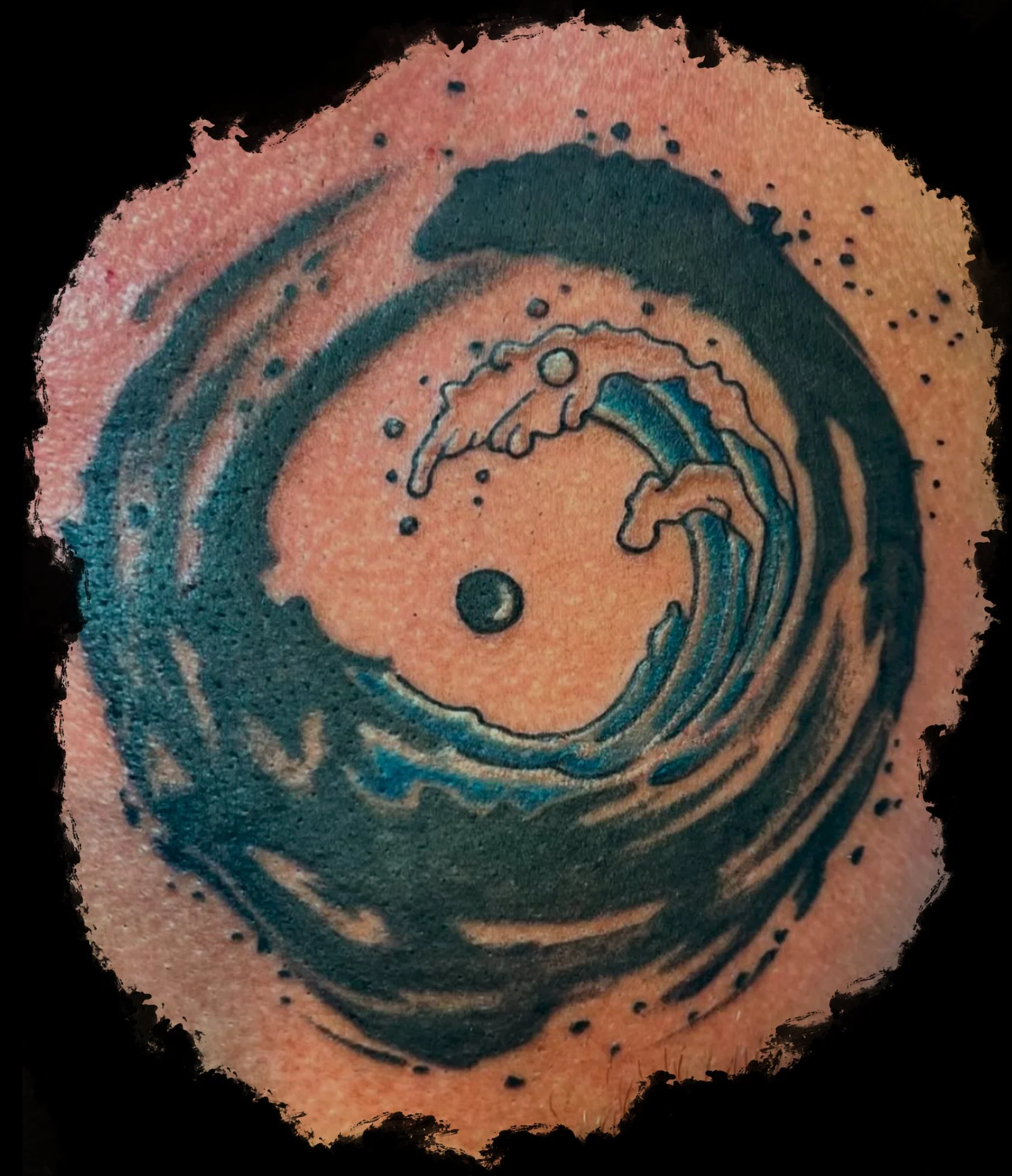
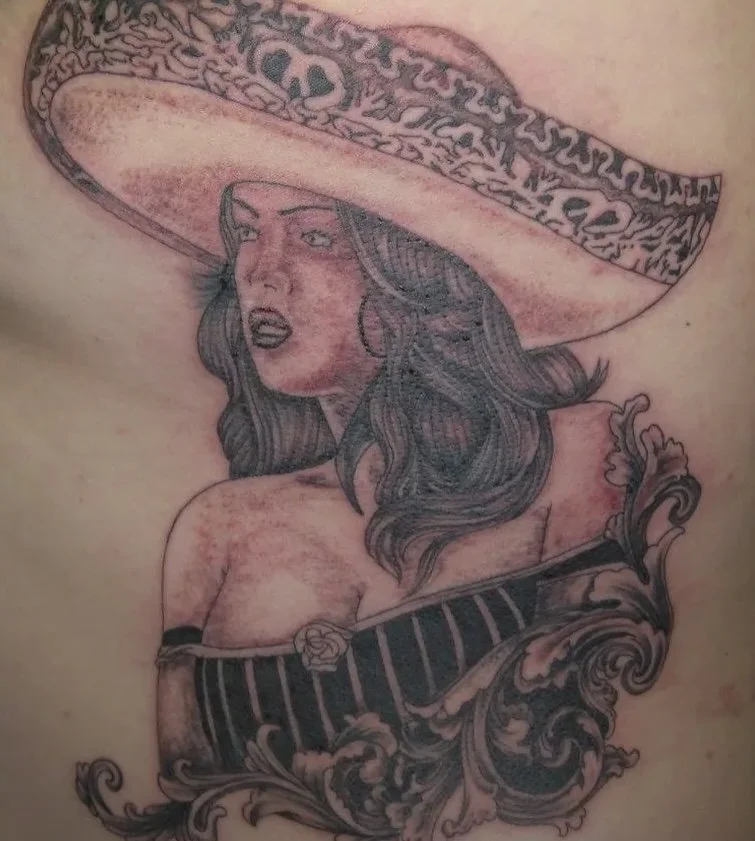
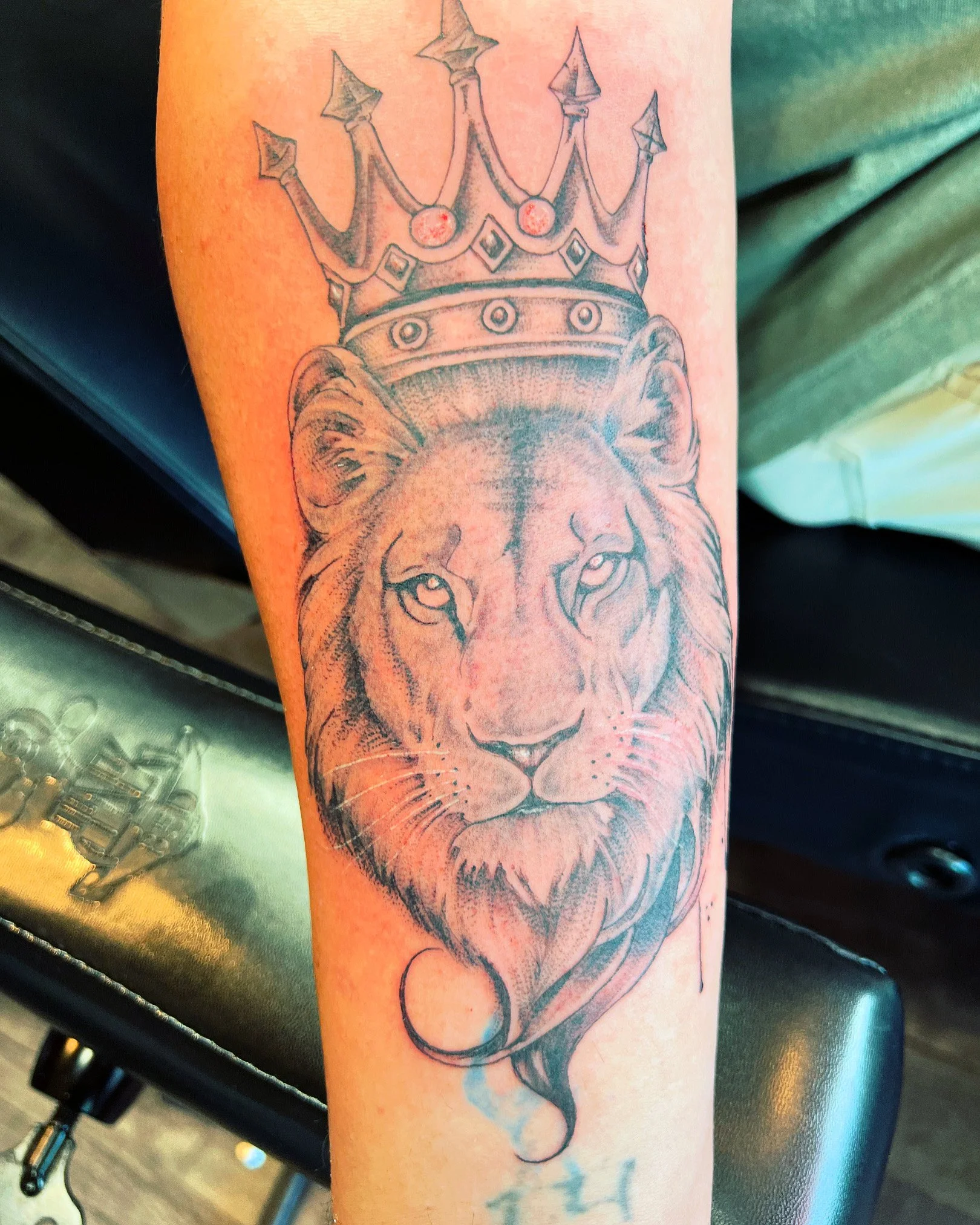
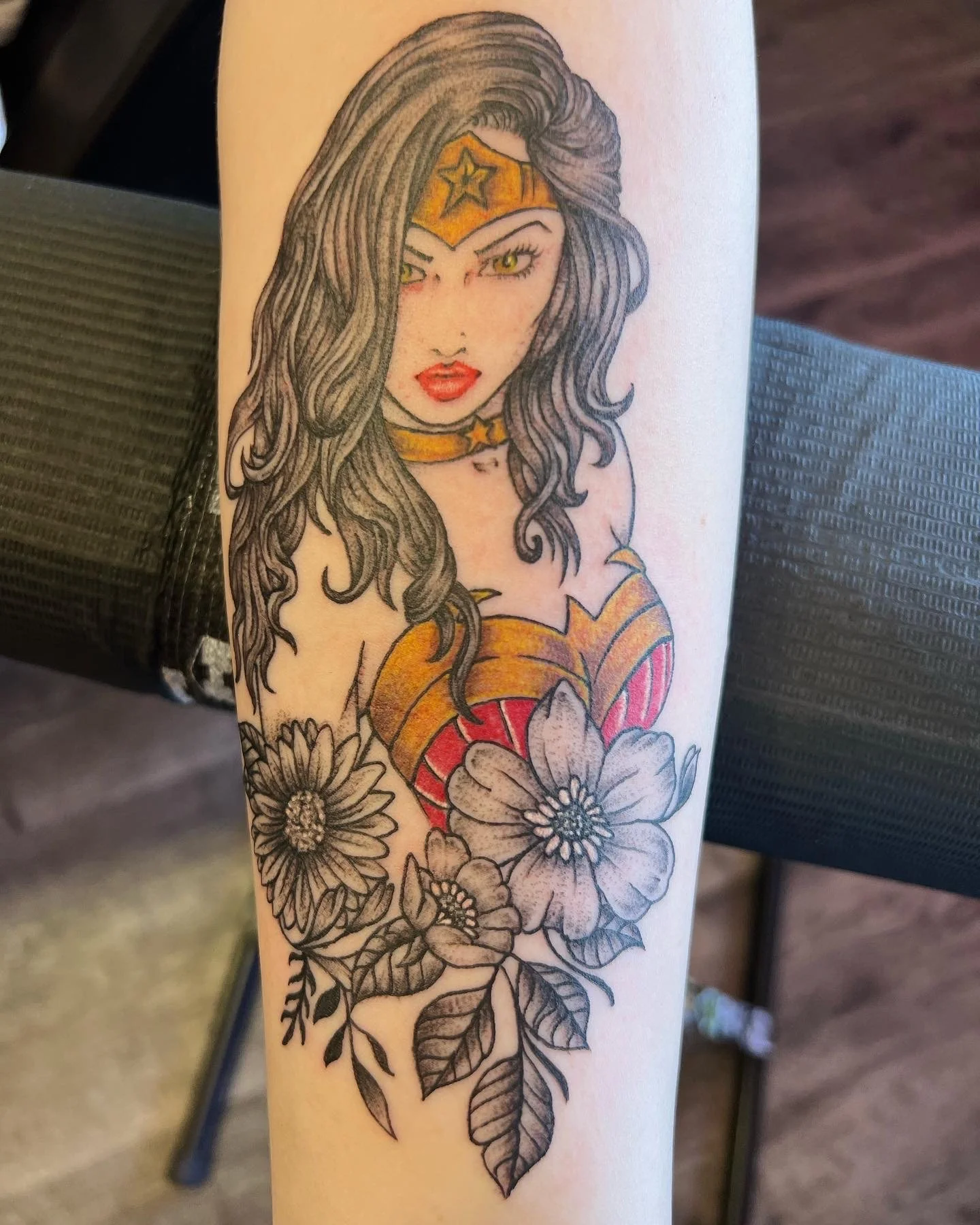
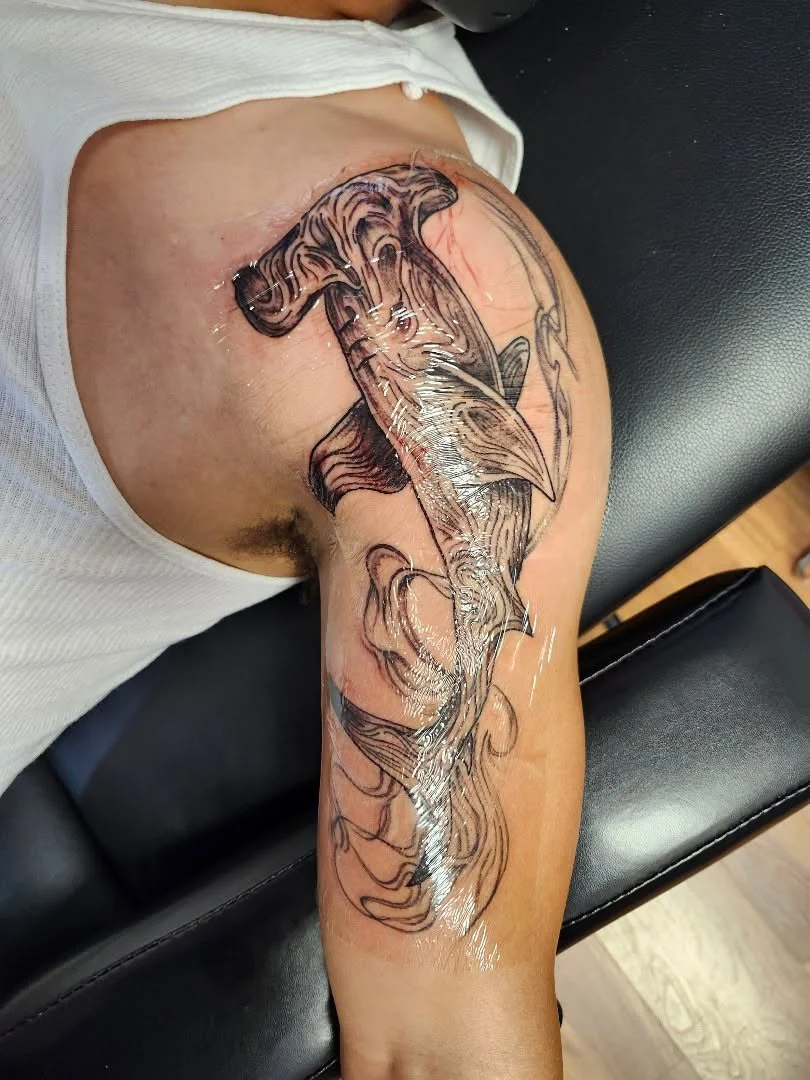
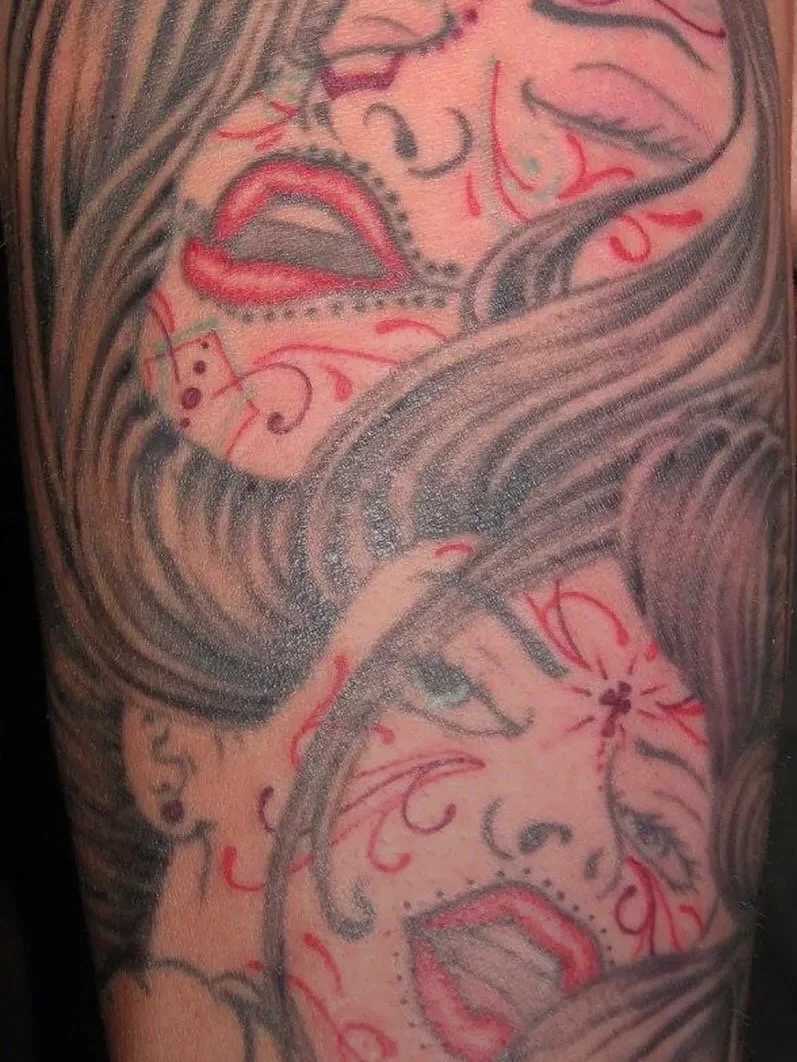
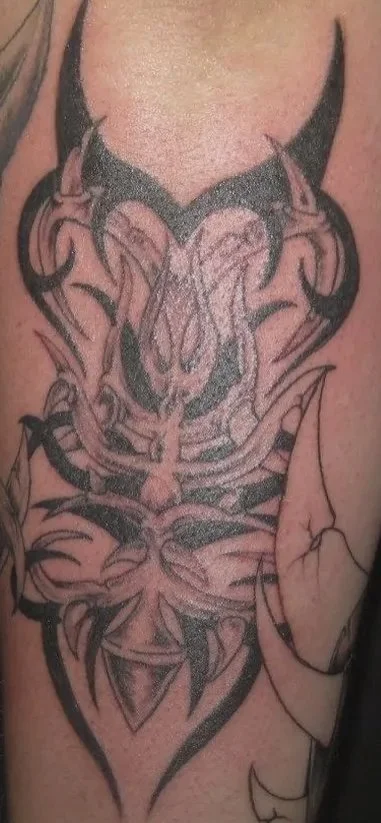
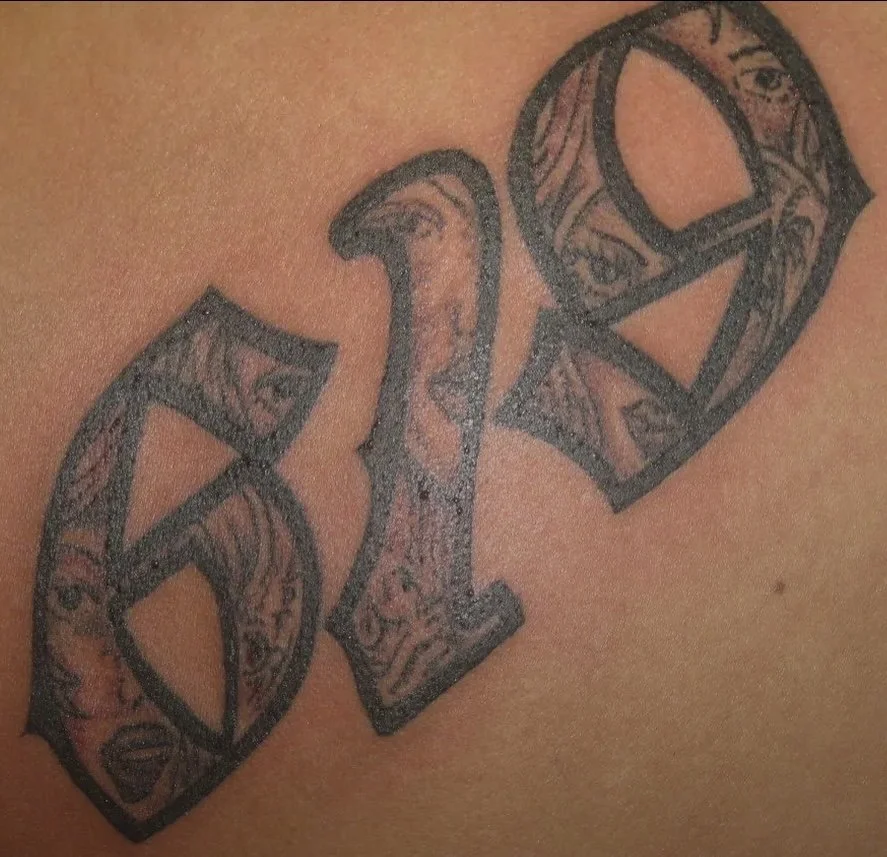
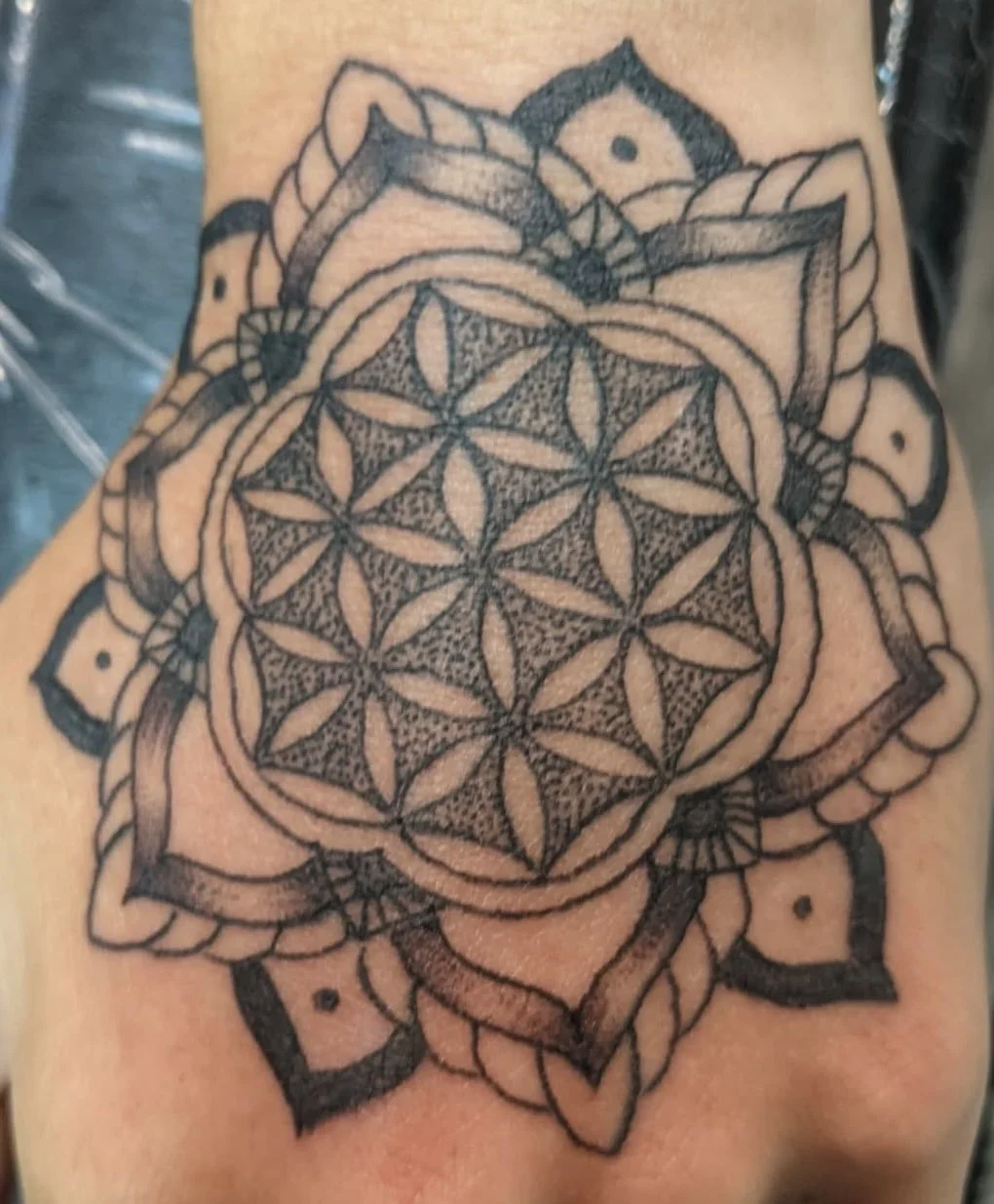
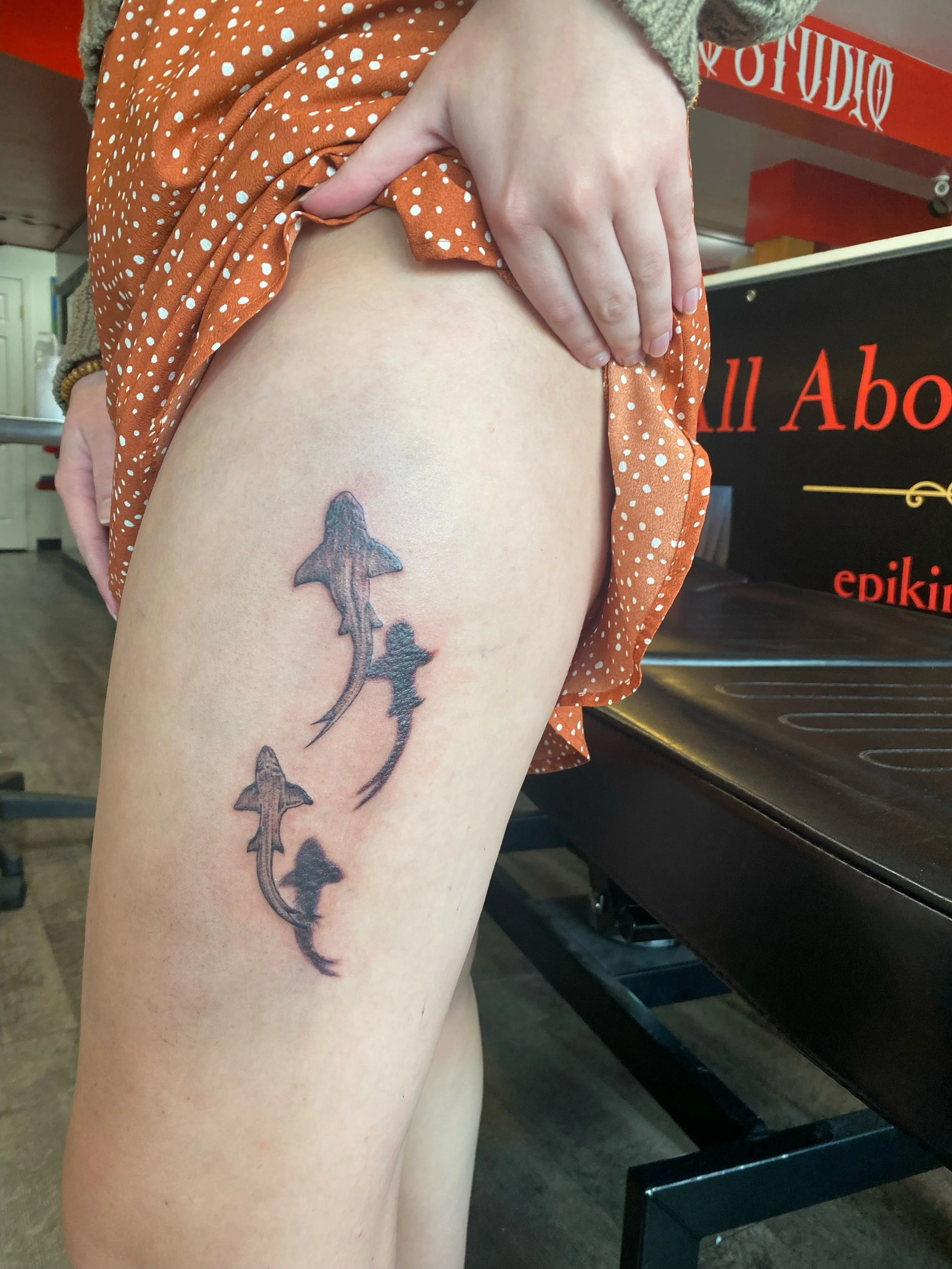
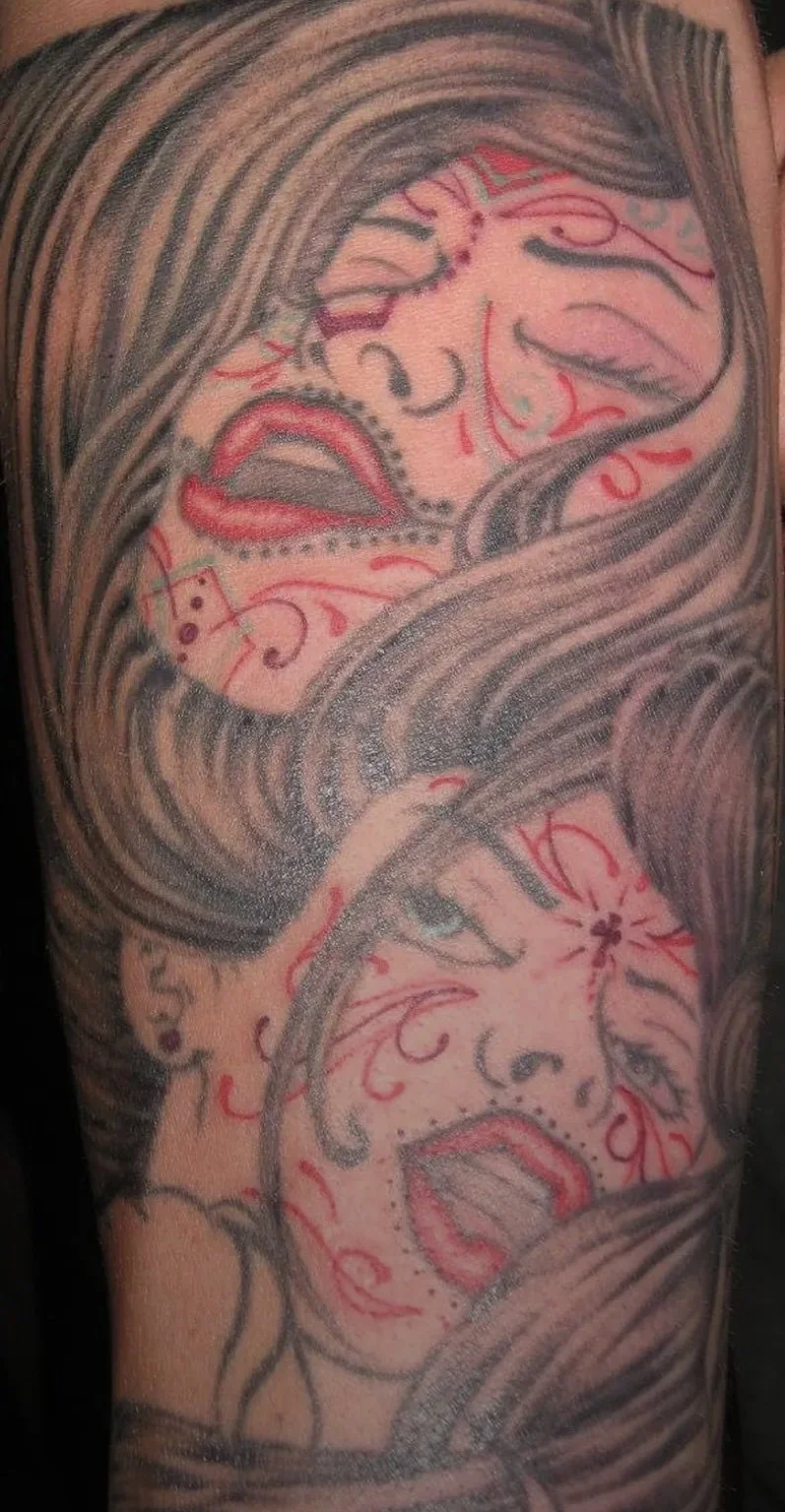
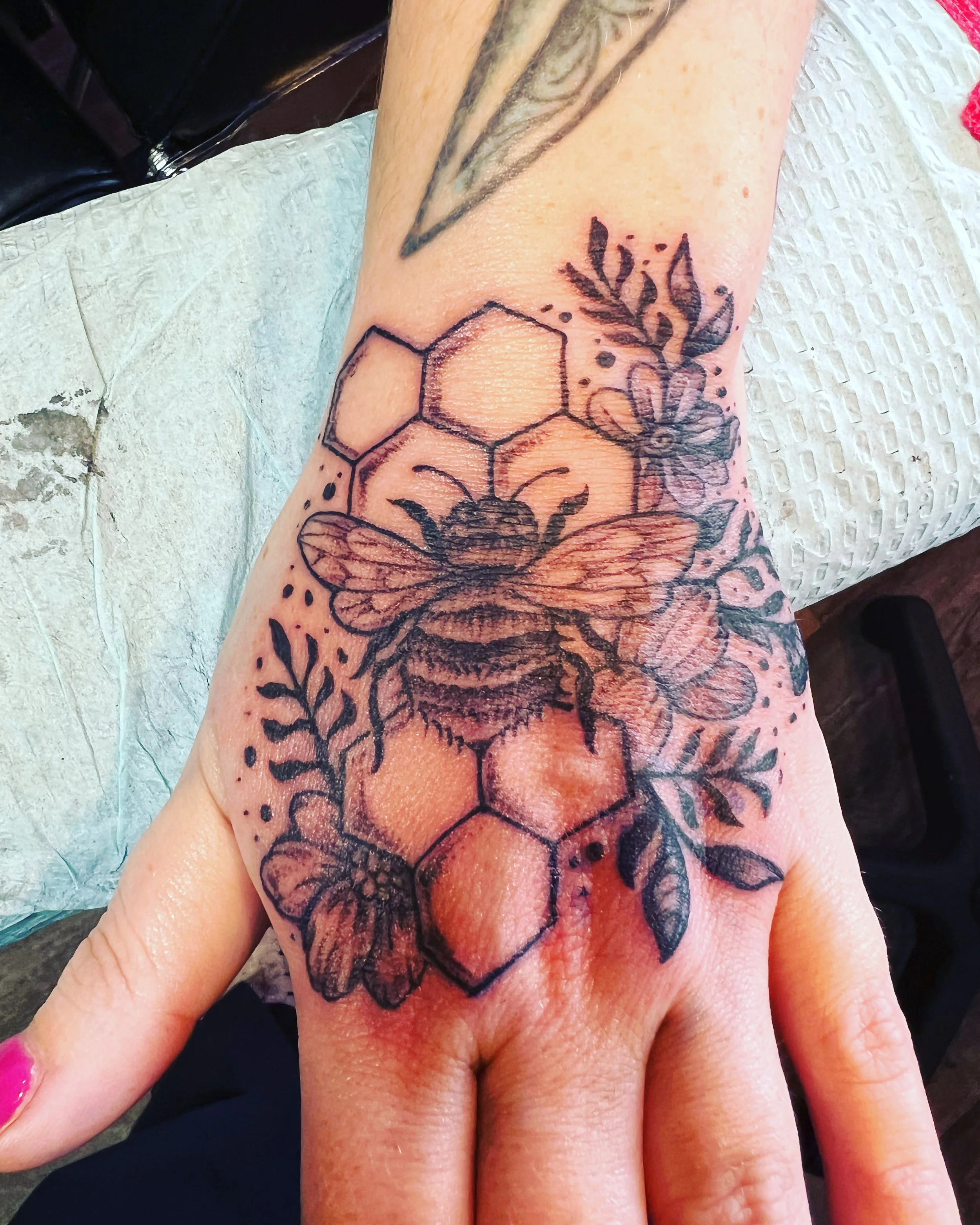
Epik Starr is a tattoo artist and painter based in Spokane, Washington. Born in El Paso, Texas, and raised by his grandmother in Ciudad Juárez, Chihuahua, he grew up connected to the culture and imagery of Mexico, which continue to inspire his work. Art and skateboarding have been part of his life since childhood; as a teenager, his skateboard was his main way of getting around. His creative influences include tattoo artist Joe Capobianco, Roman, local graffiti art, and the skate culture he grew up around. In recent years, he has also begun developing a collection of hand-painted skate decks, including cartoon-inspired pieces and tattoo imagery. His work reflects a lifelong interest in art, culture, and personal expression.
What is your background and how did you start your journey in the art world?
“I was born in El Paso, Texas, and raised by my grandmother in Ciudad Juárez, Chihuahua, until I was about eleven. We lived in a vecindad where seven other families shared the space and one bathroom. We didn’t have much, but I remember that time as a beautiful part of my life. My grandmother worked hard and made education important. After school, she always had math problems for me to solve, whether I had homework or not. I started working when I was seven at a brake and suspension shop across the street. I began by taking tires off cars, and by the time I was nine, I could do brakes and many other suspension jobs. The money helped my grandmother with bills, and on payday I could buy myself some candy. That early experience taught me to work with my hands, pay attention to detail, and take pride in learning a skill. Art has been part of my life for as long as I can remember. In my teens, skateboarding was my main way of getting around, and skate culture became a big part of how I saw the world. Over time, my interests in art, tattooing, and painting came together. Today, I work as a tattoo artist in Spokane, Washington, and I’m also excited to share more of my hand-painted skate decks.”
What inspires you?
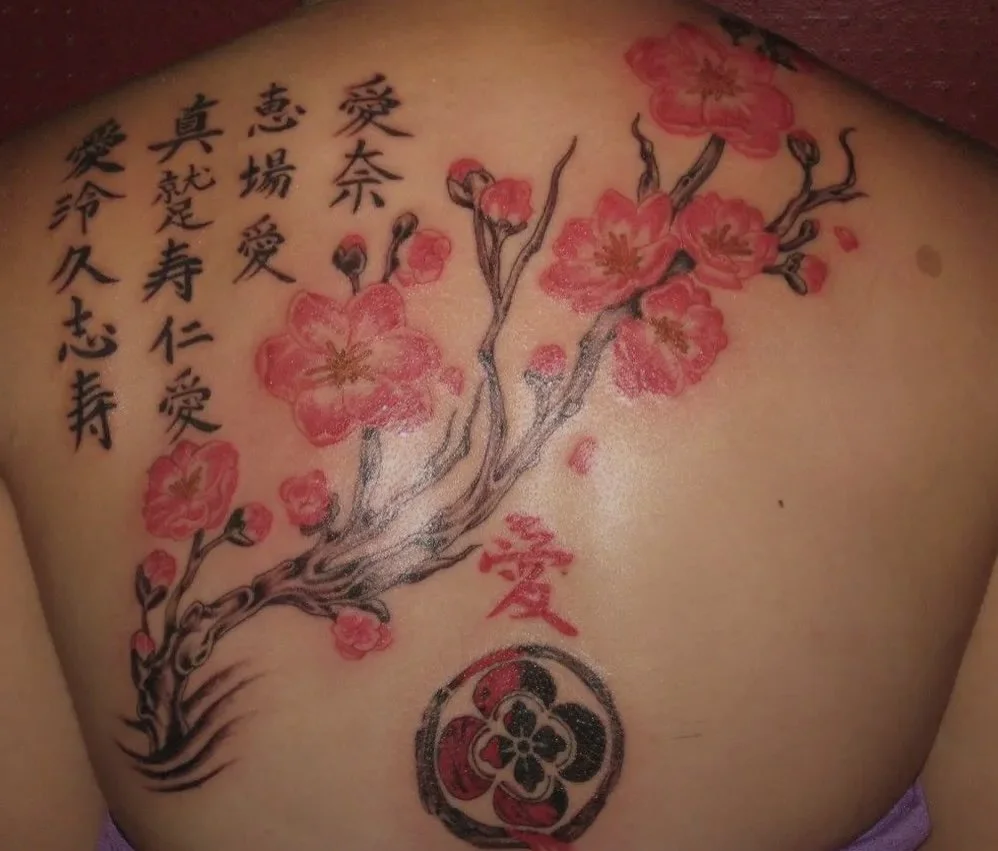
“I’m inspired by the culture and visual history of Mexico and South America, the skateboarding world I grew up around, and the art I’ve encountered throughout my life. I was especially influenced by the graffiti that emerged with the rise of CBS and the local tagging crews. That raw, personal style of making art left a lasting impression on me. I also love cartoons and animation, and that shows up in many of my hand-painted skate decks. I’ve made decks inspired by Disenchantment, Daria, and Futurama, along with a variety of tattoo-inspired designs. Skateboarding, tattooing, and painting all connect for me through the freedom to put your own ideas out into the world.”
What themes do you pursue? Is there an underlying message in your work?
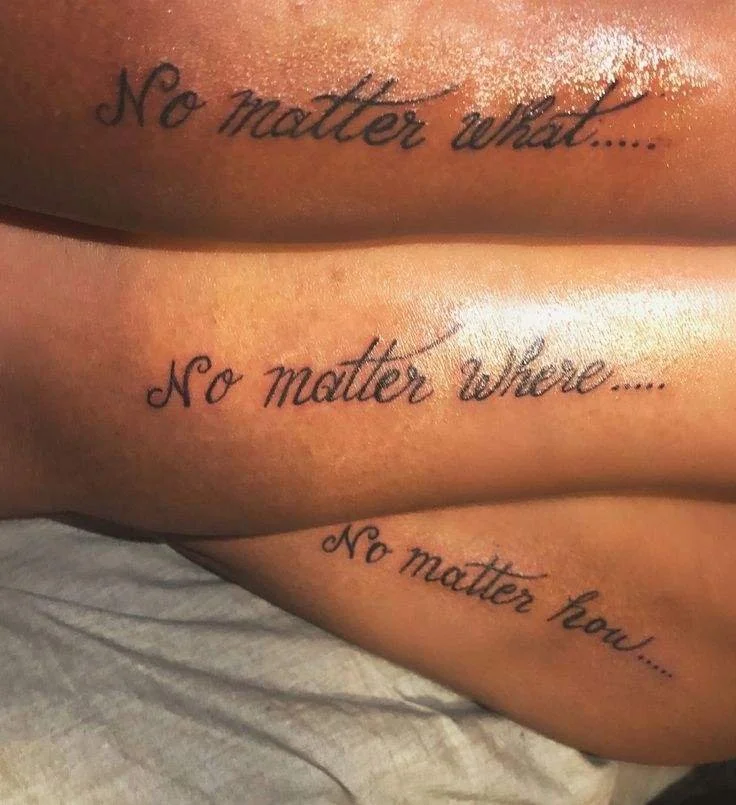
“My work brings together culture, personal expression, and the imagery that has stayed with me throughout my life. In tattooing, I’m drawn to meaningful, custom designs. On my skate decks, I can move between cartoon-inspired images, graffiti influences, and tattoo-inspired art. The common thread is making something personal and recognizable—art that carries a bit of the artist’s perspective and gives someone else something to connect with.”
How would you describe your work?
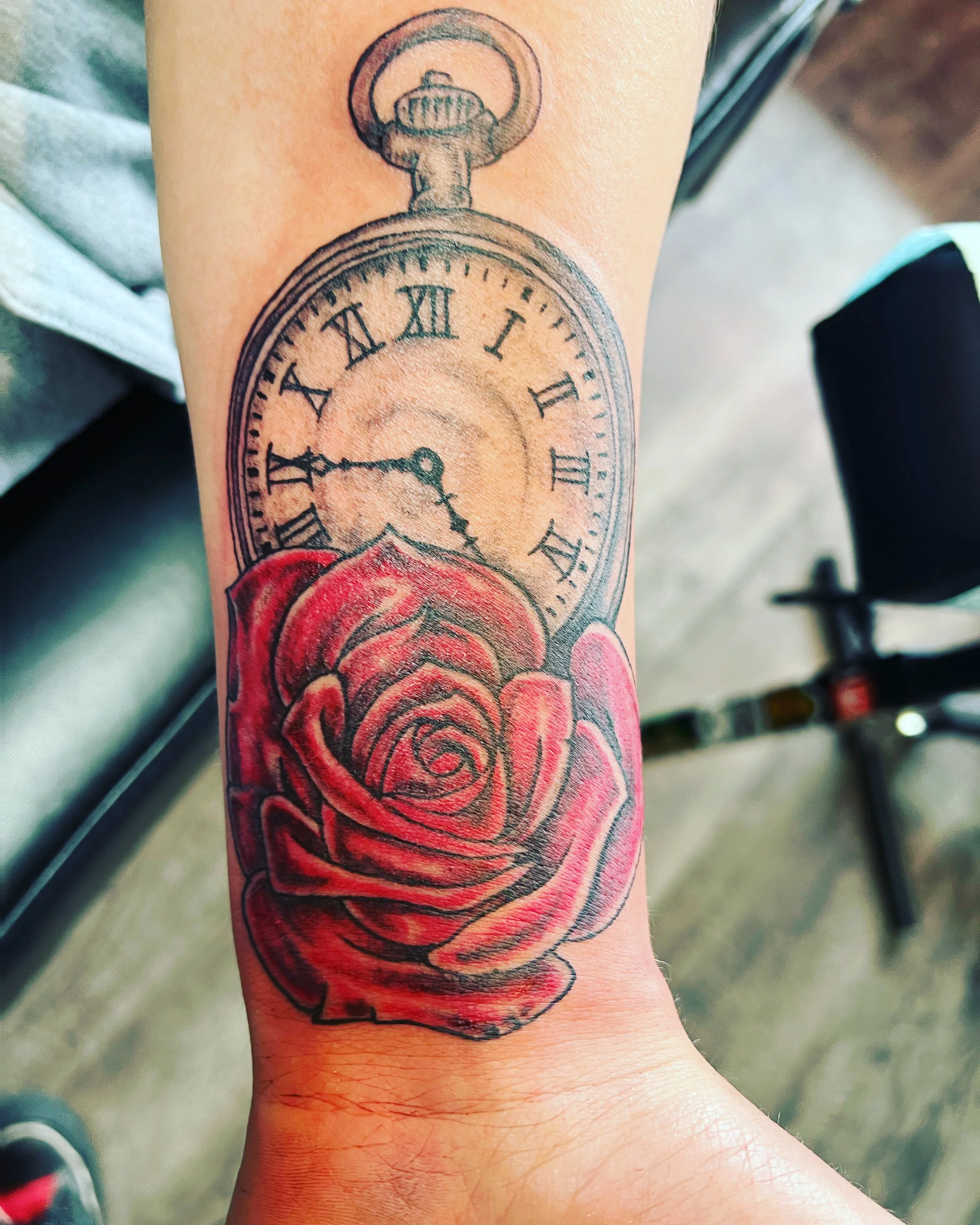
“I’d describe my work as expressive and rooted in storytelling, with influences from tattooing, skate culture, graffiti, and animation. My tattoo work and painted decks give me different ways to explore those influences. I enjoy making decks inspired by cartoons like Disenchantment, Daria, and Futurama, as well as creating tattoo-inspired designs for them.”
Which artists influence you most?
“One of the artists who has influenced me most is Colombian artist Oscar Muñoz. I am particularly drawn to the way he explores memory, identity, and the fragile nature of images through experimental photographic processes. His work challenges the idea of photography as a permanent record, revealing how images, much like memories, can fade, disappear, and transform over time. I am especially inspired by his use of unconventional materials and the physical processes of image-making to express the instability of memory. His approach resonates deeply with my own practice, as I also explore the relationship between photography, memory, and impermanence. Rather than treating photographs as fixed representations of reality, I am interested in how images can reflect the shifting and subjective nature of human experience.”
What is your creative process like?
“My process changes depending on the piece. With a tattoo, I start by listening to the client and learning what they want the artwork to express. Then I develop the idea into a design that feels personal and works with the placement on the body. With a skate deck, I have room to follow a wider range of ideas. Sometimes I’m inspired by a cartoon or a character; other times I build around tattoo imagery or the shape of the deck itself. Painting decks has only begun to take shape for me over the past couple of years, so I’m continuing to explore where I can take it.”
What is an artist’s role in society and how do you see that evolving?
“I think artists help people see, remember, and express things that can be difficult to put into words. Art can preserve culture, tell personal stories, and give people a way to recognize parts of themselves in something someone else has made. The ways people discover and share art will keep changing, especially as technology and social media evolve. But the human connection behind art still matters. A tattoo is created in conversation with another person, and a hand-painted deck carries the choices and time of the person who made it. I believe that personal connection will always be an important part of why art matters.”
Have you had any noteworthy exhibitions you'd like to share?
“I haven’t exhibited my paintings yet. Painting has only begun to take shape as a larger part of my art over the past couple of years, and I’m still building that body of work. For now, I’m focused on developing my hand-painted skate decks and sharing them with a wider audience.”