Interview
ELIZA Leopold
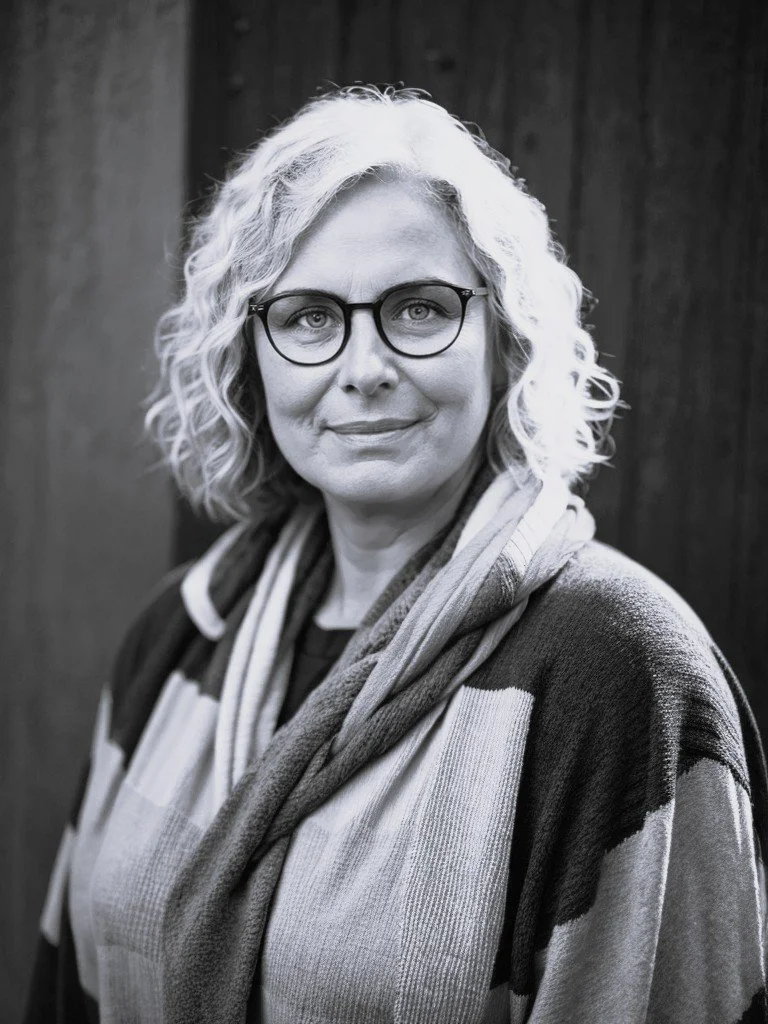
ELIZA Leopold is a German contemporary artist based in Thuringia. As a self-taught artist, she developed her artistic practice independently, following an intuitive approach that combines painting, mixed media and original printmaking. Her work explores questions of perception, transformation, memory, possibility and the human relationship with the world around us. Rather than offering fixed narratives, Leopold creates visual spaces in which different interpretations can coexist. Figurative elements often meet abstraction, while colour, landscape-like structures and ambiguous forms invite viewers to discover their own associations. For her, art begins where perception becomes encounter. Her growing body of work is organised into interconnected cycles that examine different aspects of human experience — from origin and memory to decision, change, trust and possibility. Through these works, Leopold seeks not to provide answers, but to create spaces in which questions can remain open and continue in the mind of the viewer.
What is your background and how did you start your journey in the art world?
“I am a self-taught artist from Thuringia, Germany, and I came to art relatively late in life. I did not grow up with the intention of becoming an artist, nor did I follow an academic path into the art world. In many ways, however, my artistic journey began long before I painted my first picture. I have always been interested in the questions that lie beneath the visible surface of life: why certain landscapes move us, why some experiences remain with us, how memory changes us, and what gives us trust and hope. Nature, encounters with people and my own experiences gradually shaped the way I looked at the world. When I eventually began painting, I realized that images allowed me to explore things that were difficult to express in words. I was not interested in simply reproducing reality. I wanted to make something visible that exists between what we see and what we feel or sense. At first, the works emerged independently and intuitively. Over time, however, recurring themes became visible – trust, transformation, memory, nature, consciousness and the possibilities inherent in life. Individual paintings gradually developed into a connected body of work.
Today, I work under the artist name ELIZA Leopold. For me, this name does not represent another identity, but the artistic space in which my thoughts, experiences and questions can take visual form. My journey into art was therefore less a decision to become an artist than the gradual realization that art had become my way of understanding and engaging with the world.”
What inspires you?
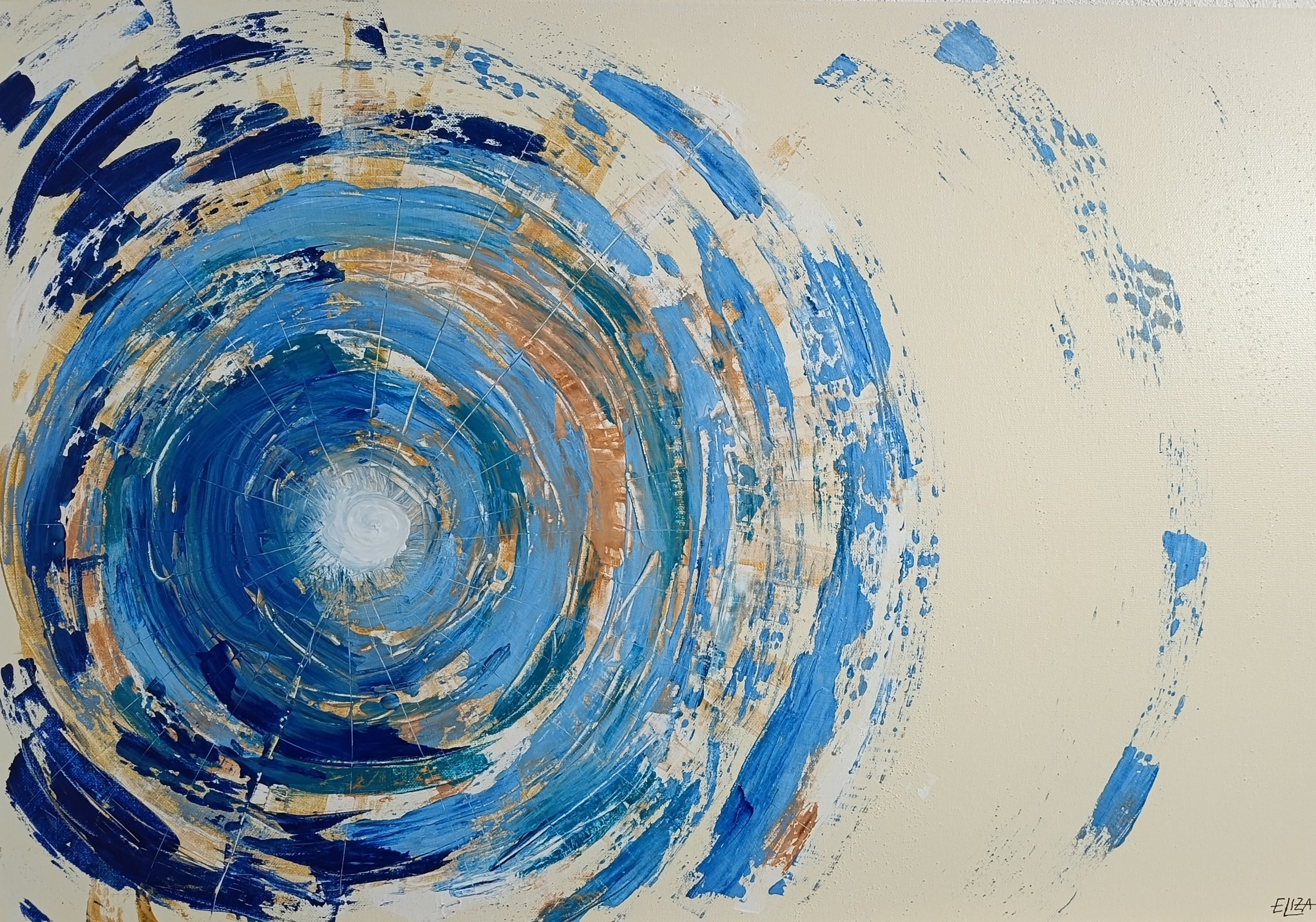
“I am inspired by life itself – by the things we can see, but even more by what lies beneath the visible surface. Nature is an important source of inspiration for me: water, trees, landscapes, horizons, light and the constant processes of growth and transformation. But I am not interested in nature simply as a subject to depict. I am interested in what it can awaken in us – memory, longing, trust, uncertainty or a sense of connection. I am also inspired by encounters, personal experiences and the questions that accompany us through life. What remains of an experience? What changes us? What happens when we cross a boundary? Where does trust come from when we cannot know what lies ahead? Many of my paintings begin with such a question rather than with a finished image. During the process, I allow intuition, colour and form to lead me somewhere I could not completely predict beforehand. This openness is essential to my work. Perhaps what inspires me most is the idea that life is never entirely determined. Even in moments of rupture, uncertainty or change, something new can emerge. My art grows from this trust in possibility.”
What themes do you pursue? Is there an underlying message in your work?
“My work revolves around themes of existence, consciousness, memory, transformation, trust and our relationship with nature and with one another. I am particularly interested in moments of transition – between what was and what might become, between certainty and uncertainty, between the visible and what we can only sense. Trust is one of the central ideas in my work. I do not mean trust as naïve optimism, but as the willingness to remain open to life even when we cannot know what comes next. Again and again, my paintings explore the possibility that change, rupture and uncertainty can also contain the beginning of something new. At the same time, I would hesitate to describe my work as carrying a single message. I do not want to tell viewers what they should see or feel. A painting becomes particularly interesting to me when another person discovers something in it that I myself may never have consciously intended. This openness is fundamental to my artistic practice. My works ask questions rather than provide answers. They invite viewers to bring their own memories, experiences and associations into the encounter with the image. If there is an underlying idea connecting my work, perhaps it is this: life contains more possibilities than we can see at any given moment, and our perception determines much of what becomes visible to us. For me, art begins where perception becomes encounter.”
How would you describe your work?
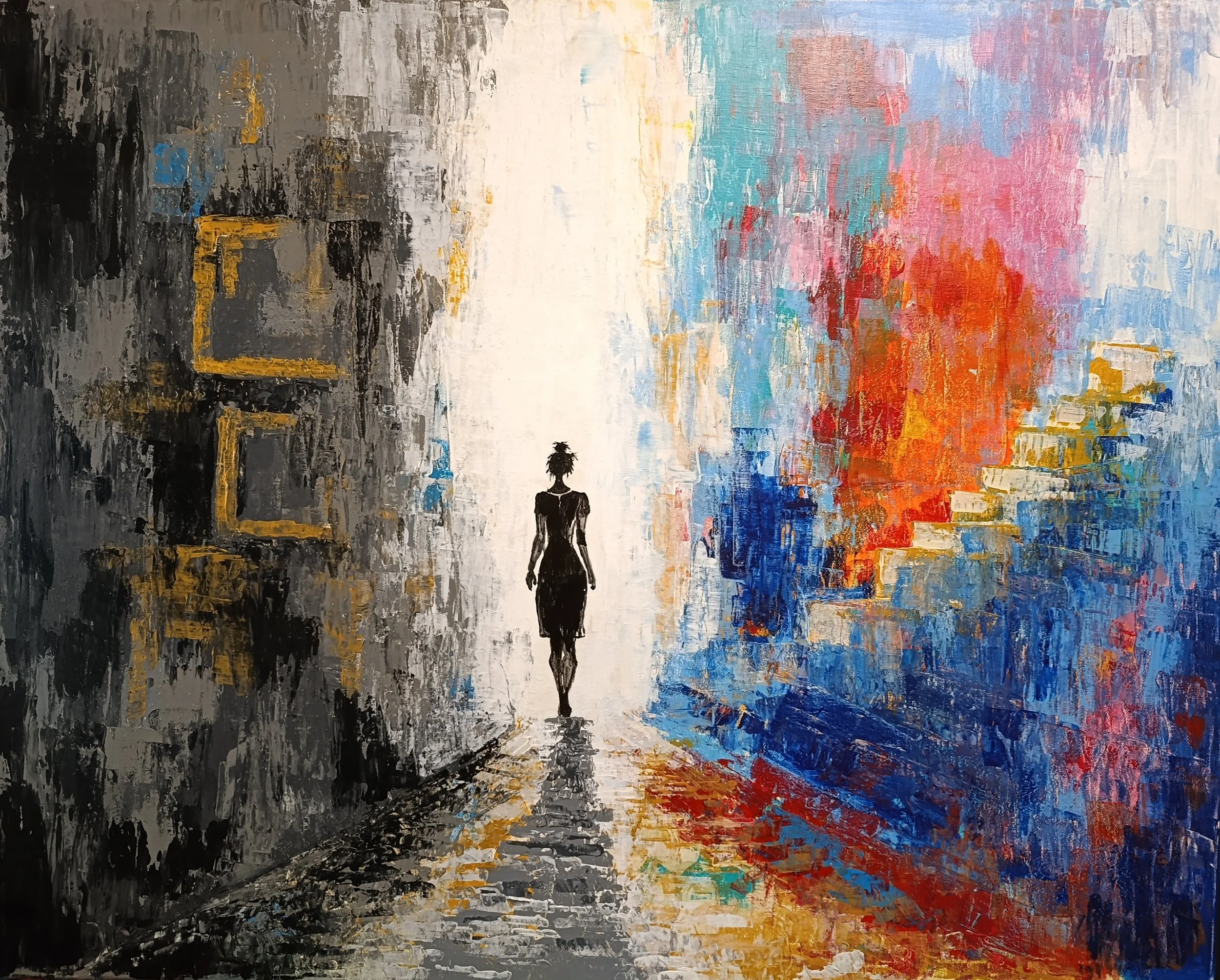
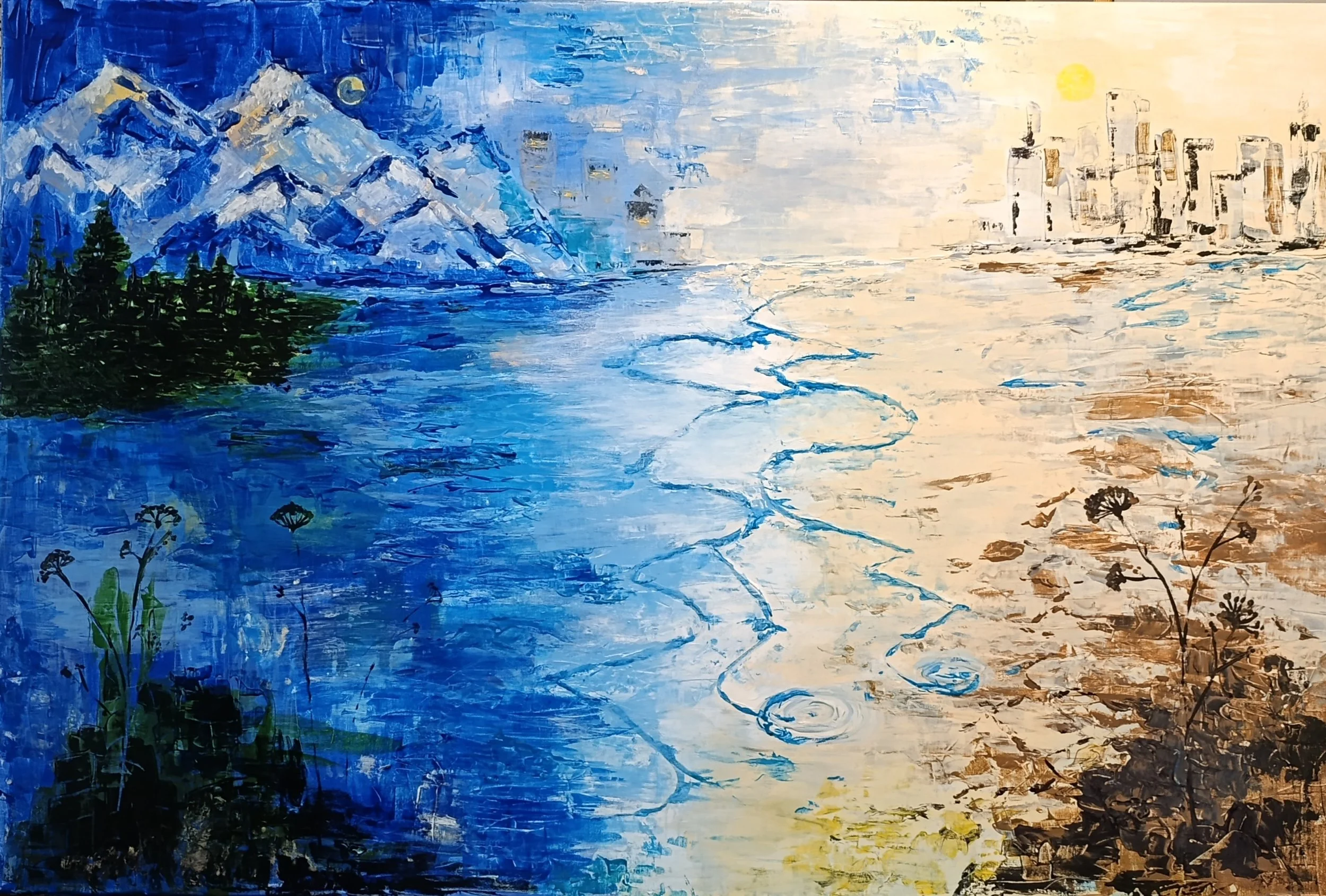
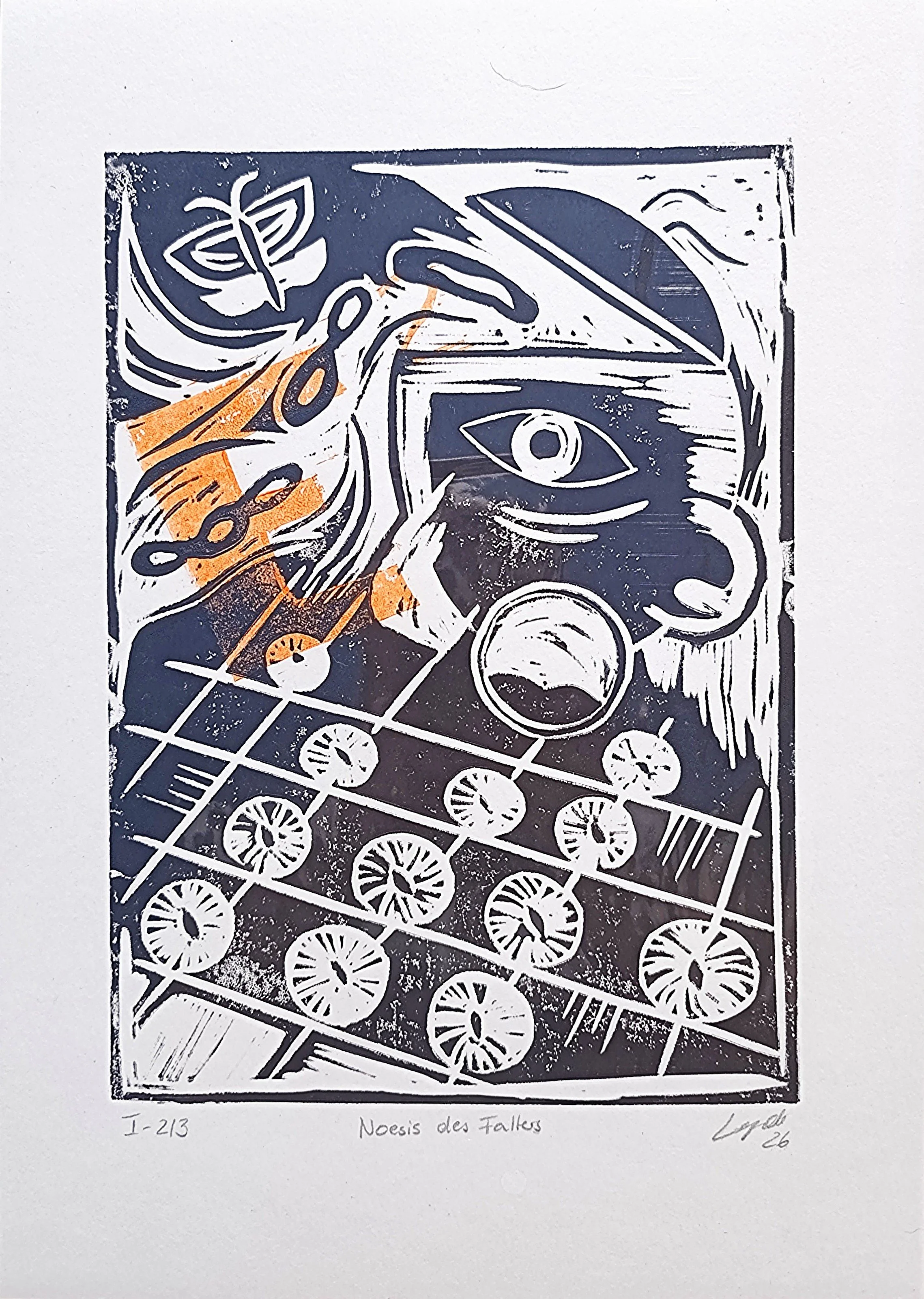
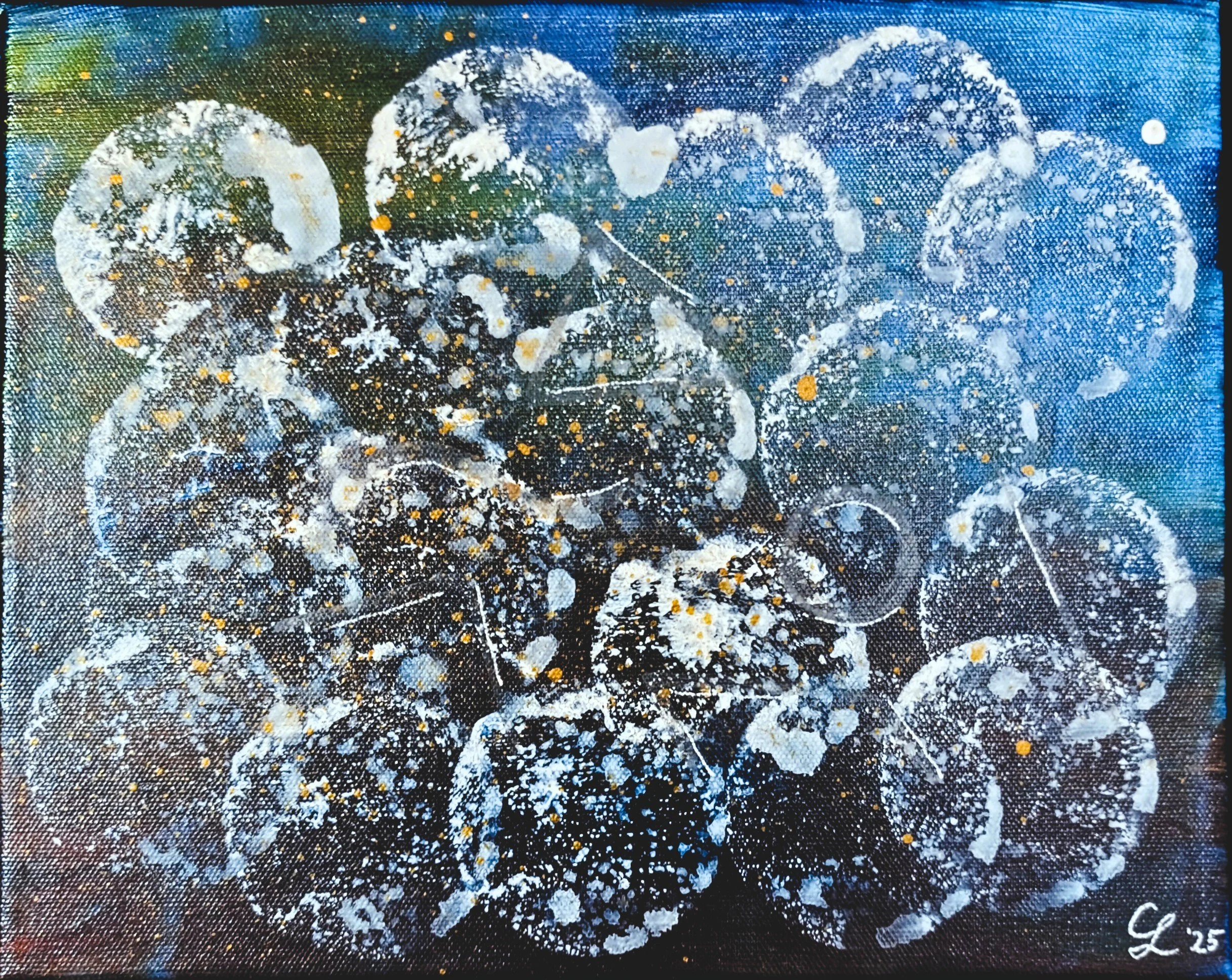
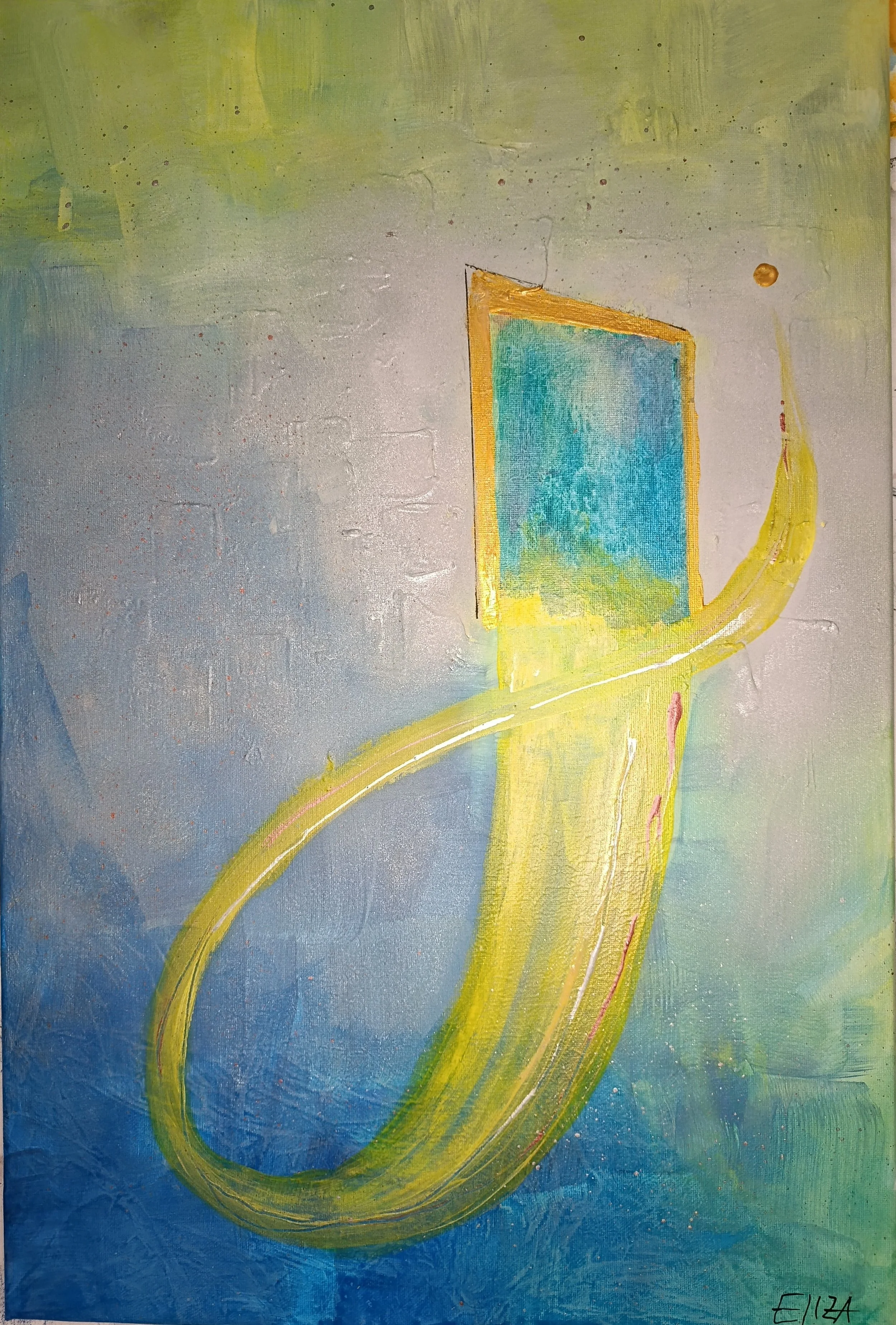
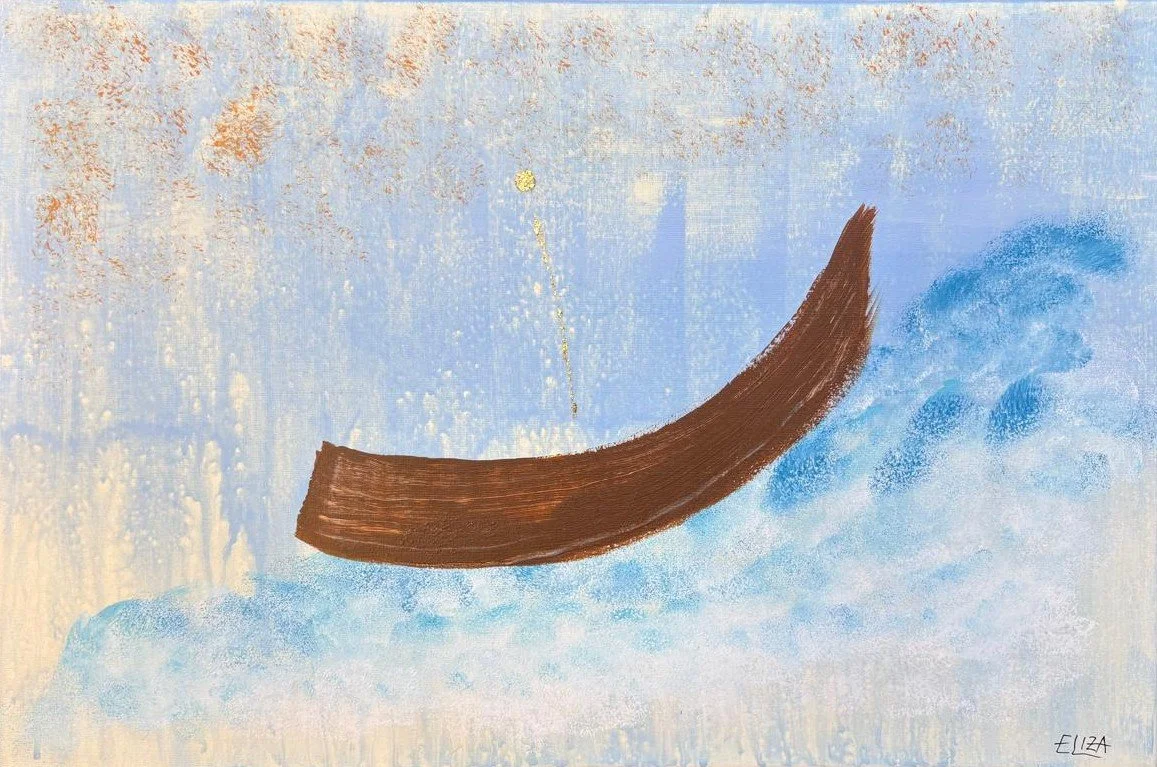
“I would describe my work as contemporary, intuitive and somewhere between abstraction and figuration. Many of my paintings contain recognizable elements – landscapes, horizons, trees, water, figures or organic forms – but they rarely remain purely representational. They often dissolve, transform or merge with abstract structures. Colour plays an essential role in my work. I use it not only to describe what something looks like, but to create atmosphere, tension and emotional space. Contrasts between light and darkness, openness and density, movement and stillness often become part of the meaning of a painting. My process is largely intuitive. I may begin with an idea, a question or a particular visual impulse, but I do not want to determine the finished painting completely in advance. I respond to what happens on the canvas. Forms appear, disappear and change; sometimes unexpected elements become central to the work. This is why my paintings often remain deliberately open. They may suggest a landscape, a memory, a transition or even a story, without defining exactly what the viewer is looking at. I like the moment when a painting seems familiar and mysterious at the same time. Across painting, mixed media and original printmaking, I see my work as a continuing exploration of inner and outer landscapes – places where perception, experience and imagination meet.”
Which artists influence you most?
“I find it difficult to name individual artists as direct influences on my work. As a self-taught artist, I did not develop my practice by consciously following a particular artistic school or by trying to work in the tradition of a specific artist. Of course, I encounter art that fascinates or moves me, and I am interested in very different artistic positions. But when I paint, I try not to ask how another artist might approach an image. I want to remain open to what develops through my own perception and through the painting process itself. In that sense, my strongest influences are probably not individual artists but experiences: nature, landscapes, encounters, memories and the questions that arise from being alive. I am particularly drawn to art that leaves space for ambiguity and allows viewers to discover something of their own rather than explaining everything to them. Perhaps being self-taught has given me a certain freedom in this respect. I have had to discover my own visual language through experimentation, and I still see that process of discovery as an essential part of my work.”
What is your creative process like?
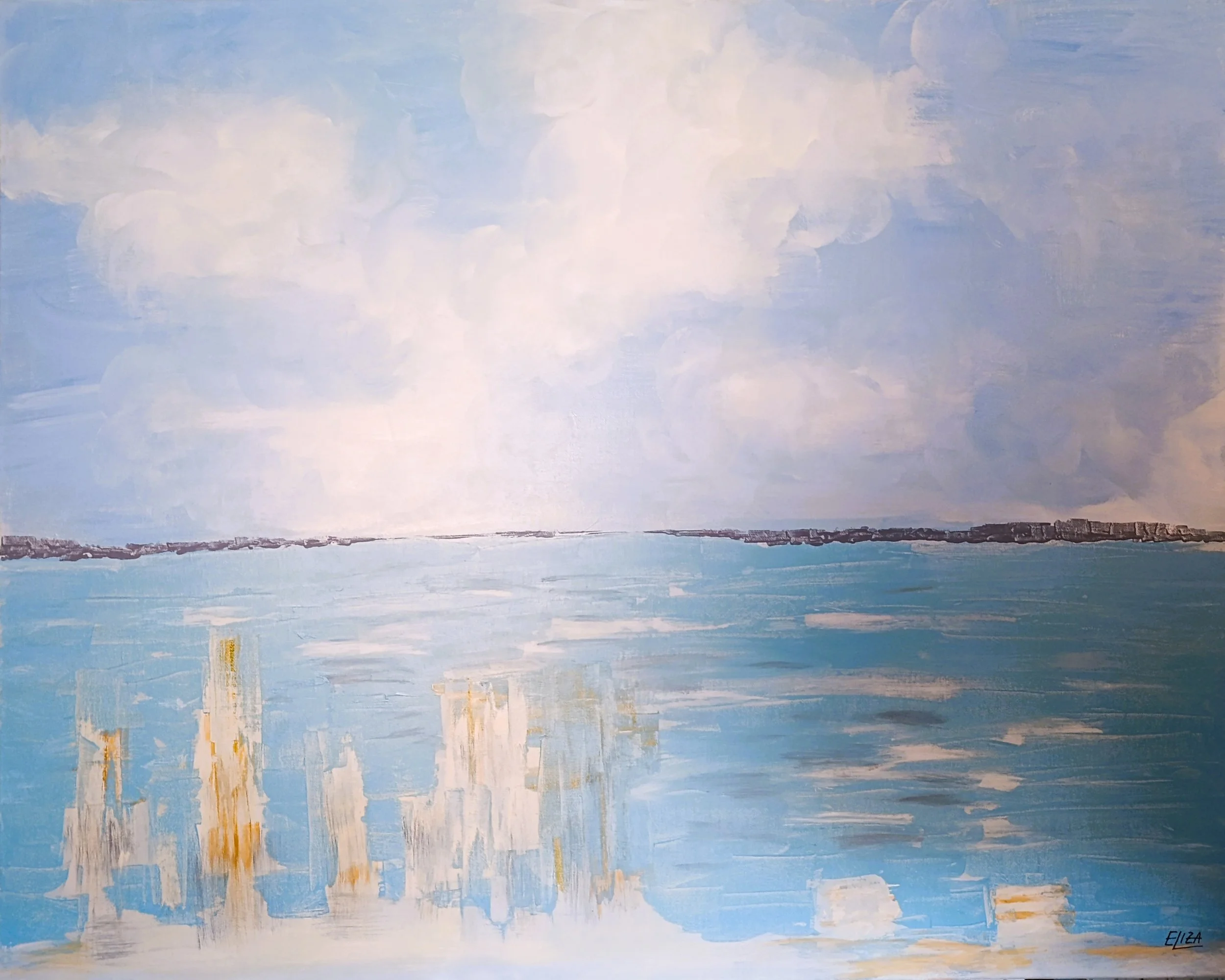
“My creative process is a dialogue between intention and intuition. Sometimes a painting begins with a question, an experience or an image that has stayed in my mind. At other times, it begins simply with a colour, a movement or the desire to see what might emerge on the canvas. I rarely plan a painting completely in advance. I usually have a starting point, but once I begin, I allow the work to develop its own direction. I add, remove, cover and transform elements, responding to what I see rather than trying to force the painting towards a predetermined result.
Chance is welcome, but it is not arbitrary – at some point I recognize which unexpected elements belong to the work and which do not. There is often a moment when the relationship changes: I am no longer creating an image according to an idea; I am responding to the image that has emerged. This is one of the most fascinating parts of painting for me. I also do not always give a work its final title immediately. I prefer to spend time with the finished painting and understand what has actually emerged before naming it. The title should open another door into the work without closing down its possible interpretations. Afterwards, reflection and documentation become part of the process as well. I consider how the new work relates to earlier works and to the larger body of work I am developing. In this way, each painting can stand on its own while also becoming part of an ongoing artistic conversation.”
What is an artist’s role in society and how do you see that evolving?
“I believe an artist’s role is not necessarily to provide answers, but to create spaces in which people can see, feel and think differently. Art can interrupt the familiar. It can make us notice something we have overlooked, question something we have taken for granted, or recognize something within ourselves that we could not previously put into words. For me, this also means respecting the viewer. I do not want to prescribe what someone should think or feel when looking at my work. Art can create an encounter, but what happens within that encounter belongs to the individual. Different people may see completely different things in the same painting, and I consider that a strength rather than a misunderstanding. I think this role is becoming even more important. We live in a time of enormous speed, constant information and increasingly powerful digital technologies. Images are produced, consumed and replaced within seconds.
Art can offer something different: attention, ambiguity and the possibility of staying with something without having to understand or judge it immediately. Technology, including artificial intelligence, will continue to change how images are created and distributed. I do not see this simply as a threat to art. It may make the human dimension of artistic practice even more significant – the experience, doubt, intuition and personal history that accompany the creation of a work. Perhaps the artist of the future will not only create images, but increasingly create places of genuine encounter. For me, that remains one of art’s most important possibilities: to open our perception without deciding in advance what we must find there.”
Have you had any noteworthy exhibitions you'd like to share?
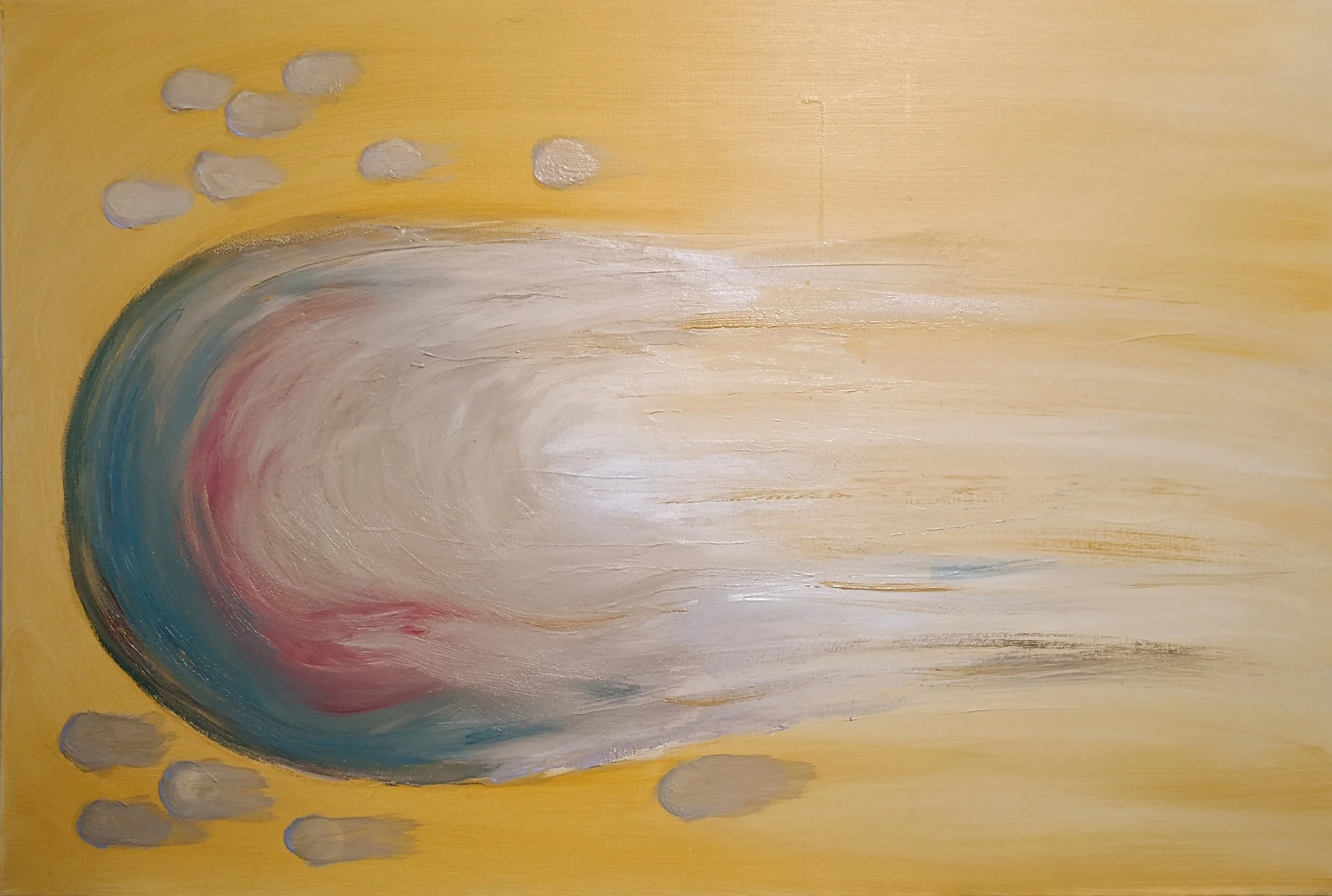
“My exhibition history is still at an early stage. I came to art relatively late and have spent the past few years primarily developing my artistic practice and building a coherent body of work. Rather than rushing into exhibitions, I have focused on establishing the foundations of my oeuvre and finding exhibition contexts that genuinely correspond with my work. I am now entering a new phase in which the work is increasingly moving from the studio into public presentation. Several exhibition projects and applications are currently in development for 2027, including concepts for presenting larger groups of works in dialogue with one another. This is an exciting transition for me. Until now, much of the development of my work has taken place in the intimacy of the studio. I am particularly interested in what happens when the paintings leave that space and begin their own conversations with viewers.
In November, I will participate in the Tunnel Project in Florence, Italy. A further international presentation in Paris has already been confirmed for February 2027, while additional exhibition projects and applications are currently in development!”
Website: www.eliza-leopold.de
Instagram: @elizaleopold.art