Interview
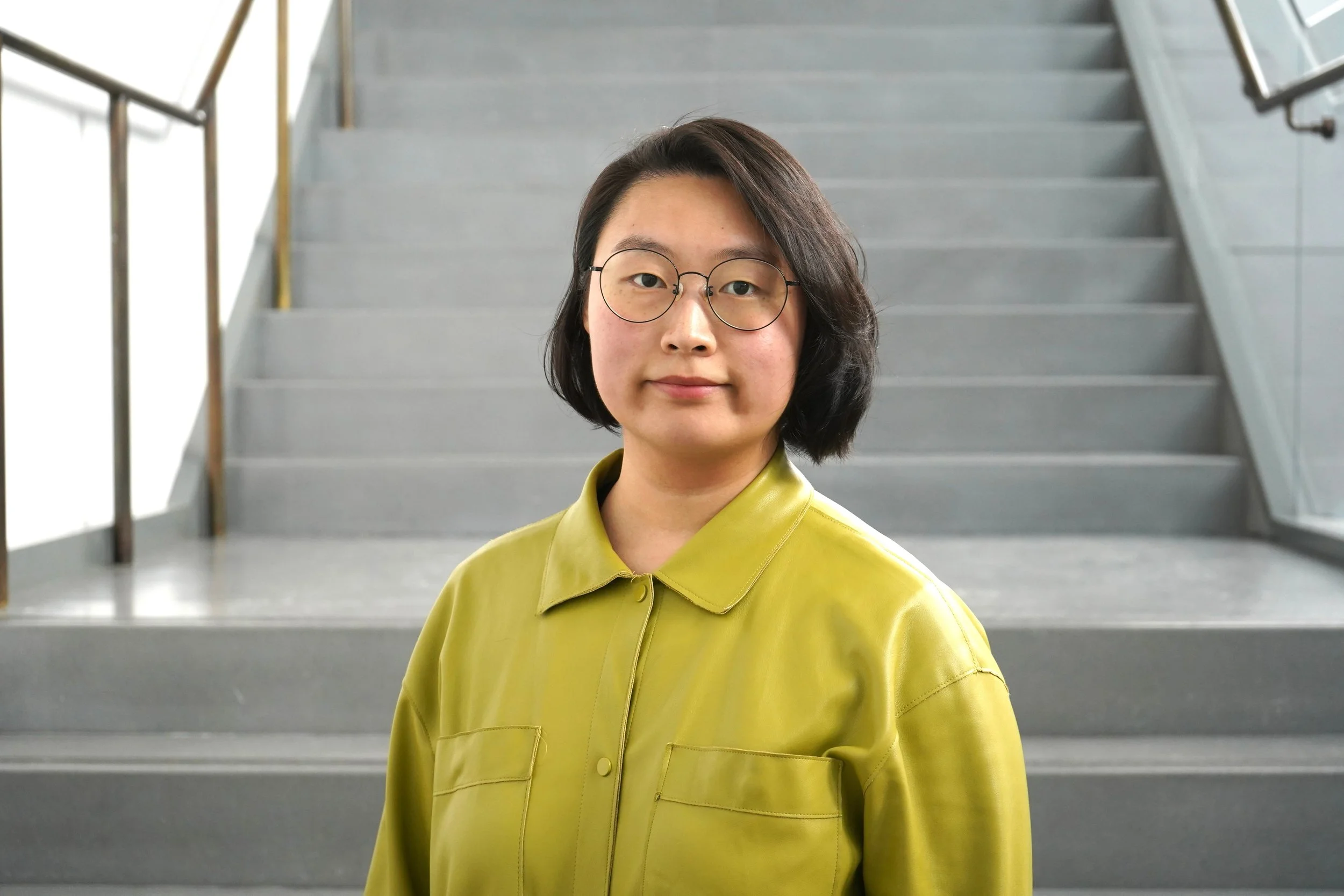
Donna (Kyunghee) Kim
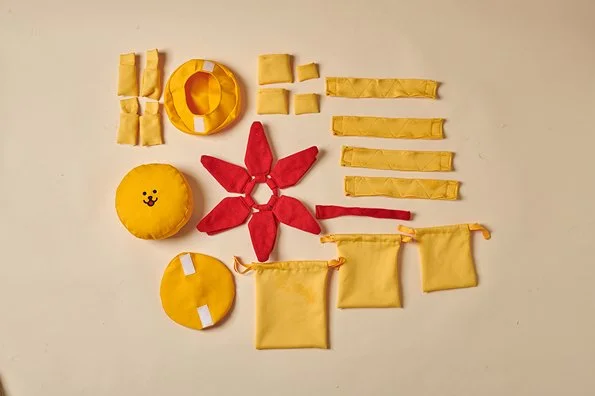
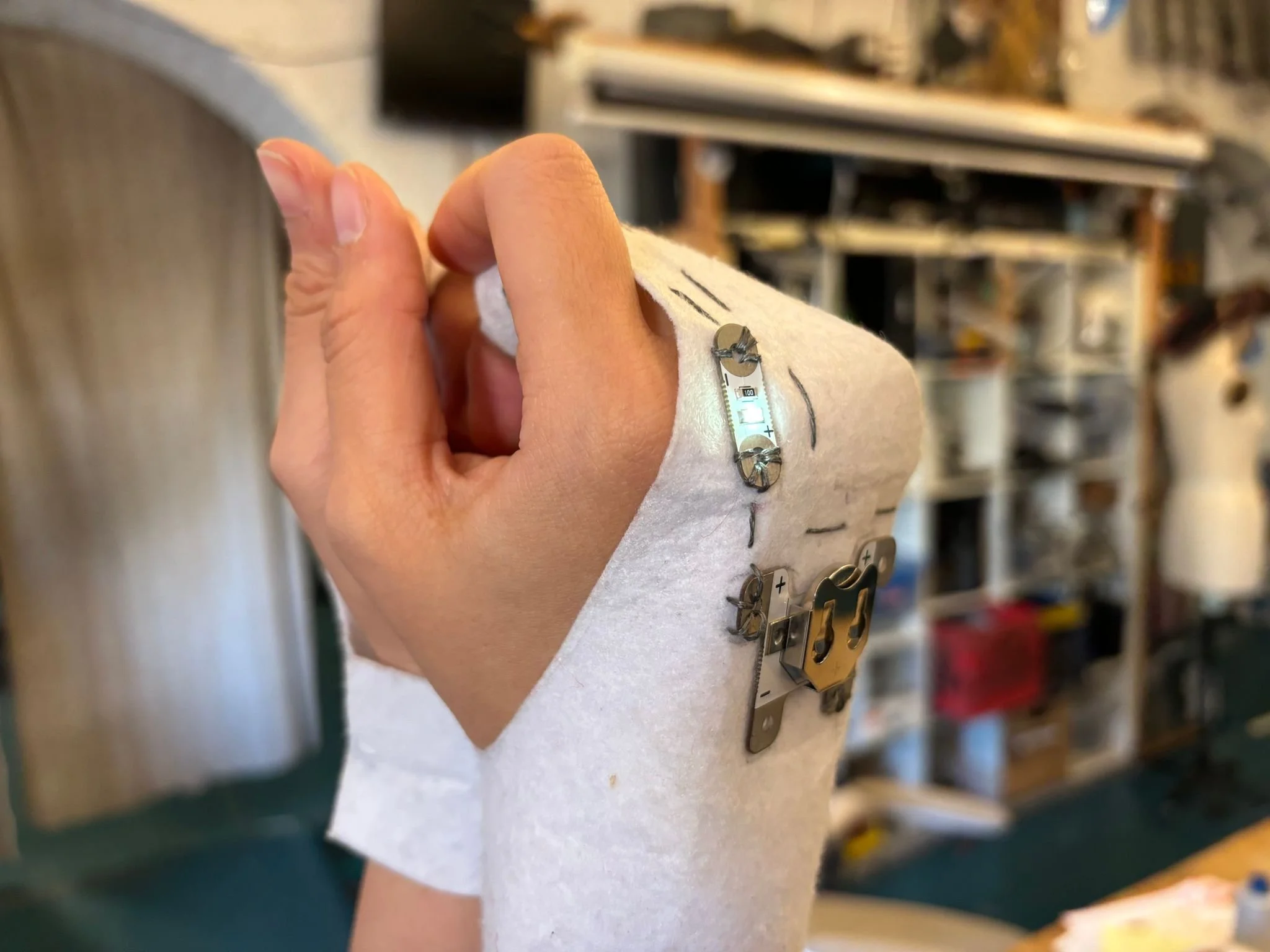
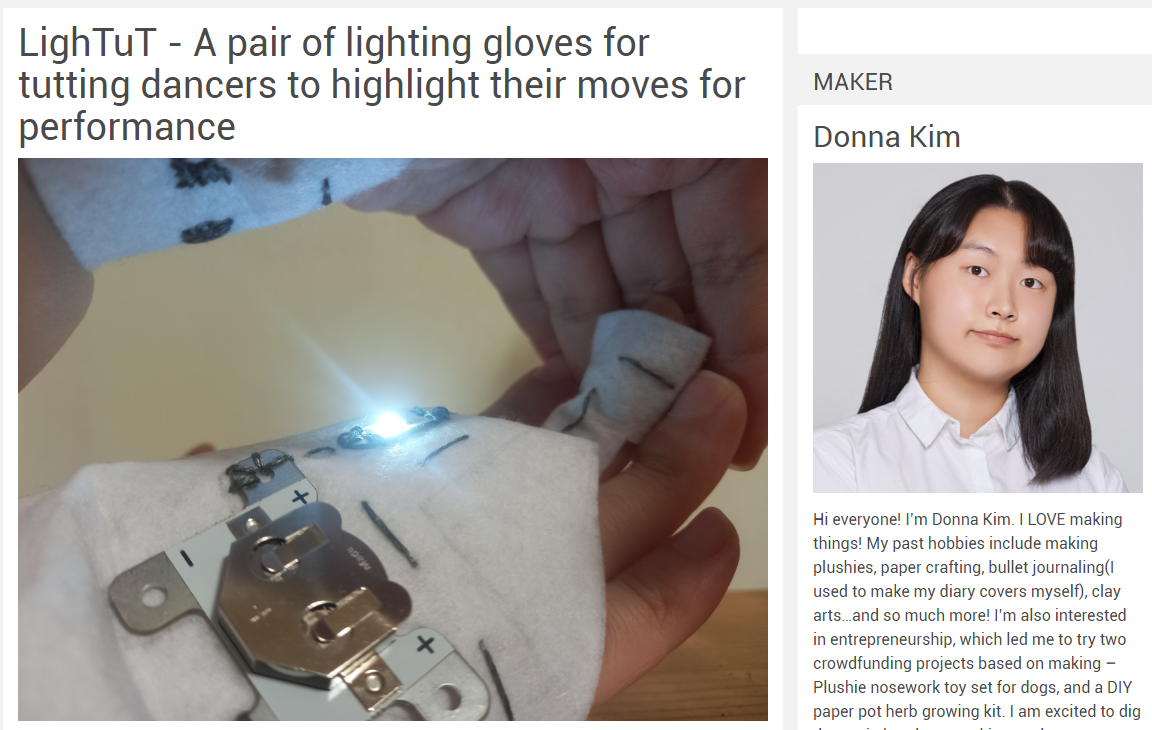
Donna’s work sits in the intersection of craft, art, and technology. With a priority in E-textile, she merges textile based craft with electronic circuitry to make things such as lighting plushies, fabric made speakers, pressure sensors, analog switches, etc. She shared her craft skills with various communities by teaching multiple workshops on basic e-textile craft and circuitry in various places such as NYC Resistor, online guest lecture for wearable design class at SFK int'l art edu, and High School of Fashion Industries. As a maker, she exhibited her e-textile works at Coney Island Maker Faire in 2024 (LighTuT-interactive lighting gloves) and 2025 (Sensory NYC Diary). Her textile based craft started by hand stitching dolls with felt and other scrap fabric and mending clothes, and evolved into integrating electronics with textile based craft as she gained technical skills in graduate school (Parsons MFA Design & Technology).
What is your background and how did you start your journey in the art world?
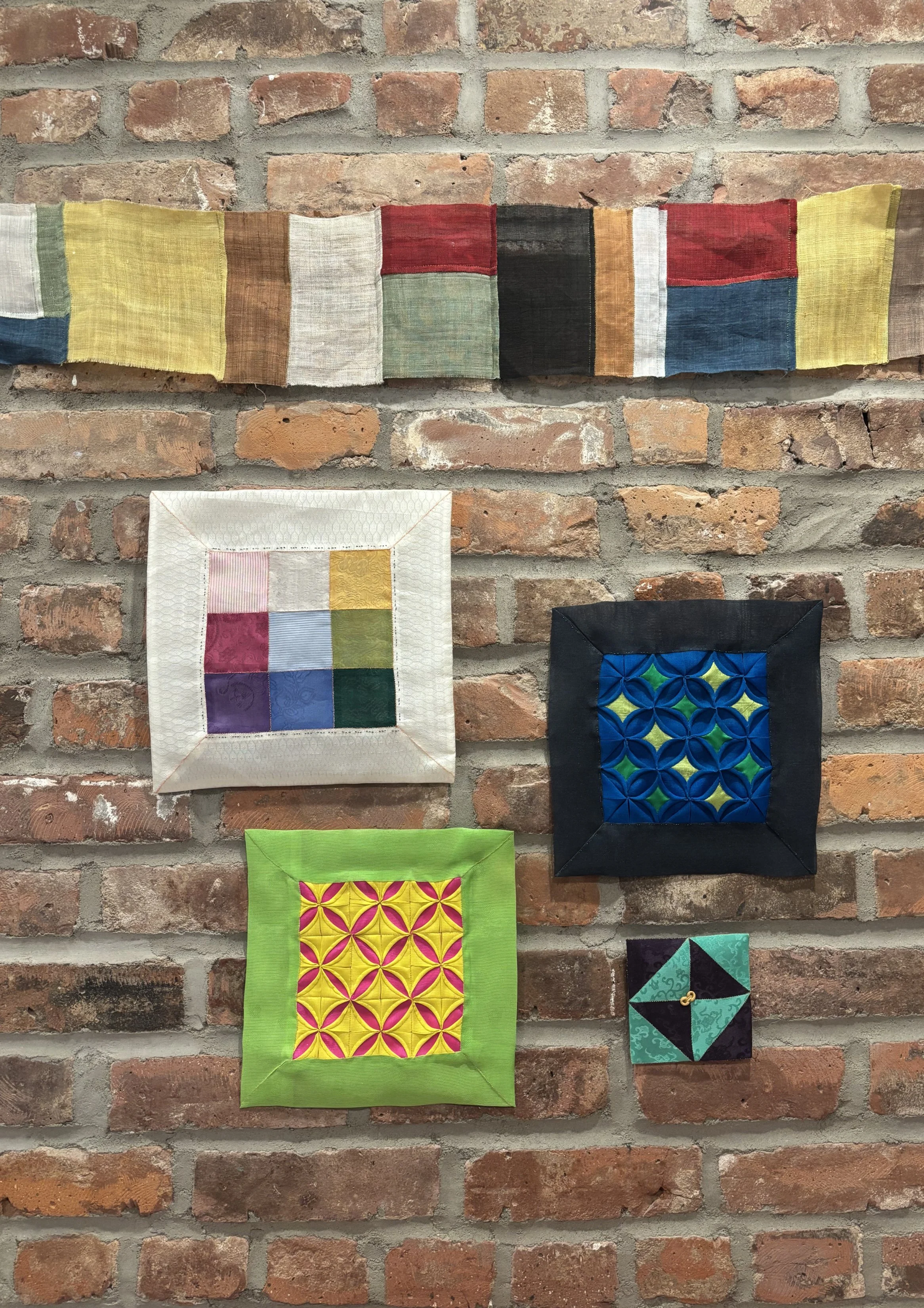
“My background spans across a variety of realms. My background includes textile craft, product design, and creative technology. As a textile artist, I am currently trying to merge textile based craft with electronic circuitry to make things such as lighting plushies, fabric made speakers, pressure sensors, analog switches, and other e-textile projects that can bring some whimsical experience to our lives. I mostly stitch by hand, and I also learned how to make Jogakbo (Korean traditional patchwork) in the traditional way during the winter. My background in product design is mostly about digital product design such as designing user interfaces, but I also worked on physical product designs as an Industrial Design major in the past. This background is useful when it comes to designing physical prototypes with fabric materials.
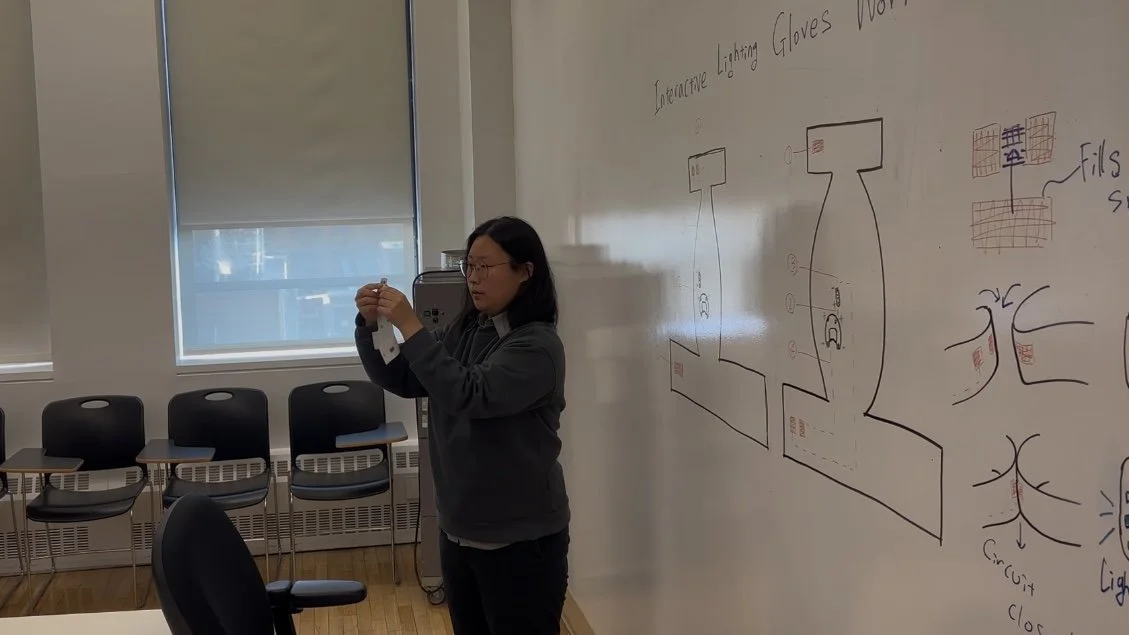
My background in creative technology lets me expand my creative practice as a textile artist as well. Integrating physical computing skills to my textile craft makes me create interesting things such as breathing plush toys with screens. I haven't used coding and projection mapping skills in my textile craft work yet, but I am aiming to use these skills in the near future. I also loved sharing my craft skills in multiple workshops as an instructor on basic e-textile craft and circuitry in various places such as NYC Resistor, online guest lecture for wearable design class at SFK int'l art edu, and High School of Fashion Industries. There is another upcoming workshop in Edinburgh about craft to capture memories in a multisensory way. I started my journey in the art world by hand stitching dolls with felt and other scrap fabric and mending clothes since I was 9, and this evolved into integrating electronics with textile based craft as I picked up creative technology skills in graduate school. I was able to learn stitching and using fabric at home as my grandmother used to stitch and knit a lot of times when I was growing up. This became the start of my art in textiles, and I am still continuing my creative practice.”
What inspires you?
“When I make art, I get inspired by a lot of ‘small’ moments in everyday life, and the new skills I acquire as I continue my journey as an artist. For example, my recent work ‘Sensory NYC Diary’ is inspired by my personal daily experiences I had in NYC. I reflected and captured my day using textile and other materials. The experience of learning about sensory craft also inspired me to create this piece, to create a personal piece that is also interactive and open to be touched by hands of the audience. As this example, my inspiration mostly comes from my life experience and new skills such as sensory craft, physical computing, interaction design, and many more.”
What themes do you pursue? Is there an underlying message in your work?
“These days, I am trying to pursue the softness and fun in technology. Although it can feel intimidating and rigid, I am trying to demonstrate that textile craft can make technology feel fun and soft. Also, I enjoy bringing joy and fun, so I try to make my art inviting and welcome to interact with. Rather than making my art being prohibited from being touched by the audience, I open it up and invite people to interact with them, and spark conversations with their own experiences.”
How would you describe your work?
“I would describe my work as whimsical, fun, and soft. I tend to lean towards soft materials and expressing softness in my art rather than rigid ones. I love using soft materials that are mostly fabric, and thick fuzzy pipe cleaners, yarn, felt, and other soft materials that give me a sense of comfort and coziness. As I tend to put joy and sometimes a sense of humor in my work, I would also describe my work as fun. Some examples of fun (or funny) work include ‘hungry herbivores’ that lights up the animal’s eyes in red as the user puts grass object onto their mouths. For whimsical, I got a lot of feedback in artist showcase talks and open mic events from the audience and fellow artists that my textile works feel very whimsical. I didn't notice it by myself, but as people told me, I started to notice it.”
Which artists influence you most?
“I don't really have a specific muse or role model artist in mind, but I can list a few things that influenced me. When I see artists who use everyday materials in an unprecedented way such as using thin sliced vegetables to create functional and artistic ingredients, I start thinking about how I could also make a brilliant use of materials around me. Also, I get influenced by artists who deliver a strong message that resonates with me. This includes artists who upcycle scrap materials into an artwork or a useful product.”
What is your creative process like?
“When I get an inspiration and the urge to create, I start from sketching it in my head. If the image becomes a bit clearer, I sketch the possible forms and blueprints on my paper notebook that I always carry with me. Because I tend to use circuitry or hand stitching techniques in the making process, I carefully plan how to make my artwork by sketching the structures and possible ways to fabricate. I also think about ways to get the necessary materials. I do have a nice variety of materials and crafting tools, but I sometimes need to get new materials if I want to make unique textures that I can't make with what I have. Also, I volunteer at FabScrap where I get the majority of the fabric that I use. If you volunteer there to sort recyclable scrap fabric, you can get some free fabric afterwards. I sometimes get materials from fellow artists who are trying to throw away their scrap materials too. After getting the material supplies I need, I start making. I always carry my sewing kit box with me along with the notebook, so that I can make smaller components of my artwork pieces anywhere during free time. For bigger pieces or making process that require broad workspace and more focus time, I schedule myself a focus session according to my schedules.”
What is an artist’s role in society and how do you see that evolving?
“As a product designer and a textile artist, I think that an artist's role in society is to spark conversations and keep our society lively by evoking emotions among people by throwing their own messages through art. While I think a designer should make things that are useful and that can solve problems to make our society a better place to live, I think an artist's work doesn't necessarily need to solve practical problems directly with the artwork itself, but to give a clue about how we could think about the problems in our society and lead to conversations for awareness. In times of uncertainty like these days, the artist's role can also be bringing joy to the people who are anxious and feeling hopeless about the future.”
Have you had any noteworthy exhibitions you'd like to share?
“I have been to various exhibitions as a visitor and as a participating artist as well. Some exhibitions that I really want to share are.. 'An Ecology of Quilts: The Natural History of American Textiles' which is a past exhibition in American Folk Art museum, the Maker Faire that happens all over the world in all different dates during the year, and Pancakes&Booze art show that also happens across different cities in the States. I exhibited in Coney Island Maker Faire in 2024 and 2025, and the Maker Faire is worth visiting and exhibiting because it's open in all different cities globally, and lots of making enthusiasts and artists gather to have robust conversations about their creations.”