Interview
Dennis Herzog
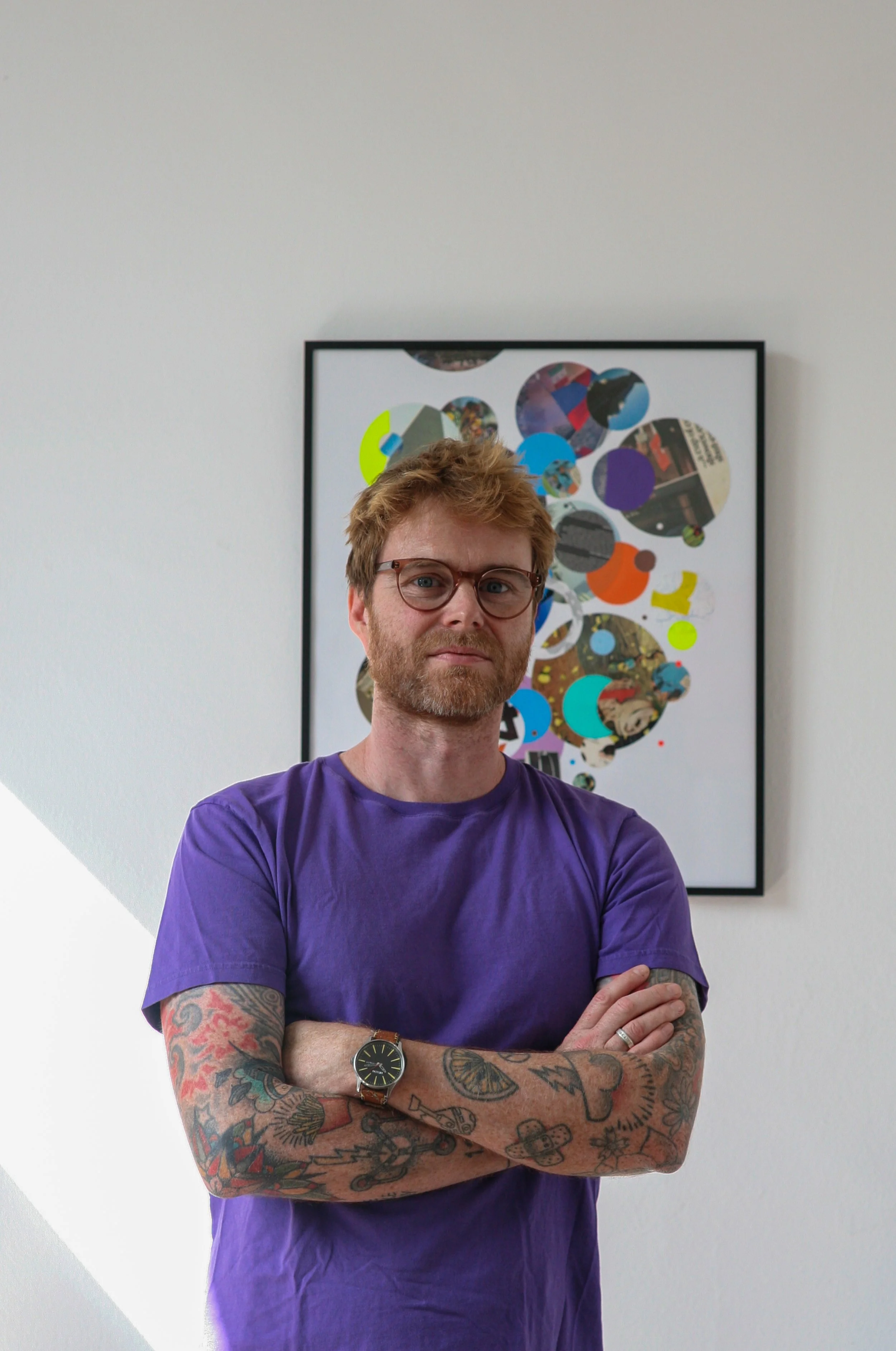
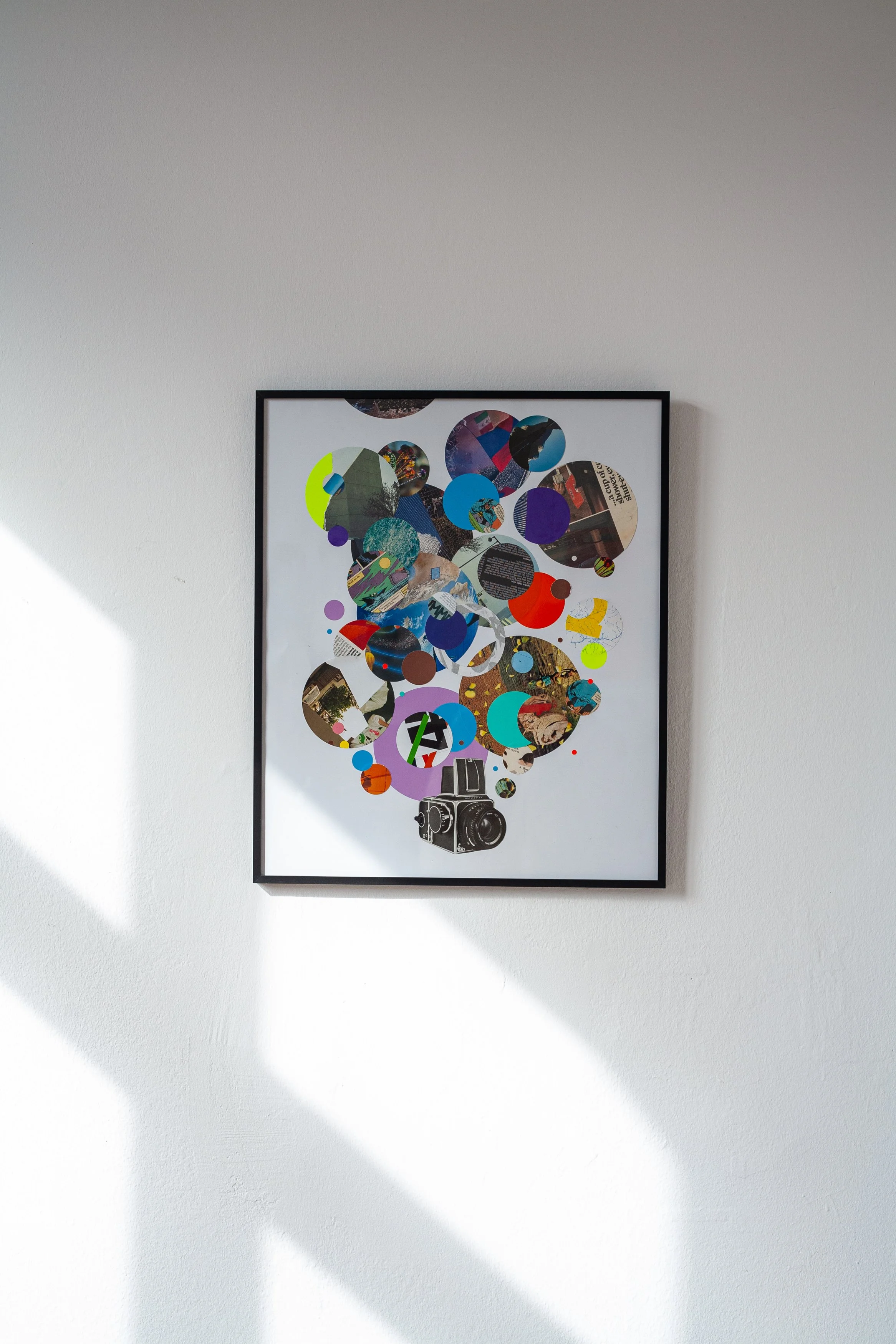
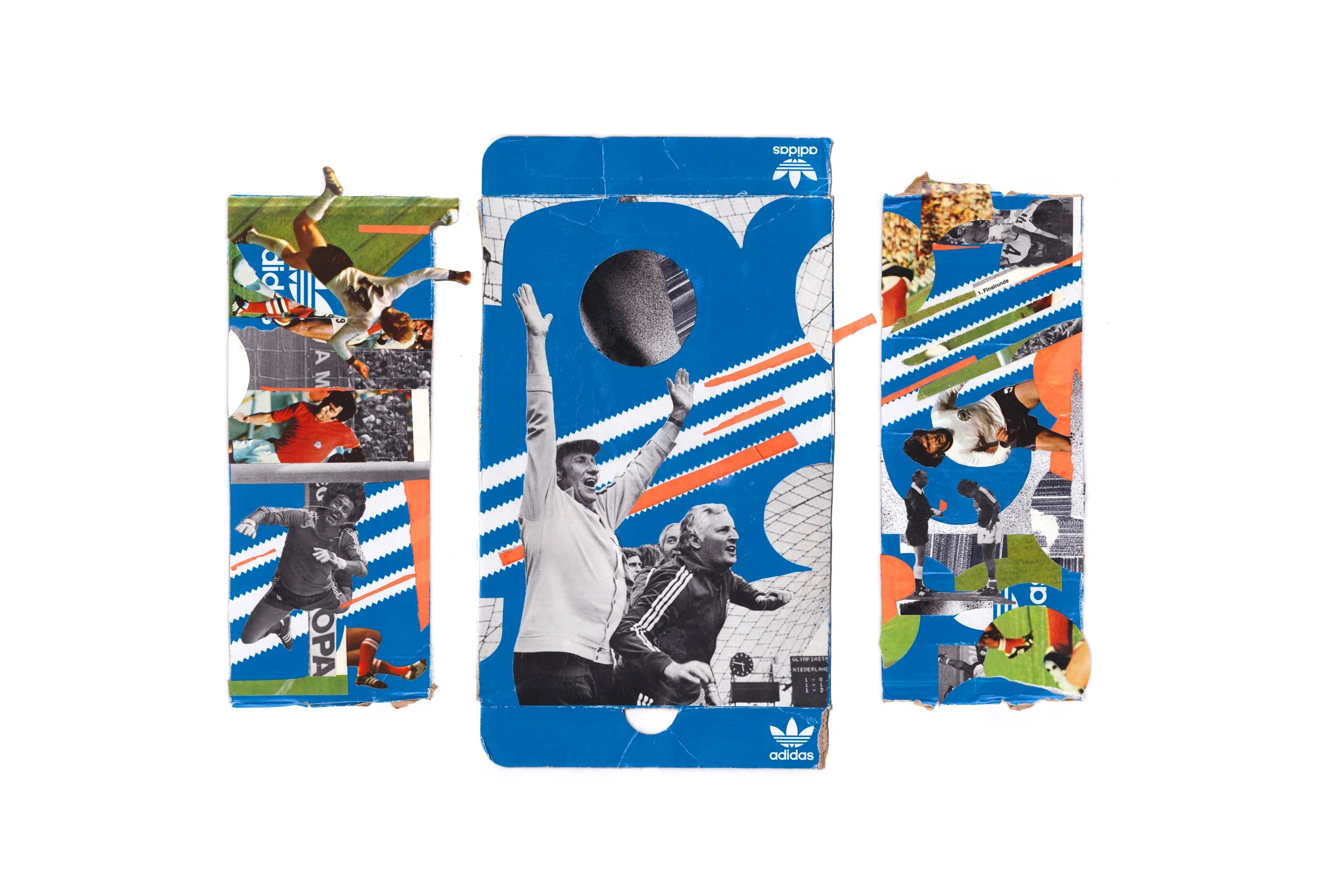
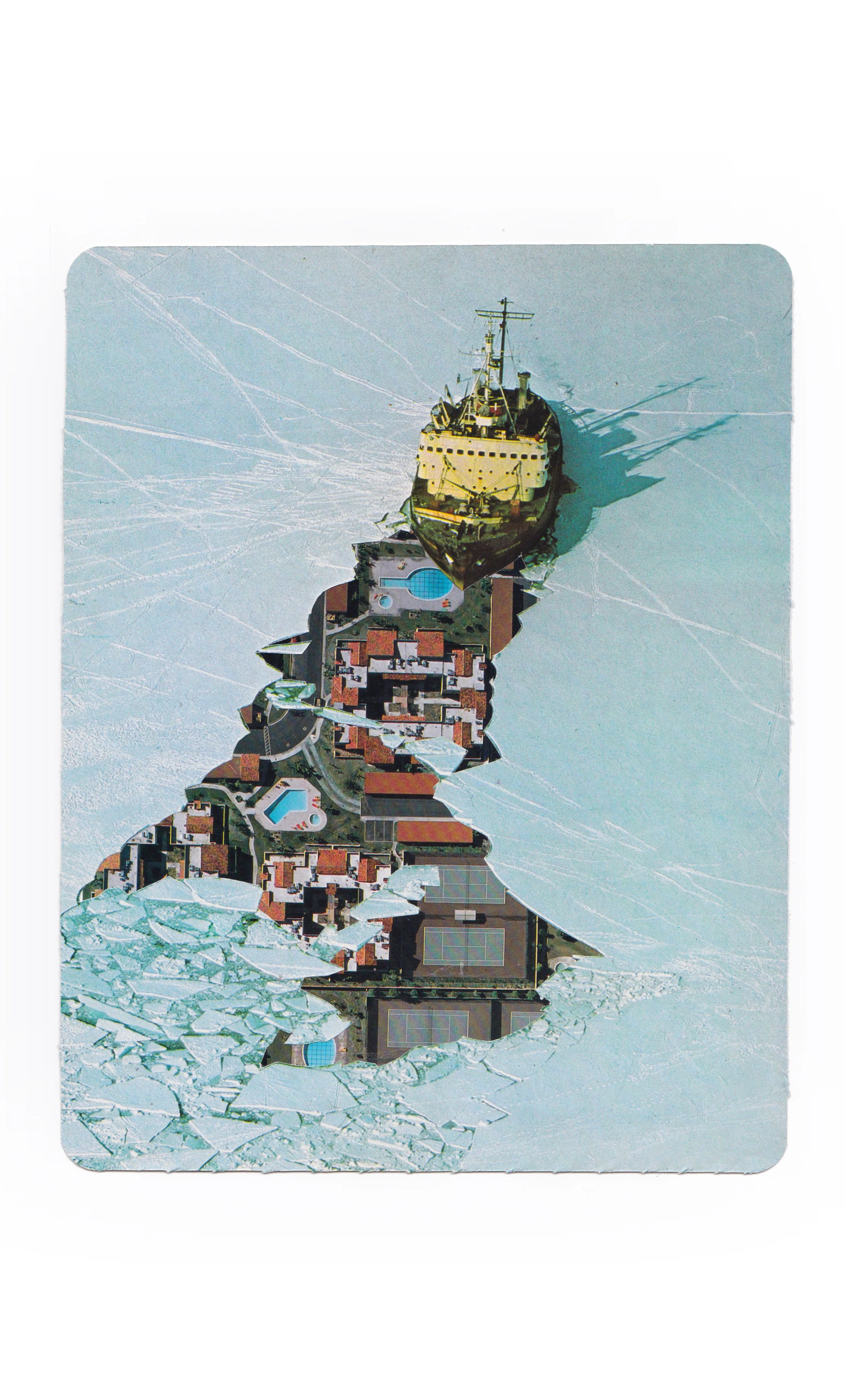
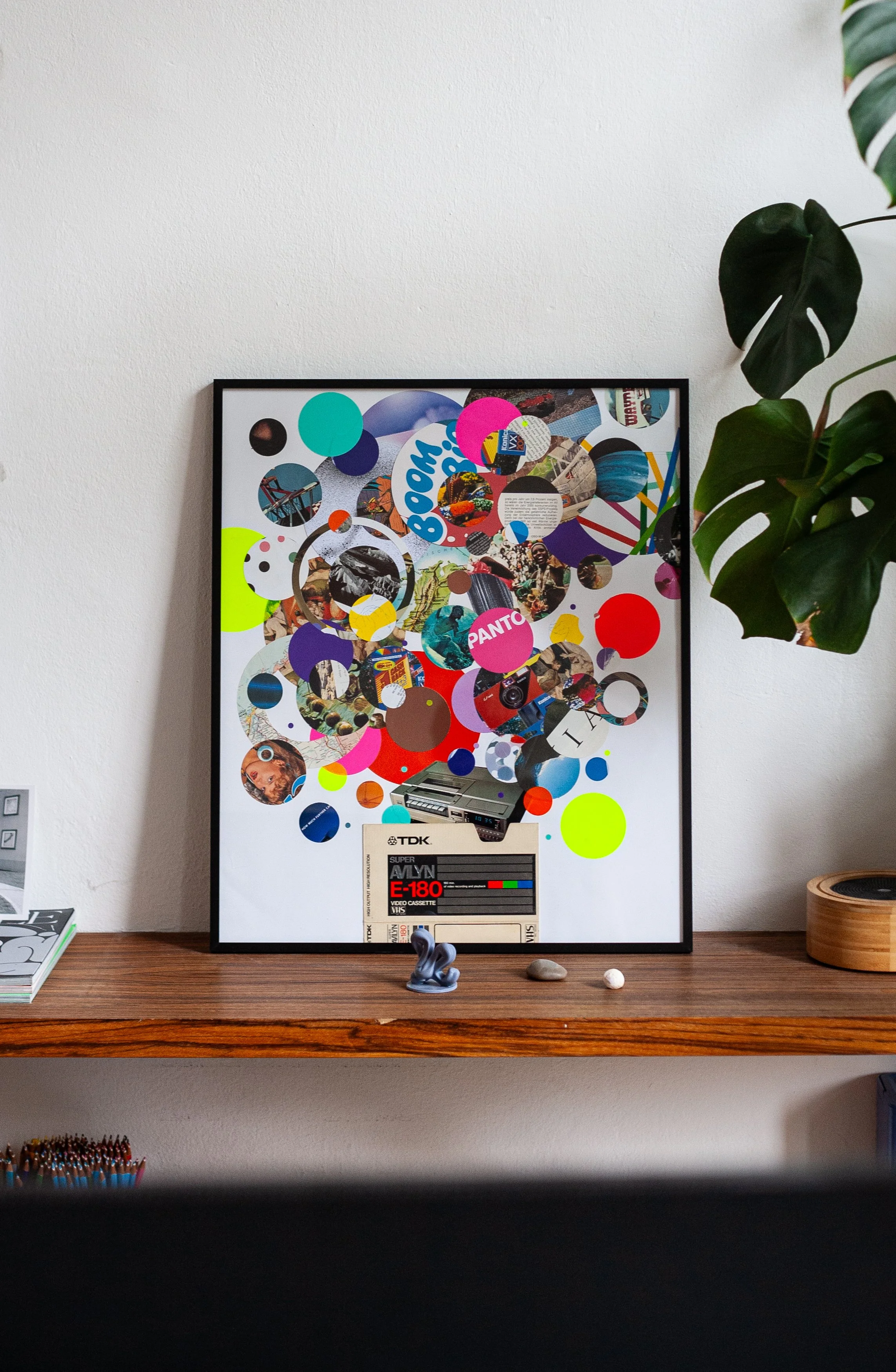
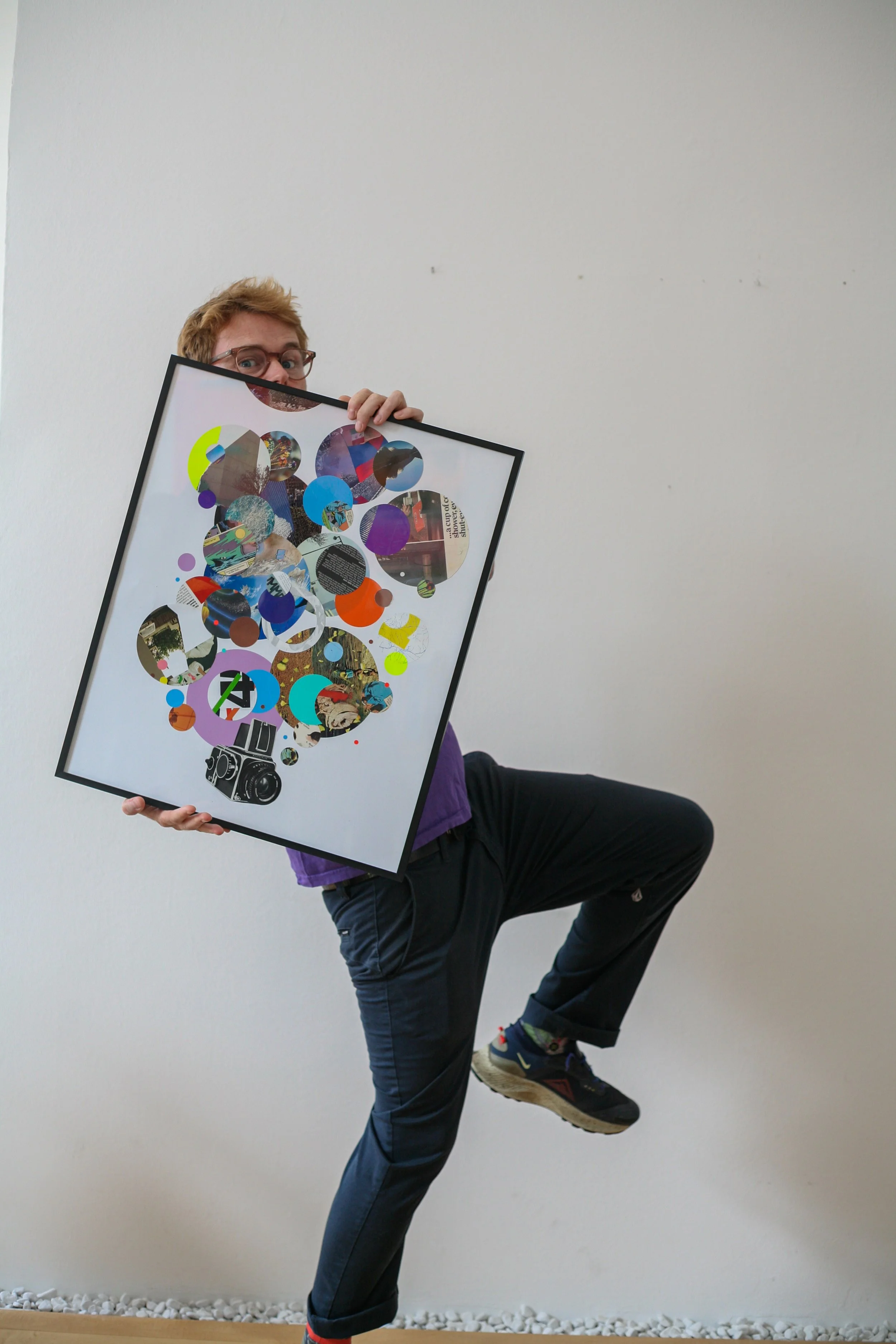
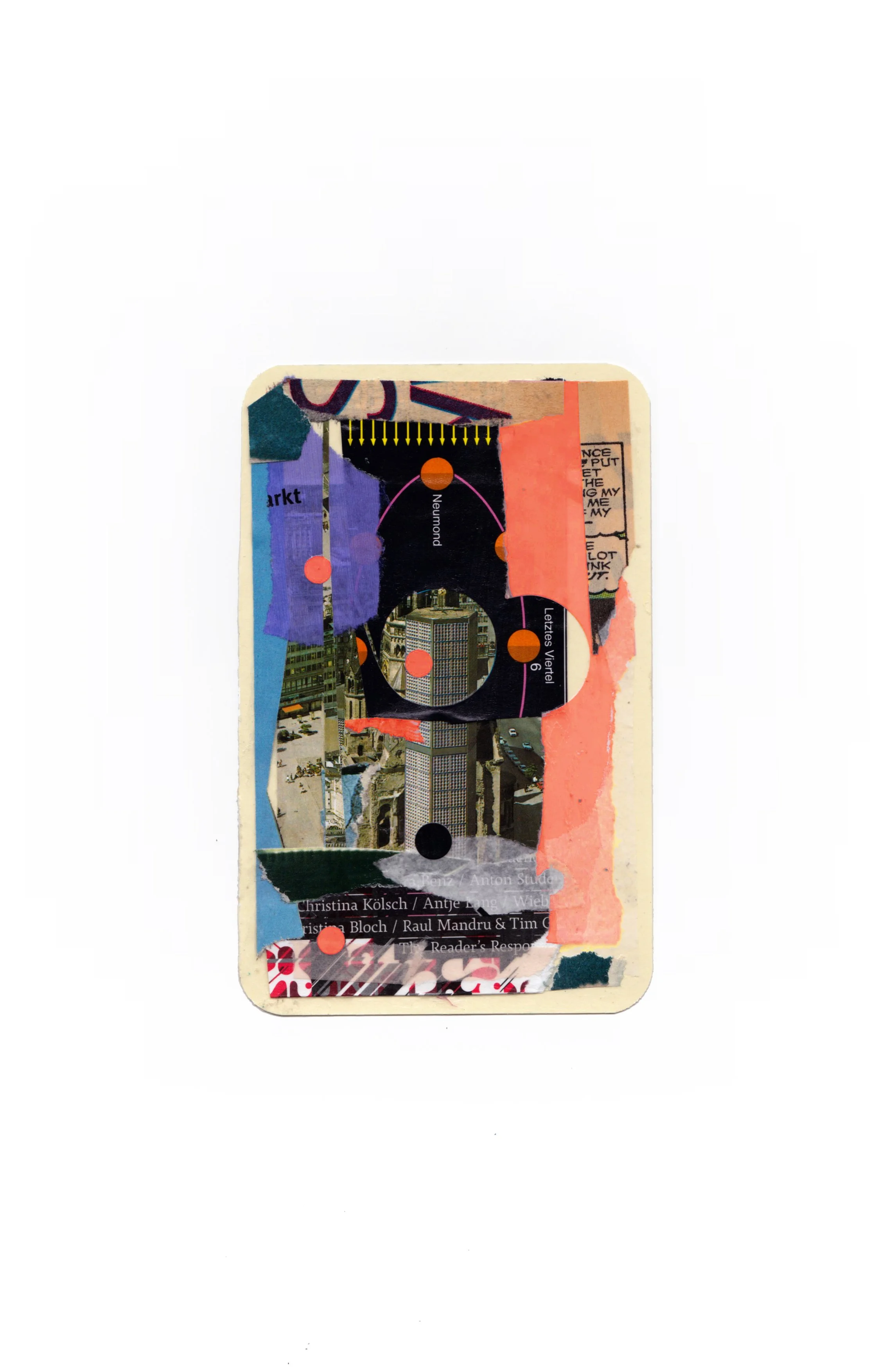
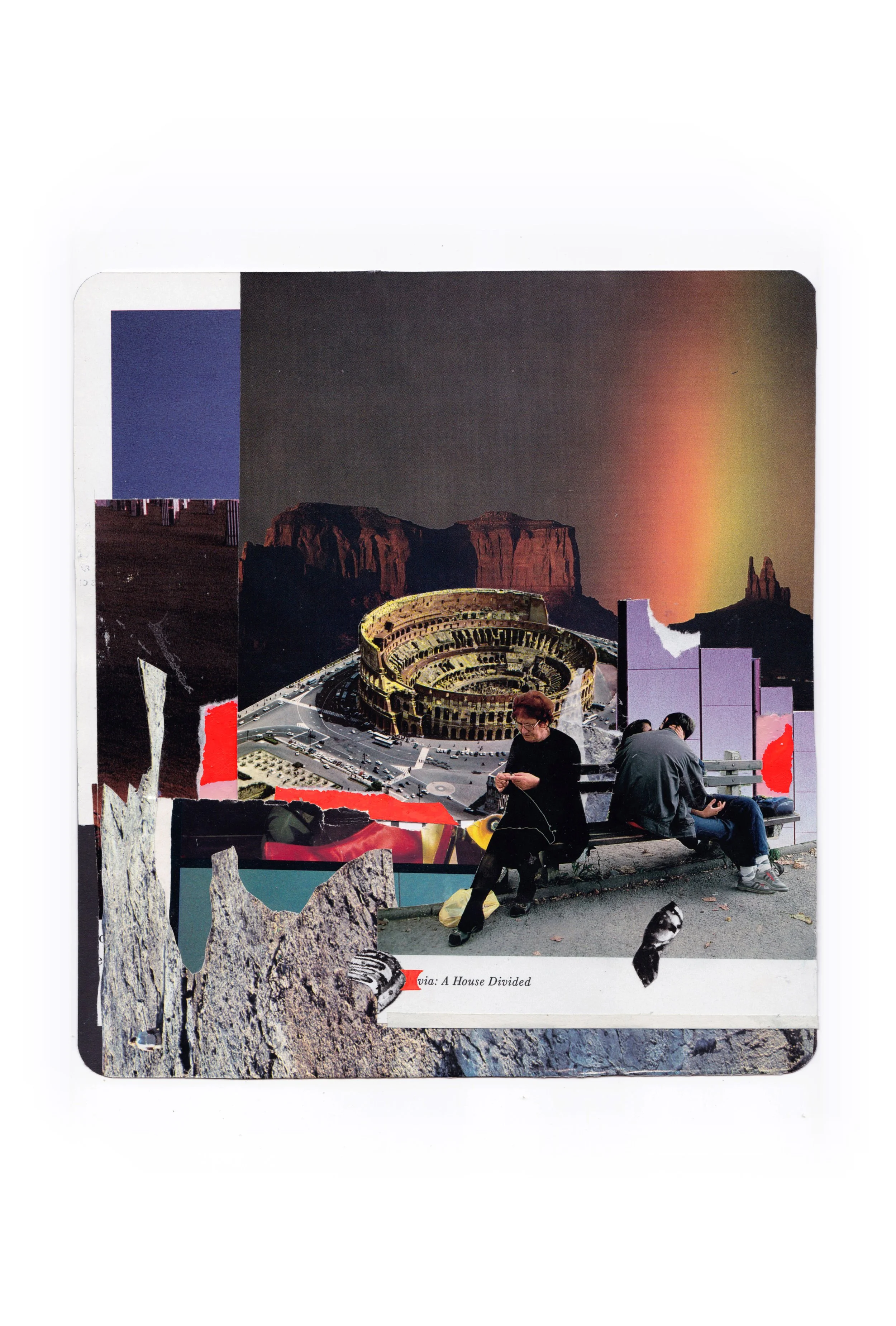
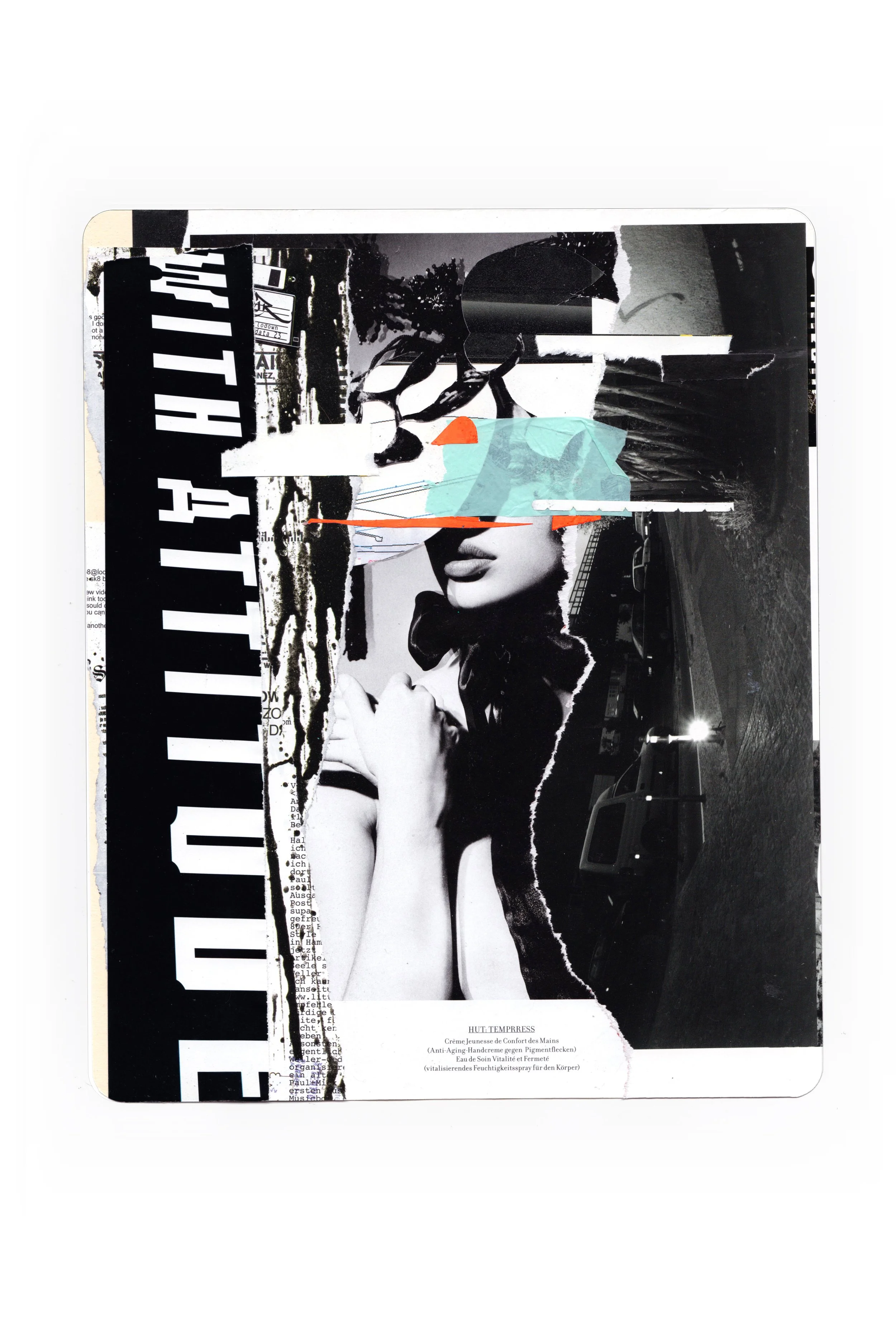
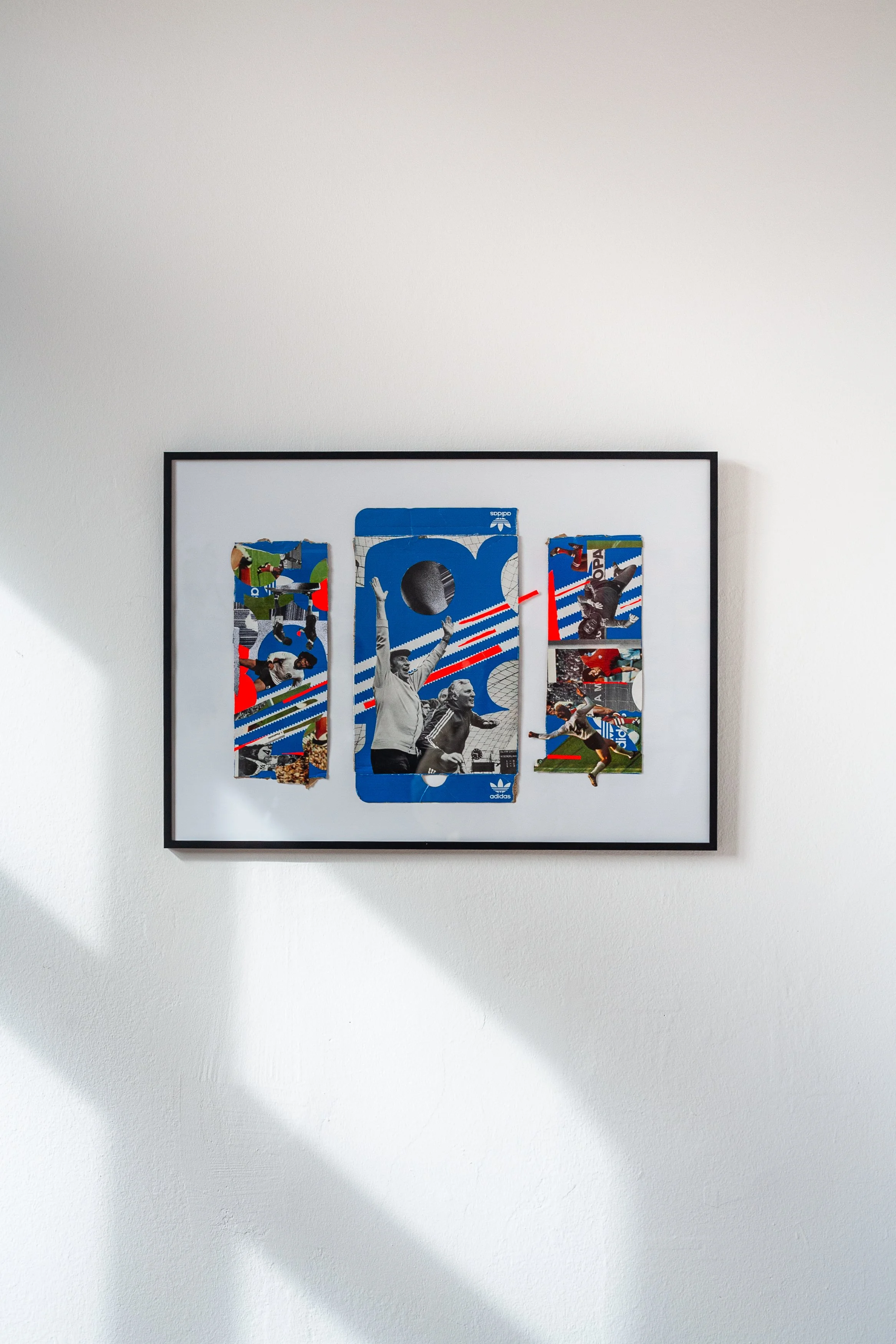
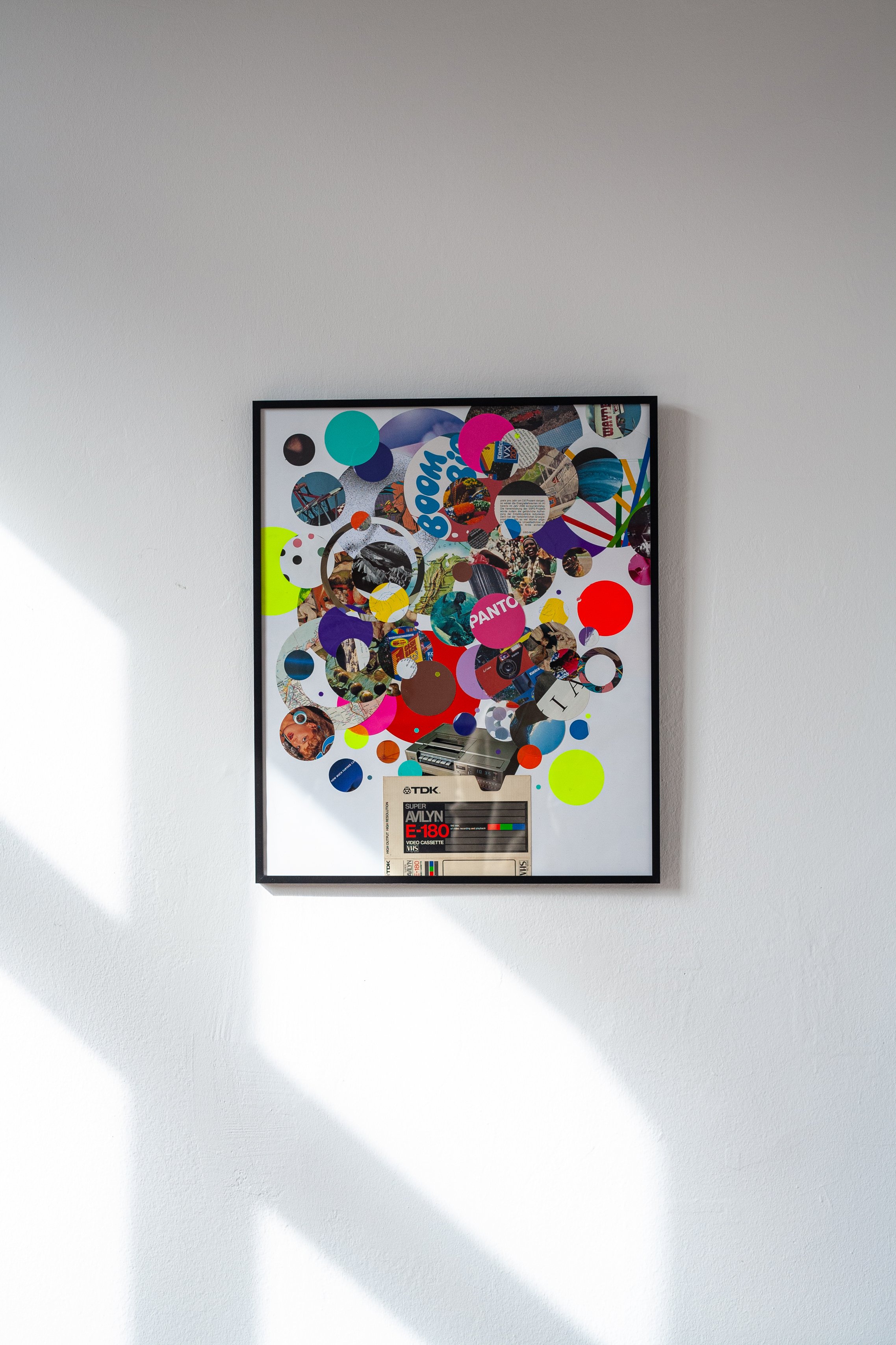
Dennis Herzog is an artist and freelance art director based in Frankfurt, Germany. In his artistic practice, he creates analog collage works from found materials such as magazines, maps, and color fields. Through cutting, layering, and rearranging by hand, he embraces a direct physical process without an undo function, where visible decisions, traces, and chance become integral parts of the composition. His work explores the tension between control and randomness, resulting in open visual systems that invite gradual discovery and interpretation. Alongside his artistic practice, he has worked for over 20 years as a freelance art director, primarily collaborating with the design studio 3deluxe on brand design and visual communication projects.
What is your background and how did you start your journey in the art world?
“I have worked as an Art Director for more than twenty years, but making images has always been part of my life beyond my professional work. My roots are in graffiti and street culture, where I learned to think visually and to use public space as a canvas. Long before digital tools became standard, I was already creating collages, cutting, rearranging and combining fragments from magazines, photographs and found materials. Growing up, skateboarding Punk, Grunge and Hip Hop culture had a strong influence on me, especially the visual language of skate and surf magazines from the 1990s. Designers like David Carson showed me that communication could be emotional, fragmented and unconventional. That spirit continues to shape my artistic practice today.”
What inspires you?
“Inspiration comes from many different sources: street culture, graphic design, photography, printed matter, vintage magazines, typography, music, architecture and everyday visual noise. I am fascinated by how images travel through time and accumulate new meanings. I often work with found material because I enjoy uncovering unexpected relationships between fragments that originally had nothing to do with each other. Color also plays an important role in my work. Most pieces contain at least one bright neon element that acts as a visual interruption or anchor point within the composition.”
What themes do you pursue? Is there an underlying message in your work?
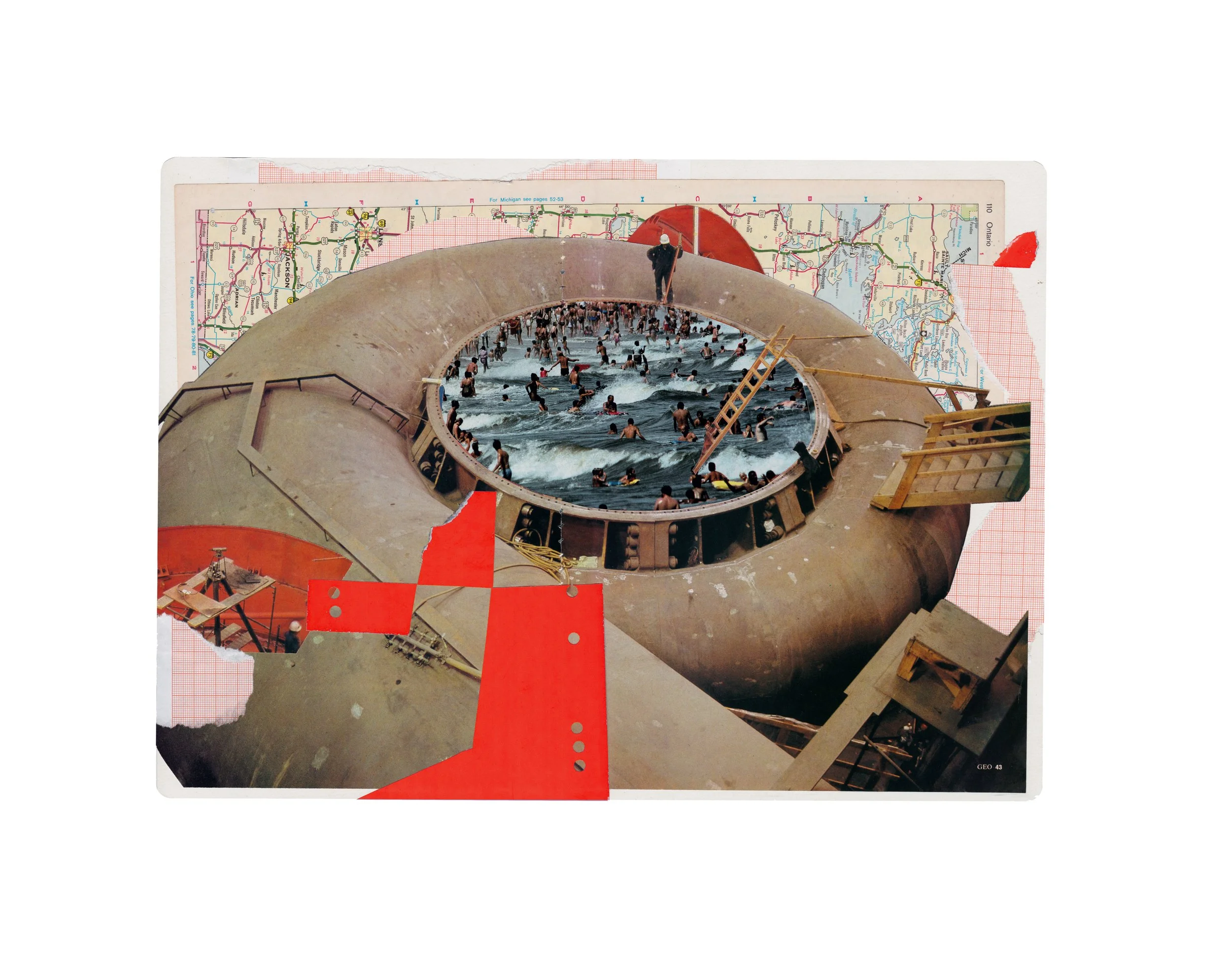
“My work explores themes of memory, media culture, perception and transformation. I am interested in how images are consumed, archived, forgotten and rediscovered. Rather than communicating a single message, I create spaces for association and interpretation. By fragmenting and reassembling visual material, I question the stability of meaning and encourage viewers to construct their own narratives from the pieces they encounter.”
How would you describe your work?
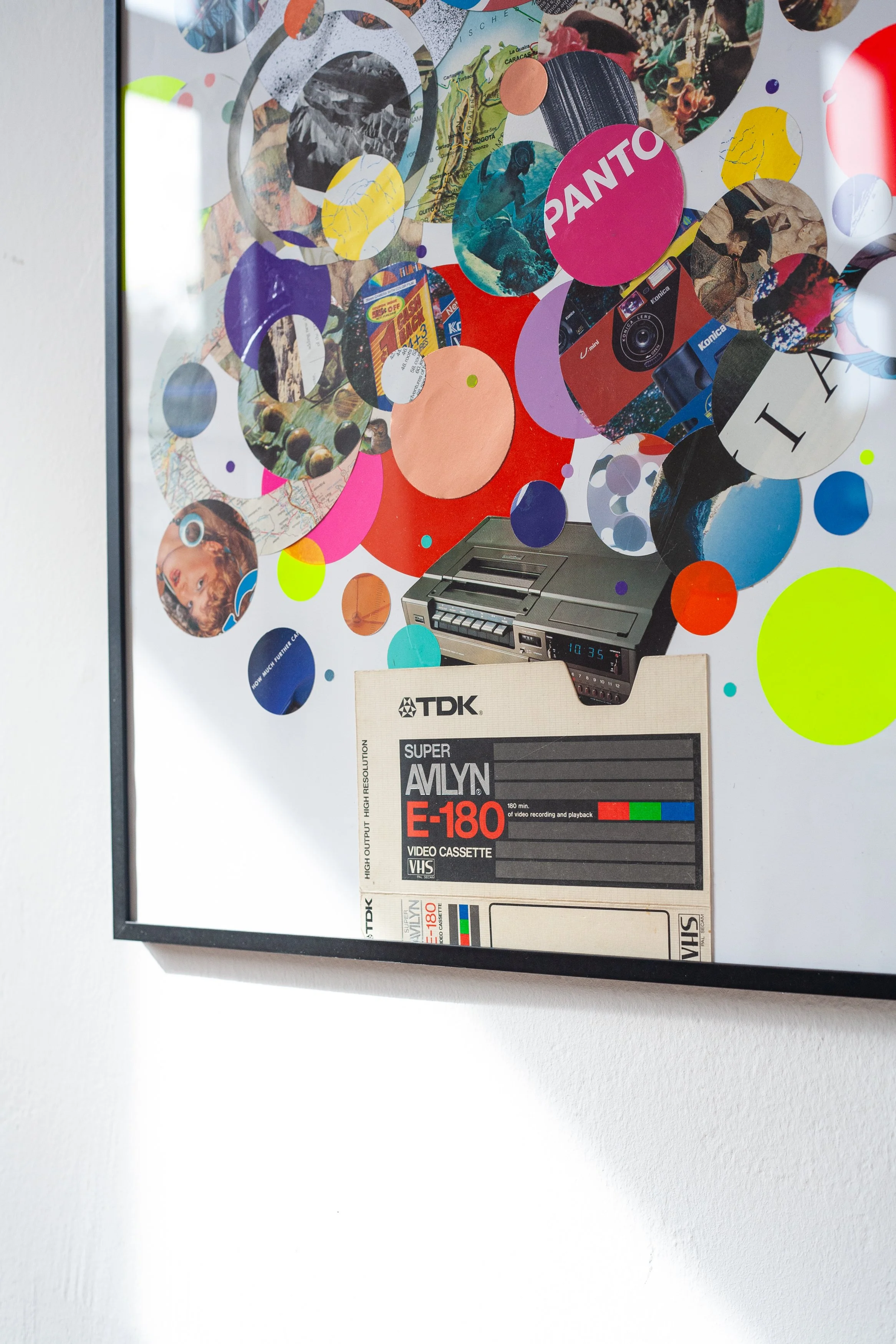
“I would describe my work as a dialogue between collage, graphic design, drawing and visual archaeology. It combines elements from both analog and digital processes, often blurring the boundaries between the two. Fragmentation is a recurring principle. Images are cut apart, layered and reorganized into new structures. Small typographic details frequently appear within the compositions, acting almost like hidden clues. The overall result is often playful, dynamic and visually dense while still maintaining a strong sense of balance and composition.”
Which artists influence you most?
“My influences come from a wide range of disciplines rather than exclusively from the fine art world. David Carson was an early influence because of his experimental approach to typography and image-making. Beyond that, I have always been inspired by graffiti writers, street artists, graphic designers and photographers who challenge conventional visual language. The energy of urban culture, independent publishing and DIY aesthetics continues to have a strong impact on my work.”
What is your creative process like?
“My process often begins with collecting. I gather magazines, photographs, printed ephemera, sketches and visual fragments over long periods of time. Sometimes materials wait for years before finding their place in a composition. The actual process is highly intuitive. I cut, move, layer and rearrange elements repeatedly until a visual tension emerges. While there is always a conceptual framework, I leave room for accidents and unexpected discoveries. Many of the strongest moments in a work happen when control and chance meet.”
What is an artist’s role in society and how do you see that evolving?
“I believe artists help us look at familiar things differently. They create alternative perspectives and challenge established ways of seeing and thinking. In a world saturated with images and information, this role becomes increasingly important. Artists can slow down perception, reveal hidden connections and create spaces for reflection. As technology continues to transform visual culture, artists will remain essential in questioning how we create, consume and understand images.”
Have you had any noteworthy exhibitions you'd like to share?
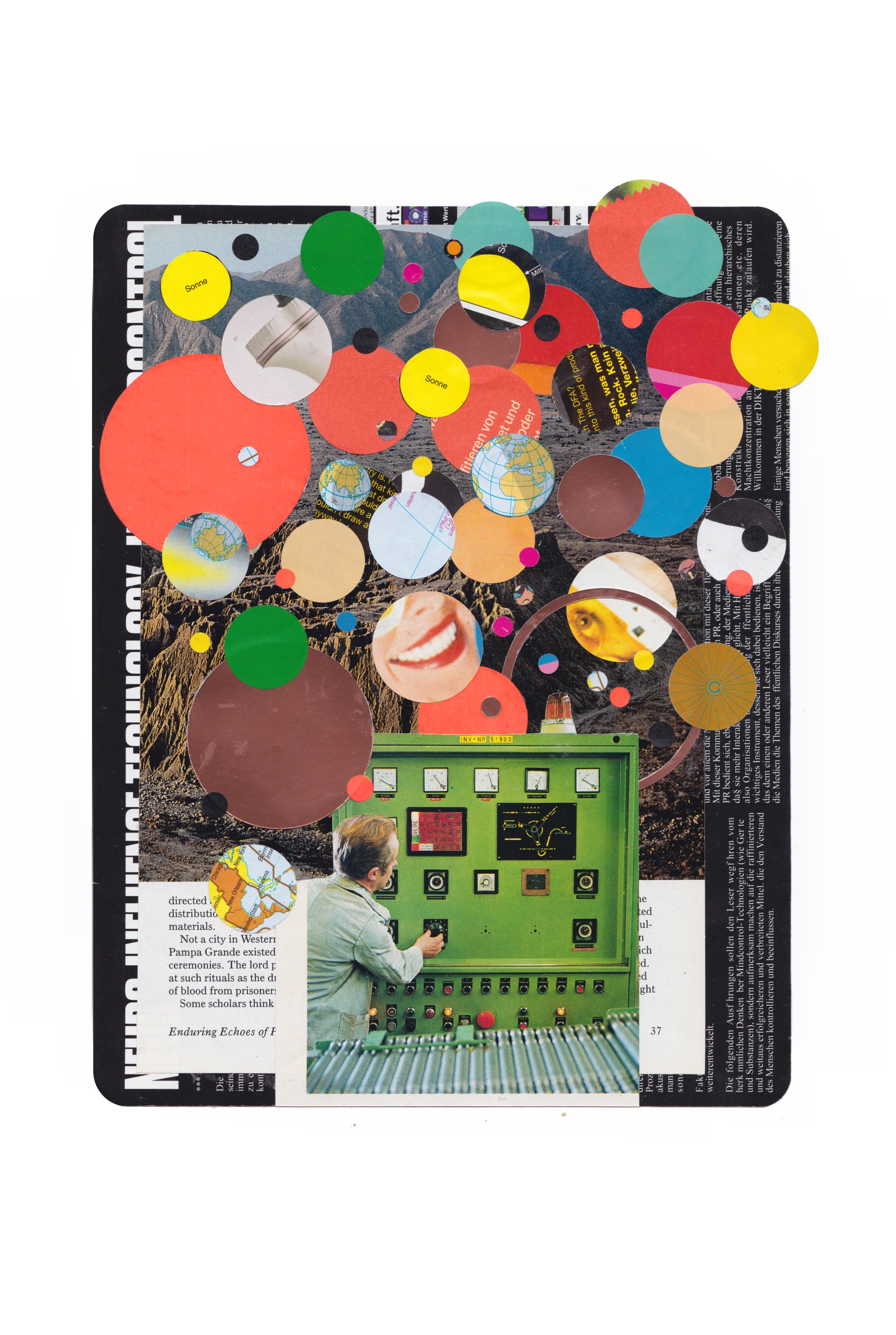
“Exhibitions are always meaningful when they create genuine conversations between artworks and viewers. I am particularly interested in showing work in contexts where contemporary art intersects with design, street culture and visual communication. I am less focused on traditional fine art gallery settings and more drawn to environments where works can exist in a broader visual and cultural context. For me, the most rewarding exhibitions are those that allow viewers to discover details gradually and form their own connections within the work. Whether presented individually or as part of a series, my pieces are intended to function as open visual systems that continue to reveal new relationships over time. Most recently, I participated in a group exhibition at Fabrik der Künste in Hamburg this June, alongside a diverse range of artists. I appreciated the curatorial openness and the variety of artistic positions presented in the show.”
Website: www.bureau-blink.com
Instagram: @bunter_als_erwartet