Interview
Chengyu Deng
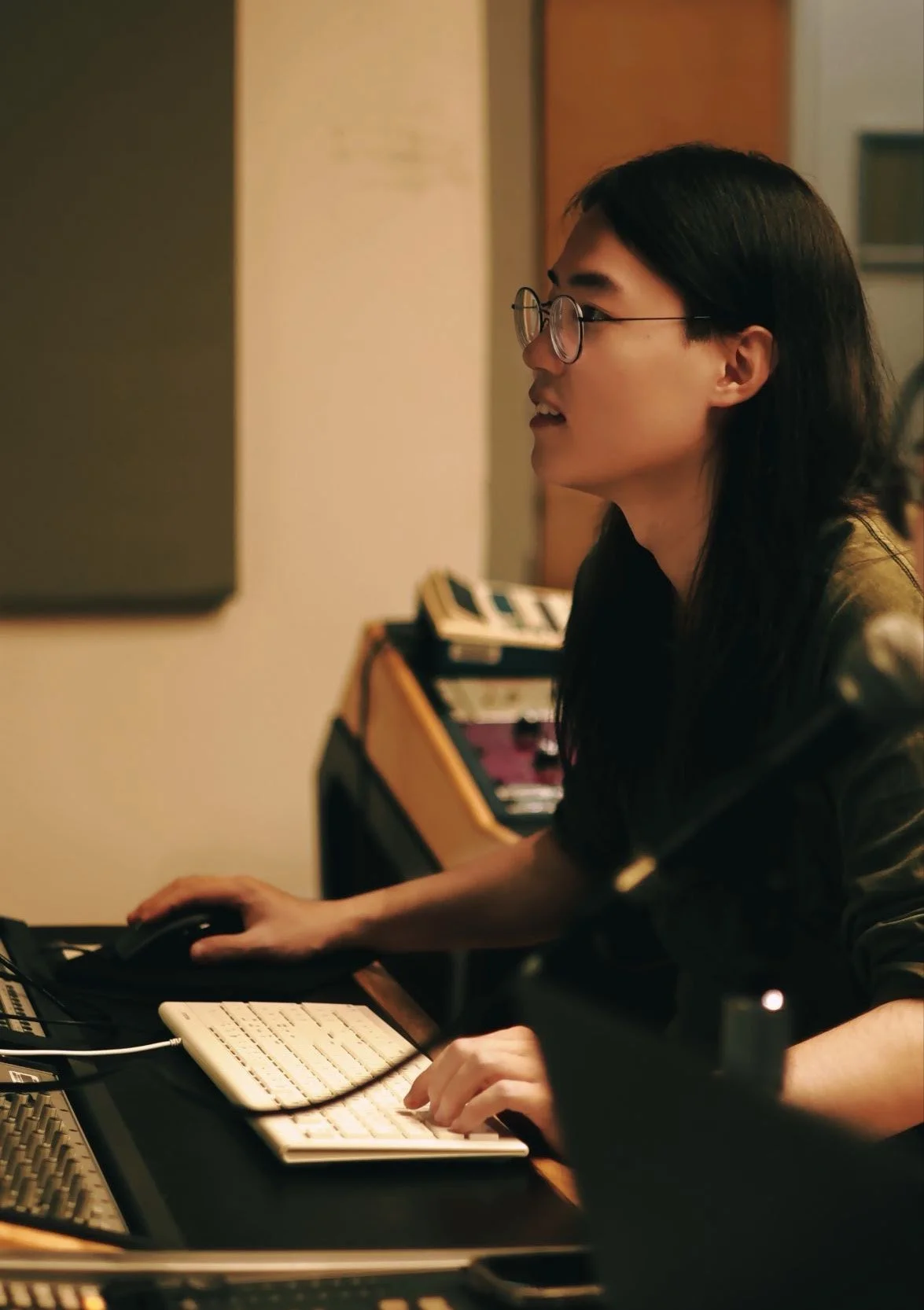
Chengyu Deng is a multimedia artist, sound designer, audio engineer, and electronic music producer working at the intersection of immersive media, spatial audio, generative systems, and interactive technology. His practice explores how sound, data, and human participation can shape dynamic sensory experiences across installation, performance, and digital environments. Holding Bachelor's and Master's degrees in Music Technology from New York University, Chengyu's work spans multichannel audio, generative audiovisual systems, data sonification, sound design, live production, and creative technology development. Drawing from backgrounds in studio recording, live sound, electronic music production, and multimedia works, he creates works that blur the boundaries between technical systems and artistic expression. His projects have been presented through immersive installations, spatial audio performances, community workshops, and interdisciplinary collaborations.
Recent work investigates themes of emergence, ecology, identity, and the relationship between individuals and larger technological and environmental networks. Through generative processes and real-time interaction, his installations transform data, movement, and environmental phenomena into evolving audiovisual experiences. Alongside his artistic practice, Chengyu works as an audio engineer, technical producer, and mentor, supporting artists, students, and creative communities through education, live events, and collaborative projects. He is particularly interested in creating accessible pathways between art, technology, and public engagement, using sound as a medium for exploration, connection, and discovery.
What is your background and how did you start your journey in the art world?
“I started making electronic music because I was fascinated by how sound could create new sonic identities, evoke emotion, and shape a sense of space. At first, I was focused on producing music, but over time I became increasingly interested in everything surrounding it—how sound shapes our experience of an environment, how it interacts with visuals, and how people engage with a work as active participants rather than passive viewers or listeners. That curiosity naturally expanded my practice beyond music. I began exploring audiovisual composition, generative systems, immersive audio, and interactive installations as ways of creating experiences rather than simply presenting finished works. I don't see technology as just a tool for making art. For me, it's another artistic medium that allows me to explore relationships that are often invisible or difficult to describe directly. I'm interested in transforming data, memory, human behavior, and natural systems into experiences that people can hear, see, and physically inhabit. Today my practice moves between composition, sound design, immersive audio, generative art, and installation. Regardless of the medium, my goal is to create work that encourages people to slow down, pay closer attention, and become more aware of the invisible systems and patterns that quietly shape the world around us.”
What inspires you?
“I'm inspired by the relationship between individuals and the larger systems we're part of. I often think about how we exist almost like particles within something much bigger, whether that's nature, society, or the universe. We're constantly interacting with these systems, even though most of the time we aren't consciously aware of them. I'm interested in exploring that relationship through a philosophical lens: how we relate to something greater than ourselves and how our individual actions become part of larger patterns. Another major source of inspiration is data. I tend to see almost everything as data or information waiting to be interpreted. Whether it's human movement, environmental conditions, or digital information, I'm interested in translating those invisible structures into something that can experience. Through sound, visuals, and interaction, I try to make data tangible and not to explain it scientifically, but to reveal its expressive and emotional potential. Ultimately, my work is driven by curiosity. I enjoy asking questions about how invisible systems shape our perception of the world and how technology can become a medium for making those hidden relationships audible, visible, and physically experienced. Rather than offering fixed answers, I hope my work creates space for people to reflect on their own place within these larger systems.”
What themes do you pursue? Is there an underlying message in your work?
“My work often explores themes of interconnectedness, perception, emergence, and transformation. I'm interested in how invisible systems, whether they're ecological, technological, social, or computational, influence the way we experience the world. Rather than treating these systems as something separate from us, I see people as active participants within them, constantly affecting and being affected by their surroundings. A recurring idea in my work is translation. I enjoy transforming things that are normally intangible, such as data, movement, pixel information, or environmental change into sound, visuals, and interactive experiences. By making these invisible processes perceptible, I hope to encourage audiences to engage with familiar ideas from a different perspective. I don't think my work carries a single message or conclusion. Instead, I try to create open-ended experiences that invite curiosity and reflection. If there's an underlying idea, it's that we exist within networks and systems that are far more interconnected than we often realize, and art can help make those relationships momentarily visible.”
How would you describe your work?
“I would describe my work as multidisciplinary, generative, and interactive. I work across sound, moving image, generative systems, immersive audio, and interactive installation, combining these different media to create environments rather than standalone objects. Each medium contributes differently, but together they form a unified experience. Many of my works begin with a system or process rather than a fixed narrative. Data, algorithms, audience interaction, or environmental inputs often become part of the work itself, allowing each experience to evolve over time instead of remaining static. I'm interested in creating spaces where people can explore, listen, observe, and discover relationships at their own pace. My goal is to create experiences that feel intuitive, contemplative, and open-ended, encouraging audiences to become more aware of the invisible systems and patterns that exist around and within us.”
Which artists influence you most?
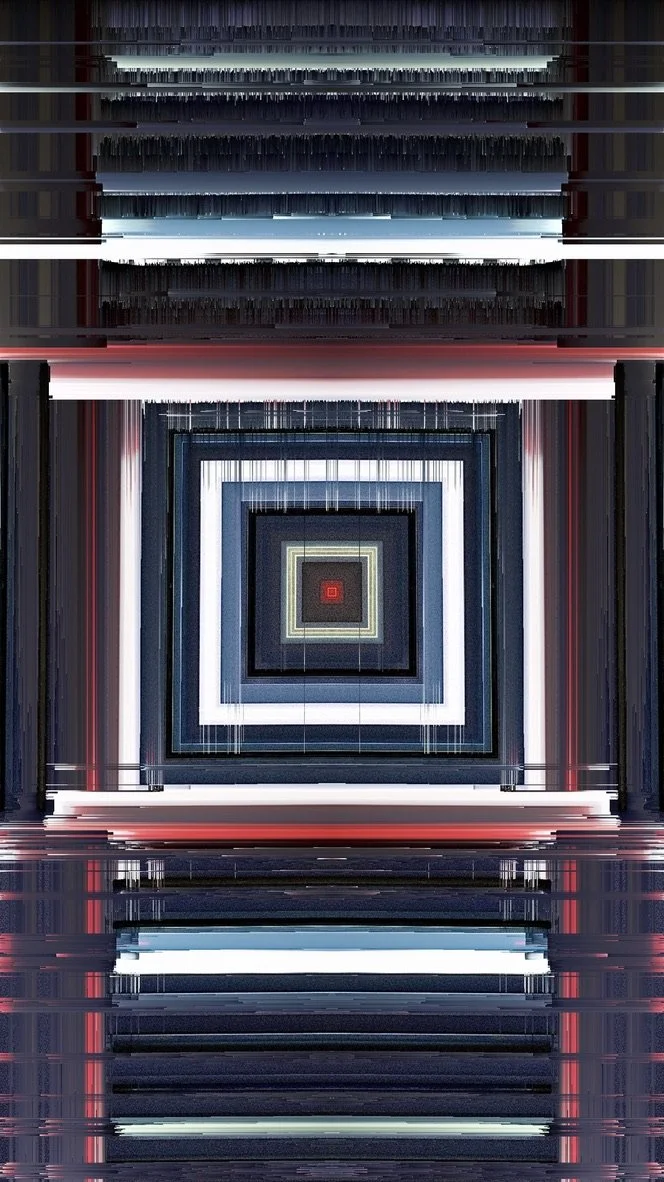
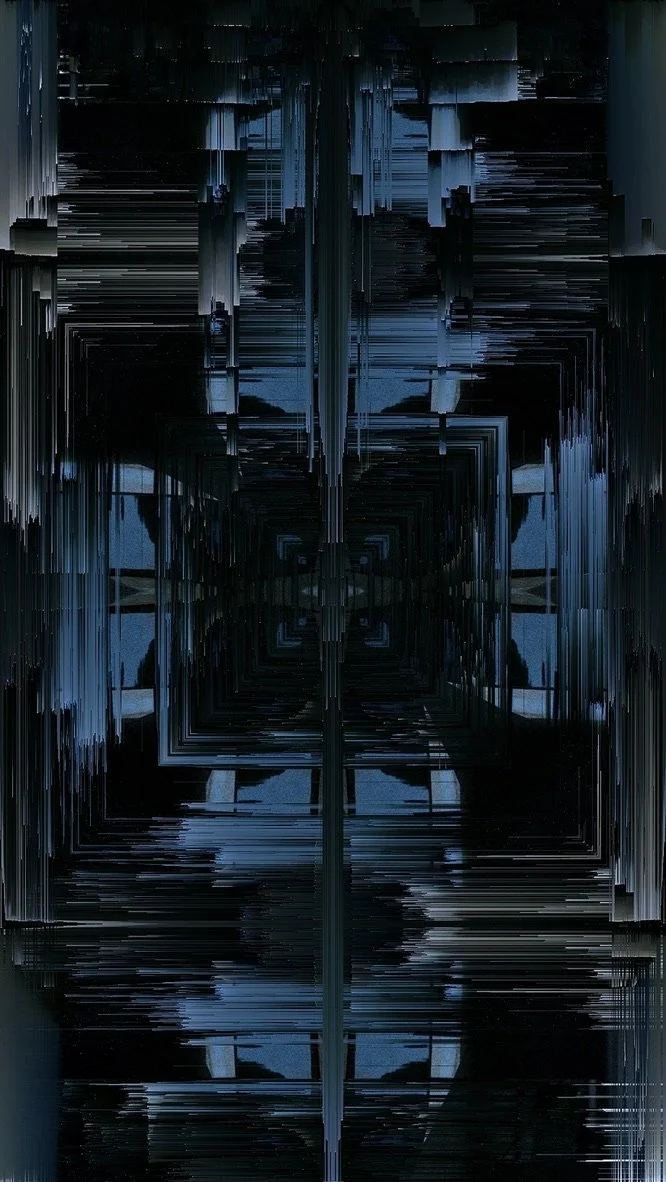
“My biggest influence has been Skrillex. His work completely changed the way I thought about music and sound. What inspires me isn't just his sound design, but his willingness to constantly experiment and reinvent his creative process. He showed me that sound itself can become a medium for expression, and that has continued to shape the way I approach my own work. Visually, I'm heavily inspired by Adam Ferriss. I really enjoy the abstract, computational quality of his work, especially the way he uses digital artifacts such as pixel sorting and generative image processing to create something that feels both organic and synthetic. That aesthetic has influenced how I think about visuals and how they interact with sound in my installations and audiovisual compositions. Beyond specific artists, I draw inspiration from science, philosophy, and the observation of natural systems. Much of my work begins with curiosity, by looking at patterns, data, and invisible relationships, then exploring how they can be translated into immersive experiences through sound, visuals, and interaction.”
What is your creative process like?
“My creative process usually begins with a question rather than a finished idea. I'm often curious about a particular system, interaction, or phenomenon. From there, I experiment with different technologies, algorithms, or methods of translating information into sound and visuals. I spend a lot of time prototyping. I like building small experiments, observing how they behave, and allowing unexpected results to influence the direction of the work. In my sound design practice especially, experimentation often means embracing mistakes. I try to interpret glitches, artifacts, and unexpected behaviors as opportunities rather than problems. Many of my ideas come from asking why something happened and how that ‘error’ can become the foundation for a new sound, technique, or artwork. Once I find something that feels interesting, I begin refining the relationship between sound, visuals, and interaction. I think carefully about how people will experience the work and not just what they'll see or hear, but how they'll move through the space, engage with the system, and interpret it in their own way. For me, making art is a continuous process of exploration. Research, experimentation, technical development, and artistic intuition all inform one another, and the final work often emerges through that dialogue rather than from a predetermined plan.”
What is an artist’s role in society and how do you see that evolving?
“I think an artist's role is to expand the way we think about the world around us. Art allows us to slow down, reflect, and pay attention to things that are often overlooked in our fast-paced lives. Everyday we're surrounded by an overwhelming amount of information and constantly shifting technologies. For me, art creates a space where those experiences can be distilled into something more focused, which is an opportunity to spend time with a limited numbers of idea, emotion, or question. I also think artists have an important role in exploring the possibilities of technology beyond its intended purpose. Every technology is developed with a particular function in mind, but artists often approach it differently. We experiment, reinterpret, and sometimes misuse tools in ways that reveal new forms of expression or unexpected ways of thinking. That process isn't about making technology the subject of the work, it's about discovering new creative possibilities through it. As technology continues to evolve, I think artists will remain essential because they ask different kinds of questions. Instead of focusing only on what technology can do, artists ask what it can mean, how it changes our perception, and how it shapes the way we relate to ourselves, to each other, and to the world around us.”
Website: www.anarkistplut0.com
Instagram: @anarkistplut0