
Interview
Chenglin (Clover) Li
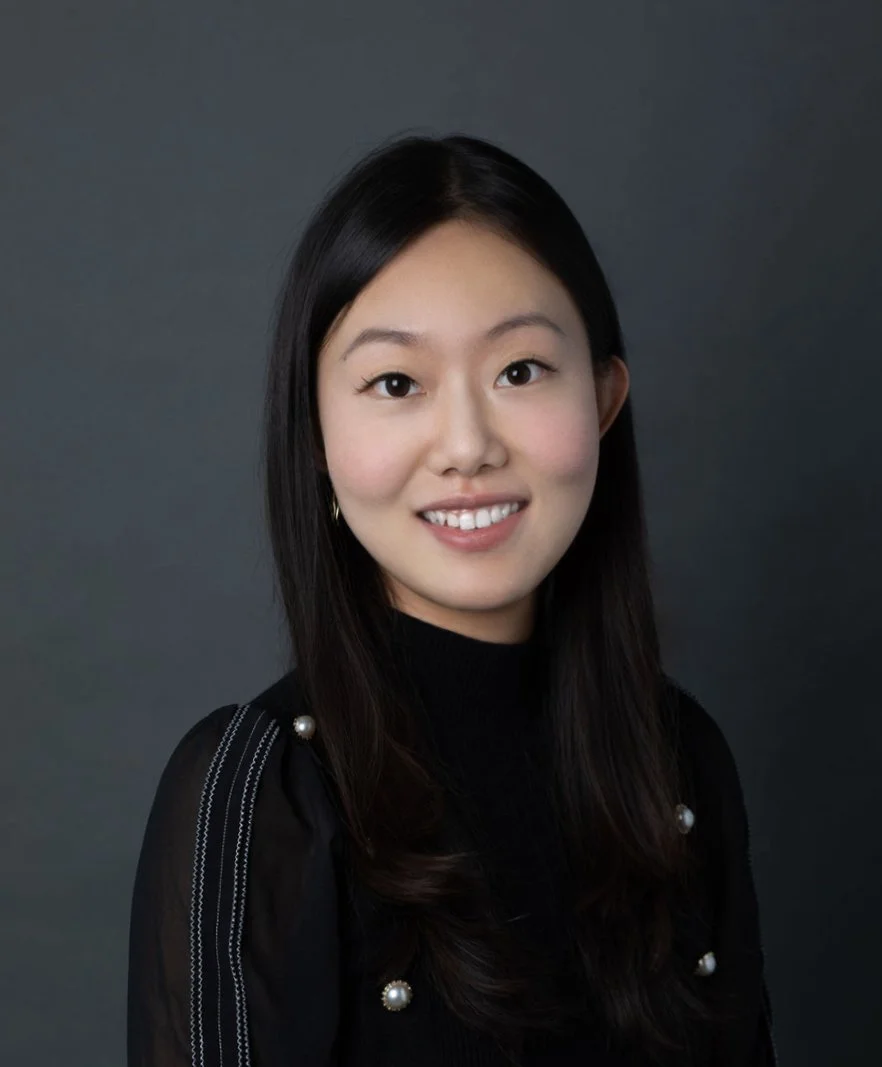
Chenglin (Clover) Li is a computational artist and visual designer whose work explores how algorithmic systems and emerging technologies reshape perception. Through generative code, speculative design, and interactive experiences, she transforms technological and environmental systems into tangible human experiences. She holds degrees from New York University and the University of California, Berkeley, and has worked with global organizations including NOV and SLB. Her work has received Red Dot, iF, IDA, C2A, Grand Prix du Design Paris, European Product Design, London Design, French Design, MUSE, Vega Digital, and NY Product Design Awards. It has been exhibited internationally at Artexpo New York; Carrousel du Louvre and Halle des Blancs-Manteaux in Paris; Palazzo Albrizzi-Capello in Venice; Casa Cava in Matera; Dodomu Gallery in Brooklyn; Golden Duck Gallery in Budapest; Boomer Gallery and Gallery NAT in London; and CICA Museum in South Korea.
What is your background and how did you start your journey in the art world?
“I am a computational artist, visual designer, and entrepreneur whose work explores the intersection of algorithms, emerging technologies, and human experience. My journey into the art world began at New York University Shanghai, where two professors profoundly influenced the direction of my creative practice. Professor Leon Eckert encouraged me to explore creative programming and critically examine how digital media technologies reshape social norms. At the same time, Professor Eric Parren introduced me to Max and real-time audiovisual performance, opening my eyes to the possibilities of code as a medium for artistic expression. Through their mentorship, I came to understand that technology could be more than a technical tool. These experiences established the foundation for integrating visual design with computational systems in my artistic practice. I later continued my studies at the University of California, Berkeley, where my perspective expanded beyond artistic expression to create business impact. Under the guidance of Professor Purin Phanichphant, I explored how emerging technologies and digital transformation can improve people's lives. Professor Mathieu Aguesse introduced me to the energy and sustainability sectors, demonstrating how design can communicate complex technologies and create meaningful impact for businesses. Together, these experiences shaped both my artistic practice and my professional career, inspiring me to create work that bridges art, technology, sustainability, and innovation.”
What inspires you?
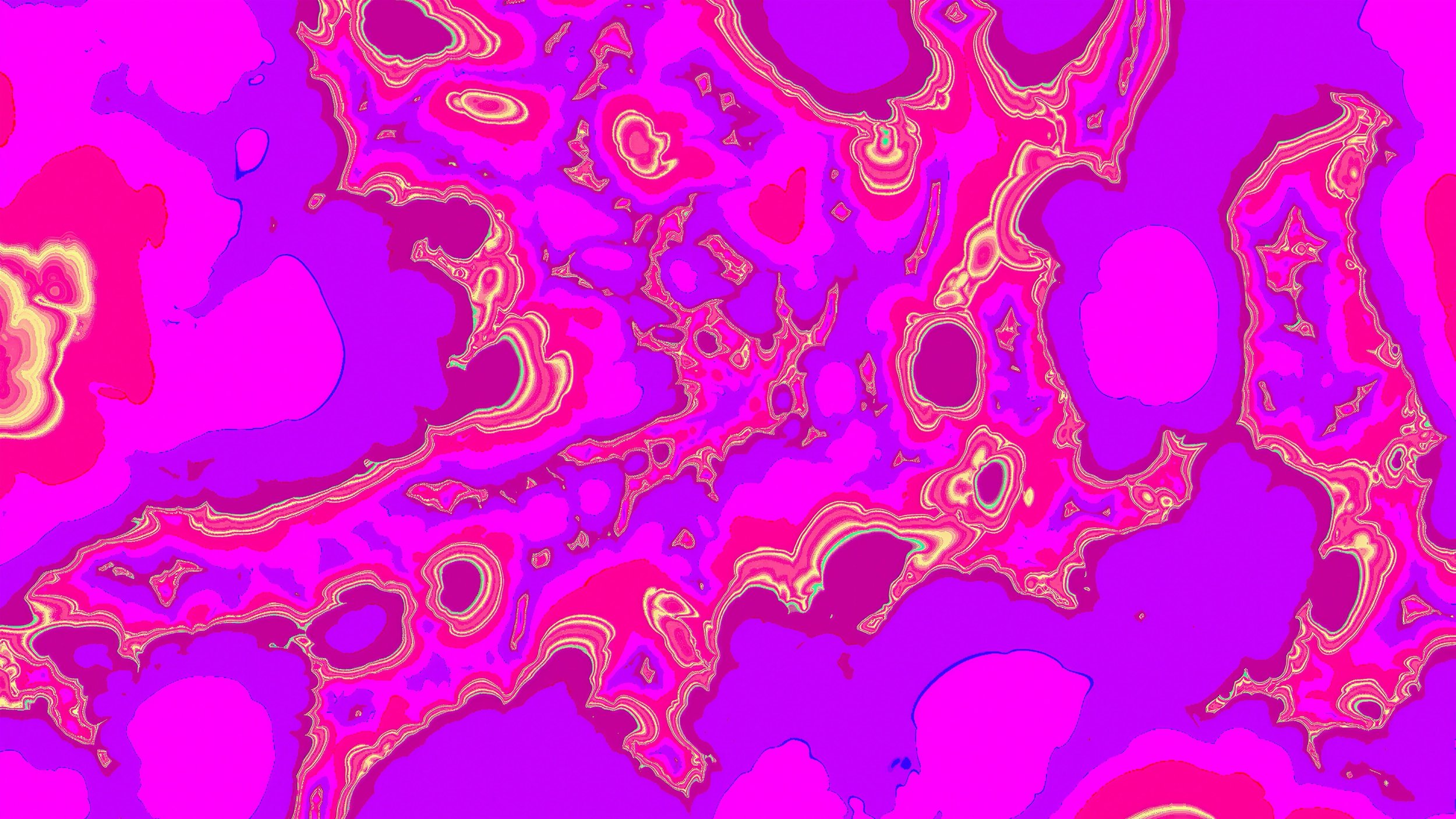
“I am inspired by the hidden systems that shape our world, from biological growth and ecological networks to computational algorithms and human behavior. I am fascinated by how simple interactions can generate unexpected complexity, and I explore these relationships through code, materials, and interactive experiences. My academic background at New York University and the University of California, Berkeley, together with my experience working with global technology companies including NOV and SLB, has encouraged me to think across disciplines and view technology as both a creative medium and a cultural force. Each project begins with a different question. Algorithmic Genome explores how computational systems can generate forms that resemble natural evolution and has been exhibited internationally at Artexpo New York, Palazzo Albrizzi-Capello in Venice, Halle des Blancs-Manteaux in Paris, Casa Cava in Matera, CICA Museum in South Korea, Gallery NAT in London, and Dodomu Gallery in Brooklyn. MELTING, recipient of the Red Dot Design Award, investigates transformation through a zero-waste knitwear system and has been exhibited at the Carrousel du Louvre in Paris before its presentation at the Red Dot Design Museum Singapore. Whether I work with algorithms, wearable systems, or material innovation, I am ultimately inspired by the possibility of revealing invisible relationships through design.”
What themes do you pursue? Is there an underlying message in your work?
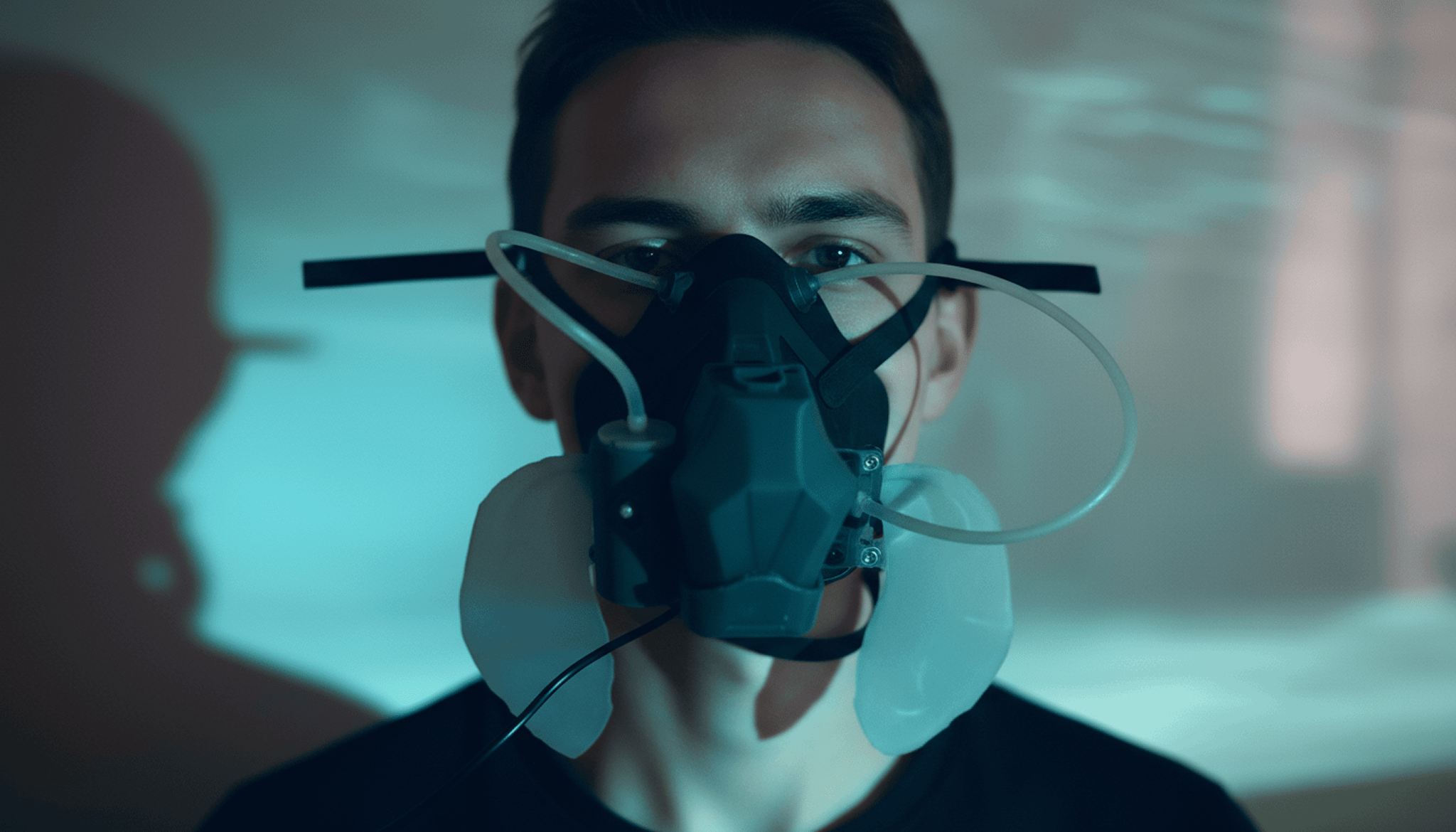
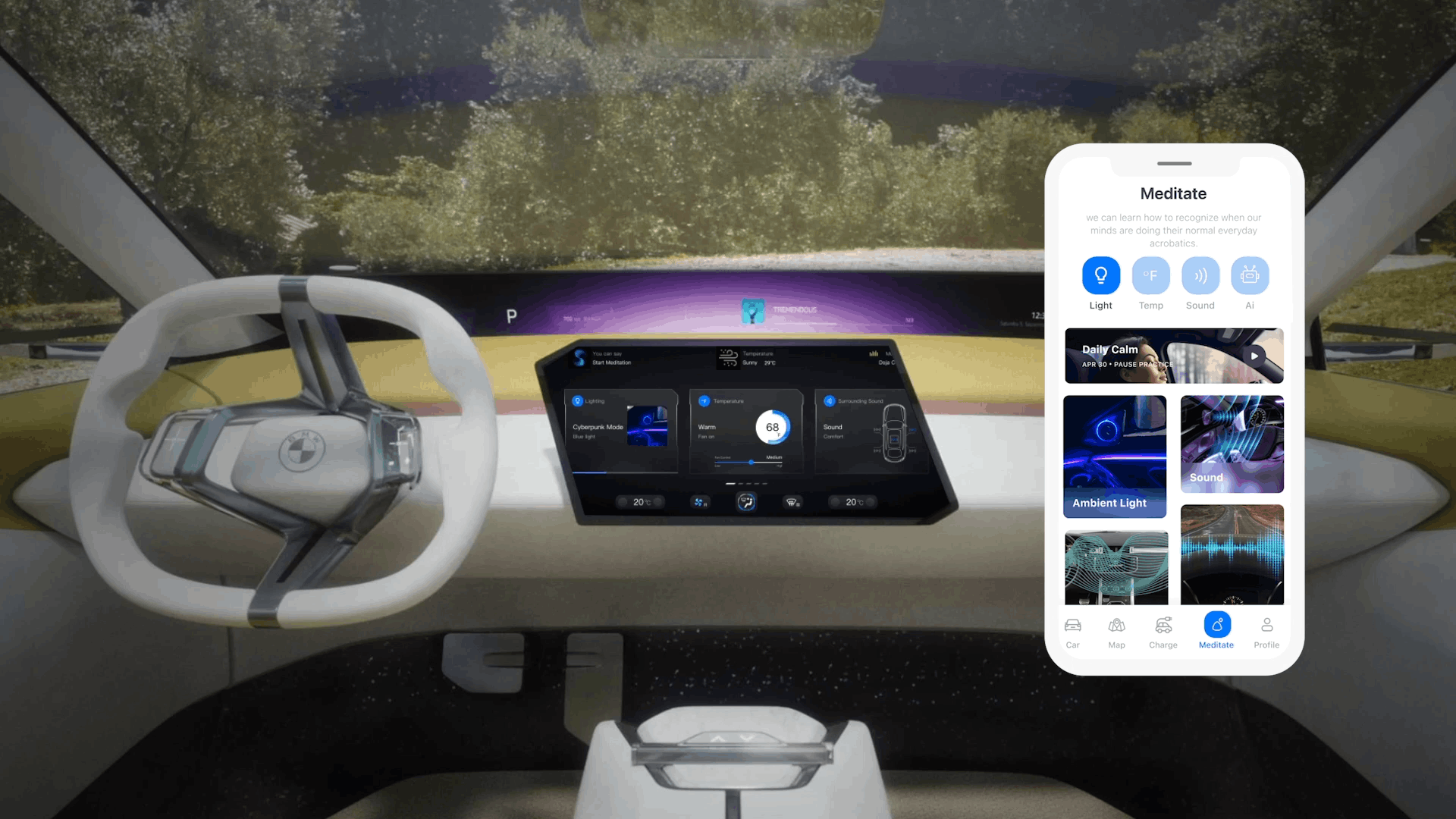
“Transformation is the central theme that connects my practice. I explore how systems evolve, whether they are computational, biological, material, or social. Rather than treating technology as separate from humanity or nature, I investigate how these systems continuously shape one another. This perspective appears in different ways across my projects. Algorithmic Genome examines emergence through generative algorithms, while OceanLung translates ocean deoxygenation data into a wearable experience, encouraging empathy for environmental change. The project has received international recognition through the Grand Prix du Design Paris, MUSE Design Awards, London Design Awards, French Design Awards, European Product Design Award, and NY Product Design Awards, and was exhibited at Boomer Gallery in London. Breezy, recipient of the iF Design Award, applies similar human-centered principles to healthcare by transforming respiratory training for children into an engaging and supportive experience. Sofar, recognized by the International Design Awards (IDA) and exhibited at Golden Duck Gallery in Budapest, investigates human connection through interactive furniture, while iTranquil, recipient of the Creative Communication Awards (C2A), Vega Digital Awards Gold and Indigo Design Award Gold, reimagines digital wellness in collaboration with BMW Group and the Jacobs Institute for Design Innovation. Across all of these works, I hope to encourage audiences to view emerging technologies not simply as tools, but as systems capable of fostering awareness, empathy, and new ways of thinking.”
How would you describe your work?
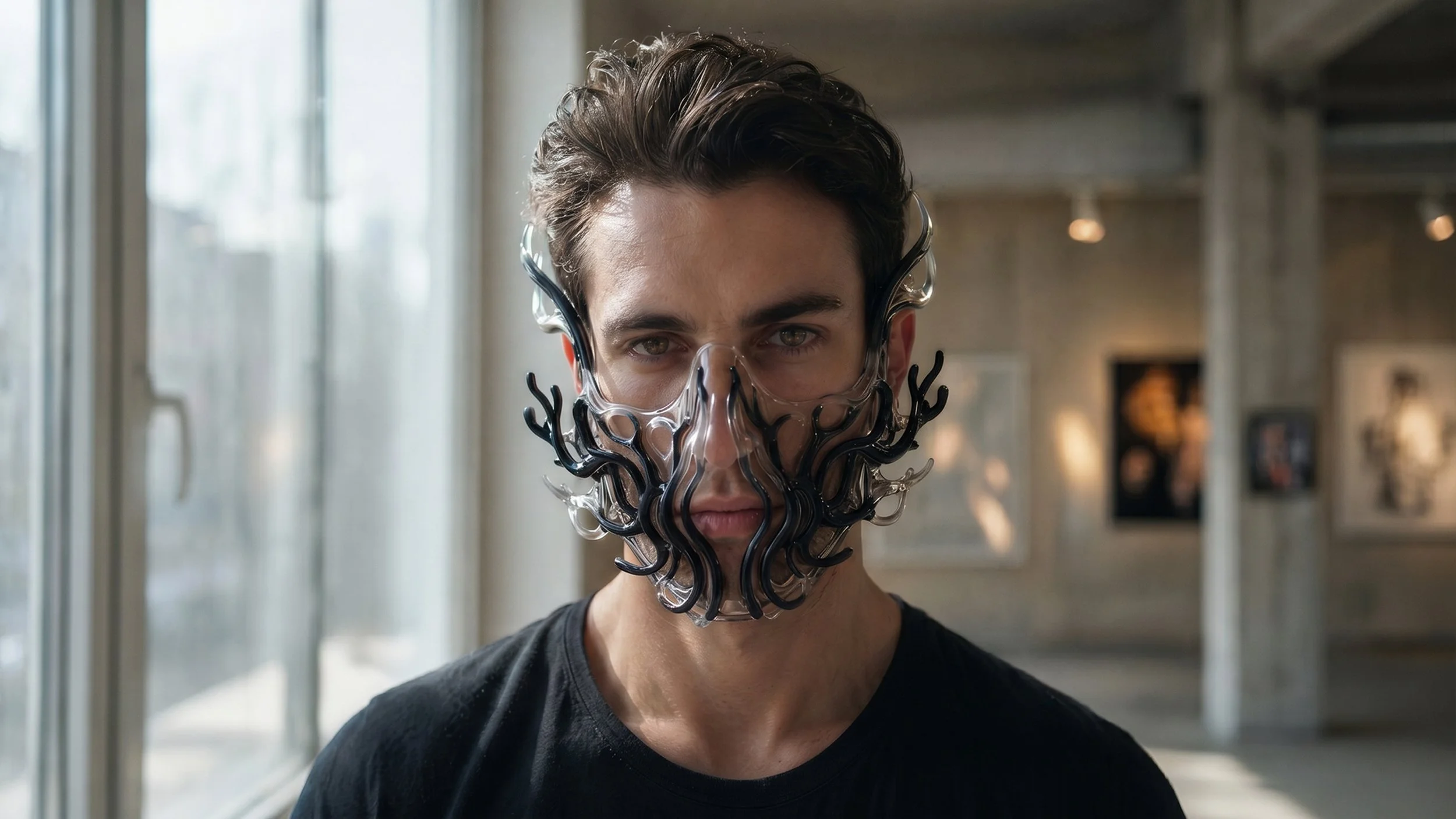
“I would describe my work as computational, interdisciplinary, and human-centered. I work across generative art, wearable design, installation, interaction design, and material experimentation, combining artistic research with emerging technologies to create experiences that invite reflection rather than simply present information. Although the media vary, the underlying approach remains consistent. I design systems instead of fixed outcomes, allowing complexity to emerge through interactions between algorithms, materials, environments, and people. Whether creating the evolving visual ecosystems of Algorithmic Genome, the adaptive textile system of MELTING, the environmental wearable OceanLung and Breezy, or the speculative sculpture Post-Human Bloom, I aim to create works that encourage audiences to reconsider the evolving relationship between technology, nature, and human experience.”
Which artists influence you most?
“Rather than drawing inspiration from a single artist, I am influenced by artists who challenge conventional boundaries between art, technology, design, and society. Three artists and educators have been especially influential in shaping my artistic practice: Eric Parren, Leon Eckert, and Purin Phanichphant. Professor Eric Parren introduced me to creative coding and real-time audiovisual performance, demonstrating how computation, light, sound, and perception can become artistic materials. His interdisciplinary practice, which connects media art, electronic music, and emerging technologies, encouraged me to see algorithms not simply as programming tools but as creative systems capable of generating unexpected forms and experiences. This perspective became the foundation for my computational artworks, including Algorithmic Genome. Professor Leon Eckert expanded my thinking beyond technology itself by encouraging me to critically examine the cultural, social, and political implications of digital media. His work explores how networked technologies, data, and contemporary media shape human behavior and society, inspiring me to ask not only how technology functions, but why it matters.
This critical perspective continues to influence projects such as OceanLung and Post-Human Bloom, which explore the relationship between technology, ecology, and human experience. Later, at the University of California, Berkeley, Professor Purin Phanichphant showed me how design can transform complex technologies into playful, intuitive, and meaningful human experiences. His approach to interactive design, simplicity, and human-centered innovation reinforced the importance of empathy and participation in my creative process. That philosophy has shaped projects such as Breezy, iTranquil, and Sofar, where emerging technologies are designed to improve well-being and encourage deeper human connection. Together, these mentors helped me develop an interdisciplinary practice that combines computational systems, critical inquiry, and human-centered design. Today, my inspiration comes equally from natural systems, scientific research, material innovation, and contemporary art, all of which continue to inform my exploration of emergence, transformation, and the evolving relationship between humans and technology.”

What is your creative process like?
“My creative process begins with research rather than aesthetics. I usually start by identifying a question that interests me, whether it concerns emergence, environmental change, material transformation, or human interaction. From there, I study the systems behind that question before determining the most appropriate medium for expressing it. When working with computational art, I design the rules and behaviors that guide a system rather than every visual outcome. The algorithm becomes a collaborator, producing possibilities that I observe, refine, and curate. For projects such as Algorithmic Genome, this means allowing generative systems to evolve over time. For MELTING, the process involved experimenting with knit structures and water-soluble materials until the transformation itself became part of the artwork. In OceanLung, environmental data became the basis for a wearable experience, while Breezy, recipient of the iF Design Award, transformed respiratory therapy into an engaging interaction for children. Across every project, I move continuously between research, experimentation, prototyping, observation, and refinement until the work communicates its central idea with clarity.”
What is an artist’s role in society and how do you see that evolving?
“I believe artists help society understand change. As technologies such as artificial intelligence, computational systems, and digital fabrication become increasingly embedded in everyday life, artists can make these complex systems more visible, accessible, and open to critical reflection. During my studies at the University of California, Berkeley, Professor Mathieu Aguesse significantly shaped my understanding of design as a catalyst for social impact. Through courses such as Deplastify the Planet and Equitable Design, he demonstrated how innovation can address challenges related to sustainability, inclusion, and the public good. His emphasis on impact-driven design reinforced my belief that artists and designers have a responsibility not only to create compelling work, but also to contribute meaningfully to society. In the future, I believe artists will increasingly serve as translators between disciplines, connecting art, science, engineering, and culture. My own practice reflects this interdisciplinary role by combining computational art, product design, environmental awareness, wearable technologies, and interaction design. I hope my work encourages dialogue across disciplines and demonstrates how art can make emerging technologies more accessible, meaningful, and human-centered.”


Have you had any noteworthy exhibitions you'd like to share?
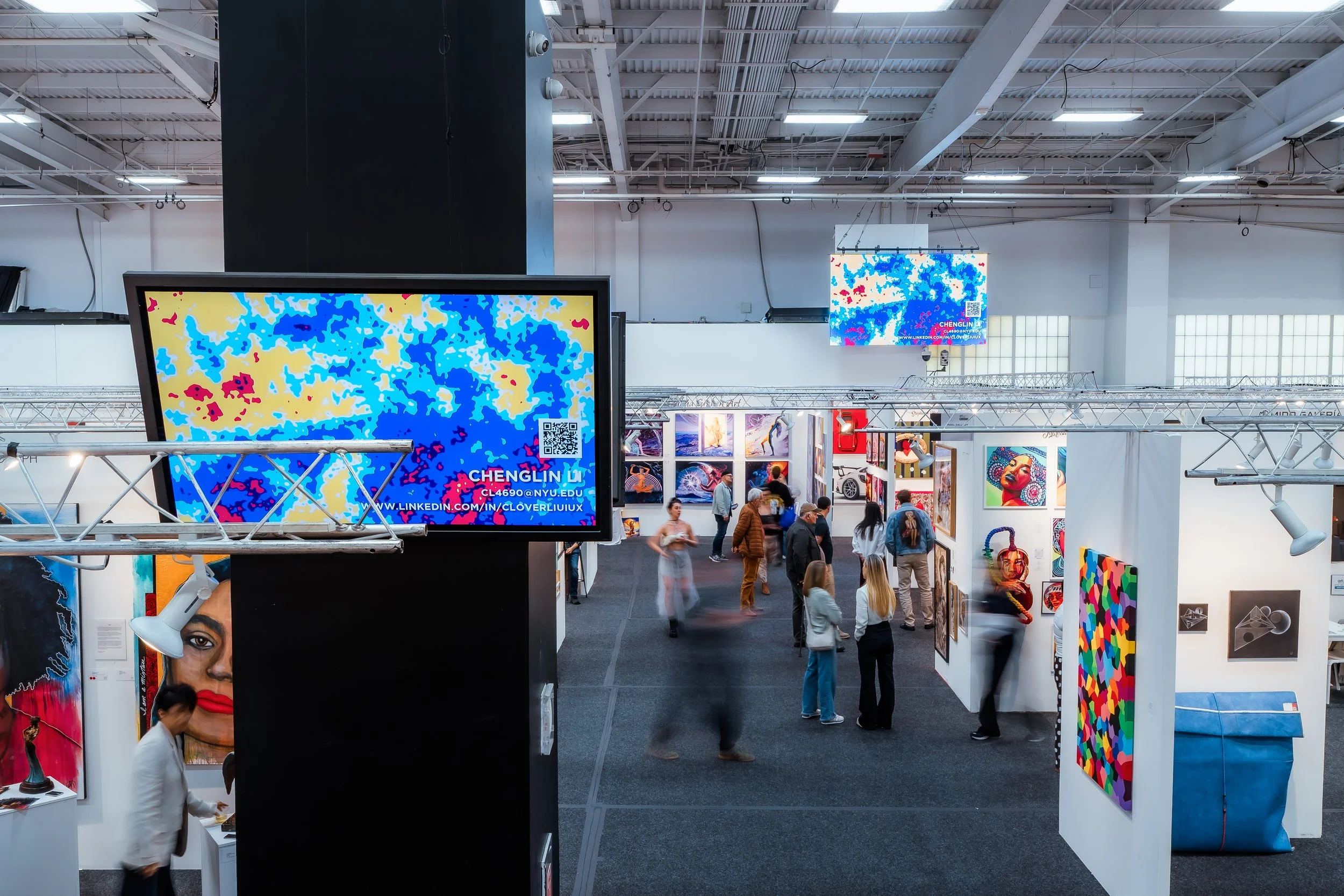
“Each international exhibition has contributed to my development as an artist because every audience brings a different cultural perspective. Exhibiting Algorithmic Genome at Artexpo New York, Palazzo Albrizzi-Capello in Venice, Halle des Blancs-Manteaux in Paris, Casa Cava in Matera, CICA Museum in South Korea, Gallery NAT in London, and Dodomu Gallery in Brooklyn demonstrated that themes of emergence and computational creativity resonate across diverse cultural contexts. Another particularly meaningful experience was exhibiting MELTING, recipient of the Red Dot Design Award, at the Carrousel du Louvre in Paris before its presentation at the Red Dot Design Museum Singapore. Presenting OceanLung at Boomer Gallery in London further reinforced the global relevance of environmental storytelling through design, while Sofar, recognized by the International Design Awards (IDA), was exhibited at Golden Duck Gallery in Budapest. Together, these exhibitions across Europe, North America, and Asia have expanded my perspective as an artist. They have shown me that questions surrounding technology, sustainability, human experience, and creative collaboration transcend geographic boundaries. Engaging with international audiences has strengthened my commitment to creating interdisciplinary work that contributes to contemporary conversations at the intersection of art, design, science, and emerging technologies.”