Interview
Changhwa Jung
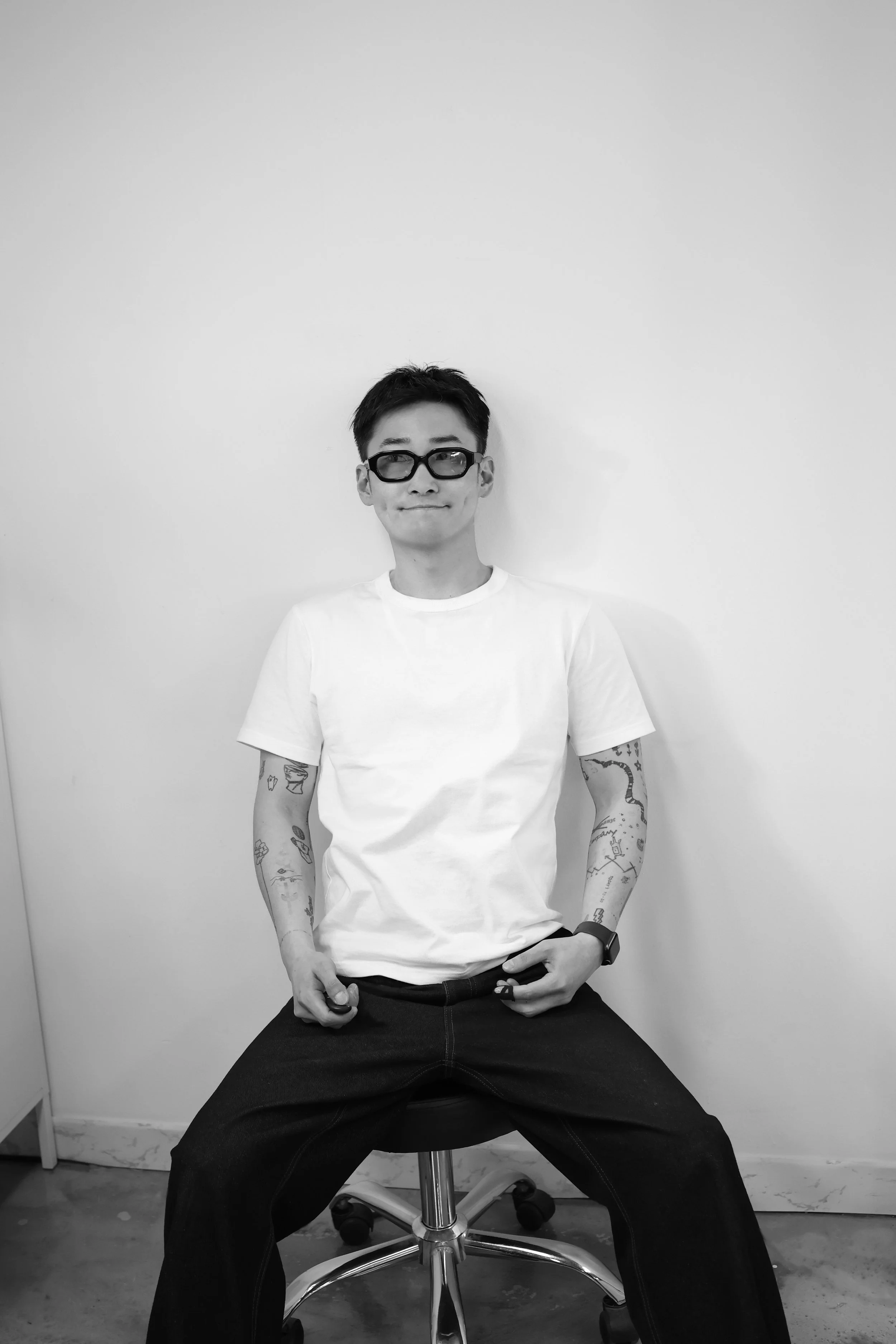
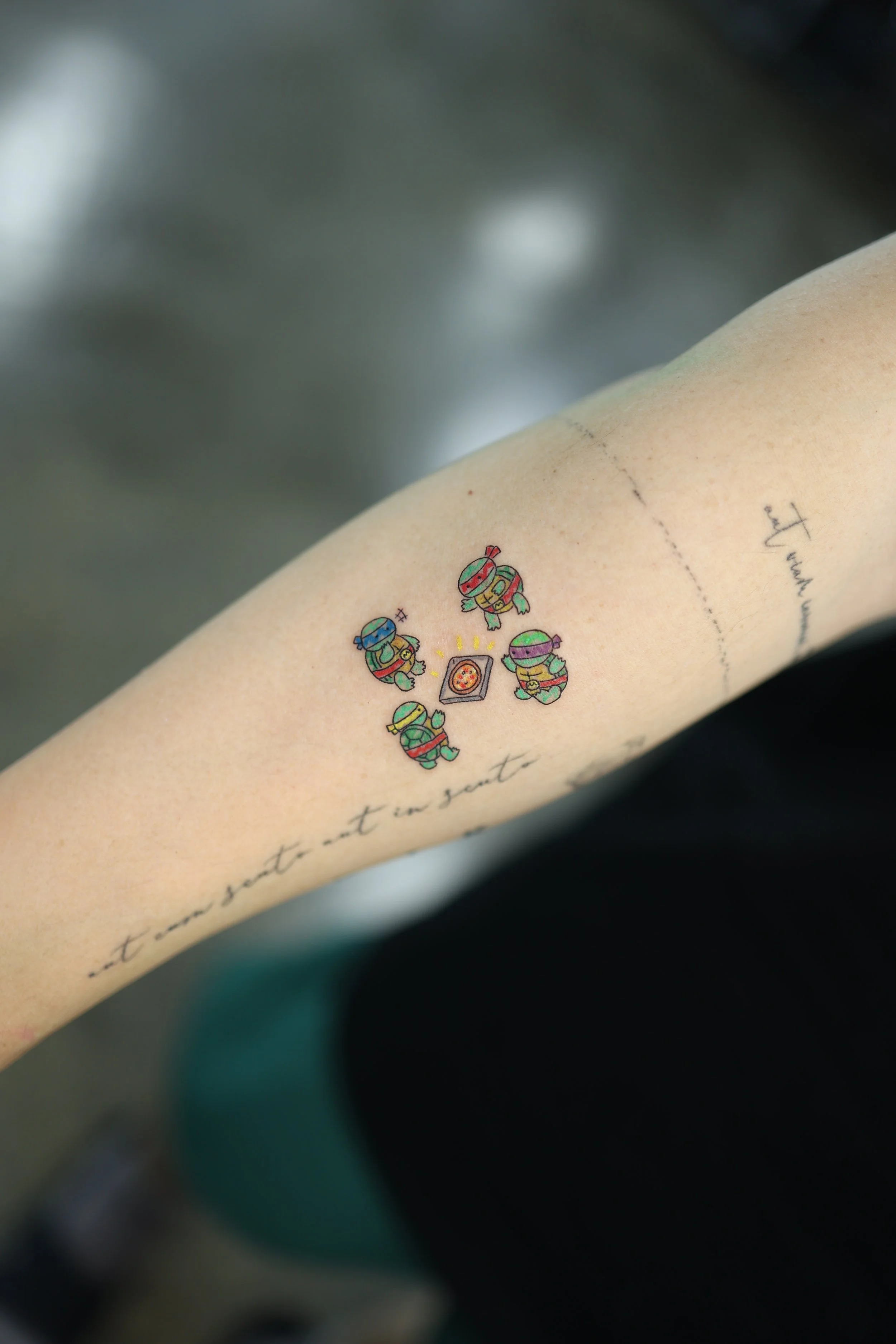
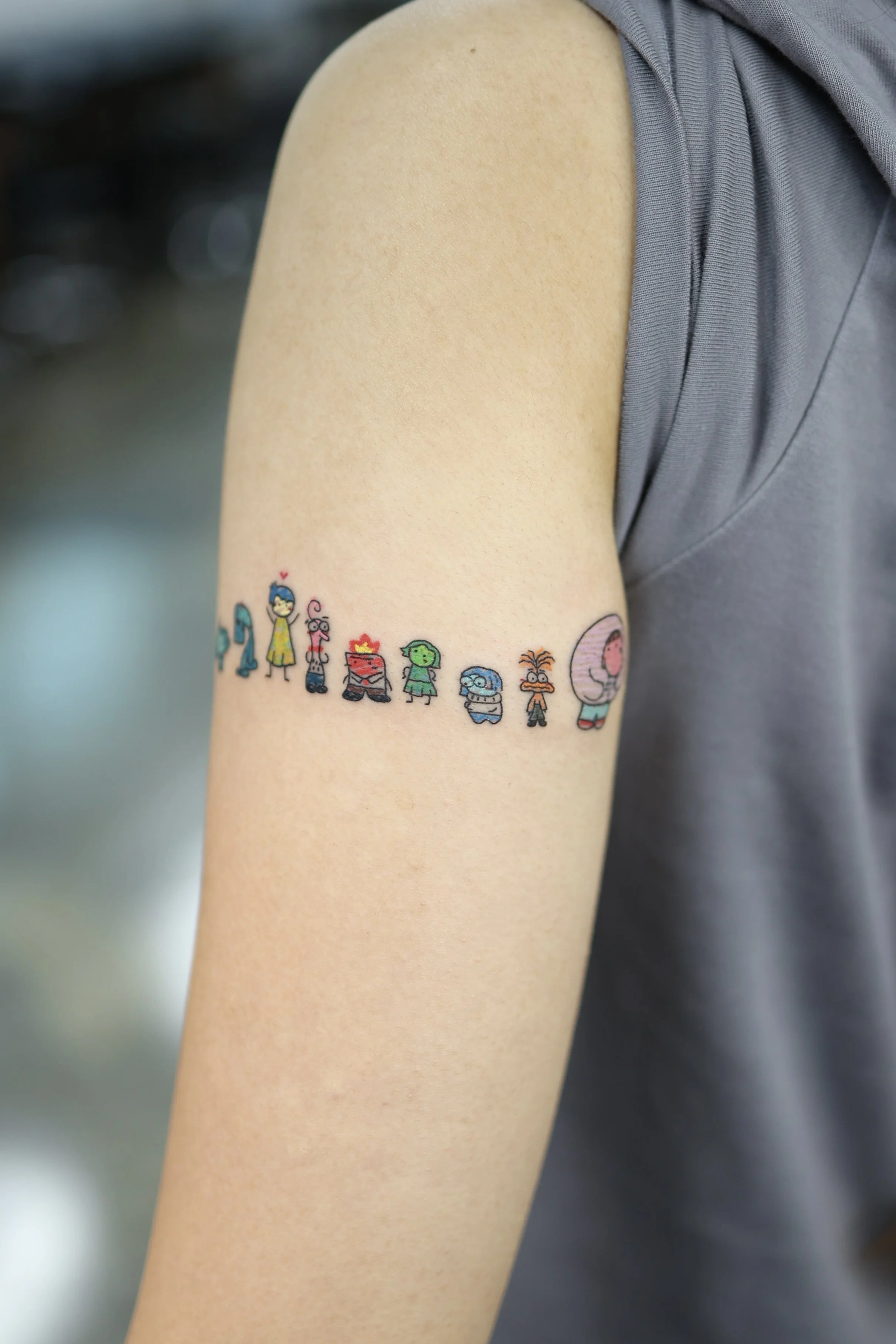
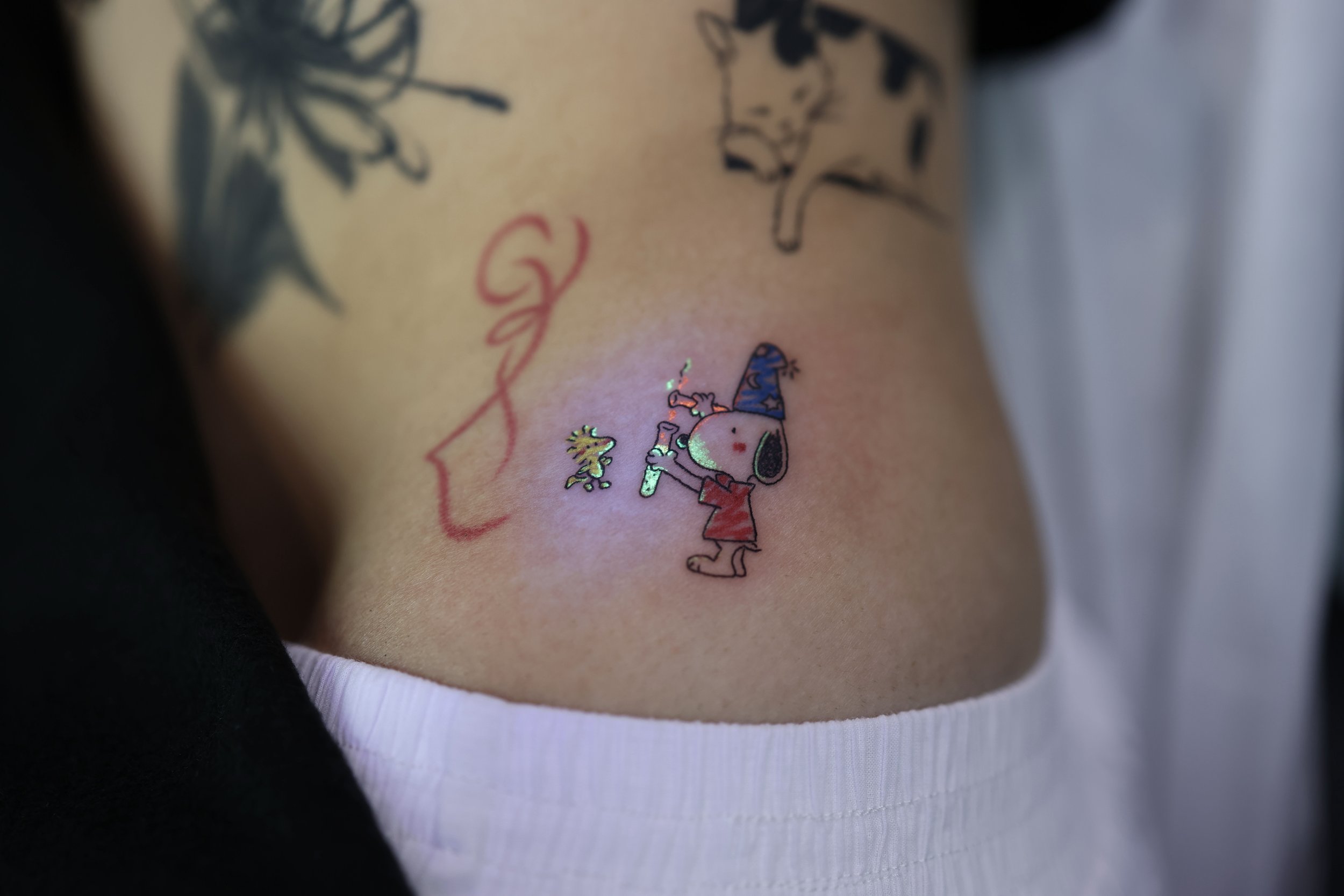
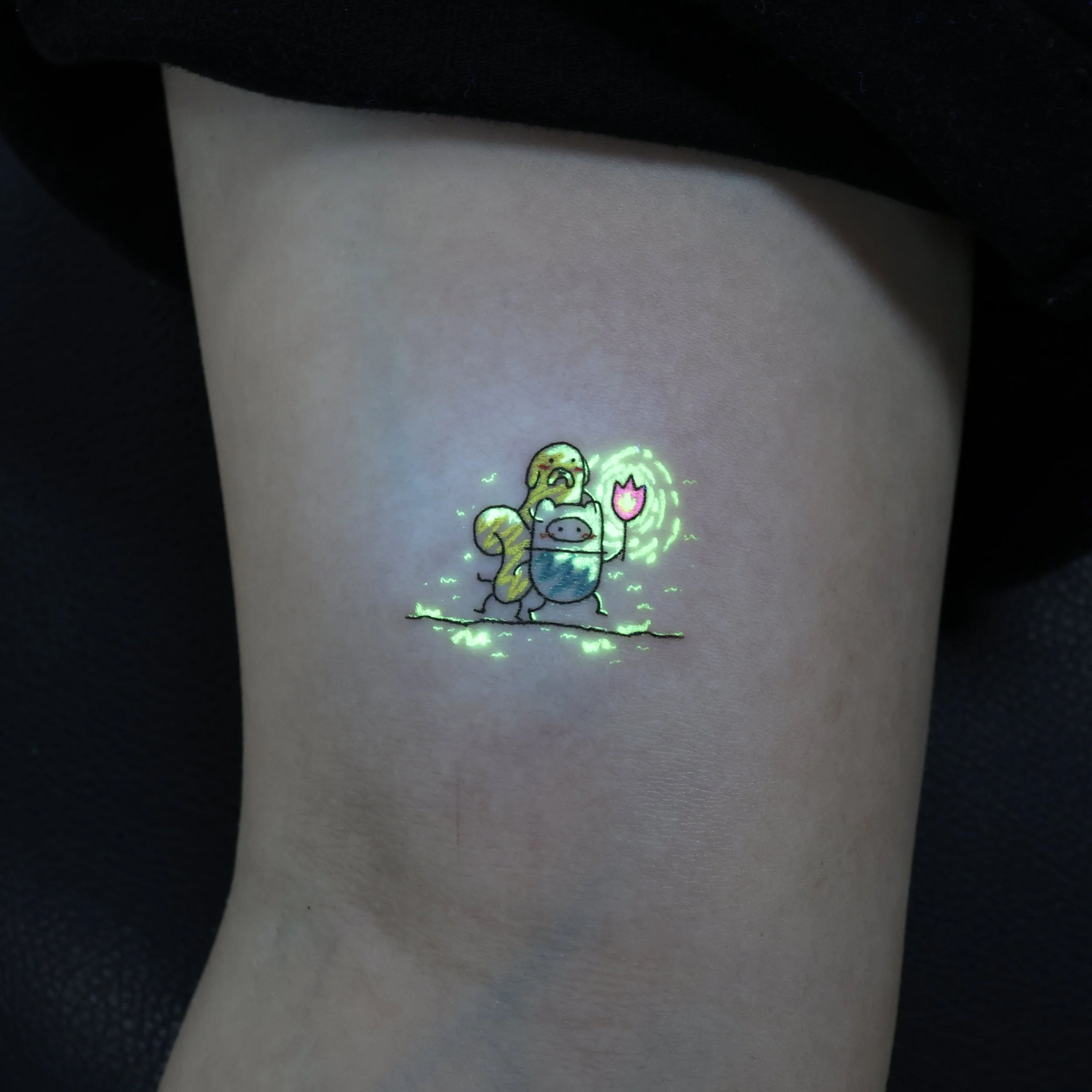
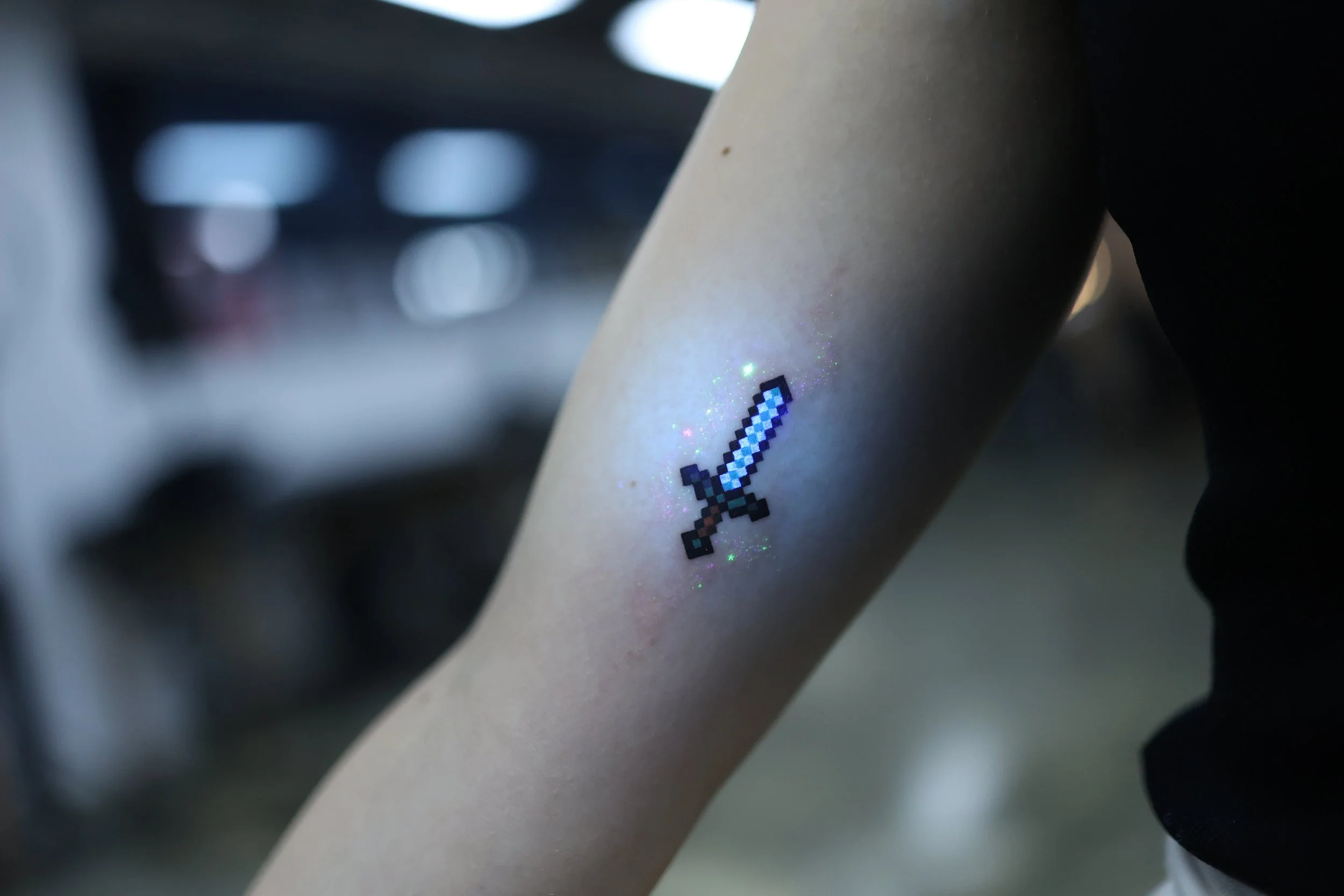
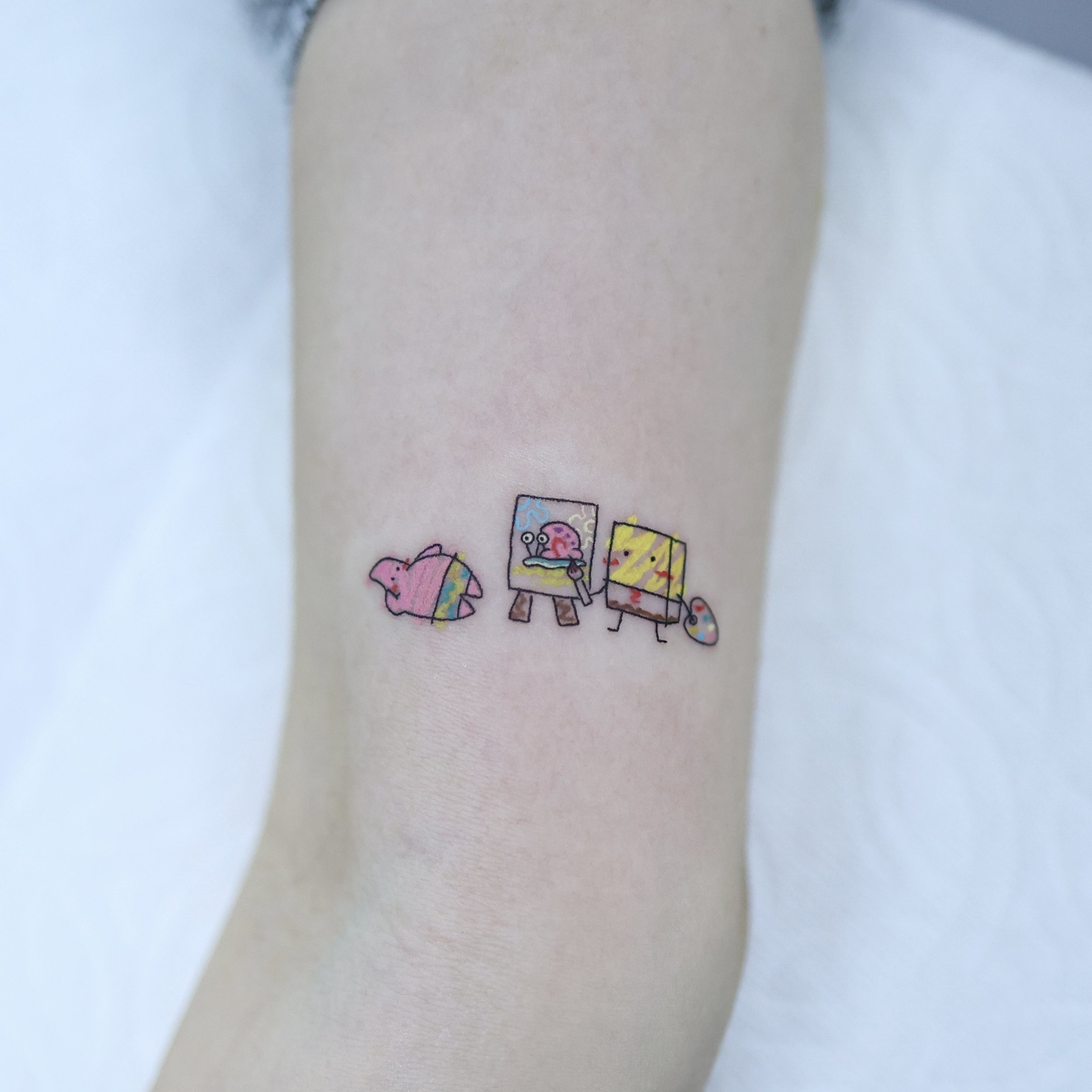
_JO_UL_ is a Seoul-based tattoo artist who began his professional practice in 2018. Working internationally across Europe, Australia, and Canada, he is known for his distinctive micro-scale reinterpretations of globally recognizable characters. Through minimalist doodle aesthetics and precise small-format execution, his work connects pop cultural memory with contemporary body-based art.
What is your background and how did you start your journey in the art world?
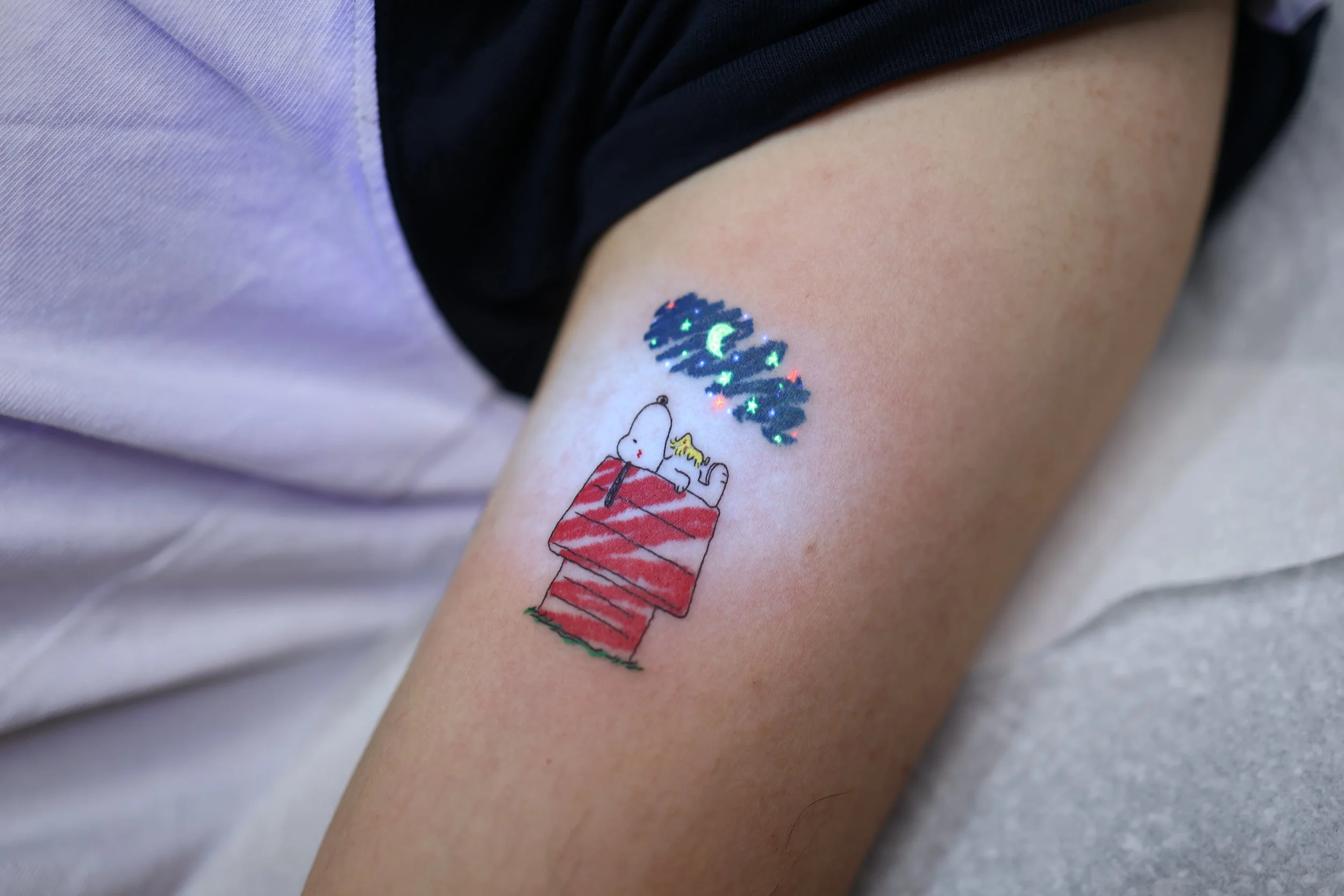
“I began studying tattoo practice in 2017 and started working professionally in 2018 under the name_JO_UL_ Since then, I have steadily developed my artistic language while expanding my practice internationally through guest residencies and independent bookings across Europe, Australia, and Canada. My journey into the art world did not begin through formal academic training. Instead, it developed from a long personal engagement with drawing, animation, and visual storytelling from an early age. Before entering the professional tattoo field, I had already built a strong drawing practice centered on pop culture and character-based imagery. When I began tattooing professionally in 2018, the Korean tattoo scene was largely focused on realism and traditional styles. Minimalist micro-scale reinterpretations of globally recognizable characters were not widely established. Rather than following existing trends, I focused on developing a distinct visual language based on memory, reduction, and scale transformation. Tattoo became my primary medium because of its permanence and intimacy. Unlike canvas-based work, tattoo exists in direct relationship with the body and becomes part of lived experience over time. This understanding positioned my work between contemporary illustration, collective cultural memory, and body-based art.”
What inspires you?
“The central theme of my work is the transformation of shared cultural memory into intimate, small-scale form. I work primarily with globally recognizable characters and reinterpret them through reduction and reconstruction. Scale is another important focus in my practice. By working within a 1 to 2 centimeter format, I question the assumption that artistic impact must depend on size or visual density. I am interested in how emotional resonance can exist within minimal structure. At the core of my work is the belief that originality does not always require inventing entirely new imagery. It can emerge from perspective, context, and transformation. Through reinterpretation, tattoo becomes both personal and conceptually layered.”
What themes do you pursue? Is there an underlying message in your work?
“The central theme of my work is the transformation of shared cultural memory into intimate, small-scale form. I work primarily with globally recognizable characters and reinterpret them through reduction and reconstruction. Scale is another important focus in my practice. By working within a 1 to 2 centimeter format, I question the assumption that artistic impact must depend on size or visual density. I am interested in how emotional resonance can exist within minimal structure. At the core of my work is the belief that originality does not always require inventing entirely new imagery. It can emerge from perspective, context, and transformation. Through reinterpretation, tattoo becomes both personal and conceptually layered.”
How would you describe your work?
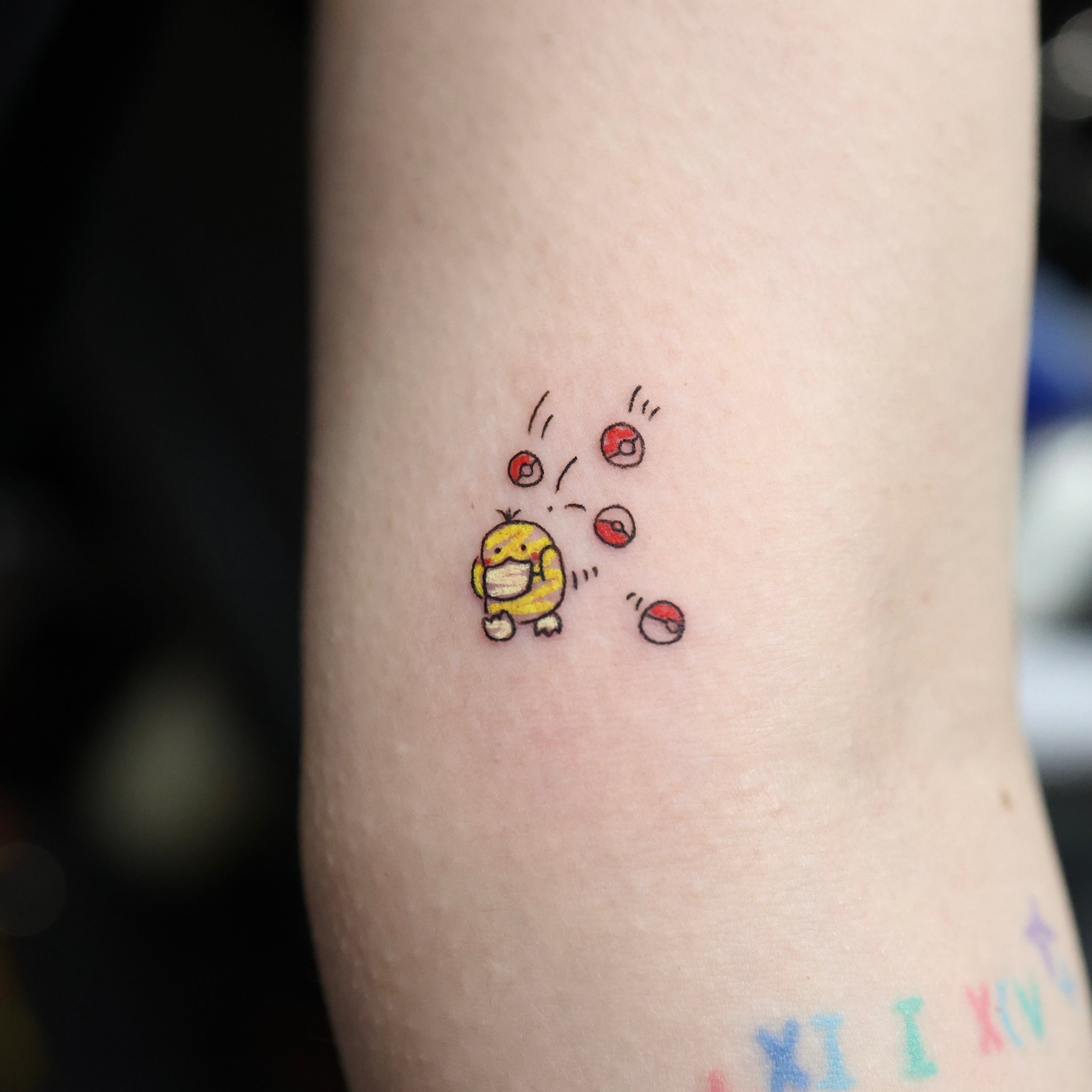
“My work can be described as a micro-scale tattoo practice that reinterprets globally recognized imagery through a minimalist doodle aesthetic. Visually, it features simplified forms, fine line work, controlled color, and intentional irregularity. Although the imagery may appear playful, working at such a small scale requires strong technical discipline and control. Conceptually, I move away from hierarchies in tattoo culture that emphasize realism, size, or density as measures of value. Instead, I focus on memory, reduction, and reinterpretation. My goal is to show that meaning and cultural resonance can exist within minimal form.”
Which artists influence you most?
“My visual language has been shaped more by animation directors and manga illustrators than by specific tattoo artists. Creators who have defined global popular imagery have strongly influenced my understanding of simplified form and emotional clarity. I am also influenced by artists who move between fine art and commercial visual culture. The transformation of widely recognized imagery into new artistic contexts informs my own approach to reinterpretation.”
What is your creative process like?
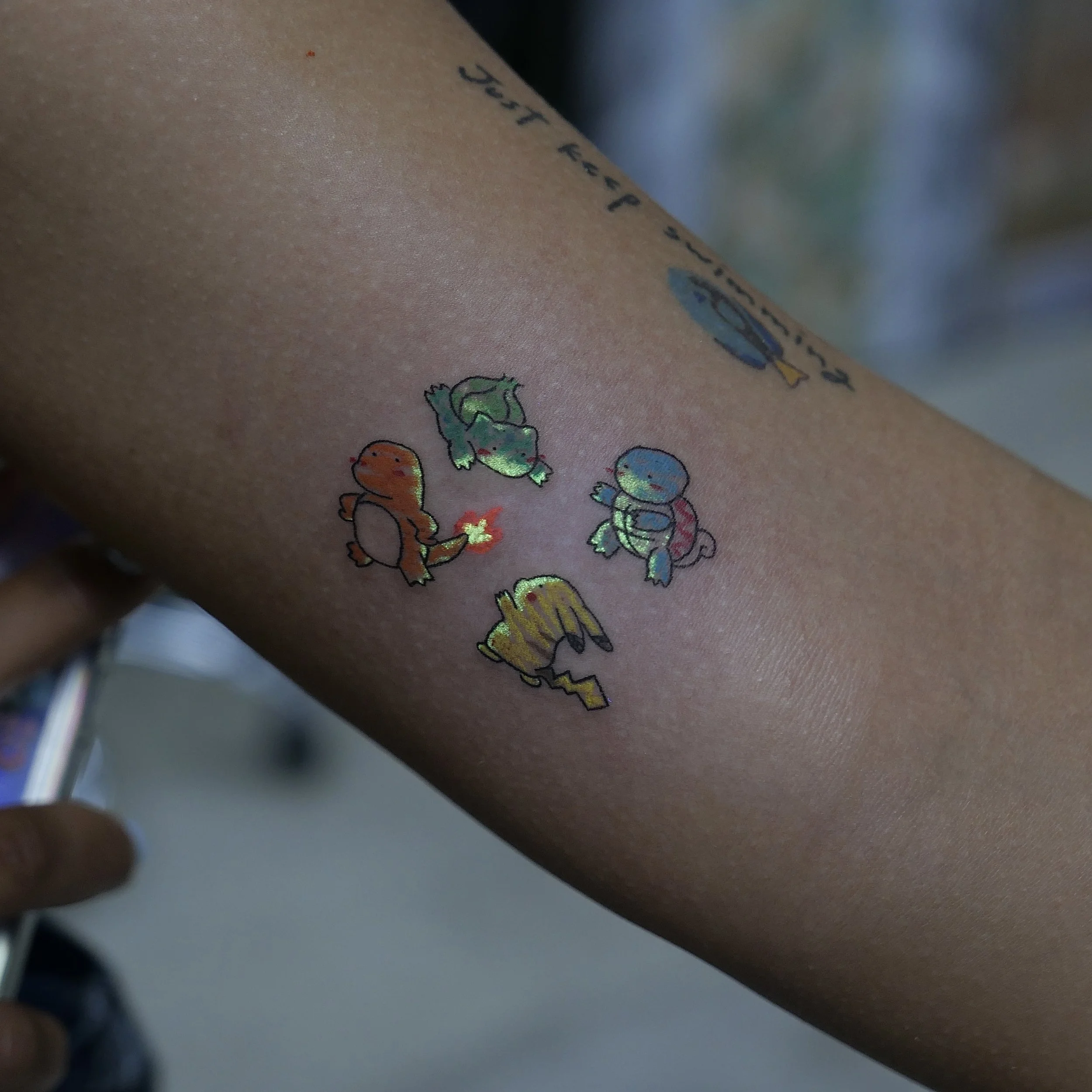
“My process begins with conversation. Many of my clients travel internationally to work with me or book appointments during my guest residencies abroad. I focus on understanding the emotional or cultural meaning behind the character they choose. I then sketch intuitively, often relying on memory rather than direct references. I avoid excessive digital refinement because overworked lines can remove the spontaneity that defines my style. Since most of my tattoos are within the 1 to 2 centimeter range, technical precision is essential. Small variations in line weight, color saturation, or needle depth significantly affect the final result. Maintaining clarity at this scale requires experience and a deep understanding of how ink settles in skin over time.”
What is an artist’s role in society and how do you see that evolving?
“I believe an artist’s role is to reinterpret shared visual culture and offer new perspectives on familiar imagery. In a time when images circulate rapidly through digital platforms, perspective becomes more important than invention alone. As tattoo continues to gain recognition within contemporary art discussions, the role of tattoo artists is evolving. They are no longer seen only as service providers but increasingly as cultural contributors. Tattoo today connects personal identity, visual culture, and contemporary artistic practice.”
Have you had any noteworthy exhibitions you'd like to share?
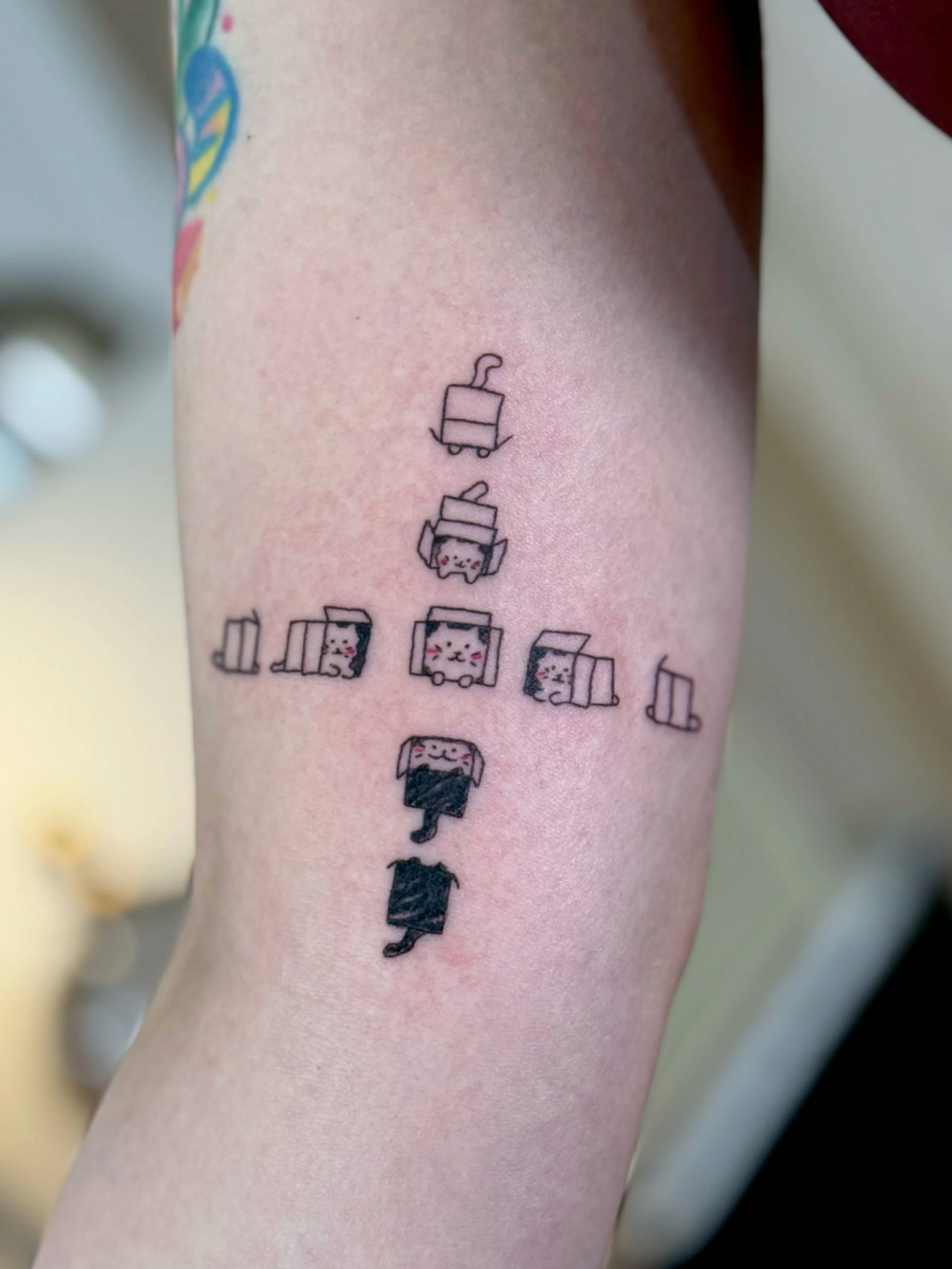
“In 2020, I participated as a selected artist in the group exhibition “경계의예술, 타투 (Tattoo: New Form of Art)” held at KOTE on Insadong 1-gil in Jongno-gu, Seoul. The exhibition explored tattoo as an independent artistic discipline beyond its commercial framework. I presented work that translated my micro-scale character language into a gallery context, positioning tattoo as a conceptual visual practice rather than solely body ornamentation. This exhibition marked an important step in expanding my work beyond commercial tattoo practice into a recognized contemporary art environment.”
Instagram: @_jo_ul_