Interview
Bob Duncan
Duncan is an American-born photographer whose work has been shaped by a lifelong engagement with image and place. Growing up in Texas, he was influenced early on by television and publications such as LIFE magazine, as well as a weekly subscription to The New York Times, which offered a window into a wider world. He later moved to Manhattan, where he studied photography at institutions including The New School and New York University. In 1978, he relocated to Paris, an experience that broadened his visual perspective and deepened his engagement with culture and travel. Over the years, Duncan has worked across a range of fields, including event production in New York and documentary voice-over work in Los Angeles. Since 2013, he has lived and traveled extensively abroad, photographing across diverse environments and cultures. His work spans portraiture, street photography, and abstraction, reflecting an ongoing curiosity about people, place, and perception.
What is your background and how did you start your journey in the art world?
“I’m self-taught. When I was about five, I slipped into a room my grandmother had forbidden us to enter. I found an old photo album and, with the sense I might be caught at any moment, began turning the pages. The images felt alive—people looking back at me from another time. Something clicked. About seven years later, in 1965, I bought a simple Polaroid camera at a local drugstore. From that point on, I was off—photographing anything I could. In 1974, I bought my first SLR 35mm camera and took it to the next level. I was greatly influenced by Alfred Steiglitz's images. I took a photo appreciation course at NYU and in the slide show presentation was exposed to a number of great photographers' work that left an indelible imprint on me.”
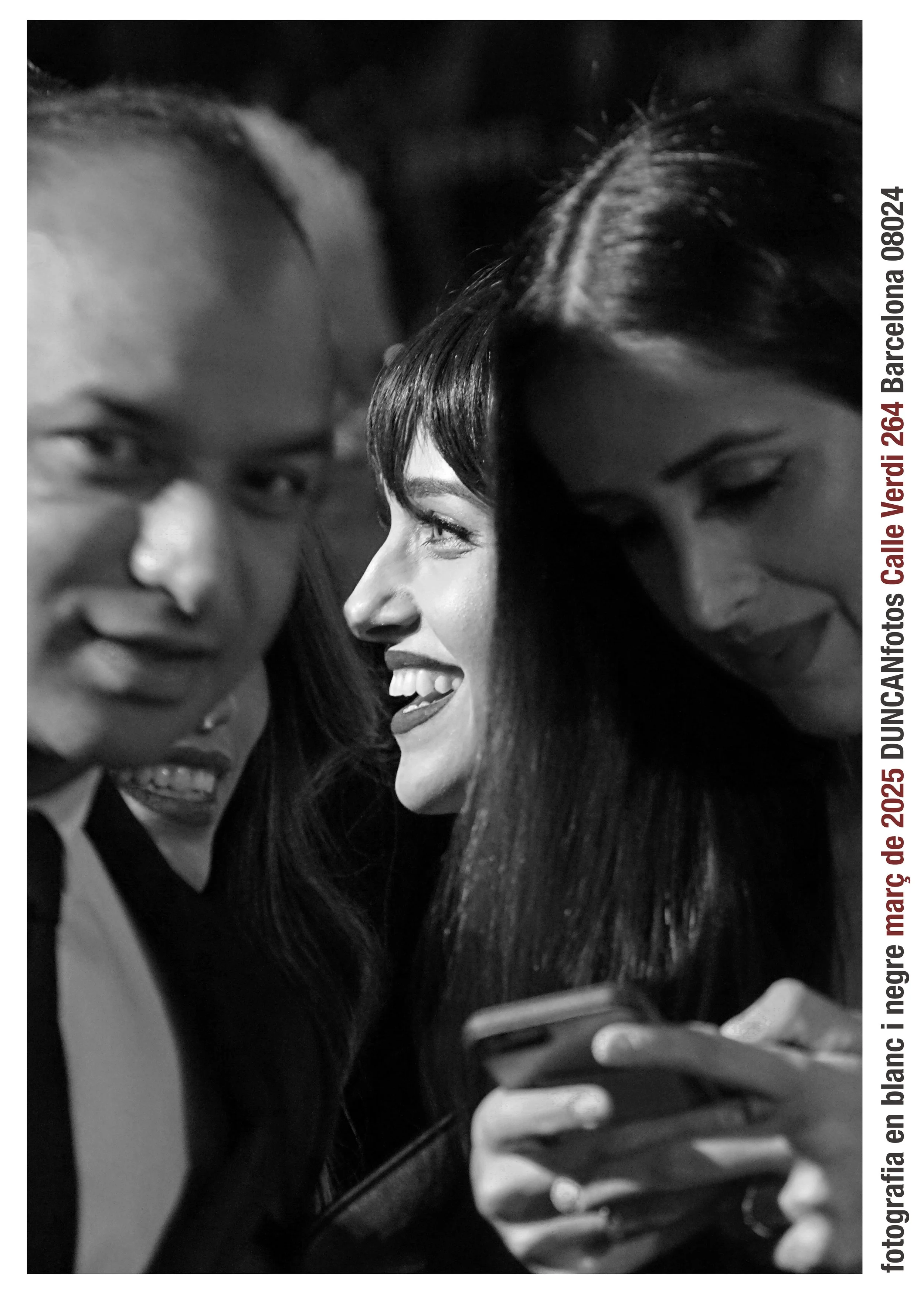
What inspires you?
“I was first inspired by Stieglitz’s portraits of O’Keeffe. From there it gathered momentum—Avedon, Callahan, Bruce Davidson, Joel-Peter Witkin—the list kept growing. Living in New York in the ’70s and ’80s, I spent hours in galleries and museums, studying photo books, each encounter deepening my fascination with the medium. Alongside the classics, I was drawn to more unconventional approaches—Joel-Peter Witkin, Bruce Gilden—work that pushed boundaries and expanded what photography could be. At the same time, I developed a strong interest in modern art. I was fortunate to stay as a guest at Andy Warhol’s apartment in Paris, where I was invited to an unveiling of Cy Twombly’s work. Meeting him and seeing those pieces firsthand had a lasting impact, influencing my own exploration of abstraction and minimalism. That thread continues today, including a body of work focused on abstract forms found in everyday street life.”
What themes do you pursue? Is there an underlying message in your work?
“Two themes run through my work: faces and abstraction. I’ve tried to stay within a single style—street, studio, black and white—but I’m drawn to too many moods to remain there. I move between approaches: solarization (influenced by Man Ray), surrealism, vivid color, sepia, and classic monochrome. Each offers a different way of seeing. In the 1990s, a gallery told me they needed a consistent body of work. That expectation has always been my nemesis—the idea that photography should stay within fixed boundaries. I’ve never been wired that way. My mother used to say I was the only one she couldn’t contain. At two years old, I knocked a latch loose with a broomstick and wandered off until a truck driver brought me home. That instinct—to push past what’s set in place—has stayed with me ever since. For a long time, I was self-conscious that my work didn’t seem to ‘say’ anything in the way others insisted it should. I wasn’t making statements—I was following something less defined. It felt, at times, like wandering without direction. Then I came across a line that settled it for me: ‘Not all those who wander are lost.’ That was enough.”
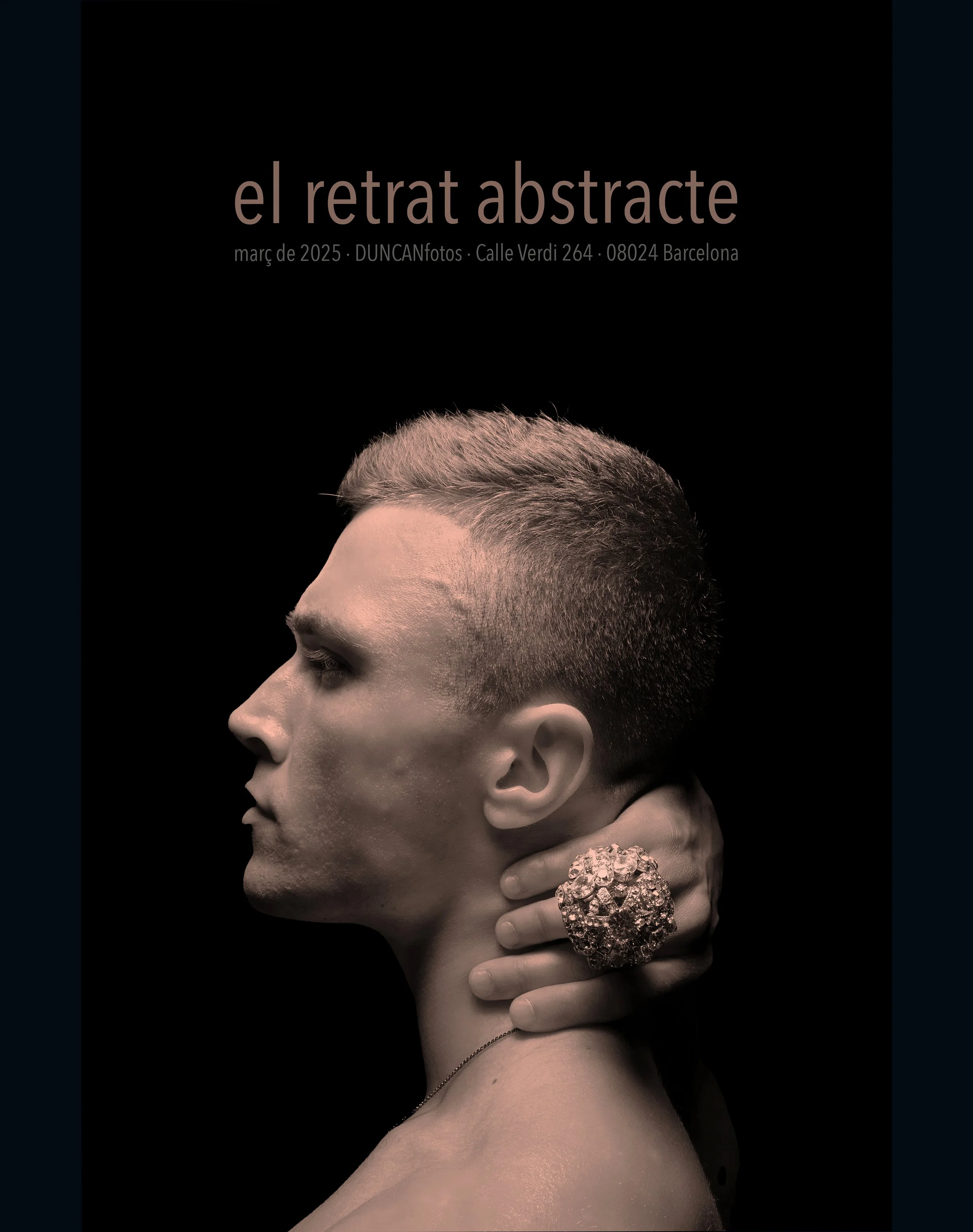
How would you describe your work?
“I would describe my work as all over the map. One day, I’d like to mount a retrospective and call it No Fixed Point. It speaks not only to the shifting nature of the work—constantly turning like a kaleidoscope—but also to the fact that I’ve lived abroad for over a decade, without a single place to call home. I’m a resident of the global village. As the old song goes, wherever I hang my hat is home. The work moves between formal portraits, candid street images, abstractions, and the occasional oddity. If there’s a thread, it’s a romantic sensibility. I was shaped by a mid-century world where distant places were filtered through magazines and films, and that lens still lingers. Film noir, in particular, left its mark—the interplay of light and shadow, the sense of mood and suggestion. Even in a place like India, saturated with color, I found myself drawn to moments that echoed that older visual language. Looking back, I see a body of work that isn’t fixed in place but guided by instinct—a way of moving through the world rather than defining it.”
Which artists influence you most?
“In terms of artists, Man Ray and Cy Twombly have been central influences. I hadn’t heard of Twombly until I attended a private viewing of his work. Before that, I was one of those people who looked at abstraction and thought, “A child could do that.” Twombly changed that completely. His work opened a door for me—the depth, the restraint, the sense that something was being expressed beyond the obvious. Man Ray’s solarizations had a more direct impact on my practice. They pushed me to experiment—not only with solarization itself, but with a more surreal approach to image-making. As for photographers, the list is long—Walker Evans, Edward Weston, William Eggleston, among many others. It’s difficult to single out just a few; the influence has been cumulative. I once had the good fortune of delivering a package to Richard Avedon’s studio in New York. By chance, it was closed, and the printer who greeted me offered a brief tour. I saw the studio, the darkroom with prints still in the wash, and even his private living space above. I never met Avedon, but the experience left a lasting impression. His presence was unmistakable, and his body of work remains something I hold in the highest regard.”
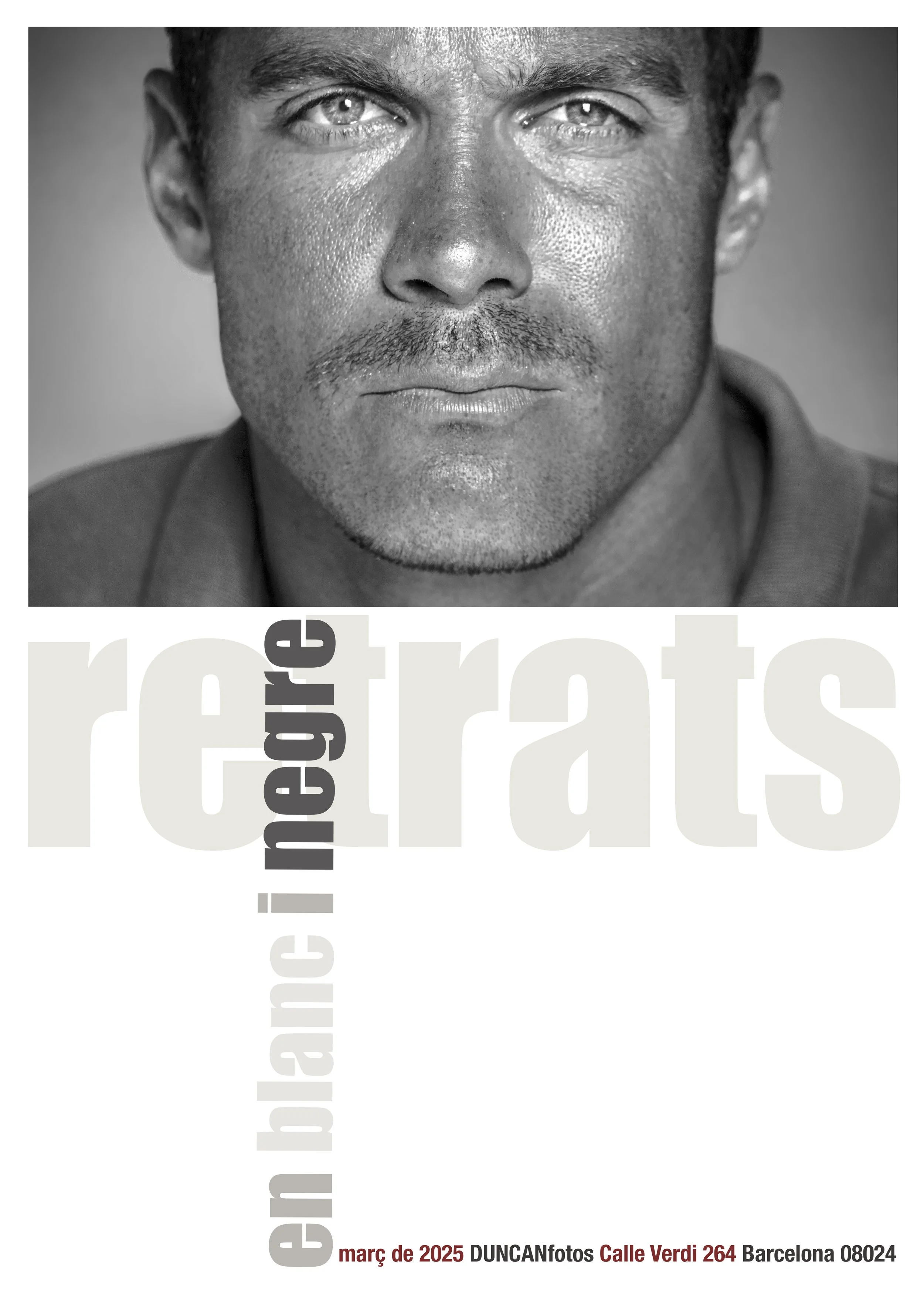
What is your creative process like?
“My process varies depending on what I’m drawn to. With street candids, I’m often looking for people turned inward—lost in thought, unaware of being seen. With color, I lean the other way entirely, drawn to bold costumes and heavy makeup, where everything is heightened and expressive. For my abstract work, it’s more deliberate. I’ll notice something—a wall, a surface, a fragment—and make a mental note. If it stays with me, I return later with a camera and flash to isolate and shape it. What I call ‘formal’ portraiture is usually anything but. Most of it happens on the street, improvised—someone holds a piece of black velvet behind the subject, and a makeshift studio appears in the middle of everyday life. The more surreal or unusual images aren’t planned. They tend to present themselves. And when I come across light that echoes the feel of film noir—that interplay of shadow and highlight—I work quickly. Those moments don’t wait.”
What is an artist’s role in society and how do you see that evolving?
“I don’t see the artist’s role as something fixed or prescribed. At its most basic, it’s to observe—to pay attention to what’s there and respond to it honestly. Sometimes that takes the form of commentary, sometimes it doesn’t. Not all work needs to explain or persuade; some of it simply records, reflects, or reveals. In a time where everything is fast and constant, I think the role of the artist may be shifting toward slowing things down—offering a second look. A photograph, for example, can hold a moment still long enough for something to be seen that would otherwise pass unnoticed. As for how that role is evolving, I see it becoming more open-ended. There’s less agreement now about what art should do, and perhaps that’s not a bad thing. It allows for a wider range of voices and approaches. For me, the role has remained fairly simple: to keep looking, to stay curious, and to follow what draws my attention—without needing to force it into a defined purpose.”
Have you had any noteworthy exhibitions you'd like to share?
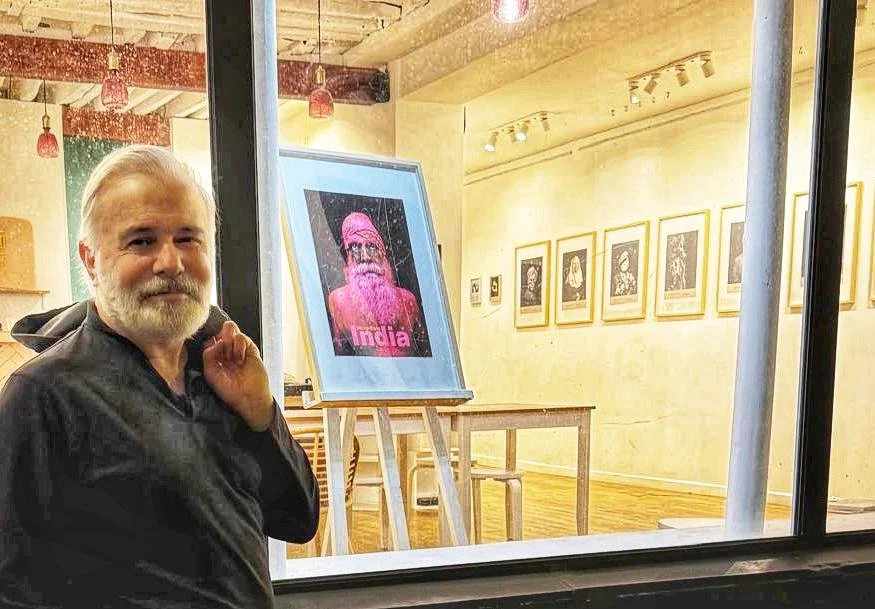
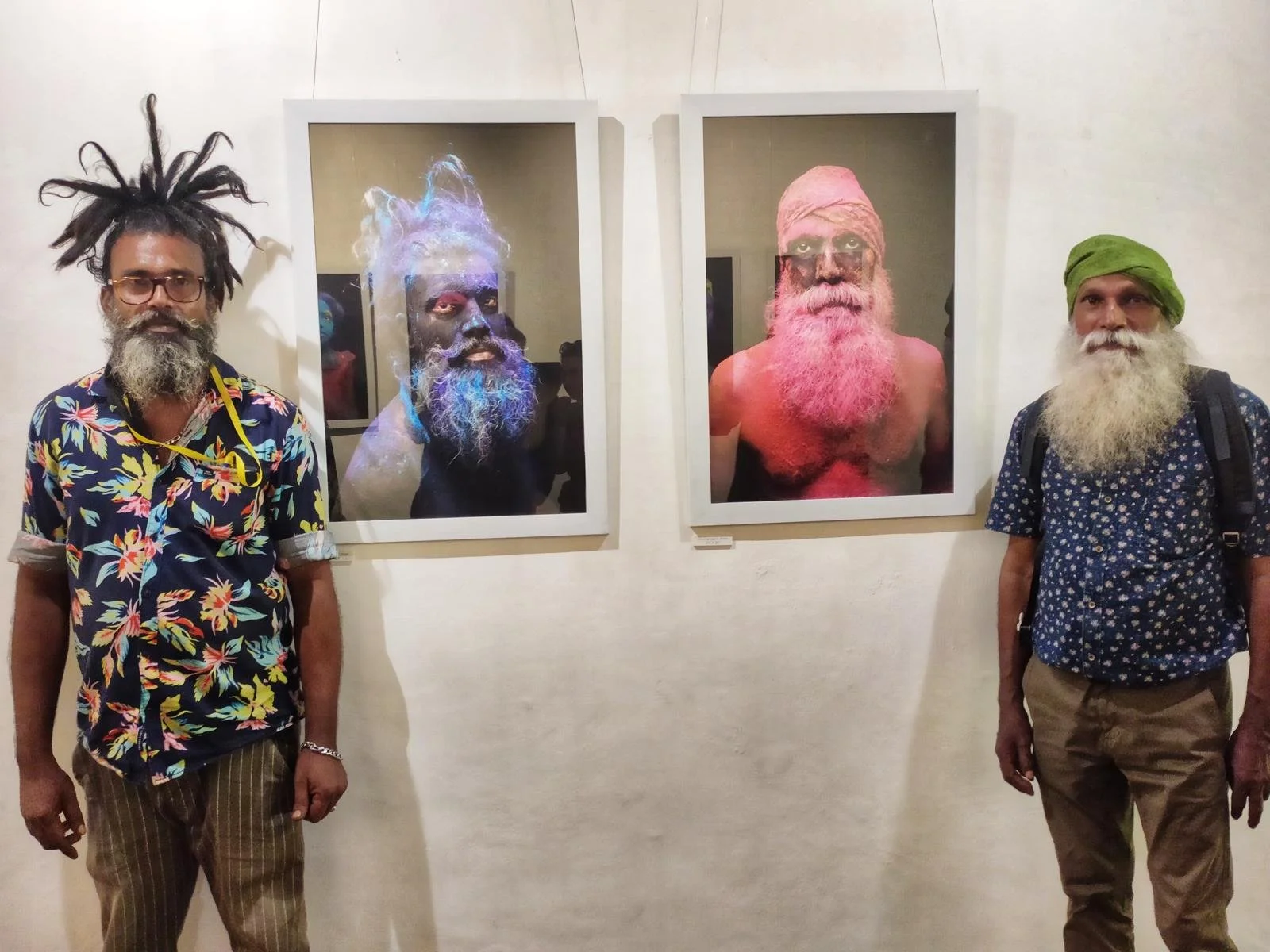
“I’ve had a number of exhibitions over the years. My first was in Los Angeles in 2016. In 2020, I showed a series of Holi color portraits at Kashi Art Café in Kochi, India. Since then, I’ve had multiple exhibitions in Paris and London, ranging from abstract photography to stylized portraiture, including a ‘reincarnation’ series in which I collaged different sets of eyes onto unrelated subjects. More recently, I exhibited in Barcelona in 2024—one show focused on black-and-white work, and another exploring abstract portraiture.”
Instagram: @duncan_fotos