Interview
Béji Artmoz
Béji Artmoz is a Belgian and French contemporary artist born in Brussels. From an early age, she was immersed in the world of the arts through dance, music, and opera. As a child, she was a “Petit Rat” at the Brussels Opera House during the years when Maurice Béjart was leading its dance company, an experience that profoundly shaped her artistic sensibility and her relationship with movement, music, and emotion. After studying Fine Arts, she pursued a multidisciplinary artistic path that led her to opera stage directing and to the creation of artistic and educational projects dedicated to making art accessible to children and young people from underprivileged communities.
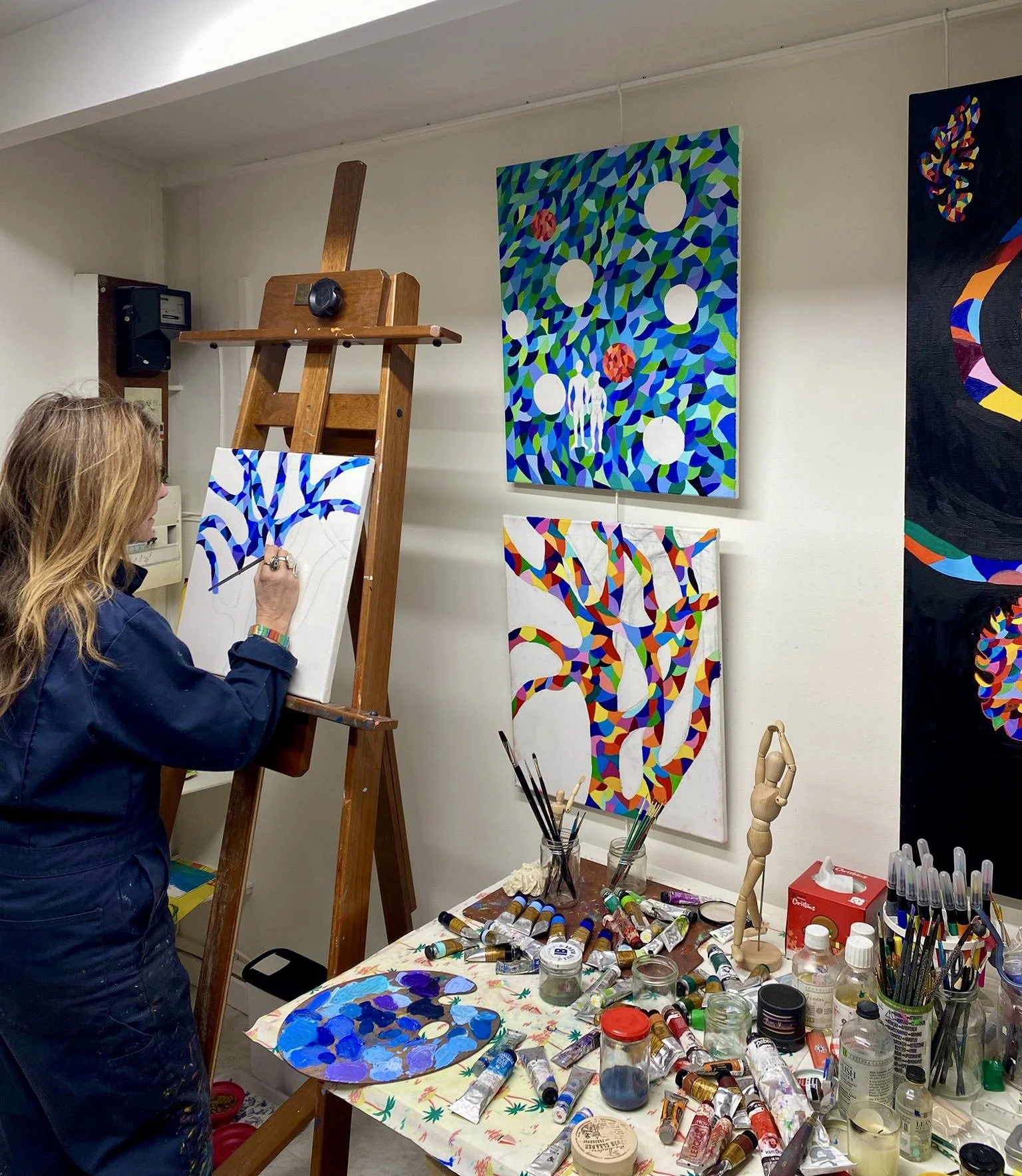
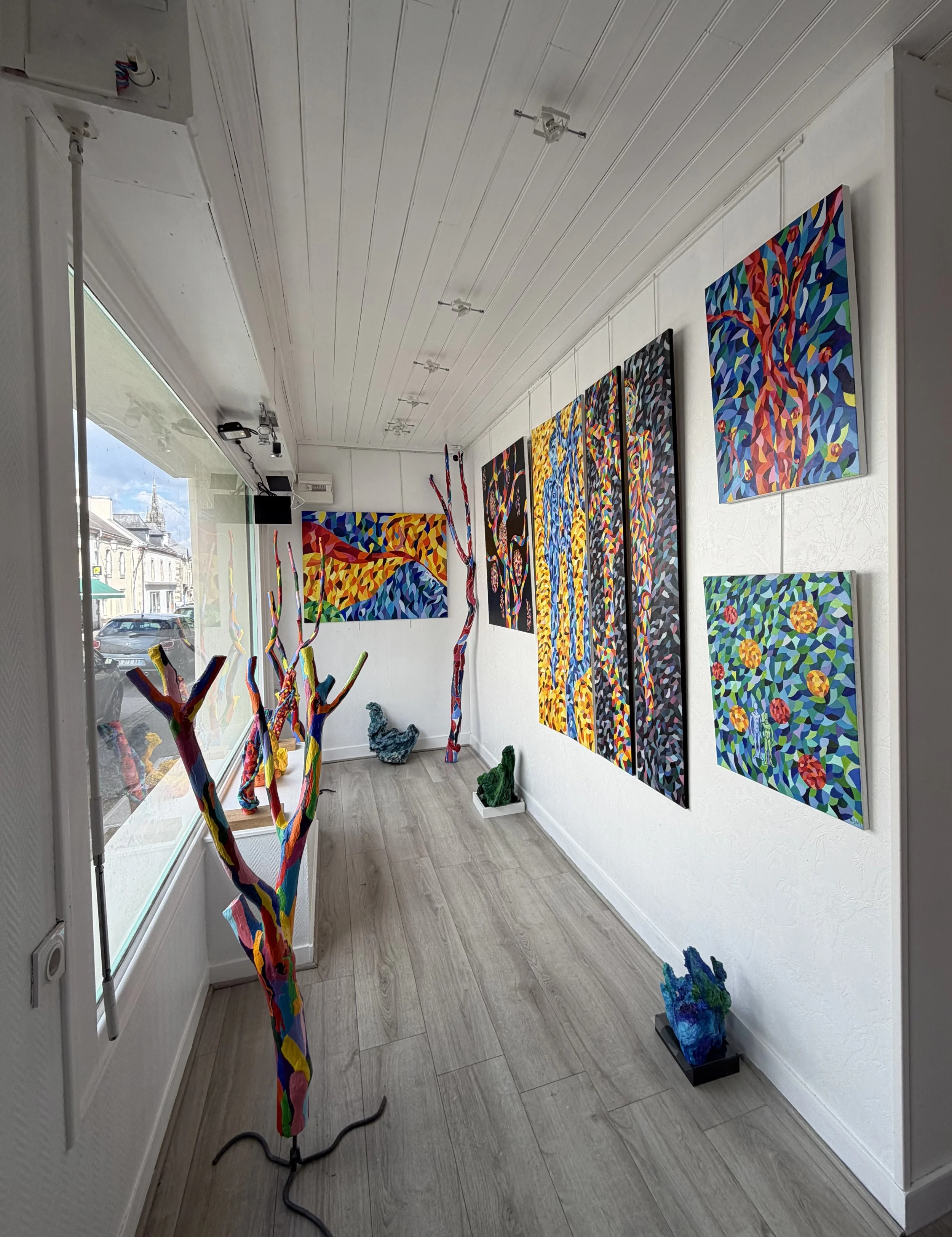
Today, her artistic practice unfolds between painting and sculpture. Working with fallen branches, dead trees, colour, and natural materials, she explores themes of transformation, freedom, memory, and our profound connection to the living world. Music remains an essential part of her creative process, guiding the rhythm, movement, and emotional resonance of her work. Deeply influenced by the history of art, literature, travel, and human encounters, Béji Artmoz’s work has been presented internationally. Through her paintings and sculptures, she invites us to slow down, to look differently at the world around us, and to rediscover the fragile beauty that connects us to nature, to one another, and to ourselves.
What is your background and how did you start your journey in the art world?
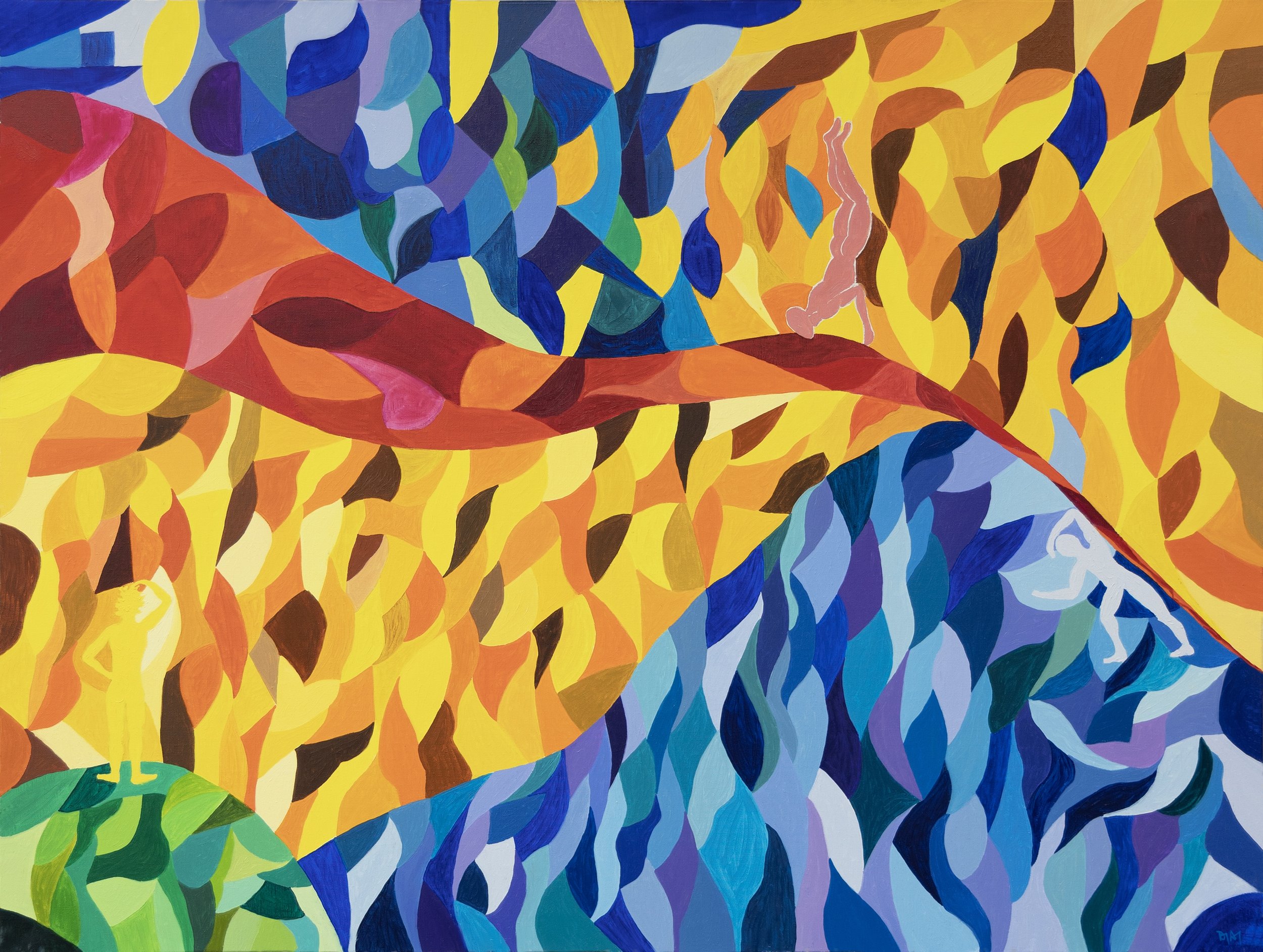
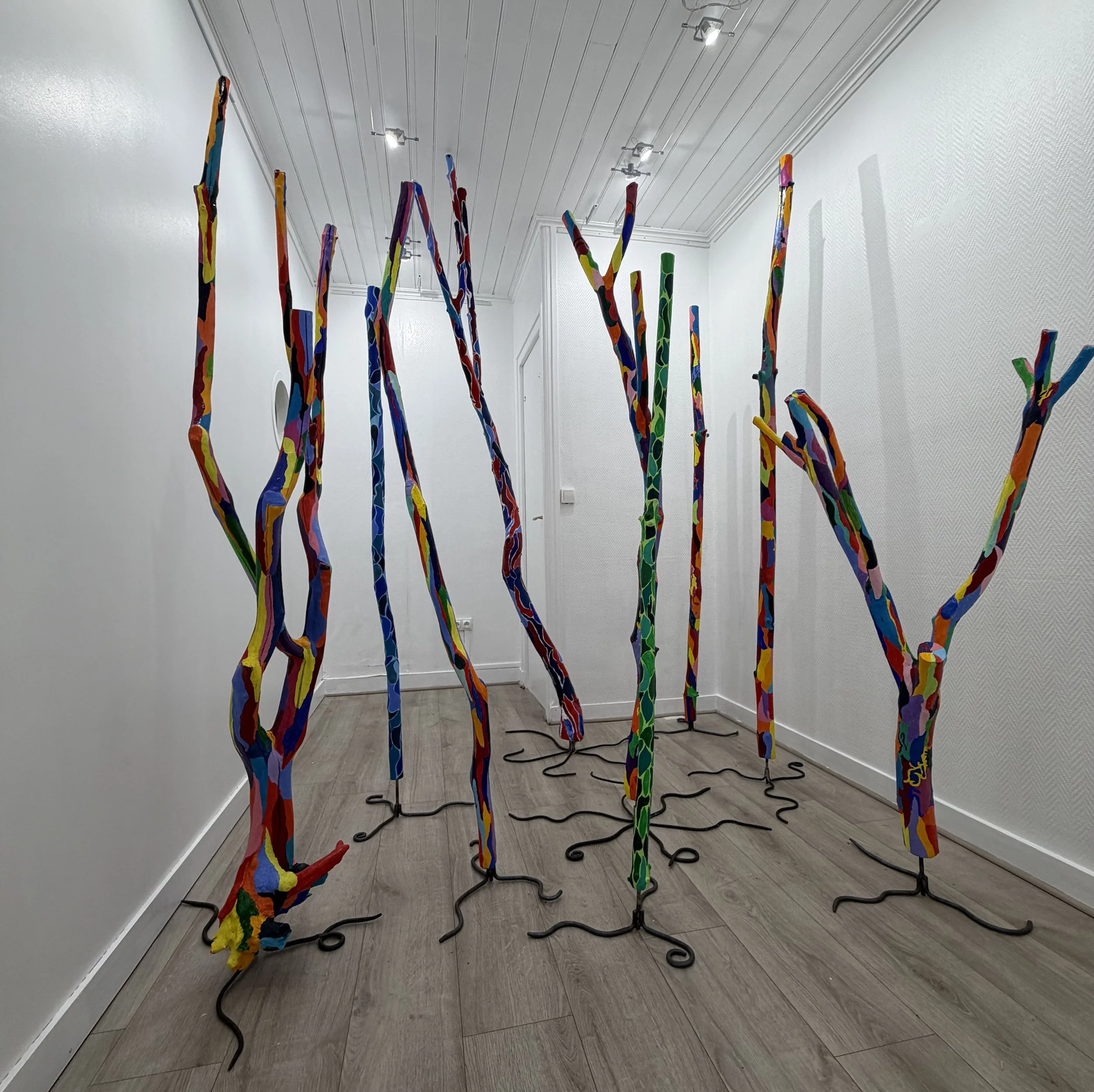
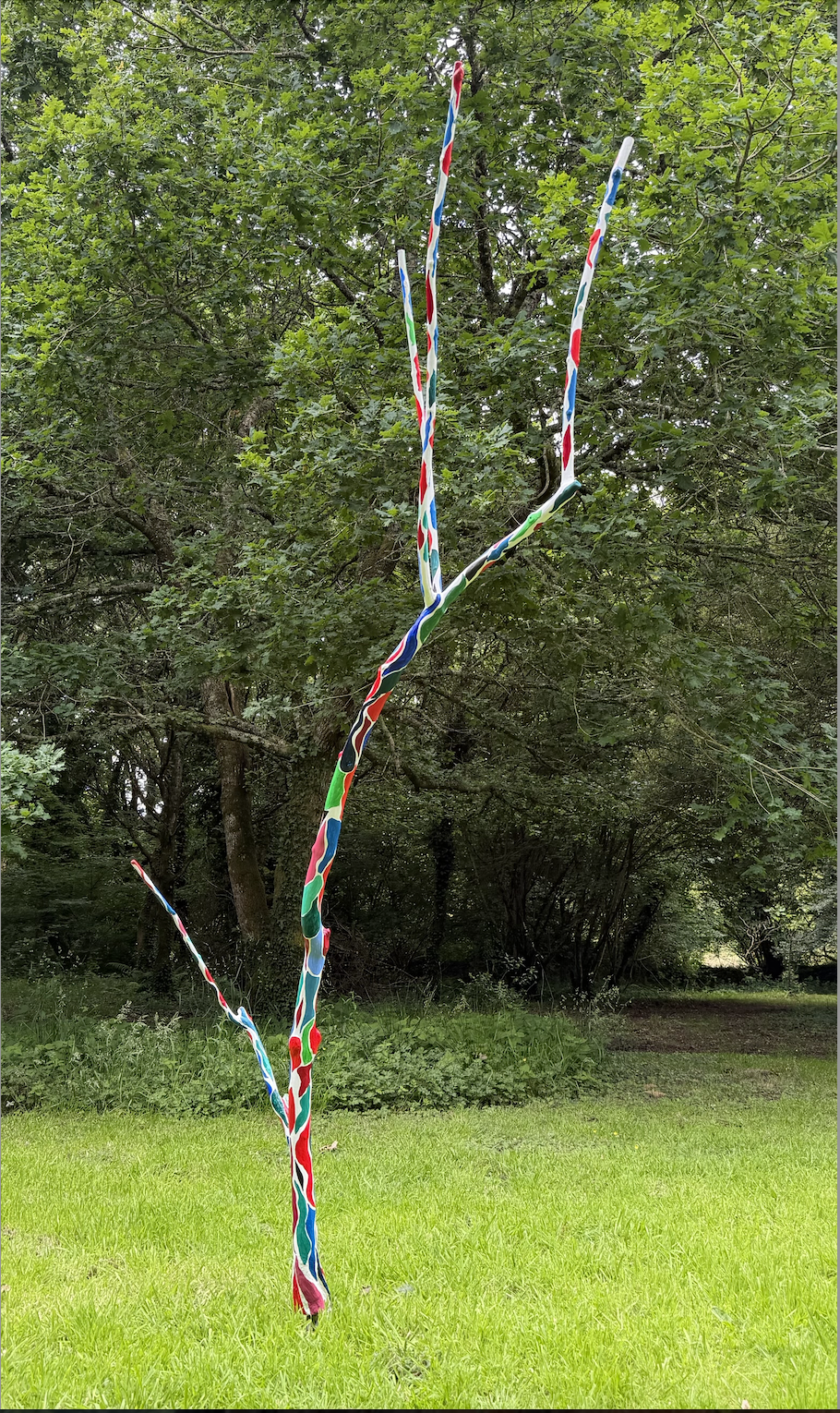
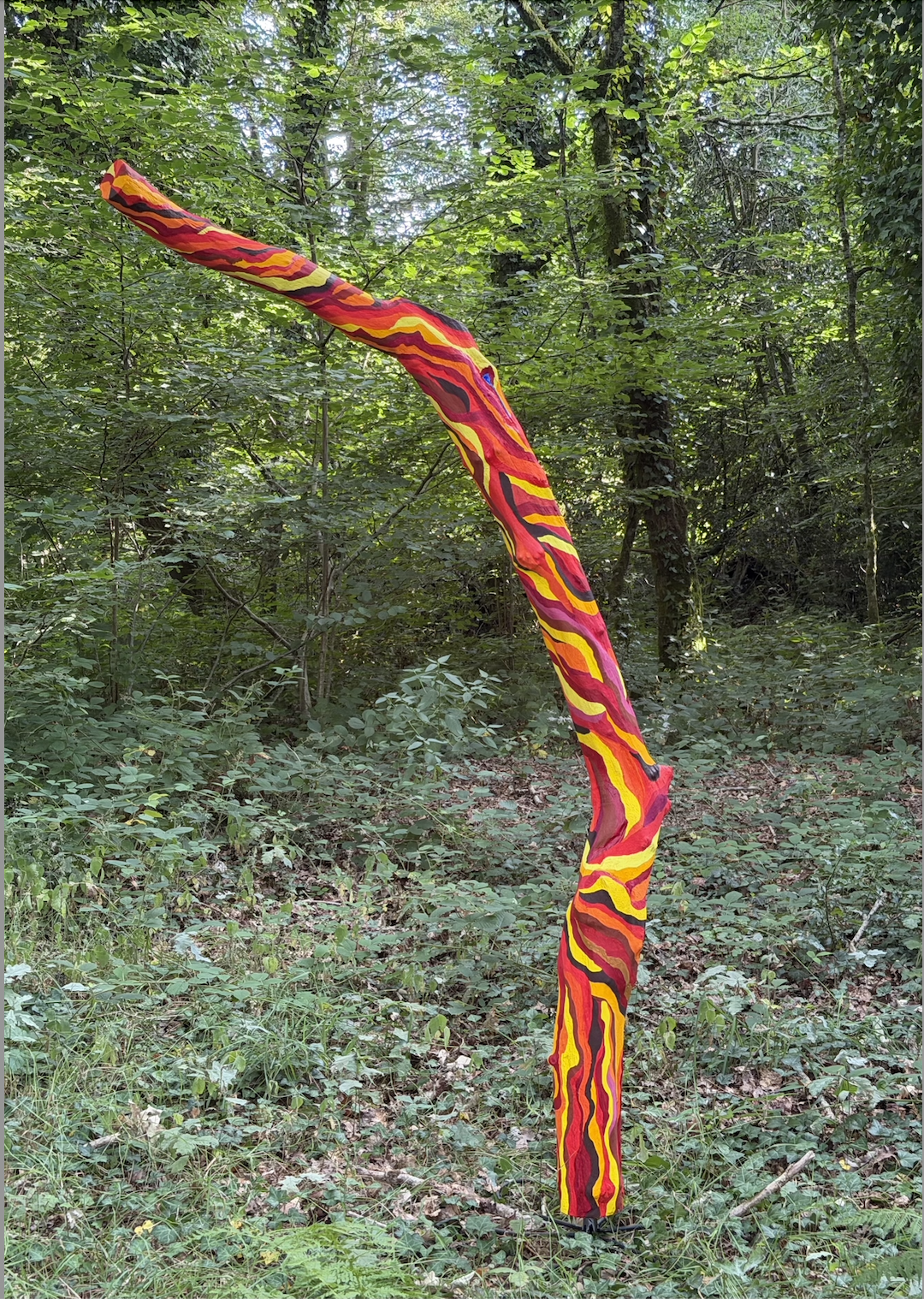
“I was born in Brussels, where I had the privilege of growing up in the heart of artistic creation. As a child, I was a “Petit Rat” at the Brussels Opera House during the years when Maurice Béjart was leading its dance company. From an early age, I was immersed in the world of the great twentieth-century ballets, which profoundly shaped my artistic sensitivity and my perception of movement, light, music, and emotion. Since then, music and dance have remained an essential part of my artistic journey. They continue to inspire me today through the rhythm of lines, the movement of forms, and the vibrancy of color that flow through both my paintings and sculptures. After studying at the School of Fine Arts, my path led me to opera stage directing—an art form that brings together music, theatre, dance, and the visual arts. I also founded an artists’ collective dedicated to giving children and young people from underprivileged neighbourhoods access to art and artistic practice, driven by the deep conviction that art can open inner doors and help each individual discover their own voice. For many years, I devoted my energy to creating ambitious, collective, and deeply human projects. Eventually, I felt the need to return to something more essential and intimate. Painting, which had always been part of my life since my Fine Arts studies, naturally re-emerged—not only as an artistic choice, but as an inner necessity. Today, my work unfolds between painting and sculpture. I create sculptures from fallen branches and small dead trees that I gather in nature, giving them a new life through colour. My work explores themes of transformation, freedom, and our profound connection to the living world and the earth.”
What inspires you?
“I am inspired by the world around me and its endless transformations. Trees, human beings, and the traces left by time continually nourish my imagination and artistic practice. I am drawn to fallen branches and to all that appears fragile, forgotten, or lifeless, offering it a new presence through my work. Colour is also an essential source of inspiration. I experience the world in a deeply intuitive way and often associate colours with people, places, and emotions. In my work, colour is never merely decorative; it tells a story and creates a dialogue with the material itself. Travel, human encounters, and music profoundly nourish my creative process. I cannot paint in silence. Music is always present in my studio, opening a space of freedom where ideas, colours, and forms naturally emerge. My work is an invitation to slow down, to look differently at the world and the living nature that surrounds us, and to reveal the hidden beauty of what once seemed lost—through poetry, memory, and wonder.”
What themes do you pursue? Is there an underlying message in your work?
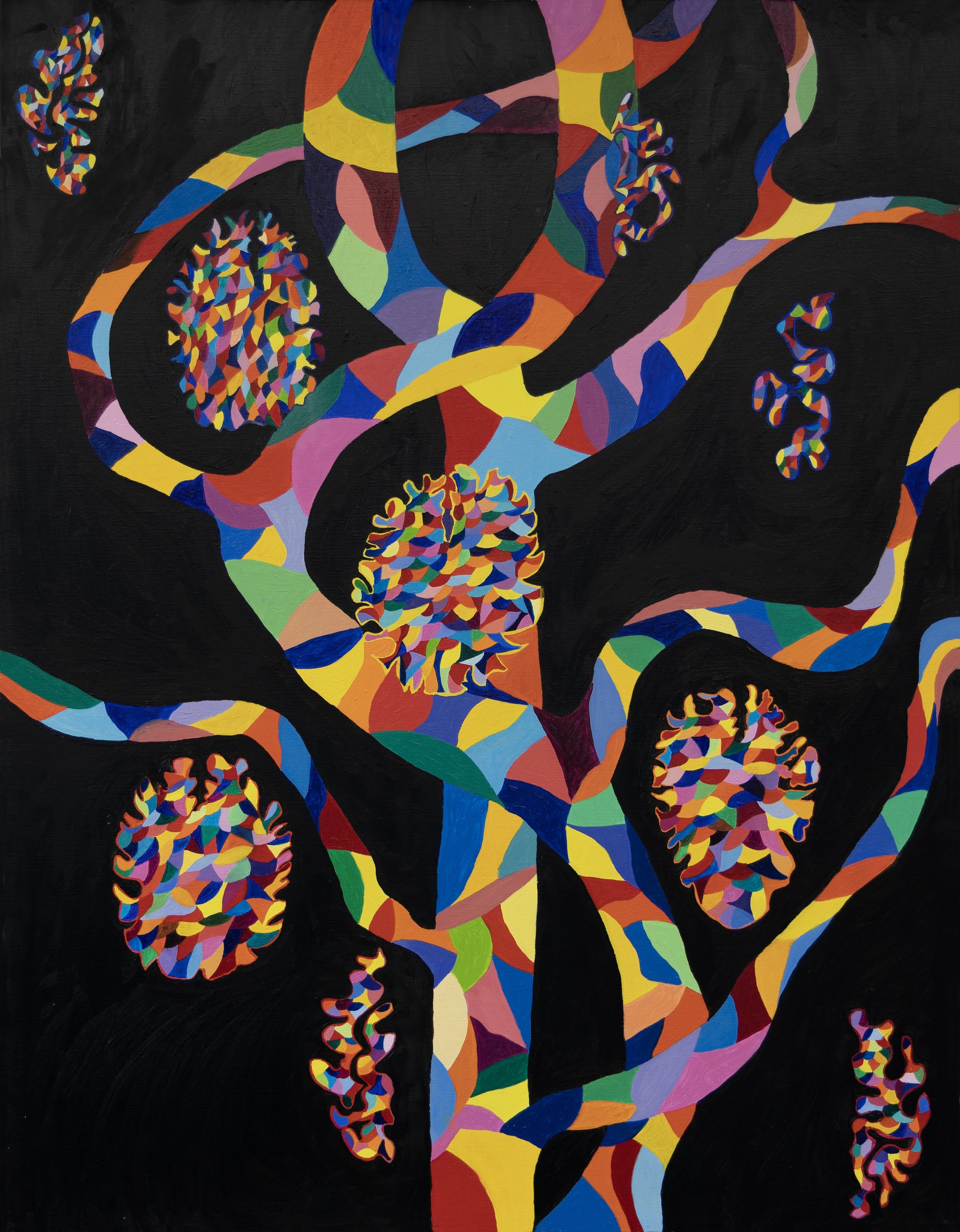
“My work explores themes of transformation, freedom, transmission, and the profound connections that bind us to the earth, to one another, to cultures, memories, and to ourselves. Through my paintings and sculptures, I seek to reveal what connects us and to celebrate the fragile beauty of our presence in the world. When I gather fallen branches or small dead trees from nature, I do not see them as mere materials, but as living witnesses of a story that colour allows me to reveal in a new way. Giving a renewed presence to what seems forgotten or lifeless lies at the heart of my artistic practice. My work invites us to look more attentively at the world around us and to reflect on our relationship with the earth, with others, and with freedom. It pays tribute to what unites us beyond borders, cultures, and generations. It also gives voice to those that history, violence, or indifference threaten to erase—peoples, cultures, memories, and all the forms of beauty and fragility that shape our world. If there is an underlying message in my work, it is perhaps this: nothing is ever definitively lost, fixed, or gone. Everything can be transformed, reimagined, and offered a new presence. Art has the extraordinary power to open spaces of freedom, dialogue, hope, and reconciliation with the world.”
How would you describe your work?
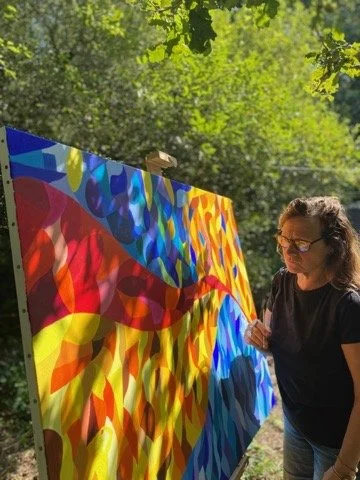
“My work is deeply influenced by my background in opera and dance. These artistic worlds have shaped the way I see, feel, and create. I compose each work as if it were a musical score, where music, colour, form, movement, and emotion are in constant dialogue. I paint and sculpt as I would stage an emotion, a movement, or an encounter. Nothing is ever predetermined. Music is always present in my creative process. I cannot create in silence. Depending on the canvas or the piece of wood I am working with, it opens unexpected paths and guides the colours, forms, and movements that gradually emerge. I work very intuitively. I listen to what the material has to tell me and enter into a dialogue with it. I do not seek to control or constrain it, but to reveal what it already carries within itself. It is within this space of freedom that my works come to life. Through my work, I hope to invite others to slow down, to look at the world differently, and to reconnect with their sense of wonder in the face of its endless transformations.”
Which artists influence you most?
“This is probably the most difficult question for me to answer, because I do not feel influenced by one particular artist, but rather by the whole history of art. Every period, every artistic movement, and every encounter with a work of art has shaped my perspective at different moments of my life. I have been deeply inspired by Leonardo da Vinci for his dialogue between art and science, Michelangelo for the expressive power of his work, Rembrandt for his mastery of light and introspection, Claude Monet for his sensitive vision of nature and colour, Paul Cézanne for his profound influence on modern art, Vincent van Gogh for his emotional intensity, and Pablo Picasso for his creative freedom. I am equally moved by the spiritual dimension of Kandinsky’s work, the joyful freedom of Niki de Saint Phalle, the vibrant poetry of Sonia Delaunay, and the remarkable way Louise Bourgeois intertwines memory, the body, and emotion.
Today, I feel particularly close to the artists of Arte Povera, especially Giuseppe Penone, whose work with trees, time, and matter deeply resonates with my own artistic practice, and Anselm Kiefer, who transforms materials into fragments of memory. Their relationship with matter, nature, and poetry speaks profoundly to my artistic research. Although these artists are very different from one another, they all share a deep reflection on the relationship between human beings, matter, time, and the world around us. My influences extend far beyond the visual arts. Dance, opera, music, literature, travel, and human encounters have all shaped my creative journey. I am nourished by everything that reveals both the beauty of the living world and its fragility. Above all, I believe that curiosity and wonder are what truly nourish my work. They encourage me to look differently at what surrounds us and, through my art, to reveal a new presence in what once seemed forgotten or lost.”
What is your creative process like?
“My creative process is, above all, a process of encounter, listening, and transformation. I rarely begin with a fixed idea. Instead, I allow myself to be guided by what surrounds me—a fallen branch, a tree stump, a piece of bark, a landscape, an emotion, or a meaningful encounter during my travels. The first step in my work is to observe and respect the material. I carefully clean the wood, bark, or stump, making sure that the insects and small creatures that may still inhabit it can find another shelter. This moment is important to me, as it marks the beginning of a dialogue with the material itself. I then begin to work with the material in search of its essence. Sometimes I remove very little, sometimes much more, until I begin to sense the path the work wishes to take. I never seek to impose a form upon it. Instead, I allow myself to be guided by what it reveals. That journey may lead to a sculpture, a painting, or sometimes a dialogue between the two. Some works emerge quickly and naturally, while others reveal themselves only after months—or even years. Music also plays an essential role in my creative process. At a certain moment, a particular piece of music seems to impose itself and becomes the guiding thread of the work. It influences my choices of colour, form, rhythm, and balance. It accompanies me like an invisible presence, allowing me to enter more deeply into the creative experience.”
What is an artist’s role in society and how do you see that evolving?
“I believe that an artist’s role is, above all, to create connections—to share emotions, raise questions, reveal beauty, and sometimes vulnerability. Art is not necessarily about convincing or denouncing; it is about opening doors, offering new ways of seeing the world, and creating spaces for dialogue and freedom. Art can also become an act of memory and resistance. Some works have transcended time because they carry a universal message. I often think of Picasso’s Guernica, which remains one of the most powerful outcries against the horrors of war. A work of art may not change the course of history, but it can profoundly change the way we perceive it and carry a collective consciousness across generations. In a society that is constantly accelerating, artists may have a greater responsibility than ever before: to invite us to slow down, to observe, and to rediscover our sense of wonder. They remind us that we are part of the living world and that we share with it an intimate—and often forgotten—relationship. Looking ahead, I believe that the role of artists will become increasingly important in addressing the ecological, human, and social challenges of our time.
Artists possess the precious ability to reconnect what often seems separated: humanity and nature, memory and the future, matter and emotion. New technologies are a remarkable achievement. They offer extraordinary tools, open new creative possibilities, and make knowledge and artistic expression more accessible than ever. I would never deny the immense benefits they bring to our society. Yet, I believe it is essential that they remain tools in the service of humanity—not the other way around. They should never replace art or the artist. For me, art is profoundly rooted in human experience. It is born from emotion, memory, encounters with the world, and a unique sensibility. It is the result of observation, doubt, and a creative journey that is often long and unpredictable. Nothing can replace the intimate relationship between the artist, matter, time, and the living world. Technology can support artistic creation, enrich it, and help share it with others, but it will never replace what lies at the very essence of art: our capacity to feel, to wonder, and to express something unique and deeply human. The more technological our world becomes, the more we will need artists to remind us of what connects us—to the living world, to our humanity, and to our imagination. Through my own work, I hope to restore a place for the living world, to reveal the hidden beauty of the most humble things, and to remind us that nothing is ever truly lost as long as someone is able to see it anew.”
Have you had any noteworthy exhibitions you'd like to share?
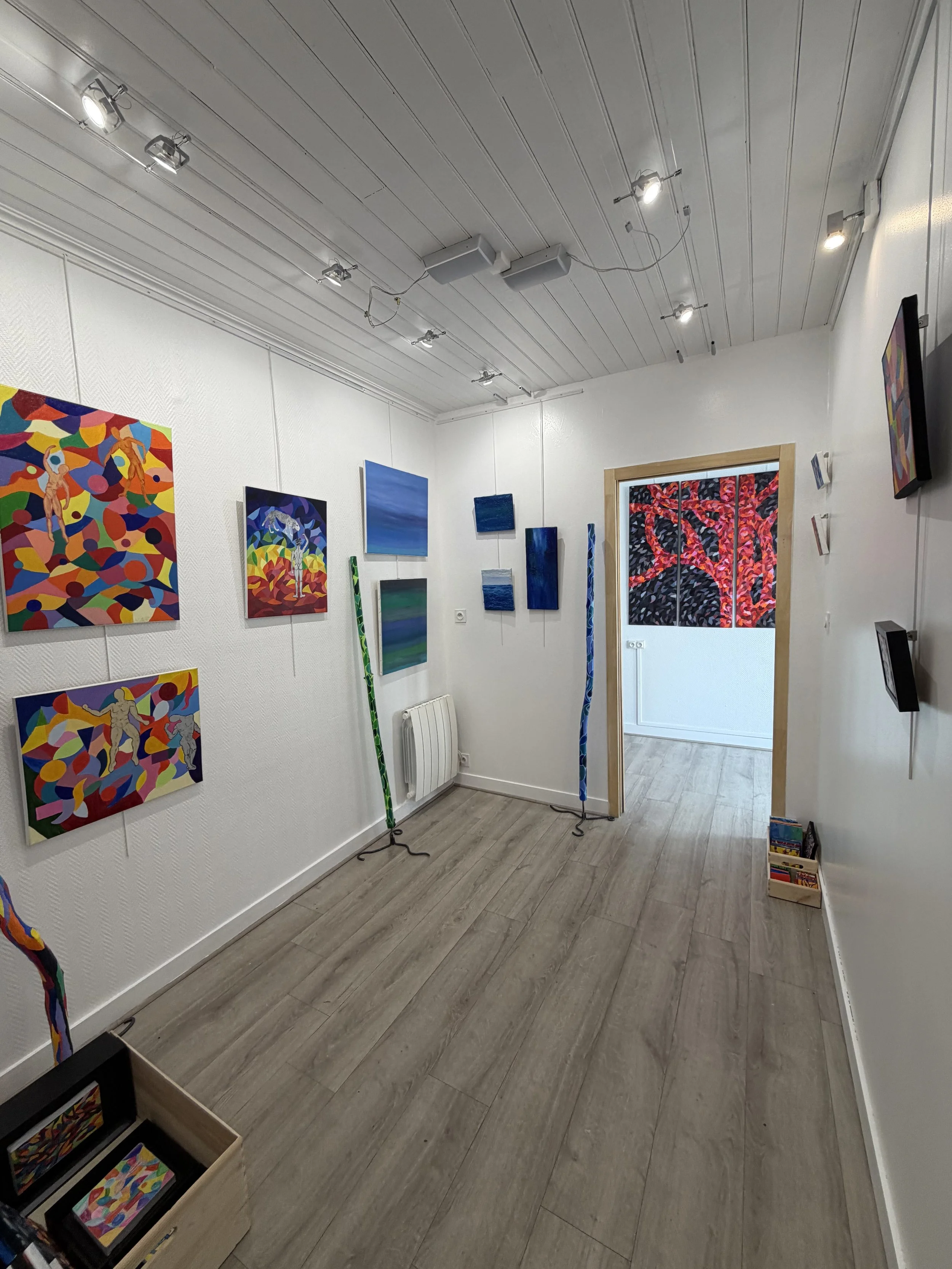
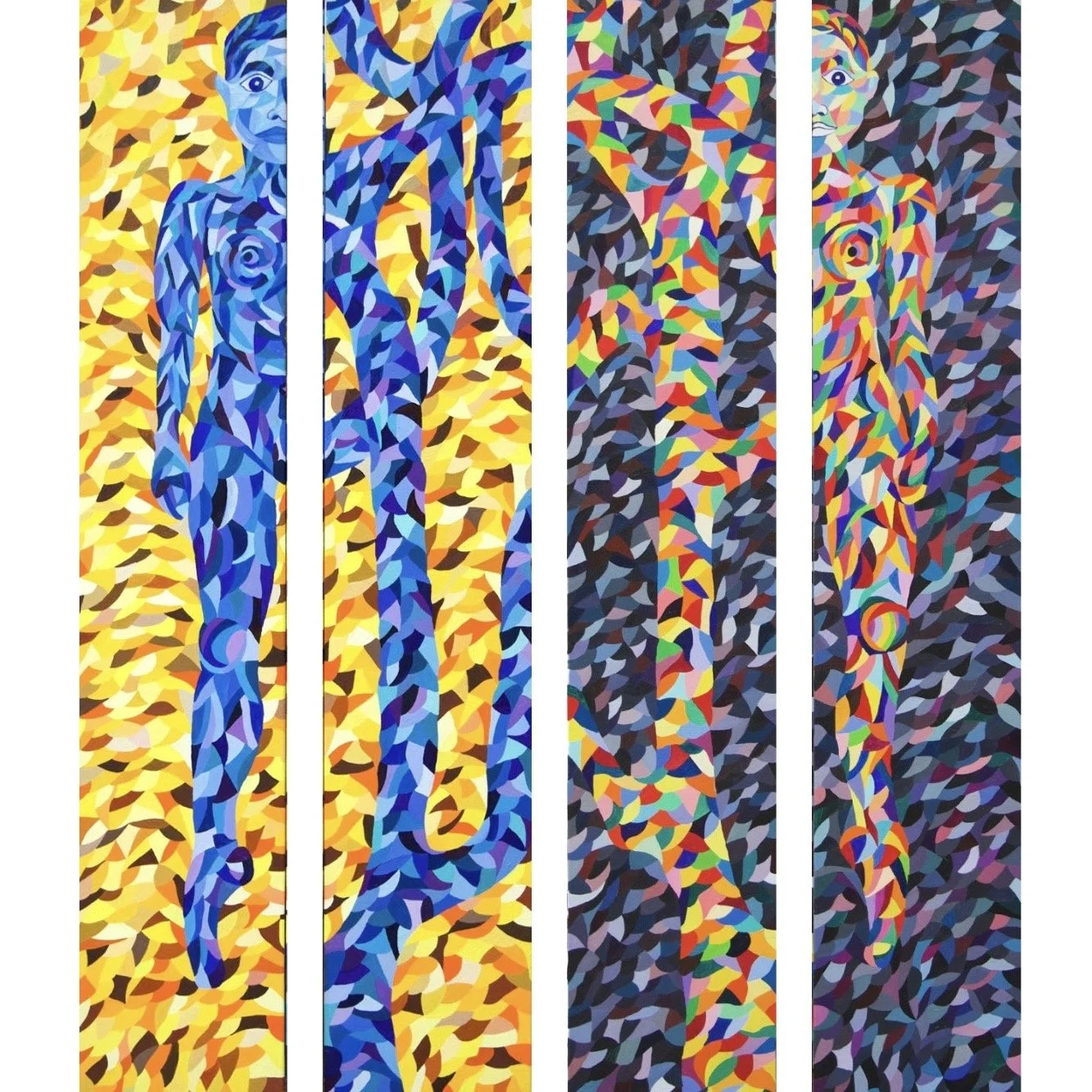
“Each exhibition represents a different stage of my artistic journey. The first one that comes to mind is my exhibition at Galerie Grand Monde, because it was the very first time I presented all of my paintings to the public. It was both an intimate and defining moment in my career. My exhibition at Octopus Heart Gallery in Brussels was also particularly meaningful to me. I chose to donate a percentage of the sales to two charitable organizations that are very close to my heart, because I deeply believe that art can also be an act of sharing and solidarity. I also have very special memories of my exhibition at Palazzo Moncada in Sicily. Presenting The Tree of All Freedoms in a 17th-century palace was both moving and symbolic. The dialogue between this work—carrying a universal message of freedom—and the history of the place gave it a unique dimension. Today, I am delighted to present my paintings and sculptures at Glaz Galerie, a new gallery in Brittany that marks the beginning of an exciting new chapter in my artistic journey. But ultimately, the exhibitions that inspire me the most are those yet to come. Every place, every encounter, and every new gaze upon my work is a new adventure. I like to think that the most beautiful experiences are still waiting to be discovered.”
Website: bejiartmoz.com
Instagram: @bejiartmozpeinture