
Interview
Ashley Gray
Ashley Gray is a digital artist based in London whose work sits at the intersection of emotional intensity and technical form. Using 3D environments as a foundation, he builds images that explore memory, grief, resilience, and the fragile tensions of human experience. His practice begins with feelings that resist easy definition, subtle pressures, lingering questions, and unresolved thoughts, and translates them into spaces where viewers can encounter something of themselves. images carrying ideas of hope, endurance, and presence into compositions that balance shadow and light, density and emptiness.
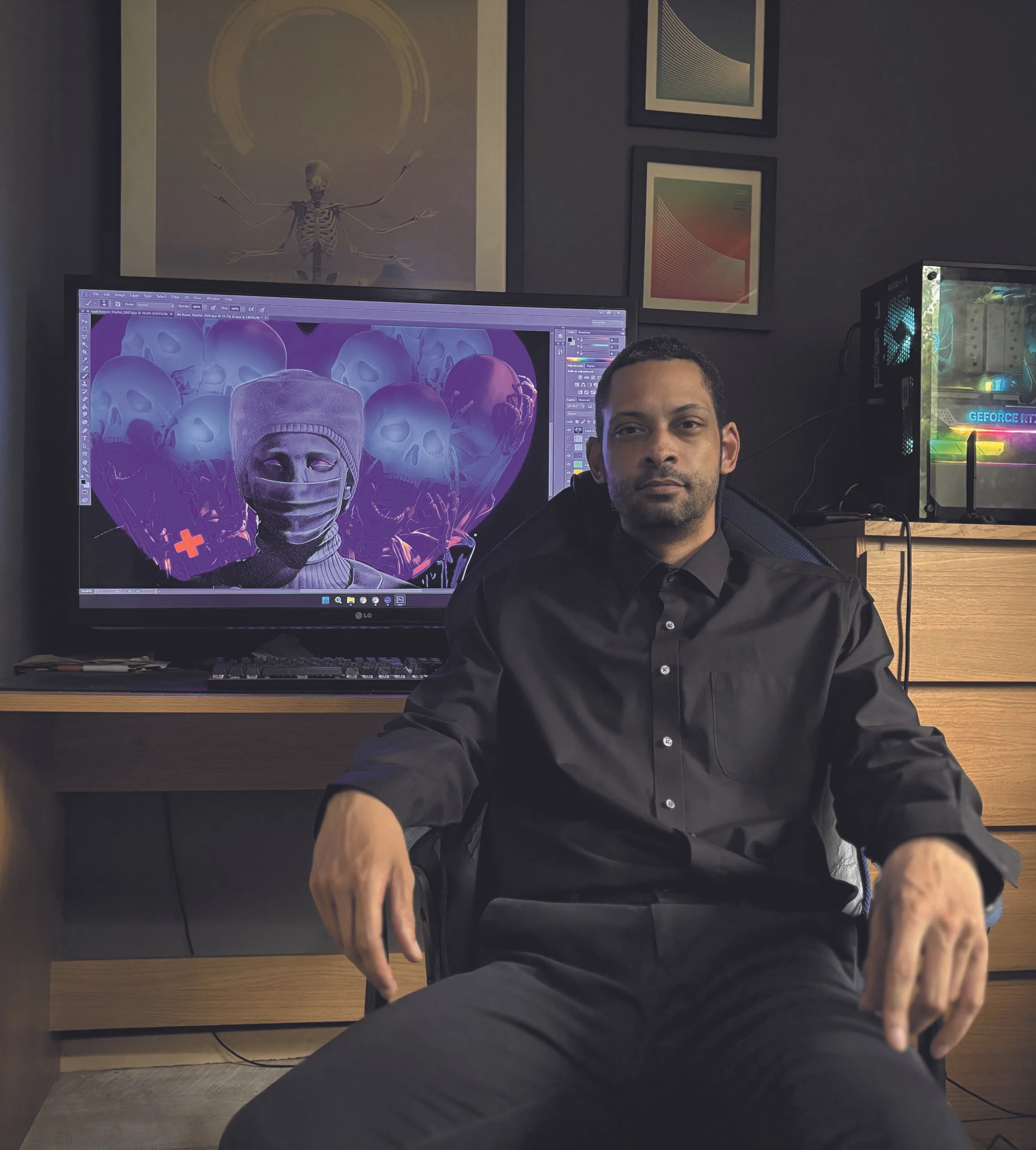
Gray’s work isn’t about illustrating answers, but about creating psychological and emotional landscapes: moments suspended between vulnerability and strength, isolation and connection, personal reflection and shared experience. He has exhibited internationally in multiple country's and continues to explore ways of bringing these internal worlds into public space, trusting in the quiet power of art to hold questions rather than provide solutions.
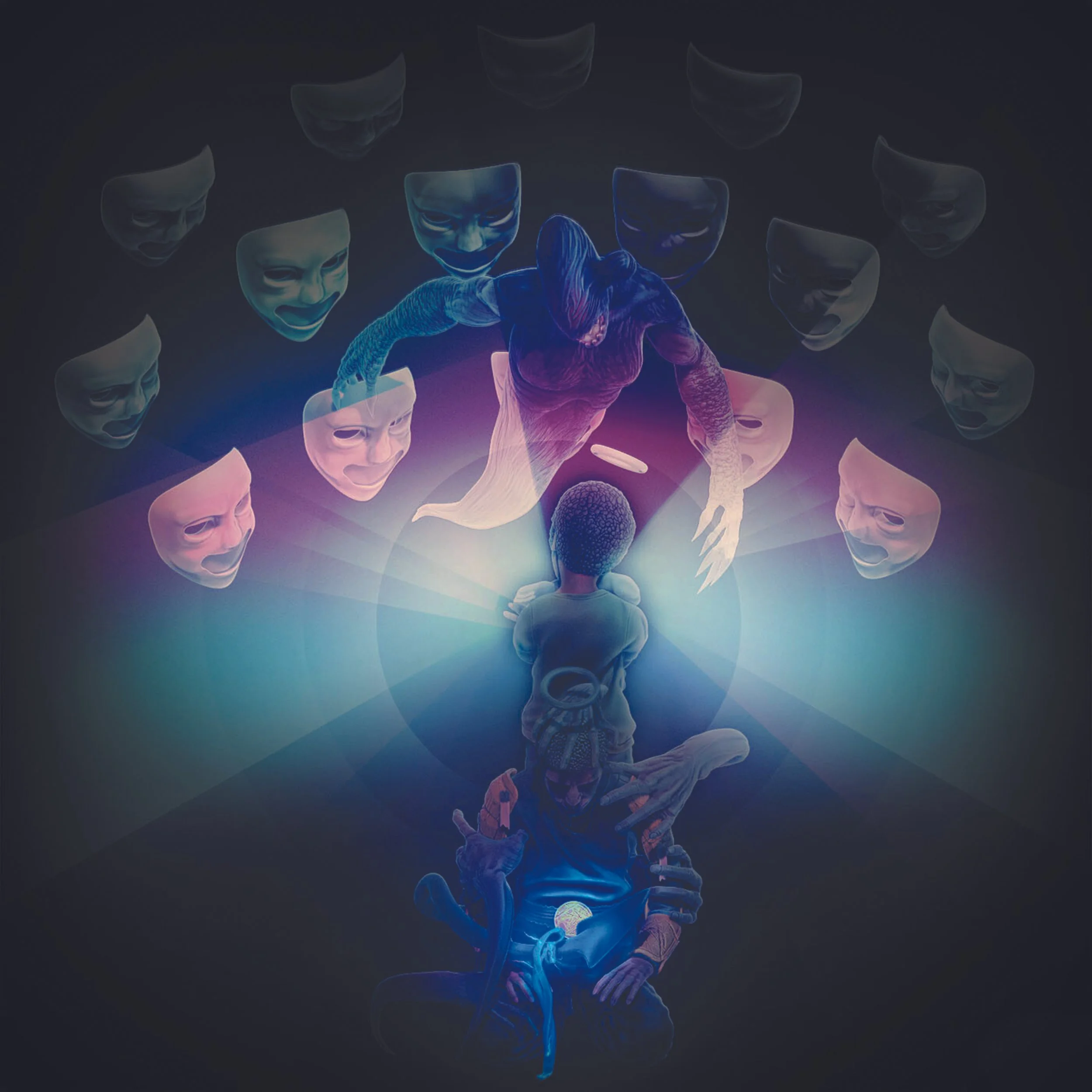
What is your background and how did you start your journey in the art world?
“I didn’t arrive at art through a big, defining moment. It was quieter than that. I grew up in London and was always drawn to making images, not because I thought of it as a career, but because it helped me process things. It was a way of sitting with thoughts I didn’t fully understand. I went on to study a Master’s in Computer Games Art, which gave me structure and technical control. I learned how to build environments, shape light, and construct space properly. But at that stage, it was more about learning how to make things look convincing than expressing anything personal. The emotional side was there, but I didn’t yet know how to let it lead. After university, I worked in jobs far removed from art. What kept pulling me back wasn’t ambition it was something harder to ignore. I’ve always had a mind that doesn’t switch off. Questions about existence, identity, grief, meaning. Making work became a way to release some of that intensity. Over time, the technical discipline and the emotional weight began to merge. Now I build environments not just to look at, but to feel. I’m not trying to give answers. I’m trying to create spaces where something unresolved can exist, because that feels more honest to how I experience the world.”
What inspires you?
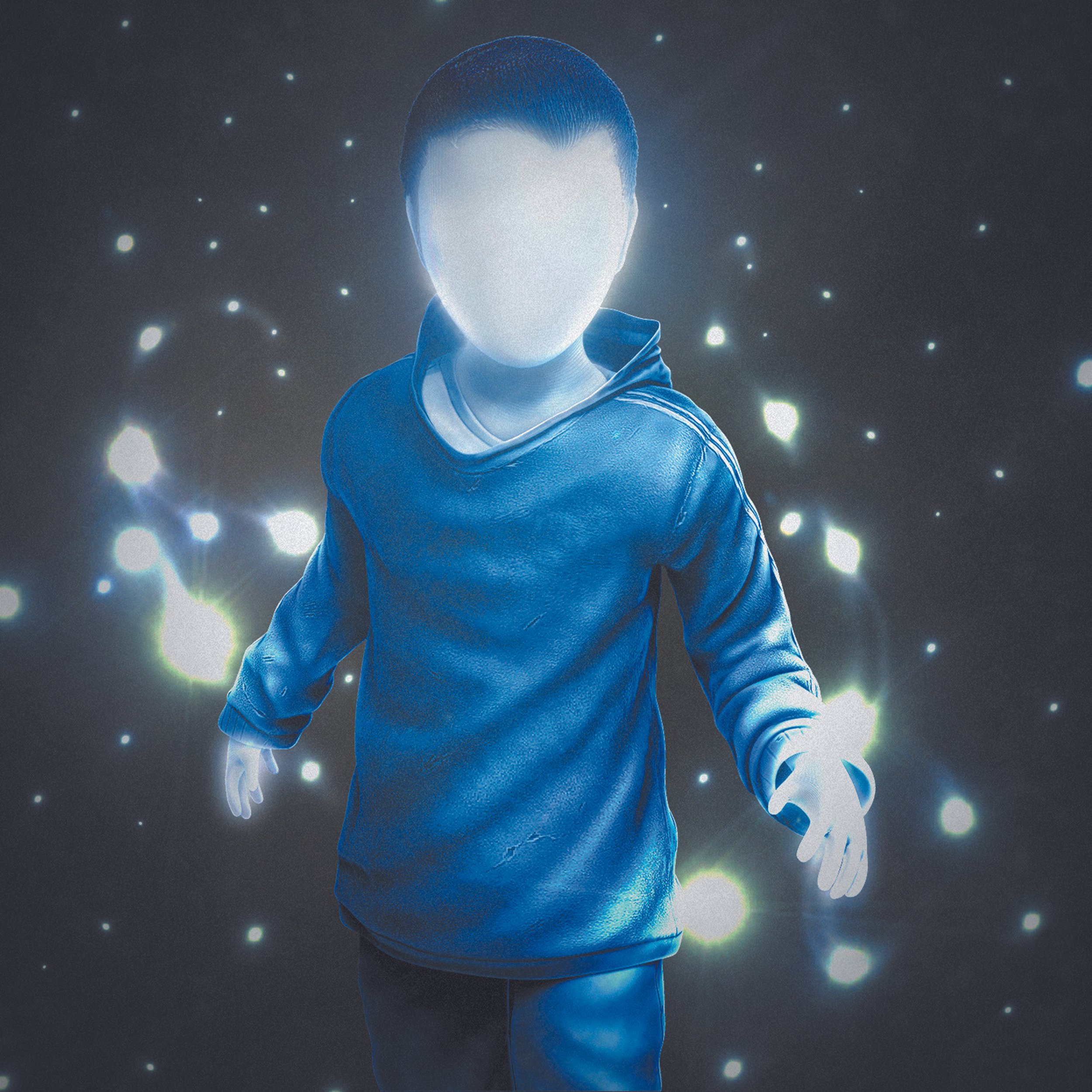
“Inspiration for me isn’t a clear image or a single moment. It’s more like a pressure constant a subtle intensity. A feeling that sits in my body at tension points and won’t leave until I try to give it a form. I’m drawn to the fragile parts of being human grief that doesn’t resolve, memory that lingers, the strange weight of some existential reflections. I think a lot about presence and absence. About how something can be gone but still feel loud inside you. Those tensions stay with me, and constantly force structure. There are recurring figures in my work, like Blue. They’re not really characters with stories. They’re more like emotional containers. Sometimes I can’t approach a feeling directly, so it moves through them instead. They carry ideas about hope and resilience, innocence and endurance things that feel too big to explain plainly. I’m not inspired by beauty or pain on their own. It’s the collision of both. That point where something feels almost unbearable but also strangely luminous. That’s usually where the work begins feelings and thoughts become reflection and structure.”
What themes do you pursue? Is there an underlying message in your work?
“Most of my work turns inward. I’m drawn to grief, loss, endurance, identity the quiet psychological weight people carry but don’t always show. A lot of the images sit in that space between vulnerability and strength, isolation, irreversibility and connection. Moments where a feeling is so intense it is very difficult to express with clarity. I’m not trying to deliver a message or prove a point. I don’t think my mind works that way. I’m more interested in holding a space open. If someone stands in front of the work and feels something they recognise in themselves, even if they can’t fully name it, that’s enough for me, I would rather have engaged your mind in a frozen moment that sits under the day to day in your mind then force my perception on anyone or any ideas about me personally. I guess my message would be you are human, messy, fractured, life may also carry an air of tragedy but you are also a beautiful creature. For me its more, each person has their view and I also have mine, I tend to be a little inspired at times by what people tell me they see or feel.”
How would you describe your work?
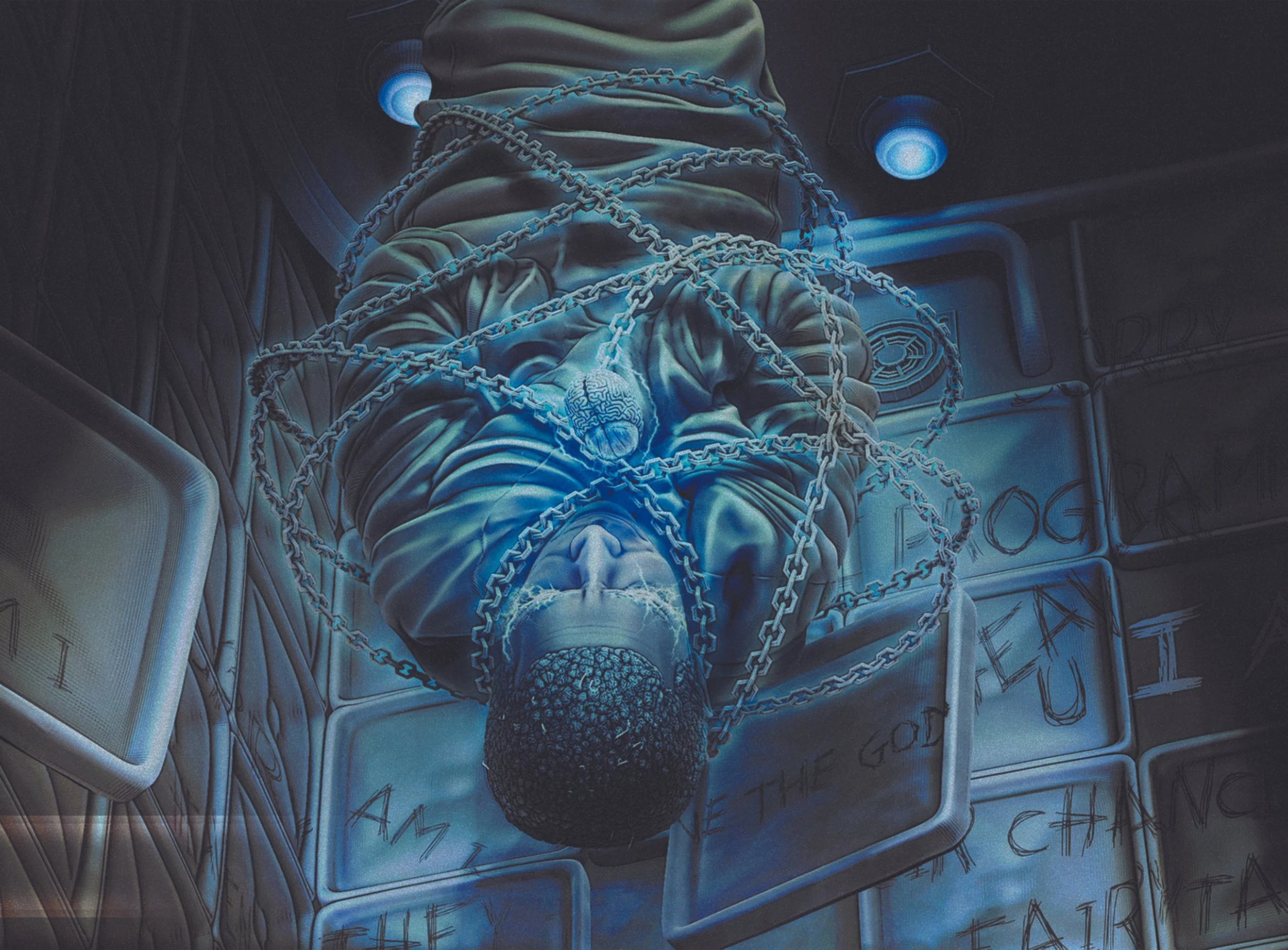
“My work exists in the tension between emotion and structure. Sculpted in 3D space with careful attention to light, form, and perspective. But beneath that technical surface lies a psychological landscape, an interior world made tangible. I seem my work as less about personal narrative and more about states of being: grief, longing, memory, resilience, presence and absence. A push and pull between shadow and light, emptiness and weight. I’m not interested in making images that are just visually pleasing. I want them to hold mood to have substance, to wisper something and it last for a while. If I had to put it simply, my work is about using structure to hold something fragile and intense, intimate and universal. It’s technical and understanding on the surface, but it’s driven by emotion and reflection underneath, it’s both personal and shared emotional states, a translation of internal intensity into something that can be experienced collectively.”
Which artists influence you most?
“The artists who stay with me aren’t always from the same medium, but they all share something they’re unafraid of emotional depth and intense reflection. I’ve always felt drawn to people like Edgar Allan Poe and Goya because they confront inner darkness directly over a period of time. There’s no softening it. No pretending it’s something else or somehow doesn't exist. In digital art, I admire artists whose work carries both structure and feeling. Mike Thompson, for example, has a strong sense of form and presence, something about his style of superheroes just sat with me. Viki Yeo also captures a kind of frozen emotion a stillness that feels heavy and suspended, with a technical mastery in one of her works. Recently I have also seen some amazing things so I would say that collective creativity has a place also. For me, influence isn’t about copying style or technique. It’s more about permission. Permission to go deeper. To not dilute emotion. To trust intensity rather than polish. Over time, I’ve realised I’m less influenced by technical mastery and more by emotional honesty. That inward intensity the courage to sit with it shapes how and why I make work.”
What is your creative process like?
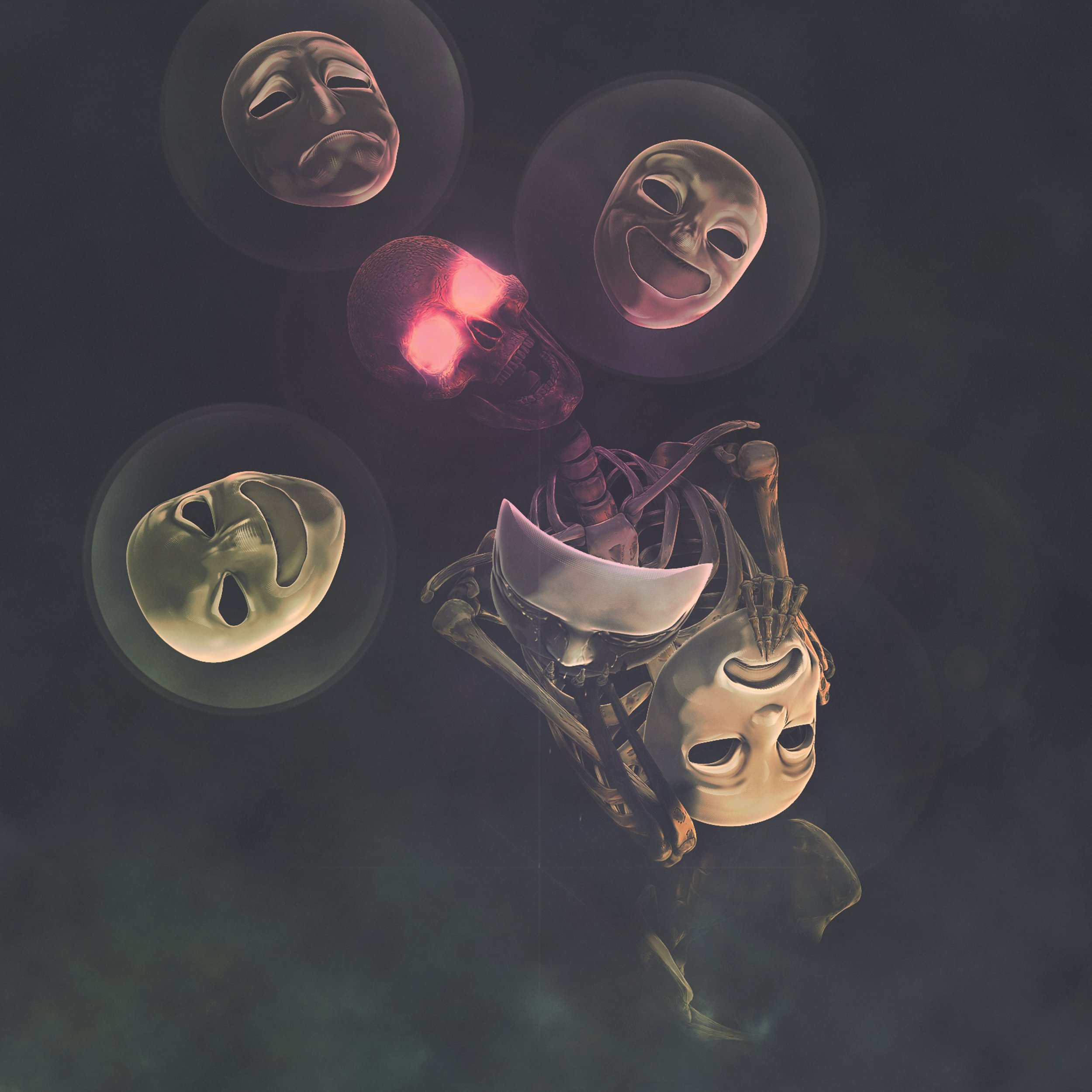
“My process usually starts before I touch any software. It begins as a feeling I can’t shake. Sometimes it’s tension, sometimes it’s a question, sometimes just a pressure I can’t quite name. I’ll sit with it for a while before it slowly starts to piece itself together and its structure form. Technically, I start in 3D. I build the image in space, as a collection of objects. But the 3D stage is just a structure and base colour. The real shift happens when I begin transferring the still image to 2D painting into it pushing colour, softening or deepening shadows, where the essence of the artwork starts to reveal itself fully. The process is a slow build up. I question a lot. Most of the decisions aren’t logical they’re instinctive, blending layer styles and colours. I’m constantly asking, “Does this feel right to me?” If it doesn’t, I keep adjusting. By the end, it’s less about having constructed something and more about having refined a feeling or moment enough for its shape to hold. Like the image was already there in fragments, and I just had to stay with it long enough for it to surface.”
What is an artist’s role in society and how do you see that evolving?
“I think an artist’s role is to give their attention. To notice what’s happening beneath the surface internally and collectively, and give it form as they do. Not to preach or fix things, but to reflect them honestly with some sense of humanity. For me, art has always been a way of translating feelings that don’t sit comfortably in everyday conversation. Things like grief, uncertainty, identity, quiet despair, the kinds of emotions people carry privately. If someone sees a piece of work and feels less alone in something they haven’t been able to articulate, then the work has done something meaningful. As everything becomes faster and more surface driven, I feel the role of the artist becomes quieter but more important as it sometimes does. There’s so much noise and distraction. Choosing to slow down and create something that asks for reflection feels almost resistant in itself. I don’t think the evolution is really about technology. Tools will always change techniques evolve. What matters is whether we keep making space for depth, honesty, and the human sprit in all creative mediums. That’s what feels essential to me.”
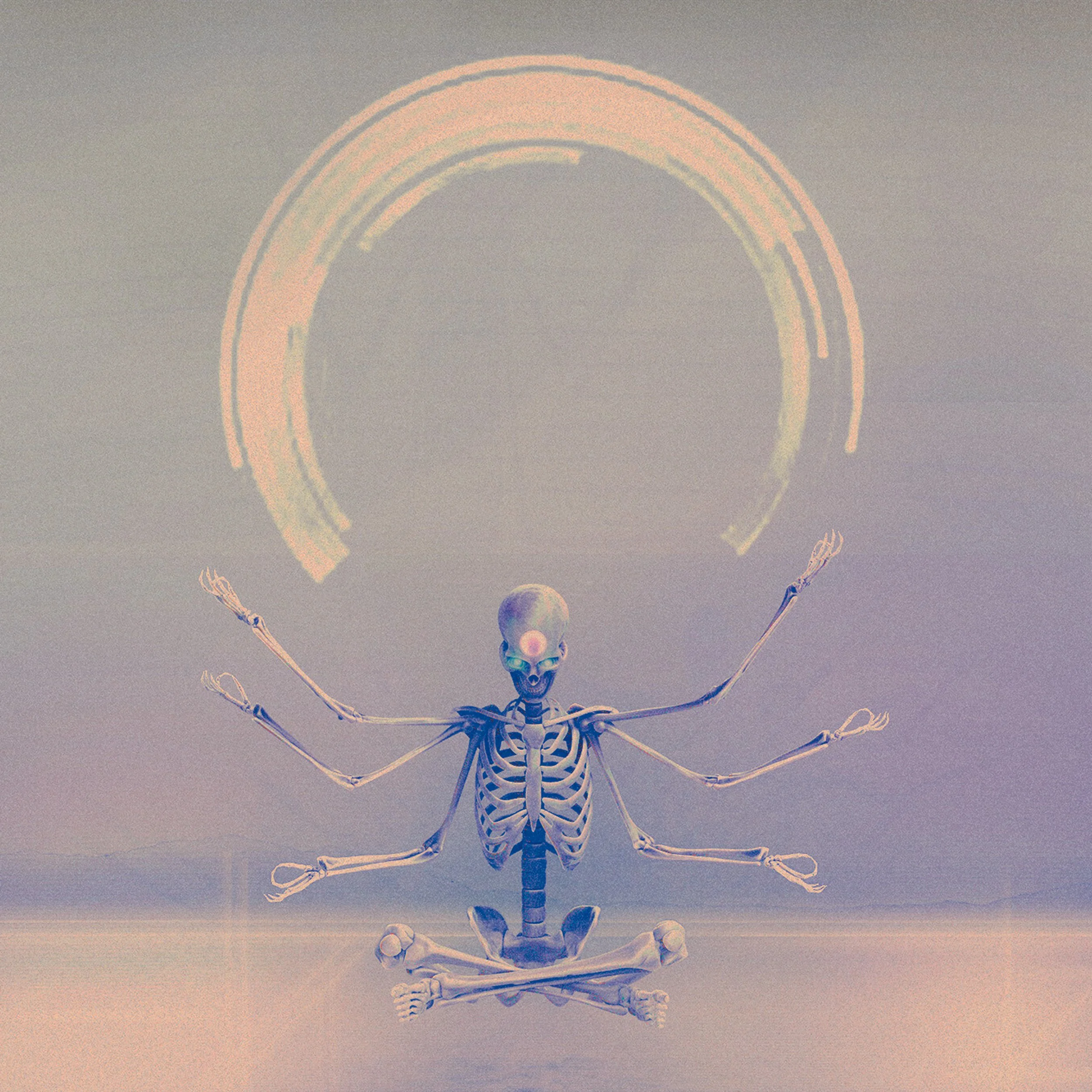

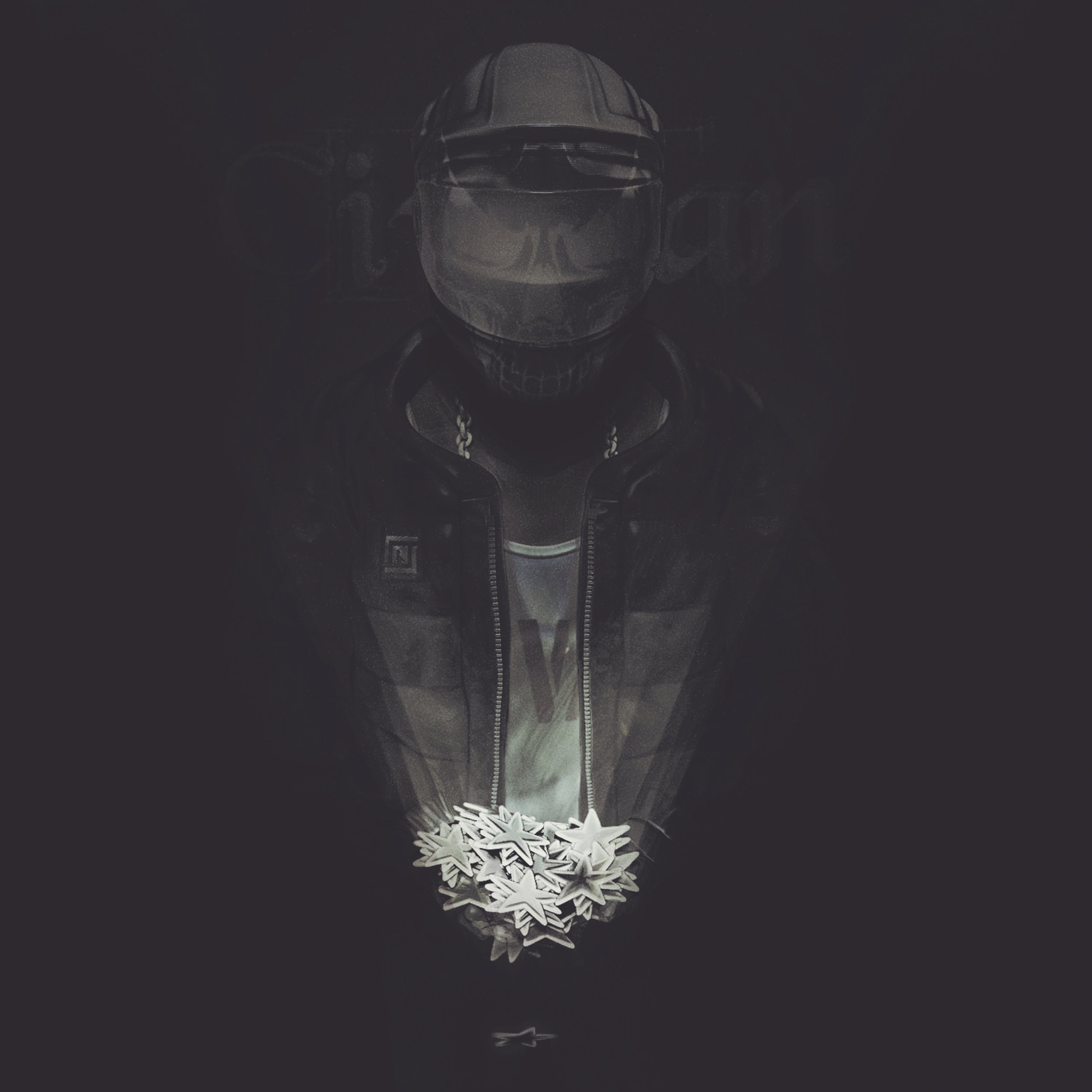
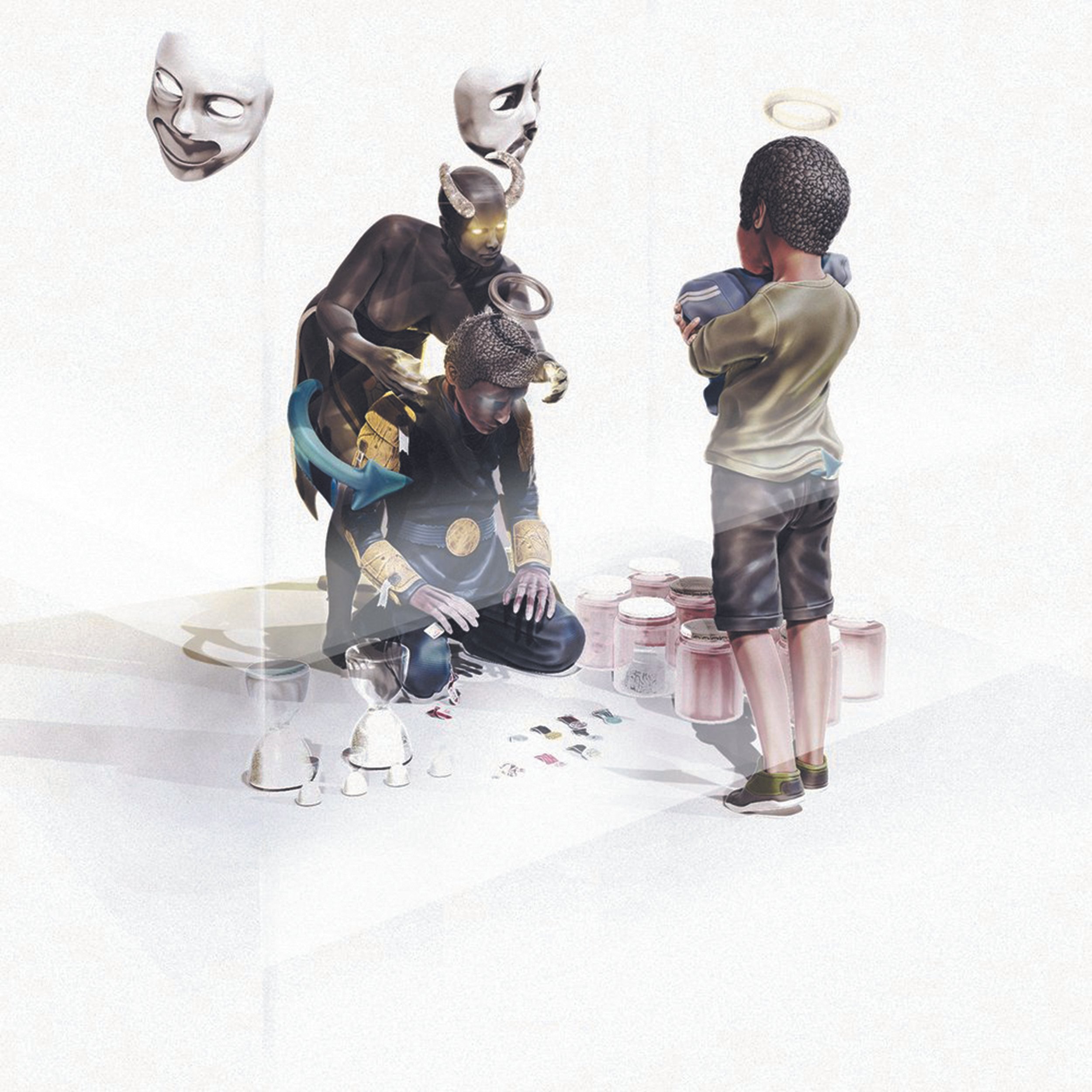
Have you had any noteworthy exhibitions you'd like to share?
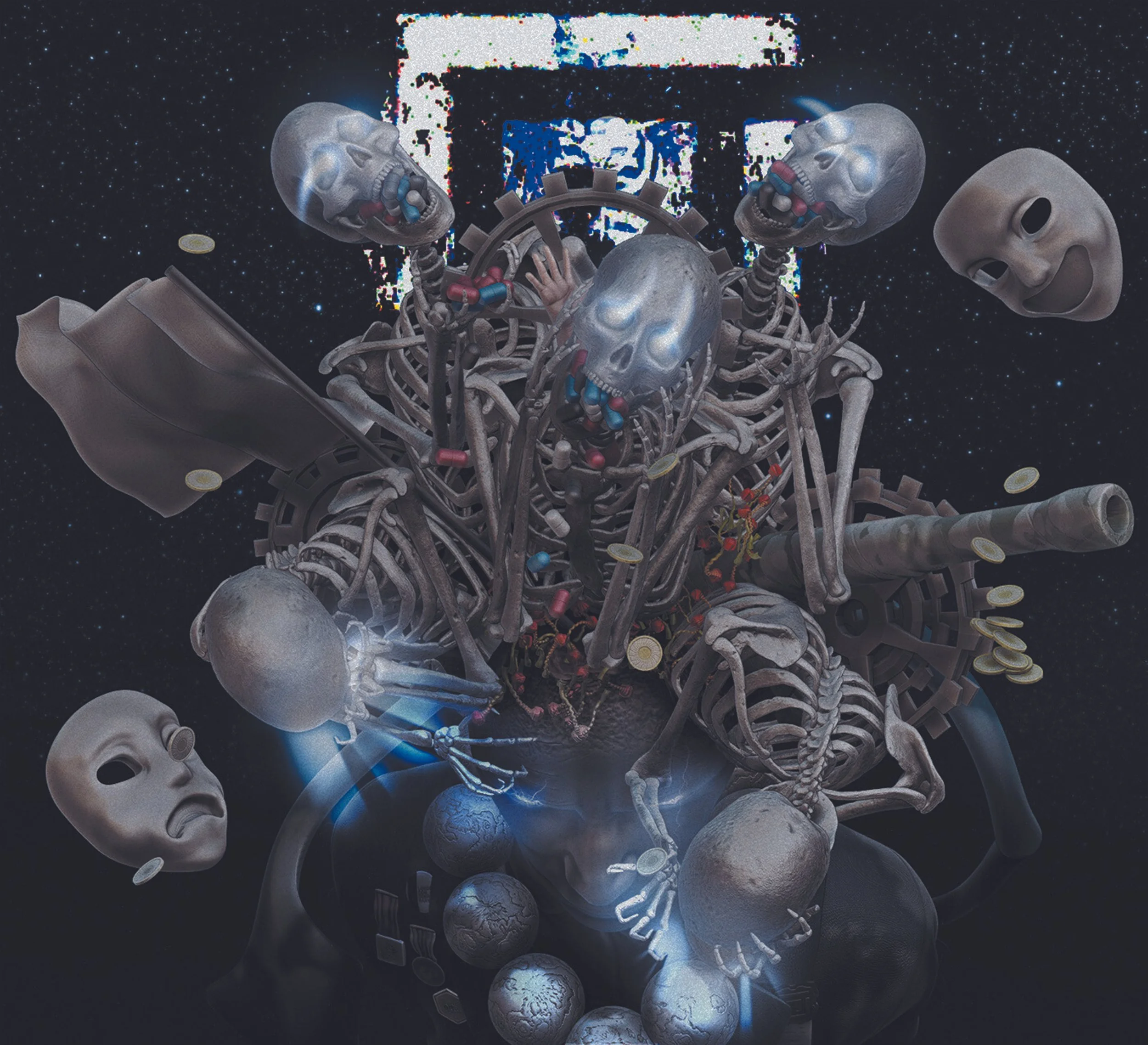
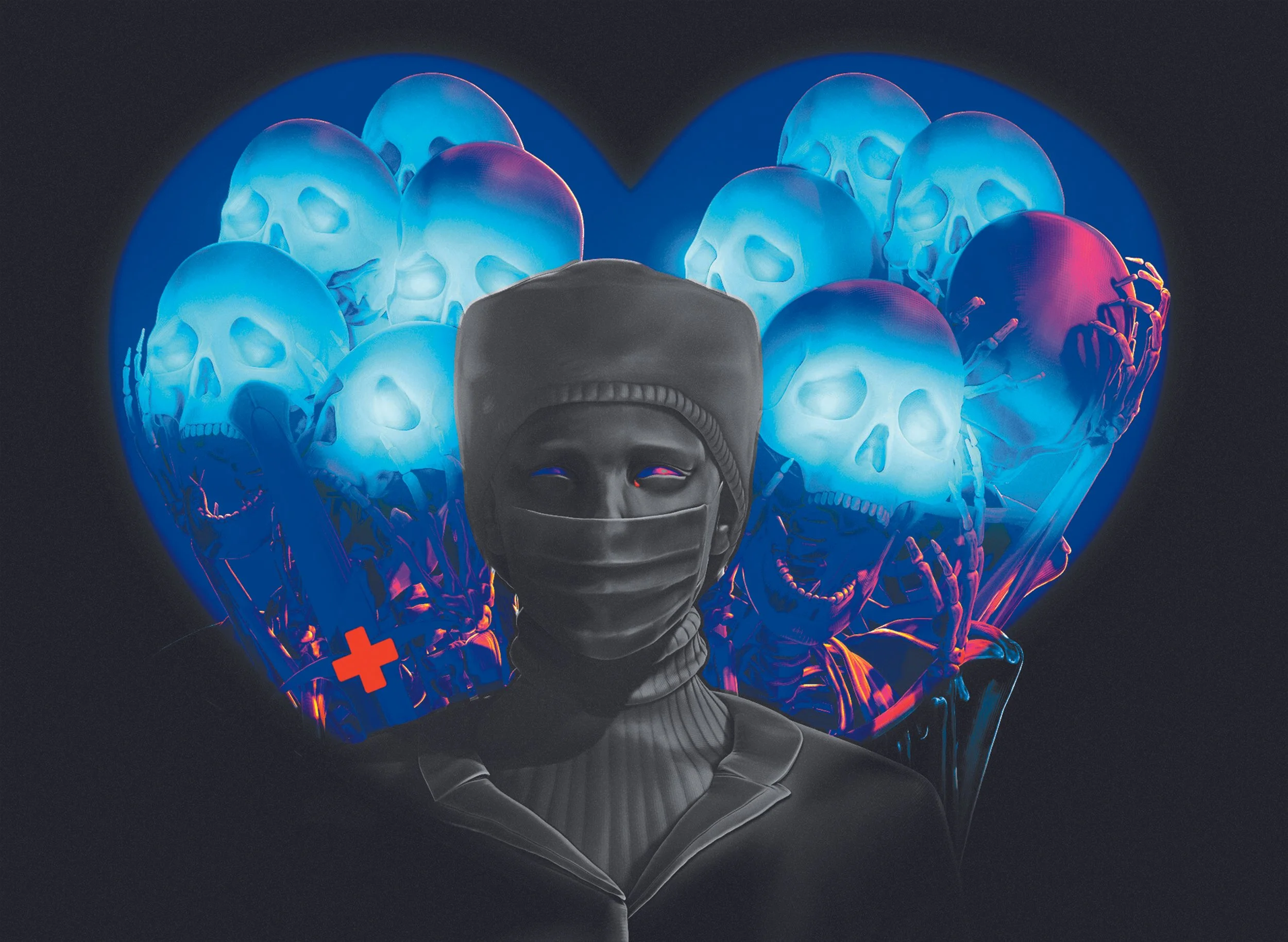
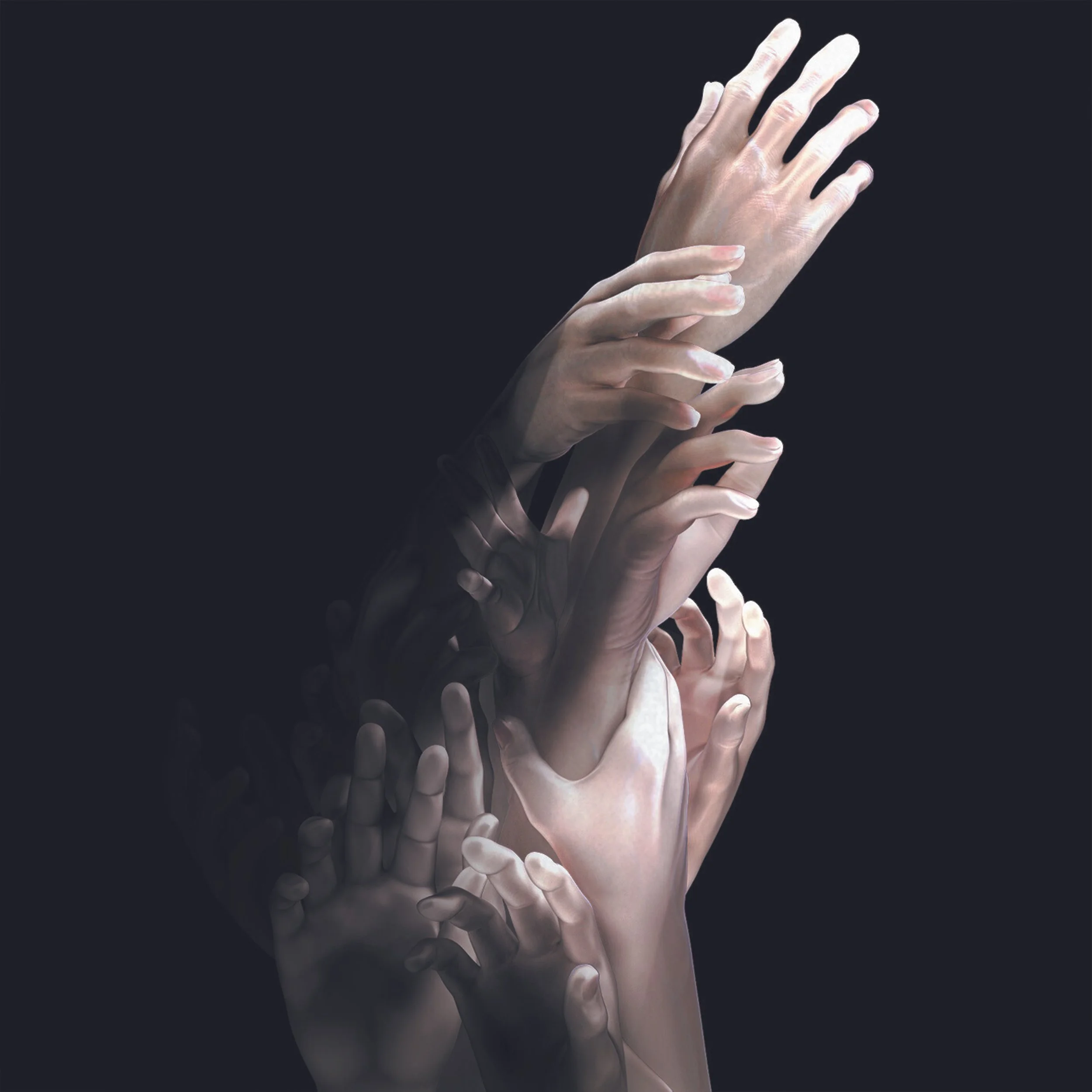
“My first international exhibition in Milan with Divulgarti, it brought the work into a context I hadn’t imagined. It was strange, in a good way, I just got sent a video and someone was explaining my work, to just one day randomly watch someone stand in front of something that once only existed in my own head added a type of realism. I personally would like to build the opportunity to do more country's I have been lucky enough to do around four to six country's but, I have shown in one of those country's three times which is awesome don't get me wrong but its a little focused, but then also I'm happy to be slowly finding some stability? Have another group exhibition in April there for a few months.”
Website: artofagray.squarespace.com
Instagram: @human3d