Interview
Aschbel Joseph
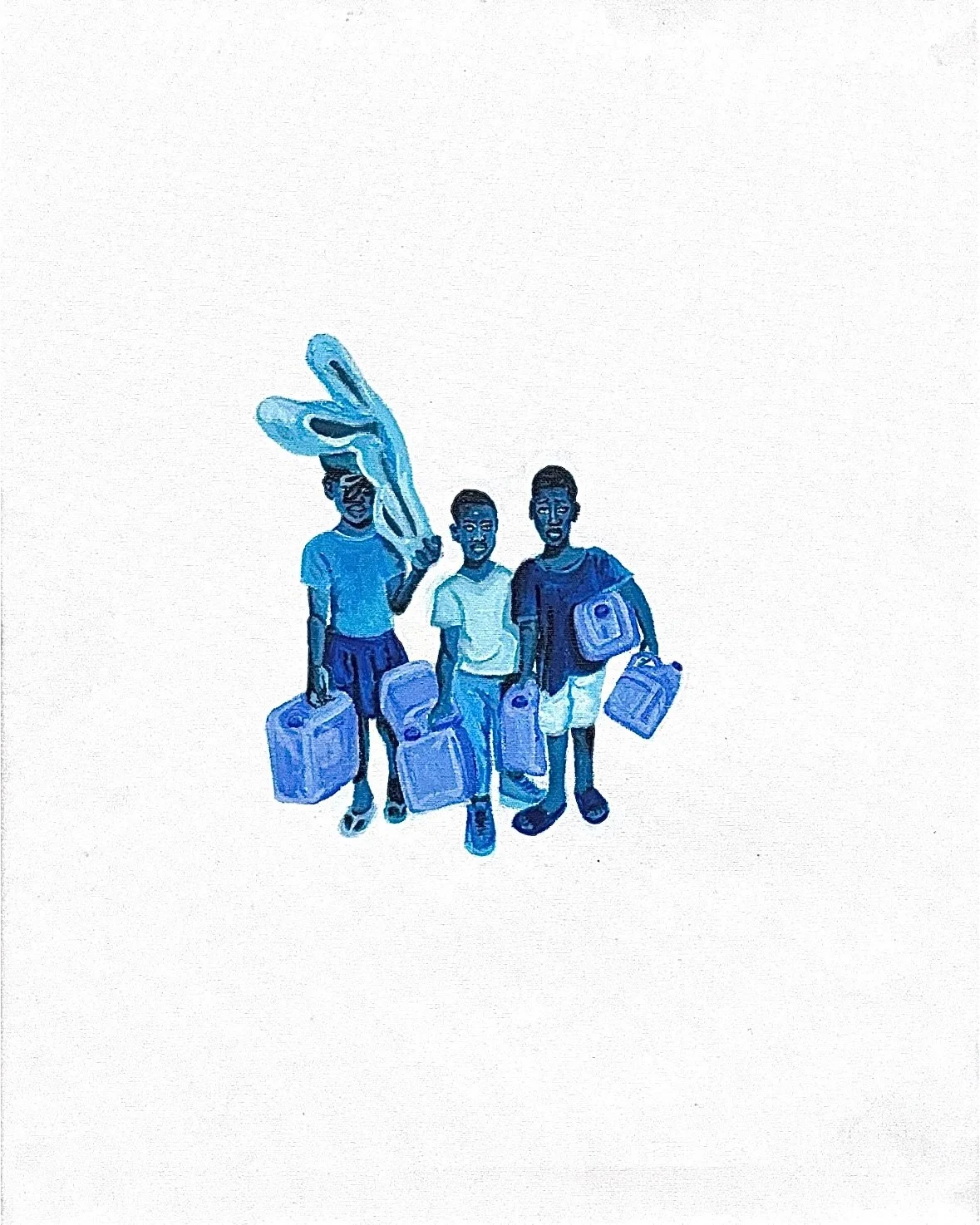
Loving a country that doesn’t fully claim you, that’s where “A Tourist in My Own Country” is born. Aschbel Joseph is a a Canadian-American artist, photographer, and architectural designer of Haitian descent, displaced by the 2010 earthquake in Haiti. Through painting, ceramics, mixed media, glassblowing, and spatial storytelling, she chases what displacement leaves behind: identity, memory, the West African soul that pulses through every Haitian generation no matter how far the ocean tide carries us. This is more than art. It is a search for community in a country that became unfamiliar, where she was made to feel like a foreigner on her own soil. A people victimized by forces beyond their making, yet still standing. Still breathing. Still creating. This is her love letter to Haiti. A celebration of its resilience and beauty through the chaos, for a community once lost, yet to be found. This collection doesn’t speak of just Aschbel’s story. It’s her story, his story, and history.

What is your background and how did you start your journey in the art world?
“My journey in art began very quietly as a kid. I was very much to myself, so I would come home and draw what I observed. I just remember feeling at peace, knowing that art was mine, my way of expression. When the 2010 earthquake in Haiti happened, it felt like I was taken away from my motherland. And once I got to Canada, I continued to use art as a way to grieve, to hold onto what I knew was home. I studied Architecture, because I have always loved creating, building something out of nothing felt natural to me. But Haiti never left me. Six years after the earthquake, I went back. I walked those streets with my camera, and I felt something I didn’t expect. I felt like a stranger in the place that made me. That feeling became the heart of everything. The photographs I took on that journey became my art collection, ‘A Tourist in My Own Country,’ an exploration of identity, memory, and what it means to belong. Each image tells a story. And through every piece, I am still finding my way home.”
What does your work aim to say? Does it comment on any current social or political issues?
“My work explores memory, displacement, and what it means to belong, especially as someone in the Haitian diaspora. Through A Tourist in My Own Country, I use blue as a way to express what Haiti means to me. After the earthquake, I was left with almost nothing but memory, not even photographs. Over time I realized that memory has a color, and for me that color is blue. Blue became a symbol of nostalgia, grief, and displacement, but also of resilience and hope. When I returned to Haiti six years later, I expected to feel at home, but instead I felt like a stranger. That experience became central to my work. It made me reflect on how displacement can exist even in the place that shaped you, that emotional tension between connection and distance, loss and belonging. To be a Diaspora, My work also engages with social and political realities. Haiti is often seen only through headlines, political instability, violence, poverty, crisis. But behind those headlines are people, histories, and a deep cultural pride that gets overlooked. I want my work to remind people that Black suffering is not a spectacle. It is a human story that deserves dignity, tenderness, and complexity. But my work is not only about mourning. It is about celebration. About honoring Haiti’s resilience, beauty, and spiritual strength. In many West African traditions, blue represents protection, truth, and the divine, and I carry that symbolism into everything I create. Ultimately, I want my art to create space for remembrance, for reflection, and for anyone who has ever felt displaced, silenced, or disconnected from home. My story begins with Haiti, but I hope the emotions within it feel universal.”

Do you plan your work in advance, or is it improvisation?
“My work is inspired by photographs I took back in Haiti. When I knew I was returning six years after the earthquake, I made sure to bring a camera. I didn’t want the Haiti I knew to live only in my memory anymore. So when I decided to create an art collection rooted in what Haiti truly meant to me, to us, A Tourist in My Own Country was the first thing that came to mind. And going back to those images, I didn’t have to improvise. Everything I needed was already there, captured in those photographs. In those images I truly felt like a tourist. Remembering what it feels like to walk through a place that shaped you, to love a country that doesn’t fully claim you back. The photographs held the grief, the beauty, the distance, and the longing all at once. My job was simply to translate that into art. So in a sense, the planning happened the moment I picked up that camera. The rest was listening to what the images were already saying.”
Are there any art world trends you are following?
“I’m not intentionally following trends, but my work naturally aligns with broader contemporary conversations around diaspora, memory, and socially engaged art. My focus comes from lived experience especially my return to Haiti and my background in architecture rather than from trying to fit into any specific movement.”
What process, materials and techniques do you use to create your artwork?
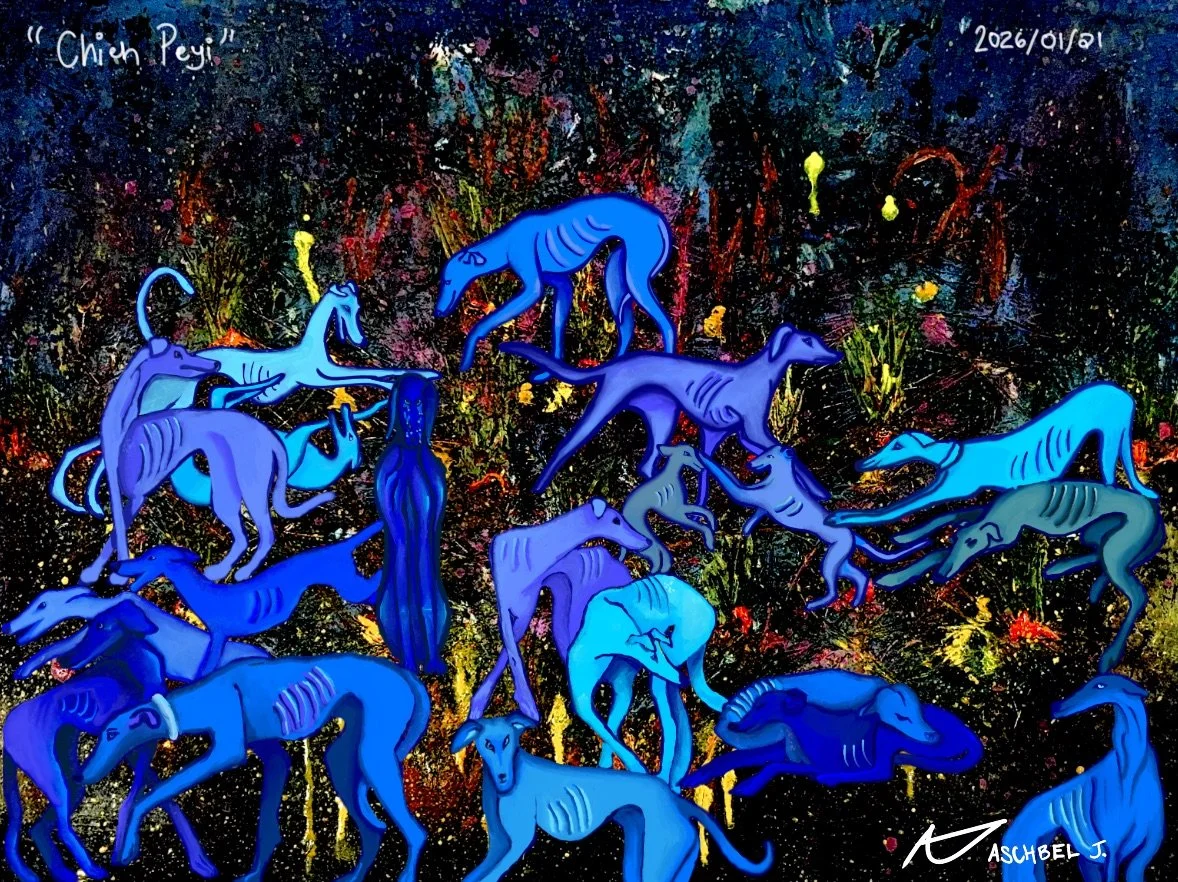
“For A Tourist in My Own Country, everything begins with a photograph. I spend time moving through the images until I find the one that feels most emotionally present in that moment. The medium, whether acrylic, oil, or glass, is chosen in response to the photograph. Each carries a different emotional weight. Oil for softness, acrylic for directness, and glassblowing for something fragile and permanent. My process is very intentional. I set the environment with music or silence depending on what the work needs emotionally. For me it is not just technical. It is spiritual. I am not recreating photographs. I am entering them again, returning to those spaces and emotions. And when I enter them, I am not only returning to my own story. I am returning to her story, his story, and history. Every image carries more than my memory. It carries the weight of a people, a culture, and everything that has been lost, survived, and passed down across generations. The materials matter, but so does everything around them, because that is what allows the work to fully come through. Not just for me, but for everyone who has ever felt displaced, forgotten, or disconnected from home.”
What does your art mean to you?
“Given what I have experienced, especially through my connection to Haiti, art has been a form of therapy. Haiti carries a deep history of loss and resilience, and there is a kind of grief within the community that is often not fully seen or understood. My work is how I hold that reality, not to reduce it, but to honor it. Art becomes a way for me to stay connected to my culture, my memory, and the people whose stories are often overlooked or reduced to headlines. It is not decorative for me. It is necessary. It is my way of remembering, of witnessing, and of staying close to what matters most. To become ‘A tourist in my own country’ art collection speaks of that.”

What’s your favourite artwork and why?
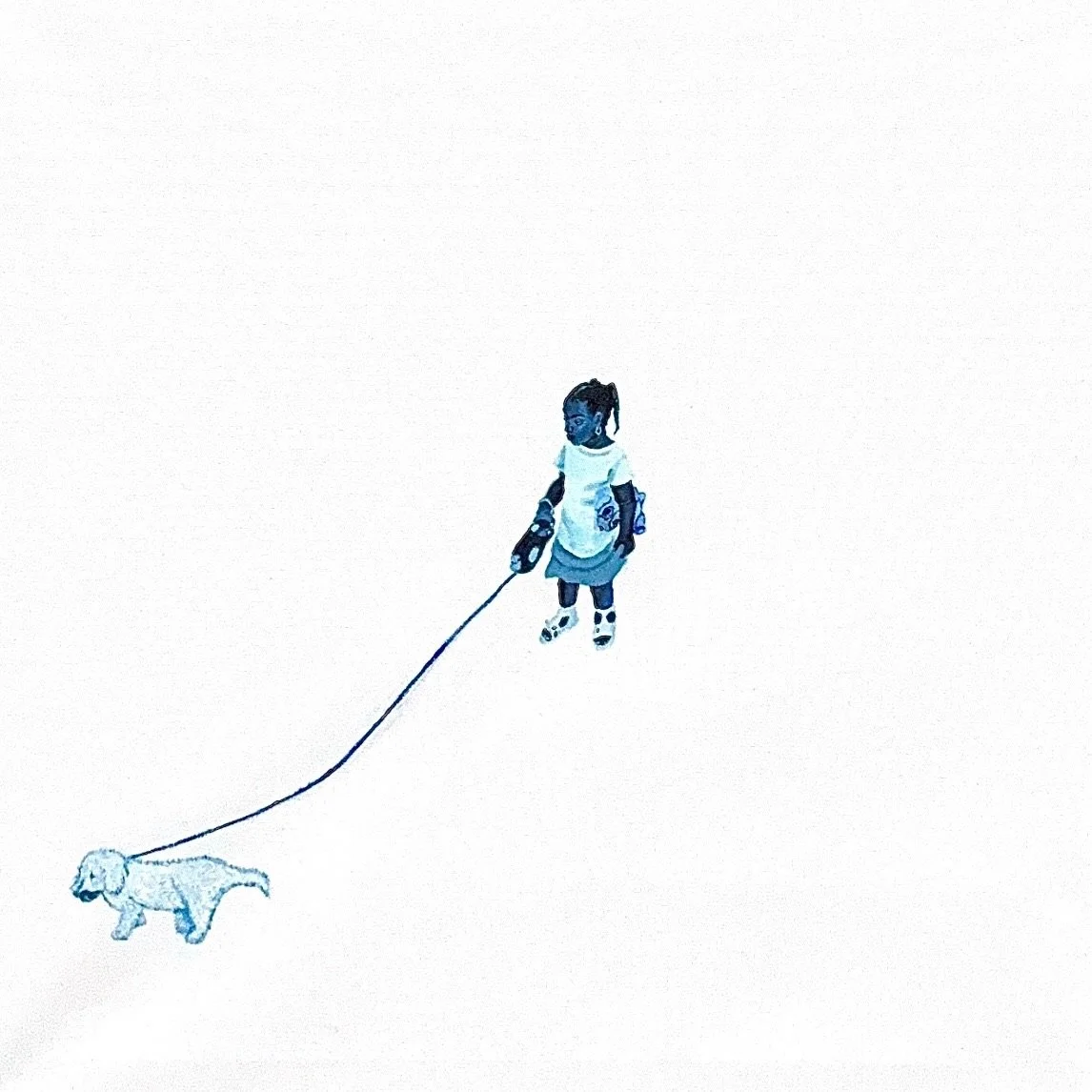
“My favourite artwork is one of my own. Titled ‘Searching for the Unknown”’, part of A Tourist in My Own Country. It shows a young girl moving through an unfamiliar space, guided only by her dog. There is a quiet tension between solitude and trust. She is not lost, but she is searching, and in that openness there is both vulnerability and strength. For me the image speaks directly to belonging and displacement, the two forces that sit at the center of everything I make. That girl represents Haiti. She represents the diaspora. She represents anyone who has ever had to navigate an unfamiliar world while still trying to find their place within it. I did not intentionally set out to portray myself. But in hindsight, I realize I am in that search too.”
Have you had any noteworthy exhibitions you'd like to share?
“I have an upcoming solo exhibition, A Tourist in My Own Country, opening July 11 in Ottawa. This will be the first time this full collection is shown publicly, bringing together the photographs, paintings, and mixed media works that form the heart of this project. Previously, I exhibited at Page Blanche in Montreal, at Espace Louable a space that gave early life to this work and the conversations it continues to open.
I recently was part of the selection as the ‘People’s artist’ organized by Johnny Depp, a worldwide competition for the public to vote for an artist to appear in Artforum Magazine, take home $25,000, and display their work at The Art of Elysium's Salon!”
Instagram: @aschbelj
Email: belartsstudio@gmail.com
Brush Bio: brush.bio/aschbel
Other links: www.tiktok.com/@aschbelj, www.facebook.com/aschbel.joseph