Interview
Andrew W. Fairchild
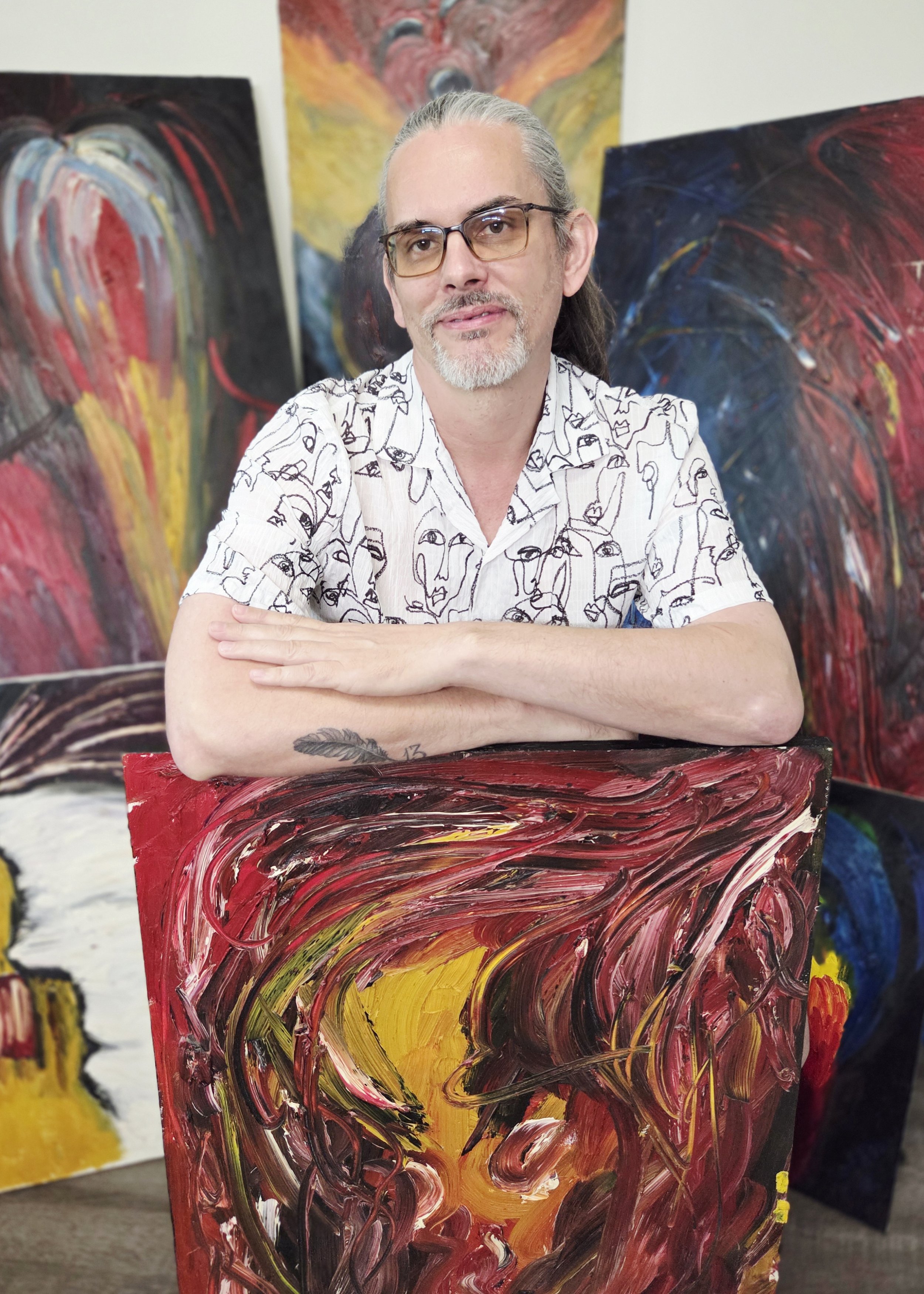
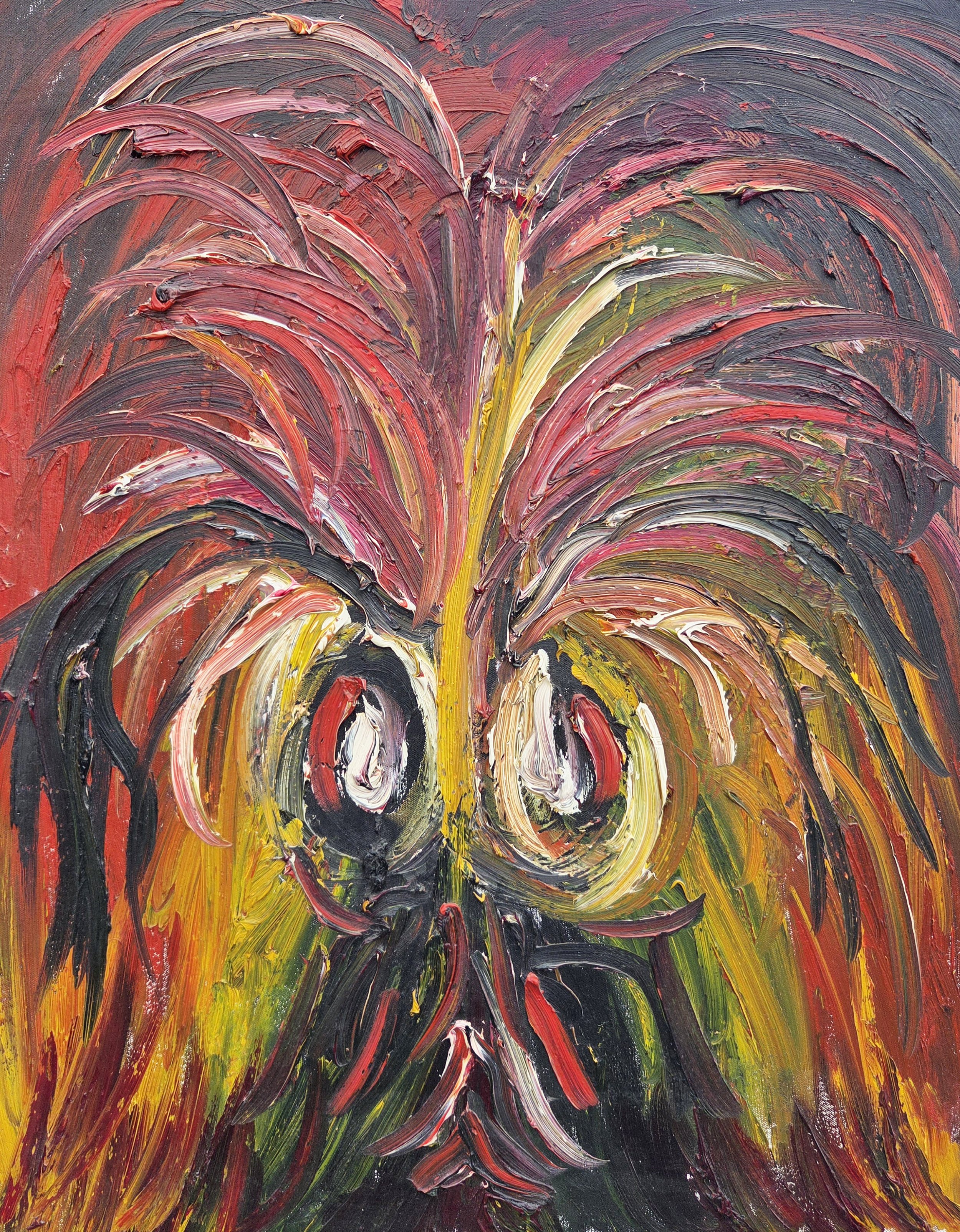
Andrew is a self-taught abstract expressionist artist whose work explores spirituality, emotion, and transformation through movement, texture, and color. He is drawn to painting people, emotion, and spirituality—building vibrant, textured worlds where the abstract can breathe. Through layered gestures and expressive forms, he creates work that exists between the visible and the emotional, the sacred and the unresolved. Guided largely by intuition, Andrew uses painting to translate emotional and spiritual experience into visual form. His work invites a sense of unrest, urging viewers to question what they feel and why, while connecting with something deeper within themselves. His practice is deeply informed by trauma, tension, and unresolved experience. He is drawn to discomfort and contradiction, using them as a creative force. Pain becomes expression, and chaos becomes form. Through both personal and collective struggle, he seeks to uncover something honest and unfiltered—work that challenges, questions, and invites reflection. Influenced by spirituality and emotional abstraction, Andrew’s paintings often explore themes of revelation, suffering, healing, and transcendence. Rather than pursuing literal representation, he uses movement, contrast, and atmosphere to evoke experiences that exist beyond language.
What is your background and how did you start your journey in the art world?
“I am a self-taught artist whose journey into art began at a young age. Growing up, drawing and painting became a refuge for me—a way to navigate feelings of isolation and escape the bullying I experienced as a gay youth. Art offered a space where I could process emotions, explore my inner world, and create a sense of freedom and belonging. While my work is not explicitly centered on queer identity, those early experiences shaped my sensitivity to themes of vulnerability, transformation, spirituality, and emotional complexity. What began as a means of coping eventually became a lifelong practice of translating emotional and spiritual experiences into visual form. Through intuition, experimentation, and self-directed learning, I developed a body of work that seeks to confront discomfort, embrace contradiction, and invite deeper reflection.”
What inspires you?
“I am inspired by spirituality, human emotion, memory, and the complexities of lived experience. I am particularly drawn to moments of tension, revelation, grief, healing, and transformation. Much of my inspiration comes from observing the emotional undercurrents that shape our lives—the things we often carry internally but rarely articulate. I am also inspired by movement, music, texture, and the unpredictable nature of the painting process itself.”
What themes do you pursue? Is there an underlying message in your work?
“My work explores themes of spirituality, suffering, healing, identity, and transformation. I am interested in the spaces where certainty dissolves and deeper questions emerge. Rather than offering definitive answers, my paintings invite reflection and emotional engagement. The underlying message is often about confronting discomfort and embracing vulnerability as pathways toward greater self-awareness and understanding.”
How would you describe your work?
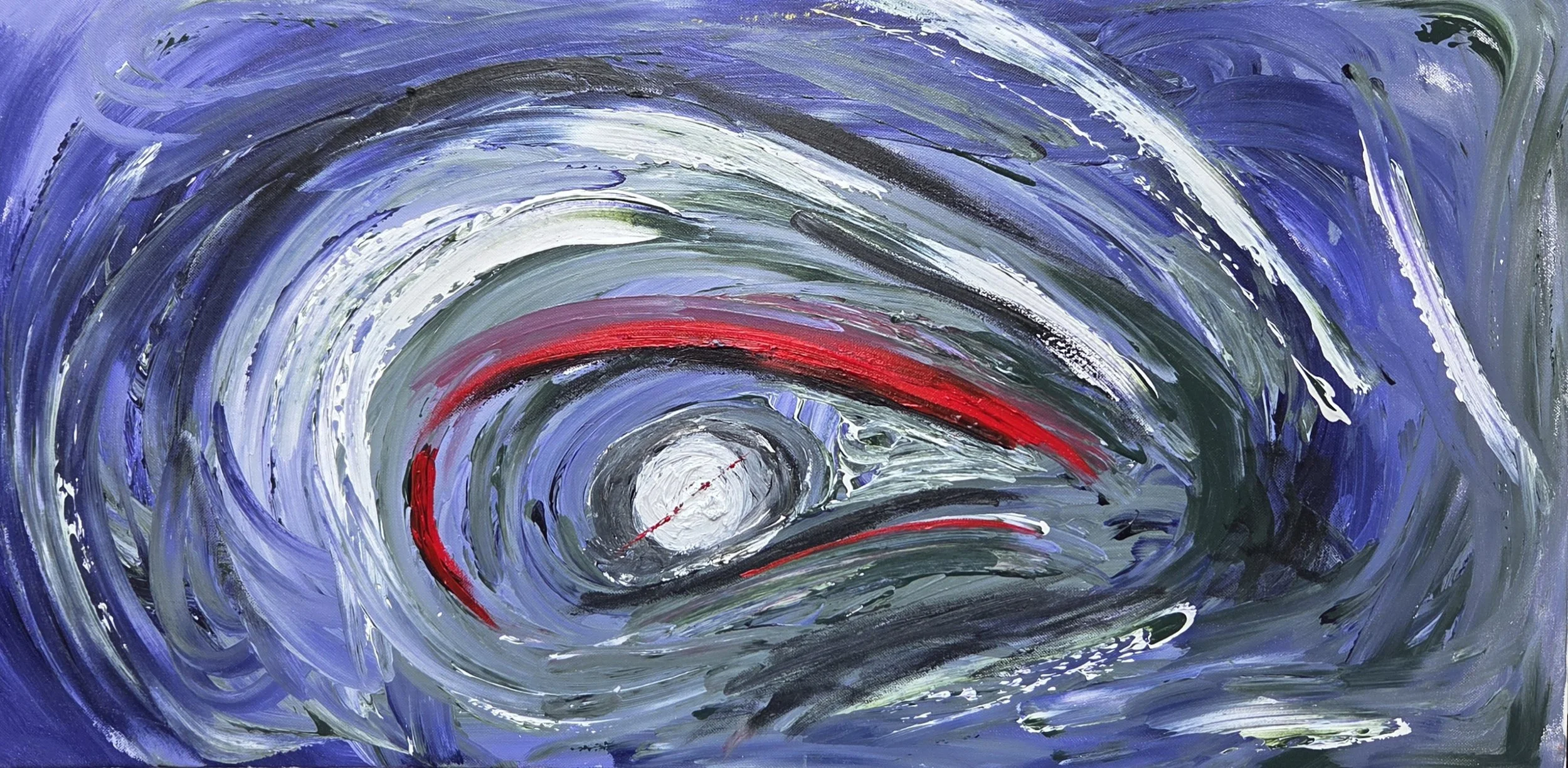
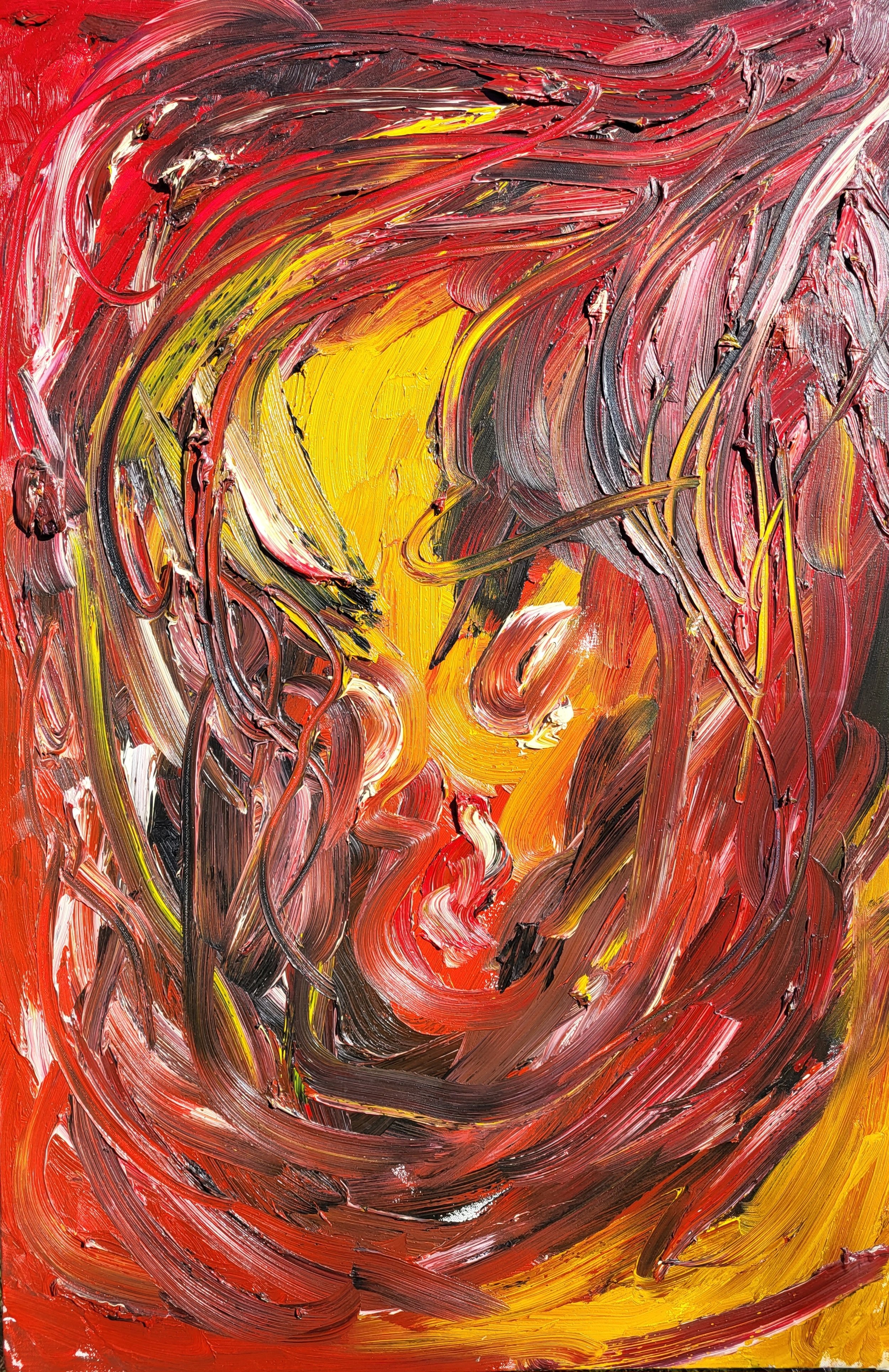
“My work exists within the language of abstract expressionism, combining gestural mark-making, layered surfaces, and rich impasto to explore emotional and spiritual experience. Through the interplay of texture, movement, and color, I create paintings that occupy a space between abstraction and suggestion, where traces of the figure, memory, and emotion emerge and dissolve. The physicality of paint is central to my practice. I build surfaces through accumulation, excavation, and revision, allowing each layer to retain evidence of its history. Thick impasto passages, expressive brushwork, and atmospheric fields of color create a sense of tension between chaos and structure, presence and absence. While rooted in intuition, my work seeks to transform intangible experiences—grief, revelation, suffering, healing, and transcendence—into something visual and visceral. Rather than illustrating a specific narrative, I aim to create immersive emotional landscapes that invite reflection and encourage viewers to engage with what lies beneath the surface.”
Which artists influence you most?
“I am deeply influenced by artists who use abstraction as a vehicle for emotional and spiritual exploration. The work of Wassily Kandinsky, Mark Rothko, and Anselm Kiefer has been particularly impactful. I admire their ability to create work that is both deeply personal and universally resonant. I am also inspired by artists who embrace texture, vulnerability, and the transformative potential of paint itself.”
What is your creative process like?
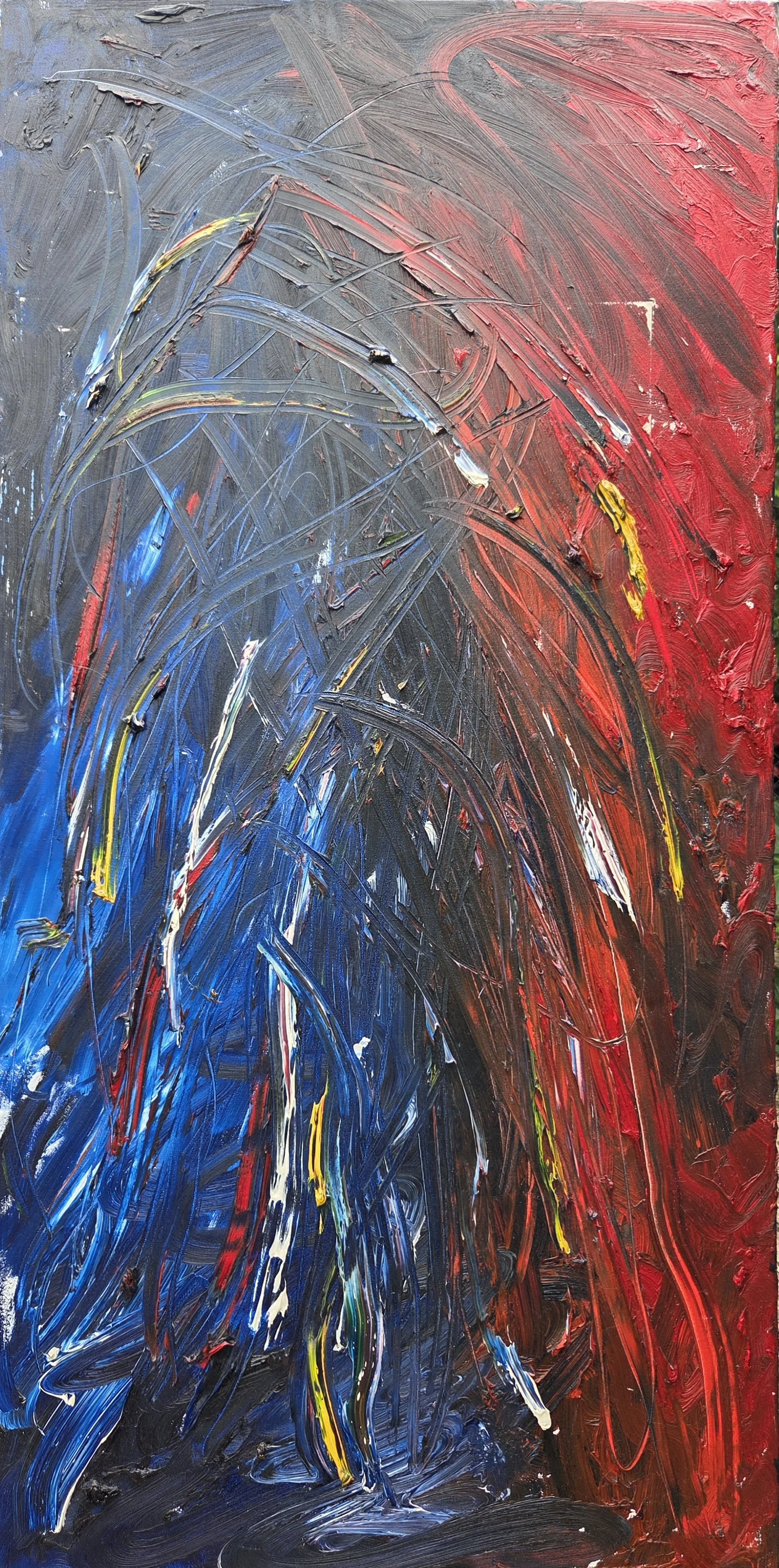
“My creative process begins with a theme, emotion, or spiritual question that I want to explore. Before I ever touch the canvas, I spend time reflecting on the emotional atmosphere I want the work to inhabit. Music plays an important role in this stage. I carefully select music that embodies the theme or emotional state I am exploring, using it to deepen my connection to the subject and create an immersive mental space for painting. Once I begin, the process becomes largely intuitive. Rather than working from a detailed plan, I allow the painting to evolve through gesture, texture, color, and response. The music helps sustain the work's emotional energy, influencing the rhythm of my mark-making, the movement of the brush, and the overall mood of the piece. I build surfaces through layering, revision, and moments of disruption, allowing the painting to reveal itself over time. There is a constant dialogue between intention and discovery. While the initial theme provides a foundation, I remain open to unexpected developments, trusting the process to uncover emotional and spiritual truths that may not have been apparent when I began. For me, painting is both an act of exploration and a form of emotional translation.”
What is an artist’s role in society and how do you see that evolving?
“I believe artists help make visible what often remains unseen. They create space for reflection, challenge assumptions, and encourage deeper engagement with ourselves and the world around us. In an increasingly fast-paced and image-saturated culture, I think the artist's role becomes even more important as a witness, questioner, and storyteller. Art can foster empathy, provoke dialogue, and offer experiences that connect us to something larger than ourselves.”
Have you had any noteworthy exhibitions you'd like to share?
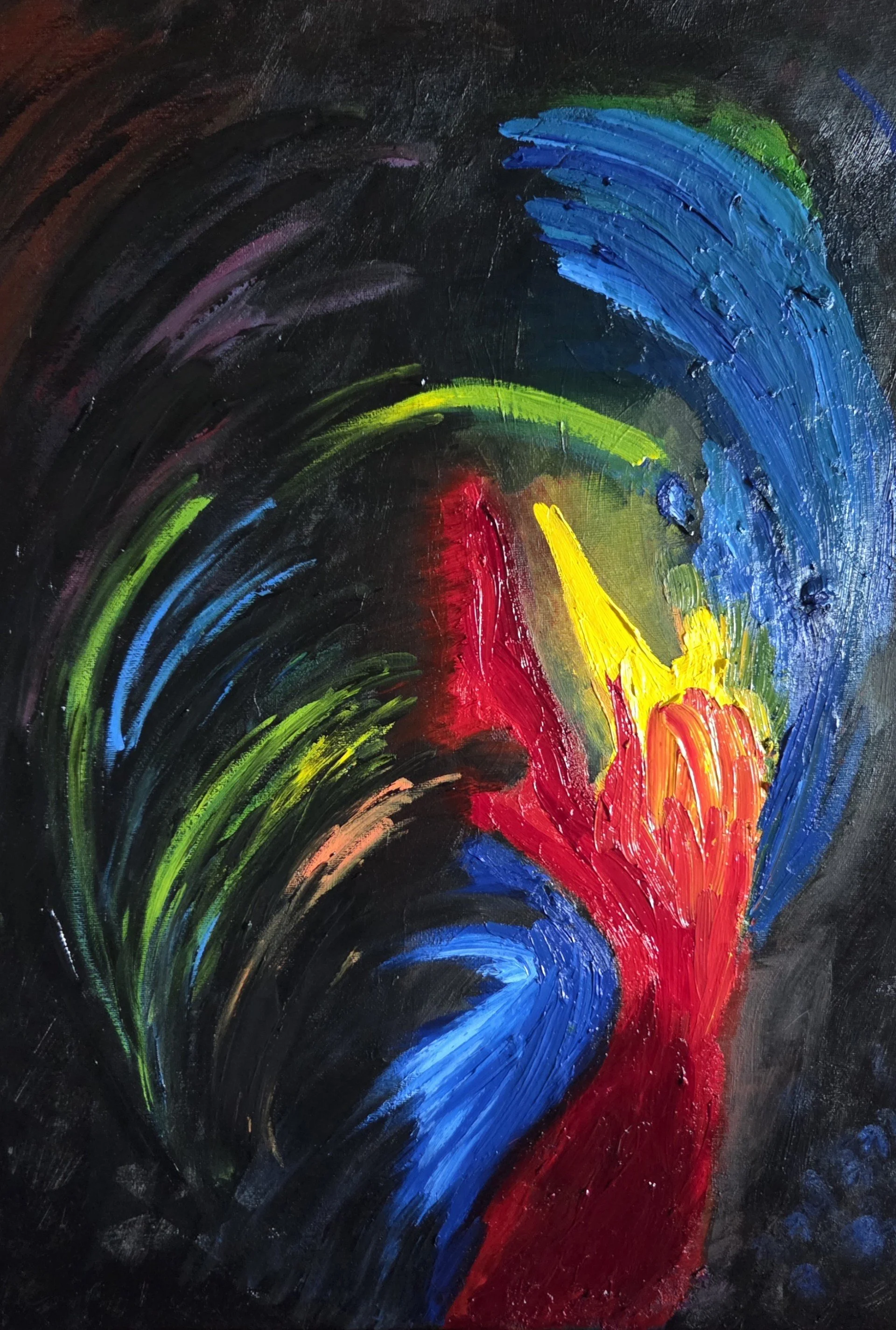
“Several exhibitions and recognitions have been particularly meaningful in my artistic journey. In 2023, my painting Agony received an Honorable Mention at the Texas City Art Show. Because the work emerged from my exploration of emotional suffering and transformation, having it recognized in a public exhibition was both encouraging and deeply validating. In 2025, I was invited back to the Texas City Art Show as a Featured Artist, where my work was presented before the Mayor of Texas City. Being selected for this recognition marked an important milestone in my development as an artist and reflected the growth of my practice over time. Also in 2025, I was selected as a Featured Artist for the White Linen Night Art Festival in League City, Texas. This opportunity allowed me to share my work with a wider audience, engage with fellow artists and collectors, and participate in a vibrant celebration of the arts within the community. These experiences have been meaningful not only because of the recognition they represent, but because they have provided opportunities to connect with viewers through themes of emotion, spirituality, struggle, and transformation. They continue to encourage me to pursue work that is both honest and deeply personal.”
Instagram: @WarrenFluxStudio
Brush Bio: brush.bio/warrenfluxstudio
Other links: www.facebook.com/WarrenFluxStudio