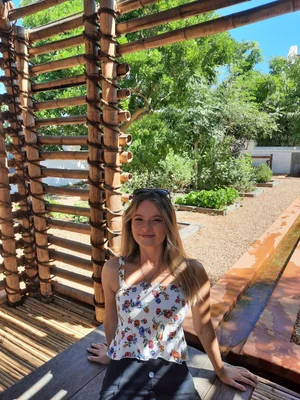
Interview
Amanda
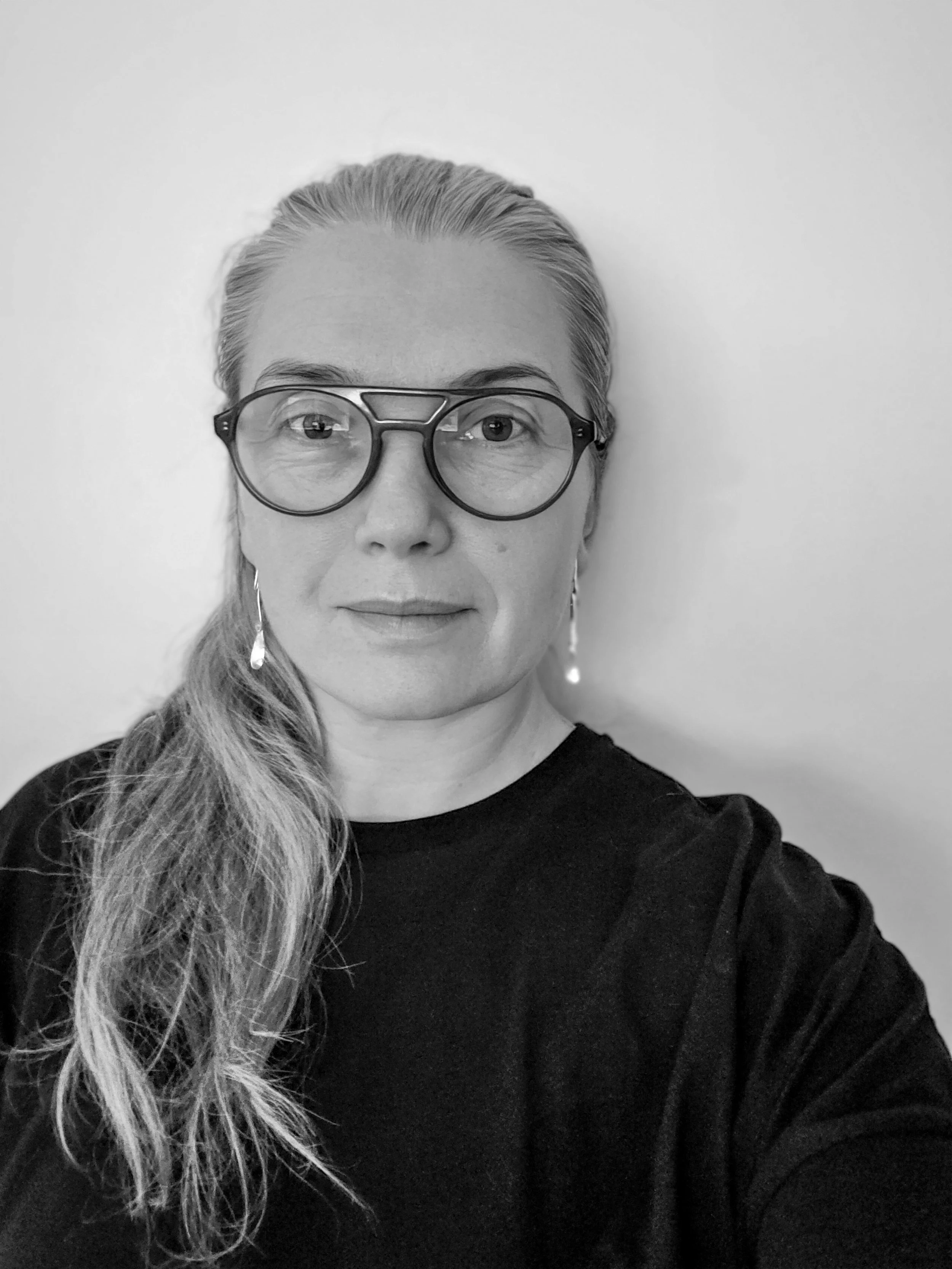
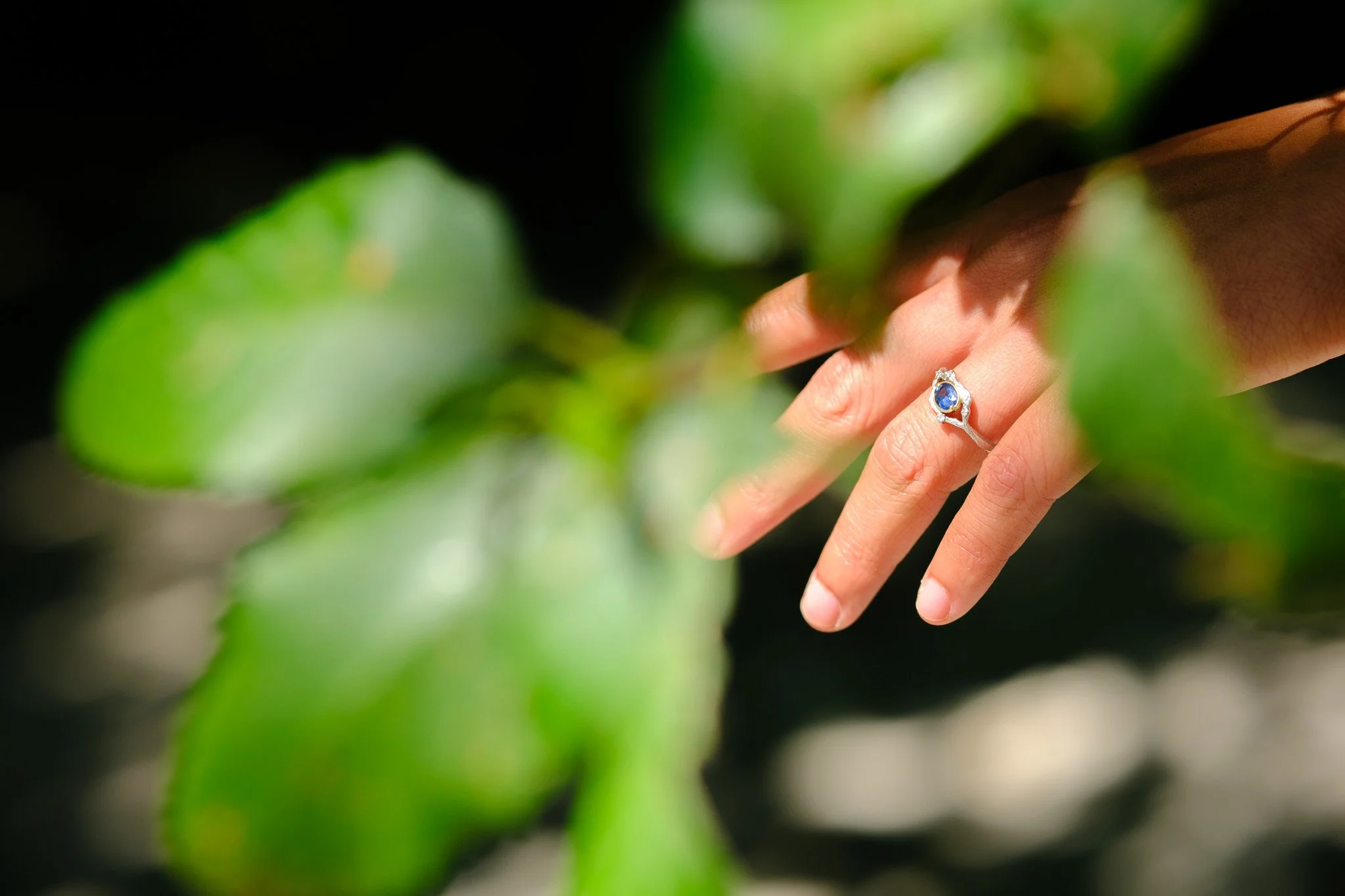
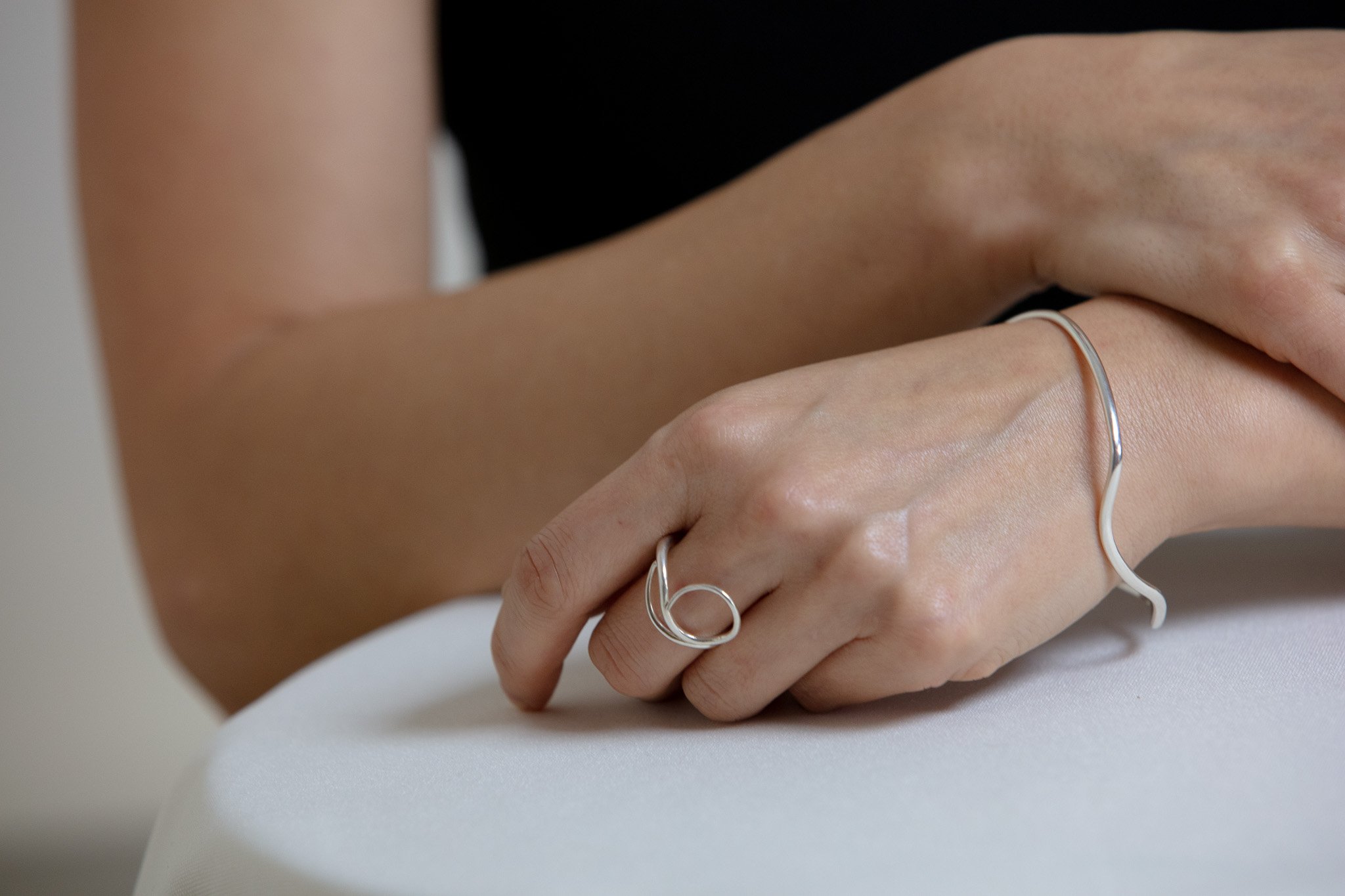
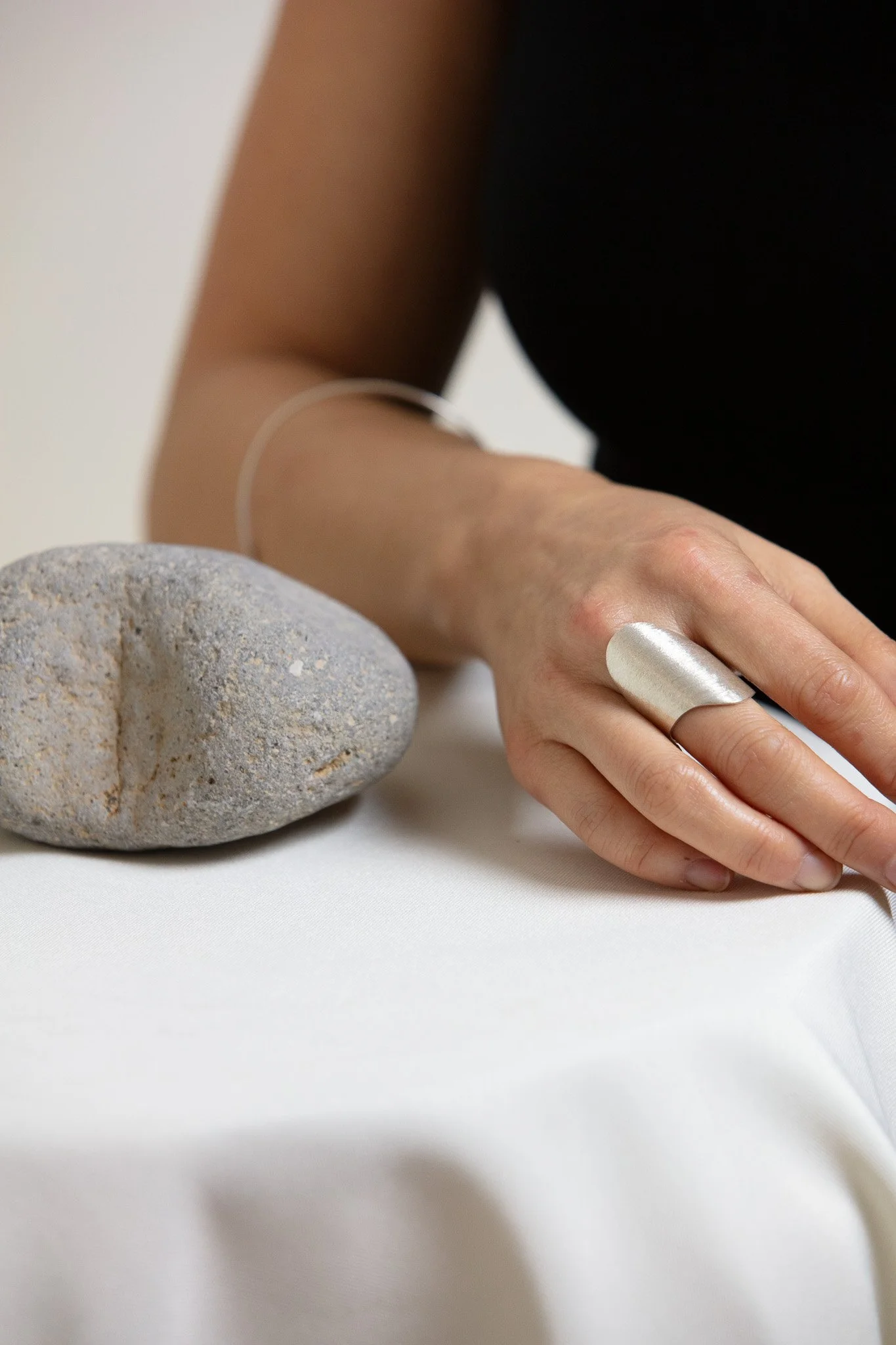
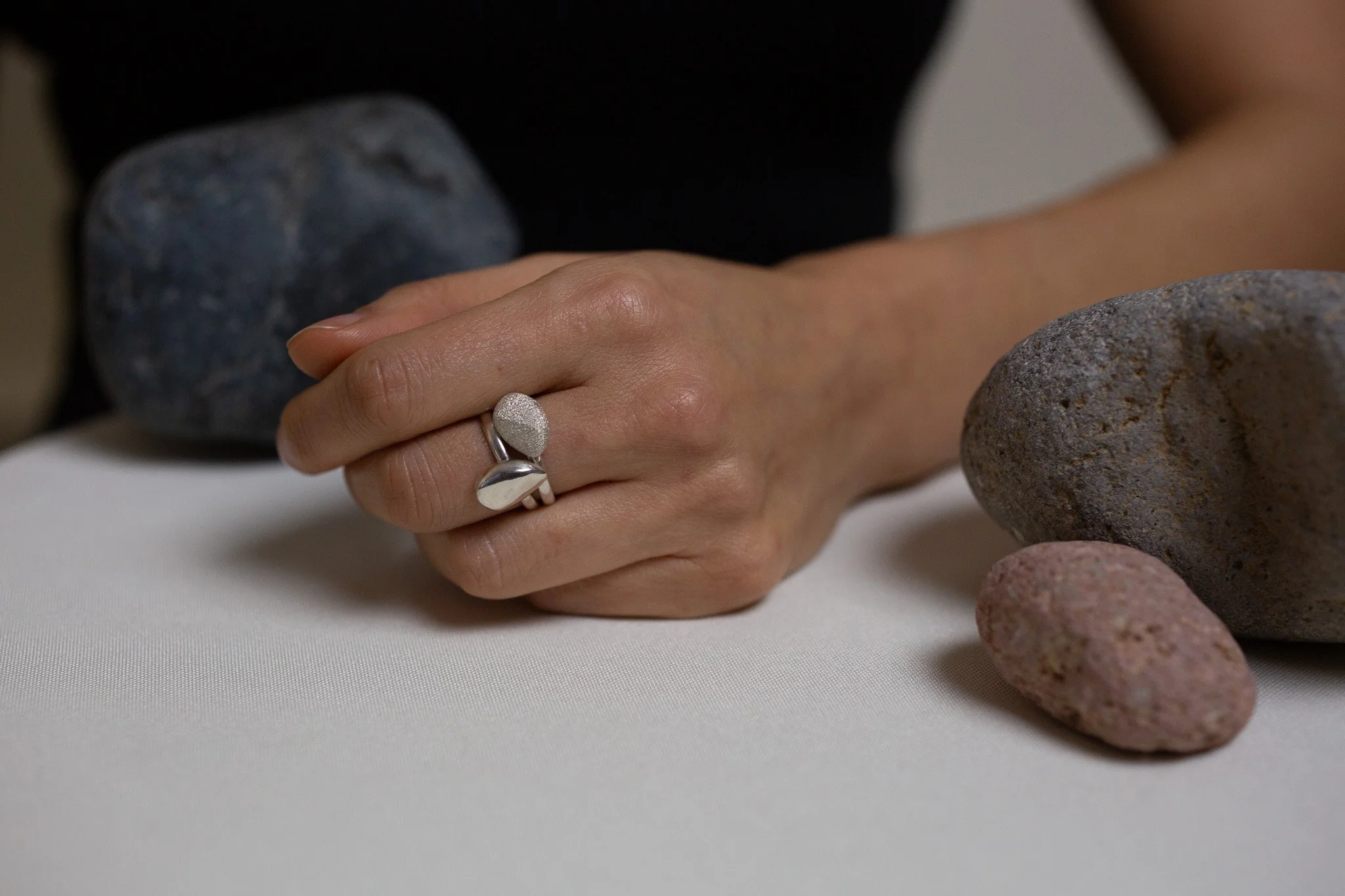
Amanda is a UK-born, Squamish-based artisan jeweller. She holds a degree in Knitwear Design and began her career in the fashion industry, where she developed a strong understanding of structure, texture, and how objects relate to the body. While working in fashion, she realised she deeply missed working with her hands and making in the way she had during her knitwear degree, which led her, at the age of 35, to leave the industry and pursue formal training in jewellery making. Working primarily with precious metals and traditional goldsmith techniques, Amanda creates sculptural, tactile jewellery inspired by the landscapes of British Columbia—granite forms, tidal rhythms, and the quiet marks left by time and nature. Her work balances classical elegance with a modern, minimalist sensibility. Alongside her collections, she specialises in bespoke and heirloom redesigns, transforming sentimental materials into contemporary pieces that honour personal history. Her practice is rooted in craftsmanship, slowness, and emotional longevity, offering jewellery as an intimate and enduring form of art.
What is your background and how did you start your journey in the art world?
“I am a UK-born, Squamish-based artisan jeweller. My journey into the art world wasn’t a straight or traditional path. I grew up on a council estate in the UK in a very working-class family, and school was difficult for me. I struggled academically and didn’t follow the A-level route, but a school counsellor recognised that I was visually and creatively inclined and suggested a BTEC in Art and Design. That decision changed everything. The BTEC course exposed me to many disciplines—photography, pottery, fashion design—and for the first time I felt that I had found a language that made sense to me. I was particularly drawn to craft and making, to working with my hands. I initially wanted to become a potter, but practical considerations led me toward fashion design, which I studied further and eventually built a career in. I spent many years in the fashion industry learning how to design commercially, work to a price point, and create objects people want to live with and wear. After university I carried significant debt and began working overseas, eventually living in Hong Kong, where I became deeply involved in outdoor life—rock climbing, sailing, hiking—and where I also met my Canadian partner. Later, after visiting Canada and experiencing the wilderness and seasonal shifts I had missed in Hong Kong, I immigrated and settled in British Columbia. Jewellery came later, as a return to craft, materiality, and slower making. It allowed me to combine my design background with hand skills and emotional storytelling. Jewellery felt intimate and human in a way that mass production never could, and it gave me space to explore memory, place, and quiet moments.”
What does your work aim to say? Does it comment on any current social or political issues?
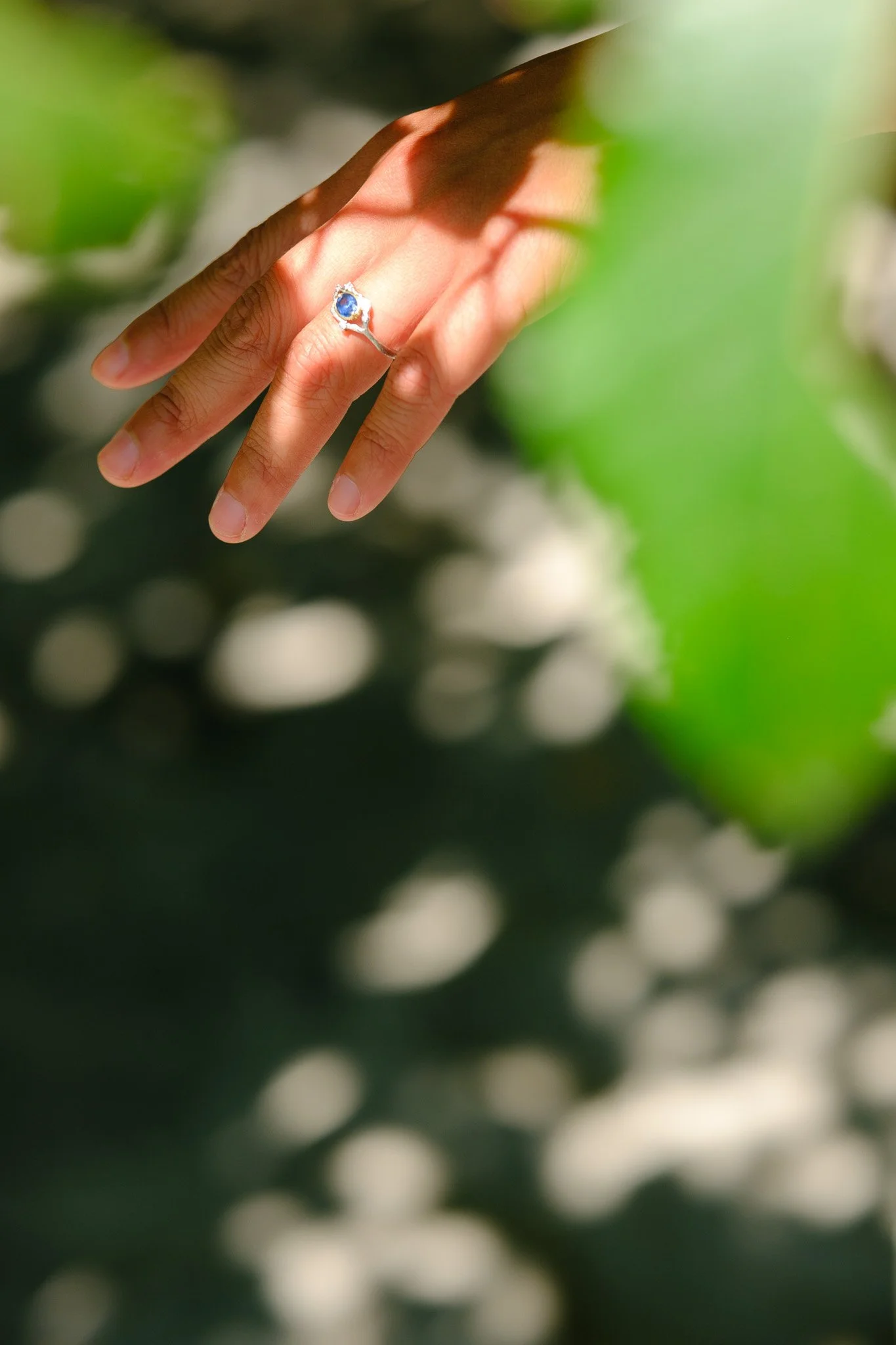
“My work is not overtly political, but it is deeply connected to how we live, what we value, and how we relate to objects. I’m interested in slowness, longevity, and emotional attachment in a culture that often prioritises speed and disposability. Much of my work speaks to connection to place, particularly the landscapes of British Columbia—granite rock faces, tidal rhythms, forests, rivers, and the quiet resilience of nature. I’m also interested in nostalgia and memory: how objects can hold stories, grief, joy, and transition. This is especially evident in my custom and heirloom redesign work, where I repurpose family gold, stones, or memorial materials into new pieces that carry forward emotional history. In that sense, my work quietly comments on sustainability, consumption, and value—choosing to remake rather than replace, to honour what already exists. It also speaks to identity and ageing, particularly from a feminine perspective, without being overtly gendered. I want my pieces to feel grounding, wearable, and enduring rather than trend-driven.”
My work is a way of making sense of the world. It is grounding, meditative, and deeply personal.
Do you plan your work in advance, or is it improvisation?
“It’s a combination of both. Some pieces begin with careful planning—especially custom commissions, where structure, wearability, and technical considerations are essential. However, many of my collection pieces emerge through intuitive making at the bench. I often start with a material or gesture rather than a fixed outcome. I allow forms to evolve through handling, responding to how metal moves, bends, or resists. My collections tend to be open-ended, growing and refining over time rather than being completed all at once. This approach mirrors how skills develop and how ideas mature through repetition and reflection.”
Are there any art world trends are you following?
“I’m less interested in fast trends and more drawn to movements that emphasise craft revival, material honesty, and cross-disciplinary practice. I follow work that blurs the line between fine art, design, and craft—particularly contemporary jewellery that treats adornment as sculpture. I’m also drawn to renewed interest in handmade processes, imperfection, and tactile surfaces, as well as artists working with reclaimed or recycled materials. In jewellery specifically, I’m interested in the move away from overly polished perfection toward organic forms, visible marks of making, and pieces that feel personal rather than status-driven. Outside jewellery, I’m inspired by mid-century modern design, Scandinavian aesthetics, and artists who use restraint, negative space, and quiet repetition. I tend to absorb influence slowly rather than respond immediately to trends.”
What process, materials and techniques do you use to create your artwork?
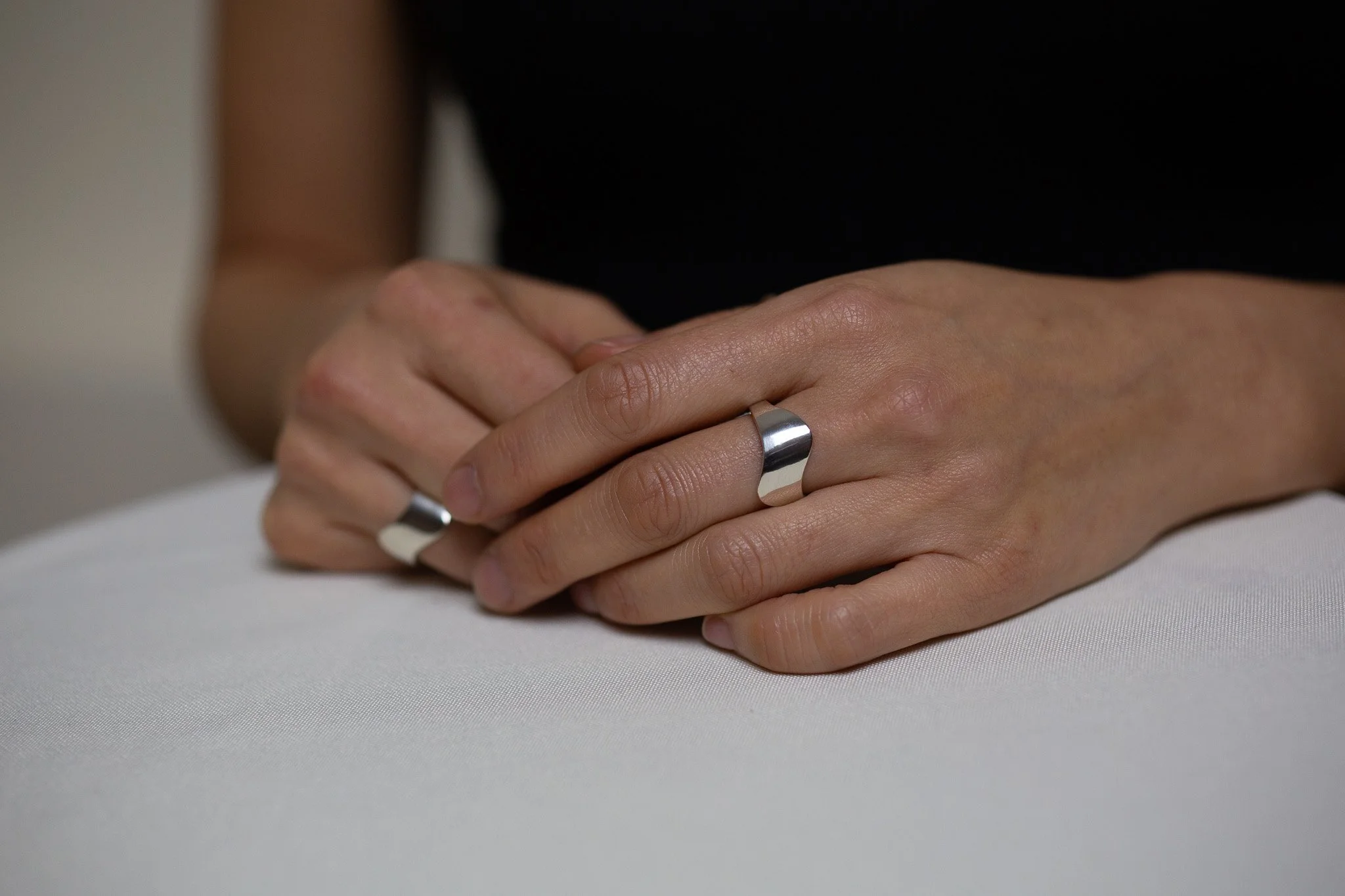
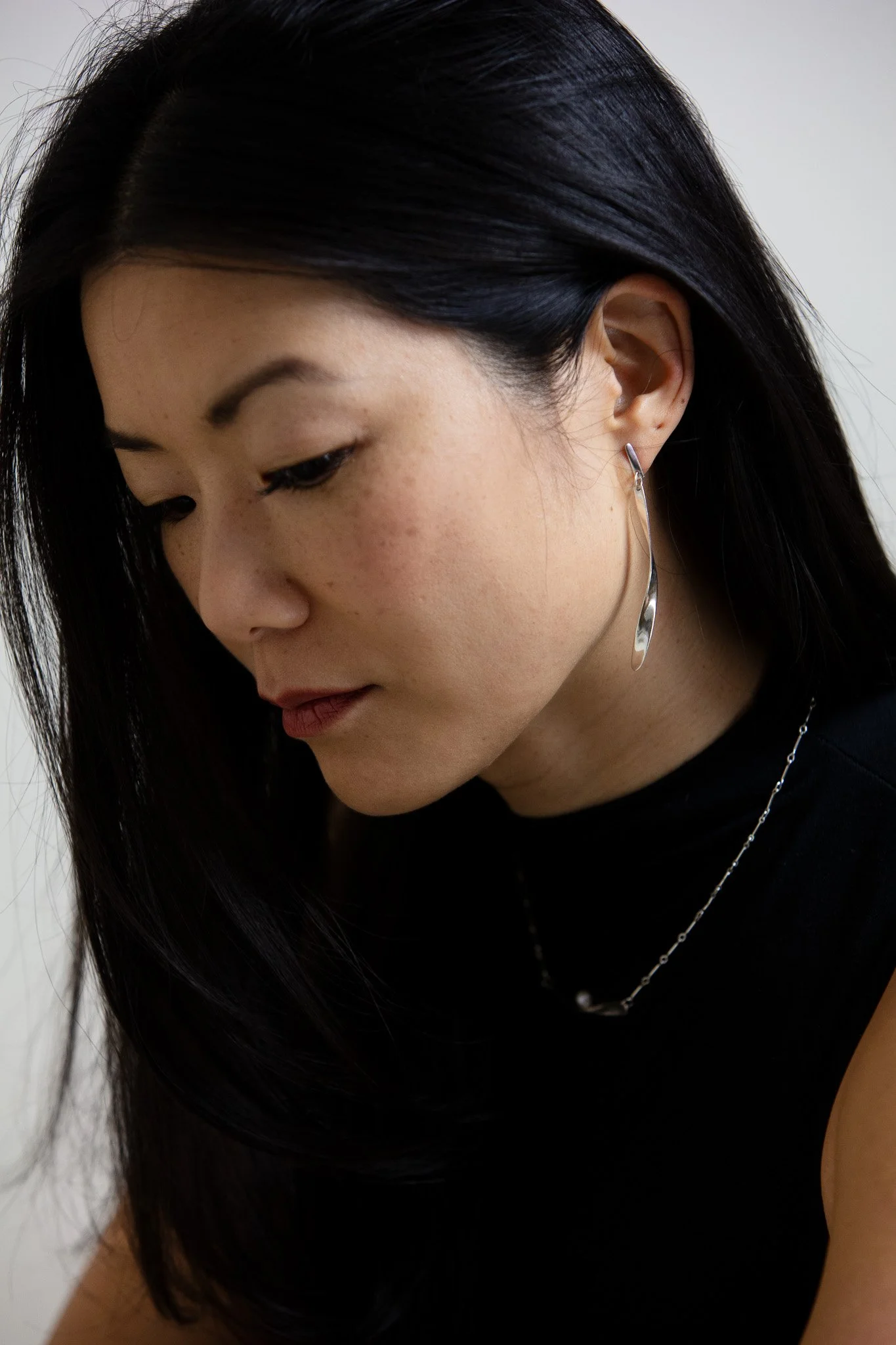
“My work is rooted in traditional goldsmithing: forging, soldering, casting, stone setting, hand-finishing, and patination. I enjoy allowing subtle surface texture to remain visible, rather than polishing everything to a mirror finish. For some projects, particularly complex custom work, I incorporate CAD and 3D printing, which allows precision and structural integrity while still finishing everything by hand. I also hand-knot beaded necklaces, experiment with patinas, and occasionally integrate unconventional materials alongside precious metal. My process is slow and hands-on. I test ideas at markets and through client interaction, refining pieces based on how people respond emotionally and physically to wearing them.”
What does your art mean to you?
“My work is a way of making sense of the world. It is grounding, meditative, and deeply personal. Jewellery allows me to create objects that live alongside people in their everyday lives—objects that witness moments, transitions, and memories. It is also a form of resilience. Coming from a background where art was not an obvious or supported path, my practice represents persistence, self-belief, and a commitment to craft. Making with my hands connects me to lineage—of makers, artisans, and quiet labour—and gives me a sense of belonging.”
What’s your favourite artwork and why?
“I’m particularly drawn to the work of Barbara Hepworth and Henry Moore for their shared exploration of form, space, and landscape. Barbara Hepworth’s work resonates with me for its quiet balance and sensitivity—her pierced forms and smooth, organic curves feel shaped by nature and time rather than force. There is a calm, human quality in her sculptures that strongly influences how I approach material and touch in my own work. Henry Moore’s sculptures, by contrast, feel grounded and elemental. His abstracted figures echo rocks, hills, and bone-like structures, carrying both strength and vulnerability. I admire how both artists balance abstraction with emotional resonance, creating work that feels timeless, tactile, and deeply connected to the natural world—qualities I continually strive for in my jewellery.”
Have you had any noteworthy exhibitions you'd like to share?
“Rather than traditional gallery exhibitions, much of my work has been shared through craft markets, gallery-hosted artisan events, and independent exhibitions across British Columbia. These settings are particularly meaningful to me because they allow direct connection with the audience—conversations, stories, and emotional exchanges that don’t always happen in formal gallery spaces. I’ve shown work in Vancouver, Whistler, and the Sea-to-Sky corridor, often alongside other makers whose practices I deeply respect. I find these community-driven exhibitions especially noteworthy because they reflect how people actually live with art, not just view it.”
Website: amandagreenjewelry.com
Instagram: @amandagreenjewelry